In the heart of Southern Colorado, the San Luis Valley—a high-altitude basin cradling the headwaters of the mighty Rio Grande—is currently ground zero for one of the most pressing environmental crises of the 21st century. As a historic, near-record-setting snow drought grips the Southwest, the region finds itself in a precarious standoff with nature. The Snow Water Equivalent (SWE), the primary metric used to forecast the volume of liquid water locked within the mountain snowpack, has plummeted to levels rarely seen in modern history.
This is not merely a seasonal fluctuation; it is a structural challenge that threatens to rewrite the future of agriculture, community health, and biodiversity in the American West. As the Rio Grande struggles under the dual pressures of climate change and ballooning human demand, the San Luis Valley has emerged as a national laboratory for water innovation, proving that crisis can be the catalyst for radical, collaborative, and sustainable change.
The Anatomy of a Drought: A Region Under Pressure
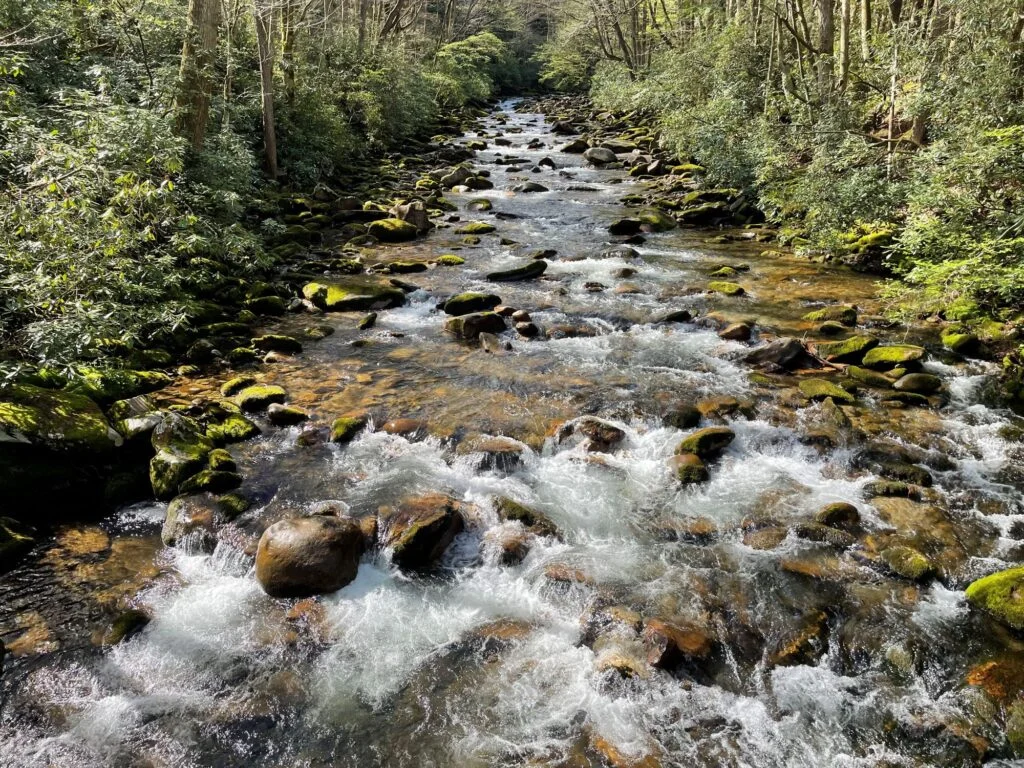
The Rio Grande is the lifeblood of the Southwest, sustaining civilizations for millennia. However, the river’s current trajectory is one of exhaustion. Recent scientific studies underscore a sobering reality: rivers across the Southwestern United States are facing critical, long-term shortages that are no longer anomalous but systemic.
In the San Luis Valley, the drought’s impact is felt across three primary sectors. First, the agricultural sector, which forms the backbone of the Valley’s economy, is facing the harsh reality of diminished irrigation supplies. Second, the aquatic ecosystems—including delicate wetlands and riparian corridors—are suffering from erratic flow regimes that threaten native fish and migratory bird populations. Finally, the local communities, which have built their livelihoods around the river’s reliability, are being forced to navigate a landscape where every gallon must be accounted for.
Chronology of Crisis and Collective Action
The narrative of the San Luis Valley is shifting from one of passive consumption to active stewardship. This evolution did not happen overnight, but rather through a sustained period of recognition and mobilization:
- Pre-2015: Recognizing the steady decline of the local aquifer, the community began organizing around the concept of "water banking" and early irrigation efficiency.
- 2018–2020: The "Rye Resurgence" initiative was conceptualized to address soil health and water consumption, shifting from traditional, thirsty crops to water-efficient winter rye.
- 2021–2023: As climate models predicted a drier, hotter future, large-scale collaborative projects like "Frozen Assets" moved from the drawing board to the field.
- 2024–Present: Current efforts are focused on scaling these innovative pilots, integrating them into broader regional water management policies, and securing long-term funding for habitat restoration.
This chronology reflects a community that has moved beyond the "emergency response" mindset, instead adopting a long-term, proactive strategy that treats water as a finite asset to be managed with precision.
The "Frozen Assets" Strategy: Mimicking Nature
Among the most intriguing solutions currently being deployed is the "Frozen Assets" project. Led by American Rivers in partnership with organizations like Ducks Unlimited, the Rio Grande Headwaters Land Trust, and Colorado Parks and Wildlife, this initiative seeks to turn the freezing temperatures of the high desert into a strategic water reserve.
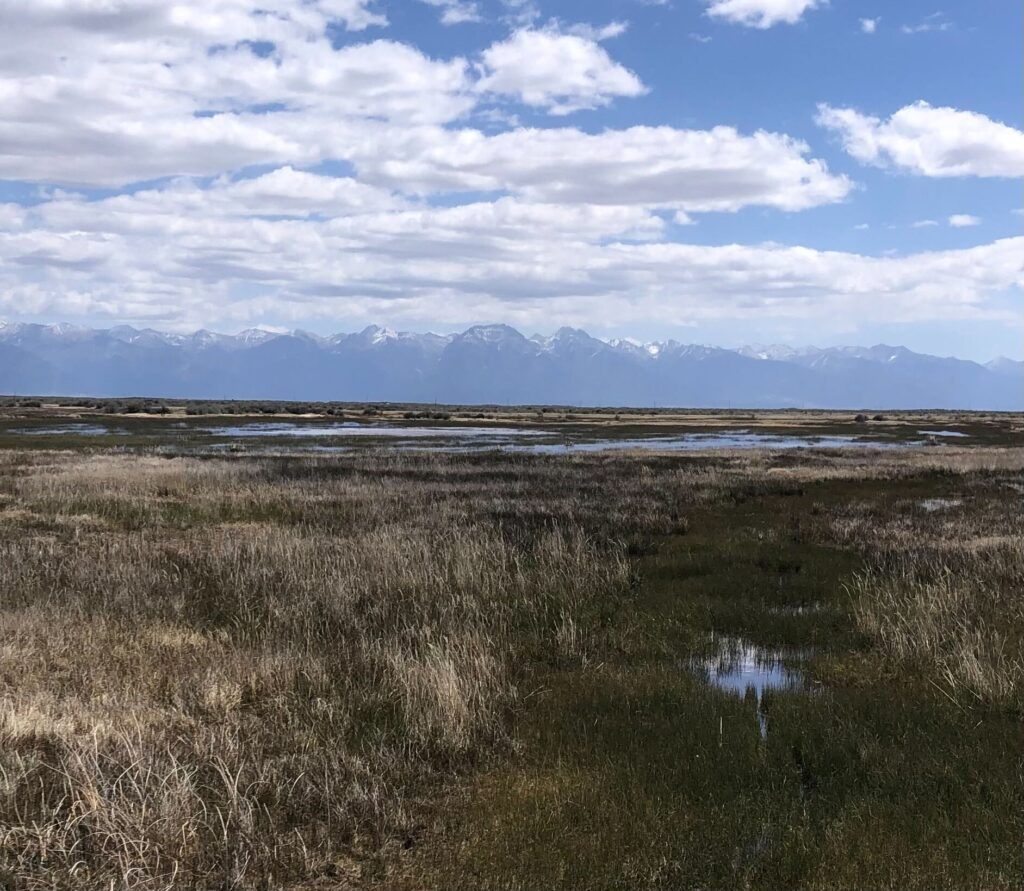
Historically, valley producers practiced "winter sheet ice" irrigation—a technique that spreads water across the landscape in a thin, controlled layer during the winter months. As temperatures drop, this water freezes into a literal sheet of ice. This serves a dual purpose: it acts as a thermal buffer for the soil and provides a slow-release reservoir as the ice melts during the spring thaw.
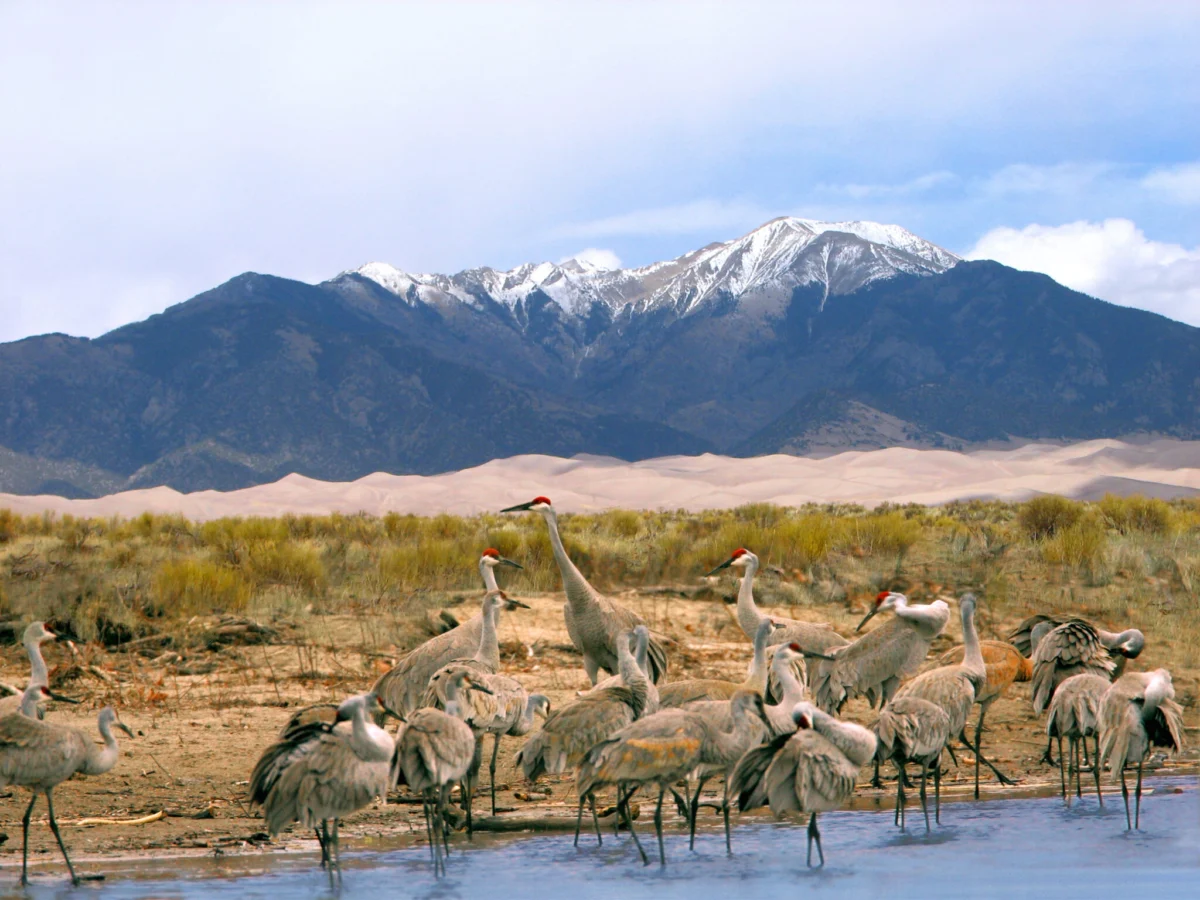
The benefits are multifaceted. By slowing the movement of water across the landscape, the process significantly reduces losses due to evaporation. The infiltrating water helps recharge the local aquifer, while the melting process provides essential foraging resources for over-wintering wildlife, including the sandhill cranes that define the valley’s ecology. By integrating modern data analysis with these traditional practices, the project is demonstrating that nature-based solutions can be as effective as traditional infrastructure.
Rye Resurgence: An Agricultural Paradigm Shift
Agriculture is the largest consumer of water in the San Luis Valley. To preserve the sector, the community launched the "Rye Resurgence Project." The core premise is simple but transformative: replace water-intensive rotational crops with winter rye, a crop that requires significantly less irrigation.
However, the project’s brilliance lies in its focus on the market, not just the farm. Producers are often hesitant to switch crops for fear of losing their buyer base. Rye Resurgence addressed this by building a localized supply chain. By partnering with bakers, millers, brewers, and distillers, the project has created a reliable, high-value market for Valley-grown rye.
The Economic and Environmental Data:
- Acreage: In its inaugural year (Fall 2023), the project successfully incentivized the planting of 4,500 acres of winter rye.
- Water Savings: This transition resulted in an estimated 4,670 acre-feet of water savings—a massive, immediate contribution to the Valley’s groundwater sustainability goals.
- Partnerships: The initiative has successfully engaged 24 distinct businesses, proving that environmental stewardship can be a driver of regional economic development.
Restoring the Arteries: River and Habitat Projects
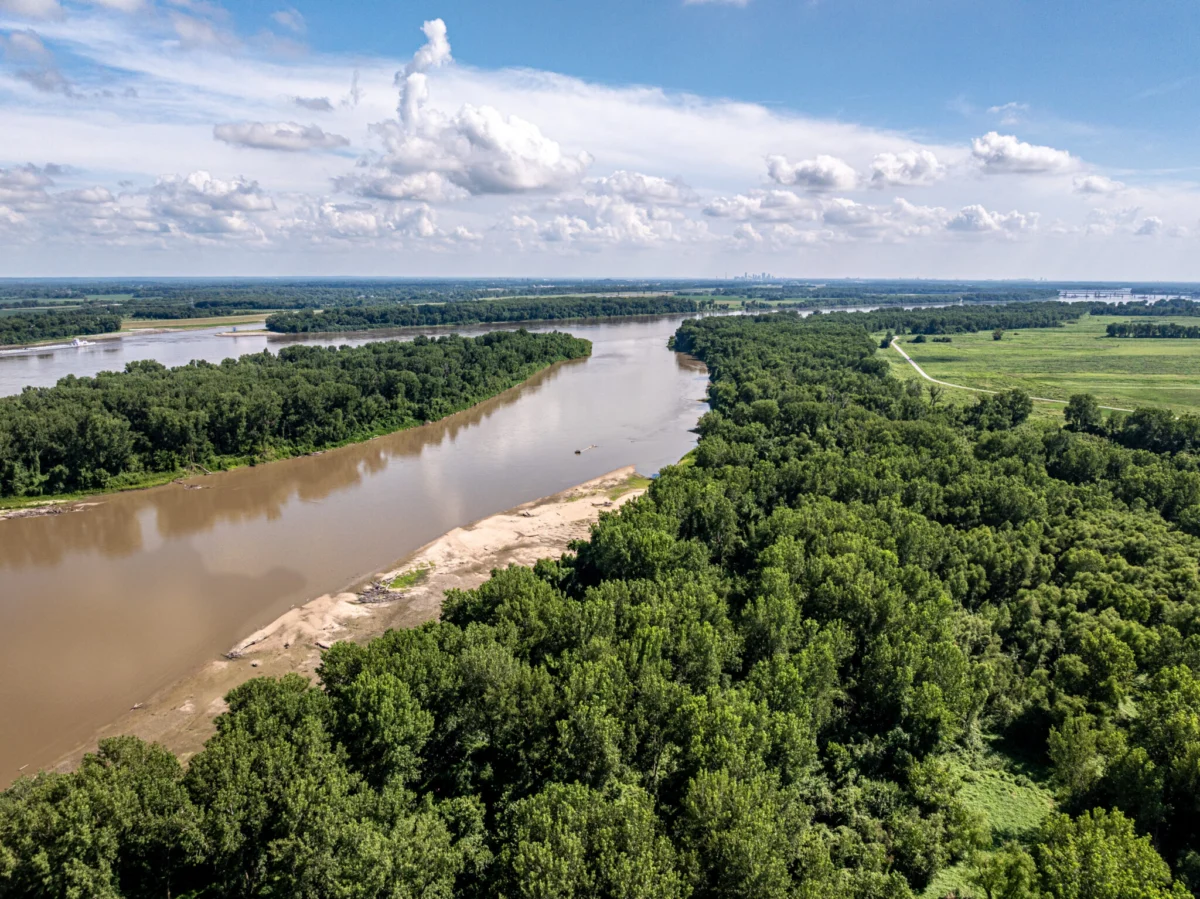
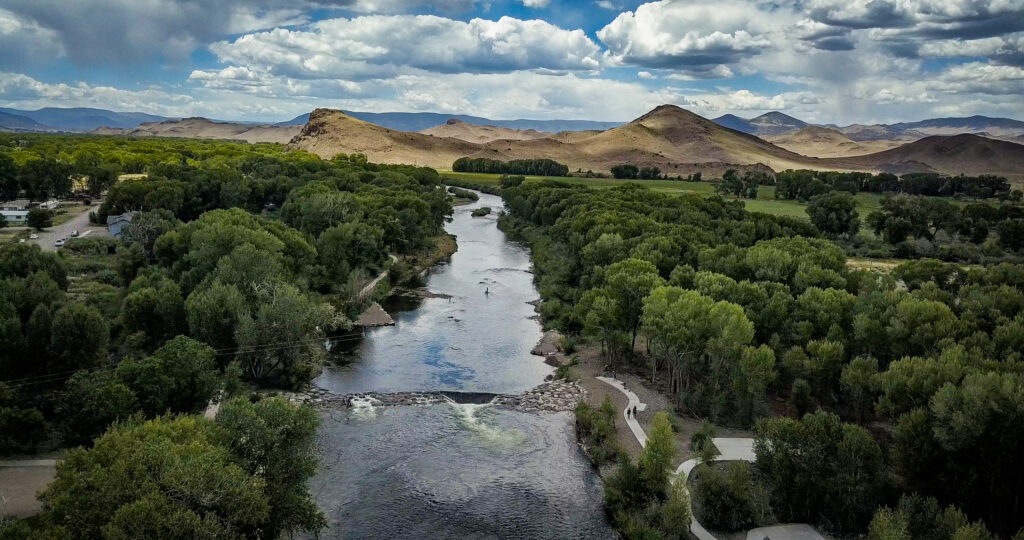
While managing water for human use is critical, the ecological health of the Rio Grande is the pulse of the region. The Rio Grande Corridor Restoration Project at the Alamosa National Wildlife Refuge (NWR) serves as a gold standard for modern river management.
The NWR has historically suffered from highly variable flow regimes, causing severe bank erosion and habitat degradation. The restoration project involved "reshaping" the river—using rock and native vegetation to stabilize banks and create new floodplain access. This allows the river to "breathe" during high-flow events, preventing flood damage while simultaneously creating quiet, off-channel habitats.
Of particular importance is the focus on the Rio Grande chub. By creating specialized off-channel features, the project provides a refuge for the species during periods of low flow, ensuring that the river’s biodiversity remains intact despite the broader climate challenges.
Official Perspectives: A Call for Unified Governance
Representatives from the various agencies involved in these projects stress that the Valley’s success is built upon "cross-sector transparency." There is no longer a divide between the rancher, the environmentalist, and the municipal water manager.
"We are all sitting at the same table," says one project lead. "The realization that we are facing a shared scarcity has stripped away the old silos. Whether it’s the Rio Grande Headwaters Land Trust working with private landowners, or Colorado Parks and Wildlife coordinating with federal partners, the objective is the same: keeping the water on the land, in the soil, and in the system for as long as possible."
Implications: A Blueprint for the West
The work being done in the San Luis Valley holds profound implications for the rest of the American West. As the Colorado River Basin and other regional watersheds face similar pressures, the "Valley Model"—characterized by decentralized, collaborative, and data-driven solutions—offers a viable path forward.
The implications are threefold:
- Flexibility over Rigidity: The ability to pivot between different water management strategies (such as winter ice versus seasonal irrigation) is essential in a climate that is increasingly unpredictable.
- Market Integration: Environmental sustainability is most successful when it is tied to economic viability. By creating markets for low-water crops, the community has ensured the long-term adoption of their conservation efforts.
- The Multi-Benefit Approach: Projects that address wildlife habitat, aquifer health, and agricultural production simultaneously are the most cost-effective way to manage water scarcity.
Conclusion
The San Luis Valley is a microcosm of the global water crisis, but it is also a beacon of human ingenuity. By embracing a mosaic of strategies—ranging from the ancient practice of winter sheet icing to the cutting-edge development of rye supply chains—the community is proving that it is possible to live within the limits of one’s environment.
The Rio Grande remains the "lifeblood" of this region, but it is the collaborative spirit of the people who steward it that will determine its future. As these projects move from research to full-scale implementation, they offer a clear, hopeful message: when communities unite to protect their resources, they do more than just survive; they create a resilient, sustainable legacy for generations to come. The drought may be historic, but the response of the San Luis Valley is proving to be even more significant.