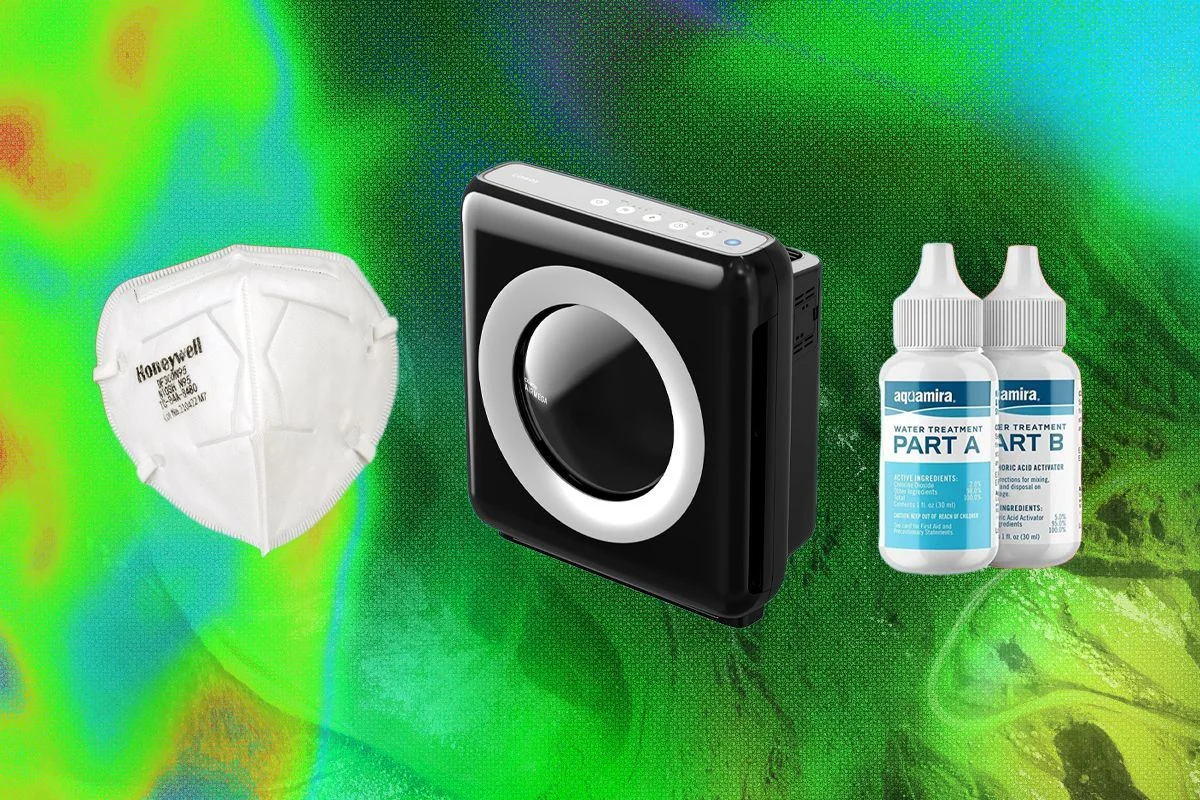
In an era defined by climatic volatility and systemic instability, the concept of "bugging out"—evacuating at a moment’s notice—has transitioned from the realm of fringe survivalism to a practical necessity for the modern household. Whether it is the 2026 wildfire season, which is already off to a ferocious start across the American West, or the drifting plumes of Canadian smoke blanketing the Midwest and Northeast, the message from experts is clear: disasters rarely adhere to a schedule, and they rarely wait for your local grocery store to restock its shelves.
True disaster preparedness is not about anticipating the apocalypse; it is about mitigating the disruption caused by natural events—hurricanes, earthquakes, floods, and wildfires—and the increasing vulnerability of our power and water infrastructure.
The Two Scenarios: Evacuation vs. Shelter-in-Place
Jonathan Sury, a senior staff associate at Columbia University’s National Center for Disaster Preparedness, emphasizes that not all emergencies are created equal. He identifies two distinct operational scenarios that families must prepare for.

The first is the Evacuation Scenario. This occurs when a fast-moving threat, such as an encroaching wildfire, mandates immediate departure. In this instance, your primary tool is the "go bag"—a pre-packed kit containing only the absolute essentials required to survive for 72 hours. This includes water, portable filtration, a high-lumen flashlight, and critical documents.
The second is the Shelter-in-Place Scenario. Events like severe blizzards or major seismic activity may leave you confined to your home, potentially without municipal water or electricity. In this context, the focus shifts from mobility to sustainability. You must be prepared to generate your own light, heat, and power, while maintaining a hygienic environment in the absence of a functioning utility grid.
Chronology of Preparedness: Why Timing Matters
The timeline for disaster response is often measured in minutes. When an evacuation order is issued, the window between safety and peril shrinks rapidly.

- The Lead-Up (Months in Advance): This is the time to build your baseline kit. It includes sourcing water filters, purchasing power banks, and organizing digital backups of vital documents.
- The Warning Phase (Days/Hours Before): As a storm or fire approaches, transition to active mode. Fill bathtubs with water for sanitation, ensure your vehicles have full tanks of gas, and move your "go bag" to the primary exit of your home.
- The Event (Immediate): If an order comes, you move. You do not wait to pack non-essentials. Your preparation at this stage is solely to ensure the safety of your family and pets.
- The Aftermath (Post-Event): This is where your stored gear—filters, solar chargers, and non-perishable food—becomes the bridge back to normalcy while civil infrastructure is restored.
Supporting Data and Essential Gear
Water and Food Security
FEMA recommends at least one gallon of water per person per day. However, since a week’s supply is cumbersome to transport, portability is key.
- Purification: Chemical treatments like Aquamira drops or Aqua Tabs are lightweight and highly effective. For physical filtration, the Katadyn BeFree or Clearly Filtered stainless-steel bottles provide a robust defense against microplastics and microorganisms.
- Sustenance: While non-perishable canned goods are standard, dehydrated meals from companies like Mountain House or Nutrient Survival offer superior weight-to-calorie ratios for those on the move.
Power and Energy Independence
The modern grid is fragile. Relying solely on wall outlets is a dangerous gamble.
- Power Stations: For long-term shelter-in-place, larger-capacity power stations like the Jackery Explorer 2000 Plus are becoming standard.
- Portable Charging: For the go bag, magnetic power banks like the Ridge series allow for device charging while on the move, ensuring you maintain communication channels even if the grid fails.
- Caution on Generators: Fuel-based generators, such as the 4,000-watt Westinghouse, are powerful but present lethal carbon monoxide risks. They must never be operated indoors or within 20 feet of living spaces.
Air Quality and Health
With the increasing prevalence of PM 2.5 particulates, air purification has become a public health priority.

- The "Clean Room": University of Oregon wildfire expert Heidi Huber-Stearns suggests designating a "clean room" during smoke events. High-end purifiers like the Coway Airmega are excellent, but DIY alternatives—using a Lasko 20-inch box fan and MERV 13 filters—are highly effective and accessible.
- Monitoring: Using devices like the GoveeLife Smart Air Quality Monitor or the IQAir AirVisual Pro provides real-time data, allowing you to make informed decisions about when to seal windows and use air filtration.
Official Responses and Federal Resources
The federal government, through platforms like Ready.gov, provides extensive checklists, but experts agree that hyper-local information is often more actionable. The National Weather Service and local municipal apps are your primary lifelines.
Charlie Woodrum, a preparedness lead at the National Weather Service, stresses that the mindset of a "power-out" event must be absolute. "You have to plan for both power outages and the loss of water," he notes. "It isn’t just about having supplies; it’s about having a plan for when those supplies are exhausted."
Furthermore, modern wildfire awareness is being revolutionized by apps like Watch Duty. This independent platform provides real-time fire tracking that often outpaces official government notifications. For families in fire-prone regions, subscribing to such services is no longer optional—it is a critical survival layer.

Implications: The Psychological and Emotional Toll
Disaster preparedness is often framed through the lens of gear, but the most profound impacts are psychological. Amanda Stasiewicz, an expert on the human impacts of wildfire, notes that survivors often express the deepest regret regarding the loss of "memories"—items that cannot be replaced.
"Checklists focus on survival," Stasiewicz explains. "They cover IDs, medication, and computers. But they rarely address what you need to begin the process of rebuilding your life." She suggests creating a "memory box" or a digital archive of family photos, recipes, and sentimental artifacts. Knowing that these items are backed up or pre-staged for evacuation can significantly reduce the trauma of an event.
Building a Defensible Perimeter
Beyond personal gear, homeowners in the West have a responsibility to manage their immediate environment. Creating a "defensible space" involves removing flammable materials—doormats, decorative shrubs, and dry brush—from a five-foot radius around the home. Tools like the McLeod fire tool, traditionally used by wildland firefighters, are remarkably effective for creating these firebreaks around a property. While intensive, these measures provide the best chance for a structure to survive a wildfire.

Conclusion: Community as the Ultimate Kit
While gear—from Wolfbox jump-starters to Silent Pocket Faraday bags—is essential, the most effective survival strategy is social. Getting to know your neighbors, understanding the specific vulnerabilities of your local geography, and maintaining a clear communication plan are the intangible assets that provide the most stability when systems fail.
Disaster is rarely a singular event; it is a cascade of failures. By preparing for the loss of utilities, the degradation of air quality, and the necessity of rapid transit, you transform from a victim of circumstance into a resilient participant in your own safety. The gear is there to assist you, but your foresight is what will ensure you and your family weather the storm.