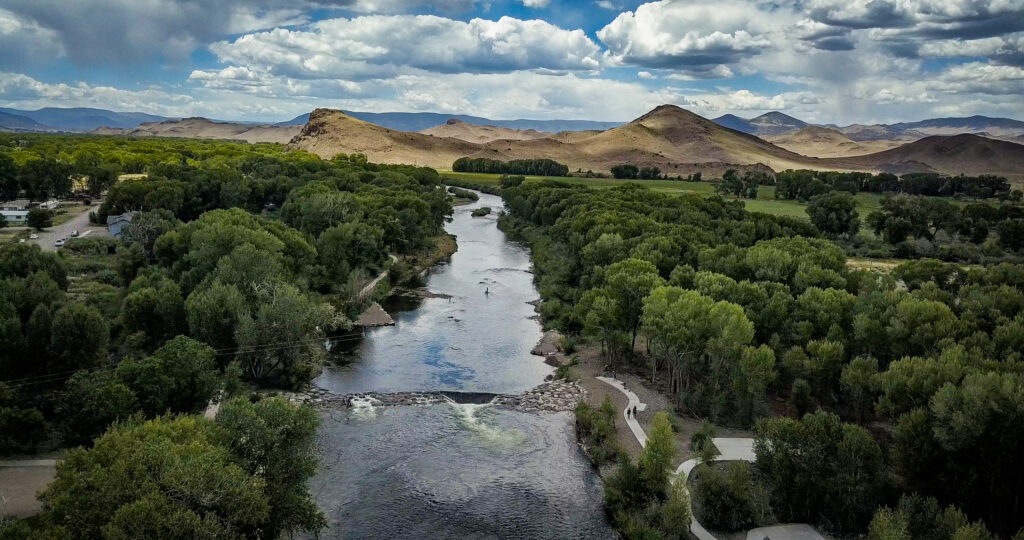
In the heart of Southern Colorado, where the headwaters of the Rio Grande carve through a high-altitude basin, the San Luis Valley is currently navigating a precarious environmental crossroads. As the American Southwest grapples with a historic, near-record-setting snow drought, the Valley stands at the epicenter of a crisis that threatens the very foundations of its agricultural economy, its unique cultural heritage, and the fragile riparian ecosystems that define the region.
The Snow Water Equivalent (SWE)—a critical metric measuring the liquid water content stored within the snowpack—has plummeted to some of the lowest levels ever recorded in the area. This deficit is not merely a seasonal anomaly; it is a clear, diagnostic signal of a changing climate, placing immense pressure on the Rio Grande, a river that serves as the lifeblood for millions of people, diverse economies, and threatened wildlife across the Southwest.
A Landscape Under Pressure: The Core Facts
The Rio Grande is currently subjected to the compounding stressors of rising human demand and the accelerated impacts of climate change. Scientific consensus suggests that river systems throughout the Southwest are facing unprecedented shortages, leading to a state of near-perpetual water stress.
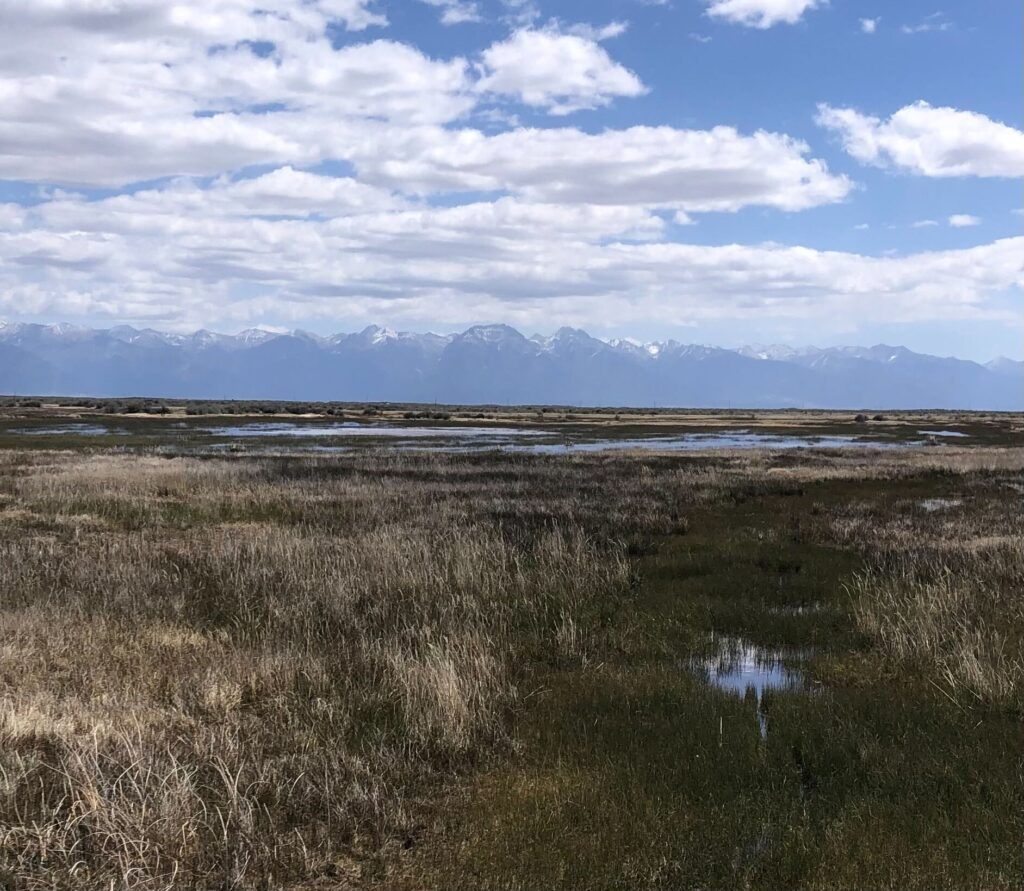
In the San Luis Valley, the challenge is compounded by its unique geography. As an endorheic basin—a closed drainage basin that retains its water and allows no outflow to other external bodies of water—the Valley is entirely reliant on the health of its local aquifers and the consistency of the Rio Grande’s headwaters. When the snowpack fails to materialize in the mountains, there is no “backup” supply. The result is a looming, severe water shortage that could cripple regional crop production and devastate local biodiversity if systemic changes are not implemented immediately.
Chronology of Crisis and Collaboration
The recognition of this water scarcity did not happen overnight. It is the culmination of decades of observation, data collection, and a shifting climate narrative.
- Pre-2020: The region began observing a trend of earlier-than-normal snowmelt and lower peak flows, signaling a shift in the timing of the annual hydrological cycle.
- 2023: A turning point for innovation. Local producers and conservationists pivoted to large-scale agricultural shifts, notably the launch of the "Rye Resurgence" initiative to address groundwater depletion.
- 2024–2025: As drought conditions persisted, the "Frozen Assets" project moved from theoretical research into active implementation, leveraging historical winter water-spreading techniques to modernize aquifer recharge.
- Present Day: The Valley has transitioned from a reactive posture to a proactive, multi-sectoral model of water management. Today, the collaboration involves irrigation companies, local businesses, the Rio Grande Headwaters Land Trust, and federal agencies working in lockstep to build resilience.
Supporting Data: The Mechanics of Scarcity and Innovation
The severity of the situation is best illustrated through the lens of recent project outcomes, which provide a beacon of hope through hard data.
The "Frozen Assets" Strategy
"Frozen Assets" is an innovative water management project led by American Rivers, in partnership with Wetland Dynamics, Ducks Unlimited, and Colorado Parks and Wildlife. By utilizing winter sheet ice, the project mimics natural hydrological processes. During the coldest months, water is spread shallowly across the landscape. As temperatures drop, this water freezes into a thick layer of ice.
This process is scientifically significant for three reasons:
- Reduced Evaporation: By trapping water in a solid state, the project drastically reduces the high evaporation rates typically seen in open-water storage.
- Aquifer Recharge: As the ice slowly melts during the spring thaw, the water infiltrates the soil rather than rushing downstream as a violent, erosive flood, providing essential recharge to the local aquifer.
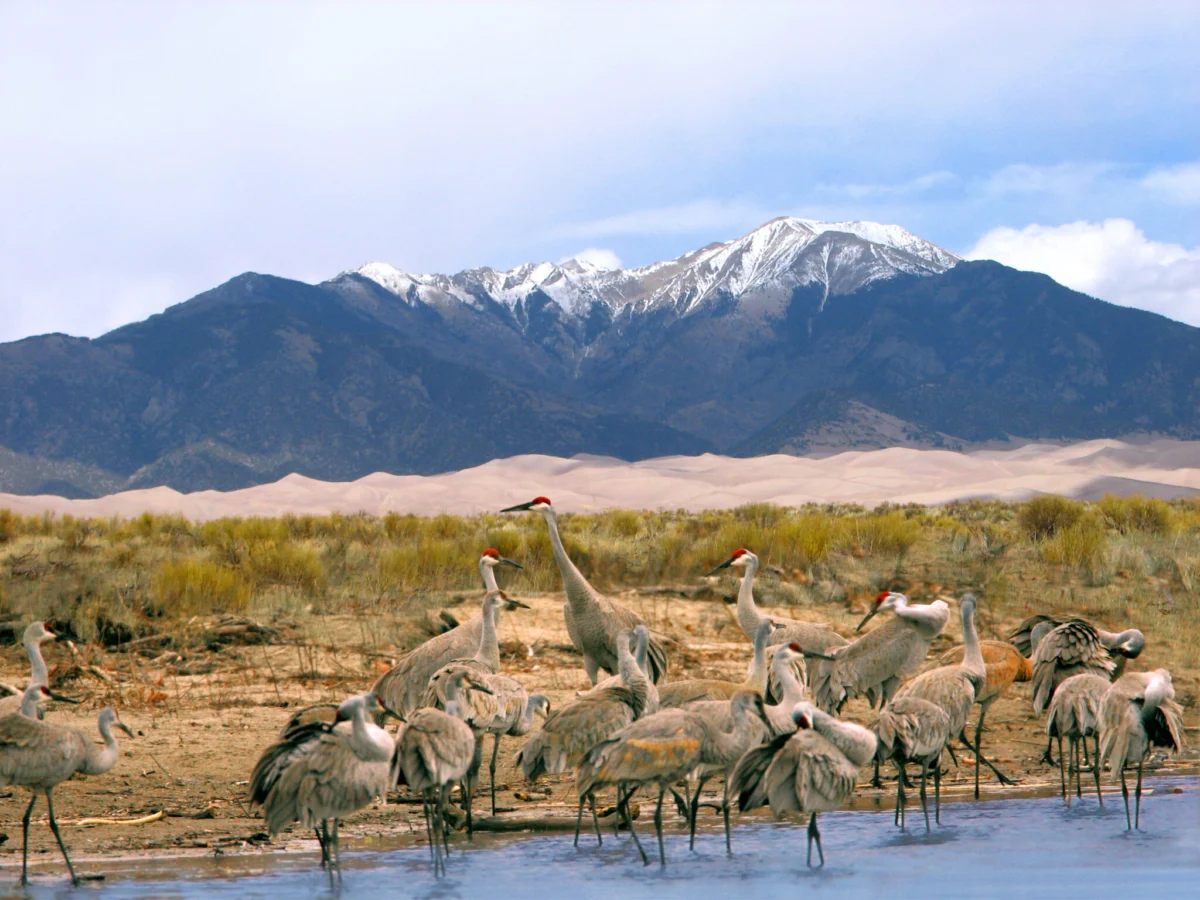
- Habitat Support: This artificial ice sheet creates vital foraging resources for over-wintering birds, including sandhill cranes and various waterfowl species, which rely on the early spring moisture to survive their migration.
The Rye Resurgence Impact
Agricultural modernization is perhaps the most tangible success story. The Rye Resurgence Project was established to combat groundwater depletion by replacing water-intensive crops with winter rye. In its inaugural year, the project saw 4,500 acres of winter rye planted. This shift resulted in an estimated 4,670 acre-feet of water savings—a staggering achievement that proves that economic viability and conservation can coexist. By connecting farmers with a market of 24 regional partners, including local bakers, millers, and distillers, the project has ensured that the "less thirsty" crop is also a profitable one.
Official Responses and Strategic Initiatives
Governmental and non-profit leaders are increasingly looking toward the San Luis Valley as a "living laboratory" for water management.
"The challenges we face are significant, but the ingenuity of our community is unparalleled," stated a spokesperson for the Rio Grande Headwaters Restoration Project. Their recent intervention at the Alamosa National Wildlife Refuge (NWR) serves as a gold standard for multi-sectoral restoration. By reshaping eroding streambanks with native rock and vegetation, the project has allowed the river to reconnect with its floodplain. This, in turn, has created off-channel habitats specifically designed for the endangered Rio Grande chub, a species that has struggled as streamflows have become increasingly volatile.
Furthermore, these initiatives have been designed to minimize the impact on recreationists, ensuring that public trails and access points are redefined to protect sensitive ecosystems while still allowing for the economic benefits of tourism and wildlife observation.
Implications: A Model for the Future
The implications of the San Luis Valley’s efforts extend far beyond Colorado. As the Western United States faces a future of hotter, drier conditions, the "Valley Model" provides a blueprint for how other basins can adapt.
Economic Vitality vs. Conservation
The primary tension in the Southwest is the perceived trade-off between the survival of the agricultural sector and the preservation of the environment. The San Luis Valley is successfully challenging this binary. By identifying "multiple-benefit" projects—where water management benefits both the farmer’s field and the native wetland—the region is proving that conservation is not a tax on the economy, but an investment in its long-term stability.
The Challenge of Scalability
While the initial results are promising, the long-term success of these projects hinges on research and analysis. Many of the initiatives currently underway are in their infancy. Questions remain regarding the long-term impact of sheet ice on soil salinity and the scalability of the rye market in a fluctuating global economy. However, the willingness of private, state, and federal partners to engage in "early research and impact analysis" indicates a mature approach to environmental governance.
Ecosystem Resilience
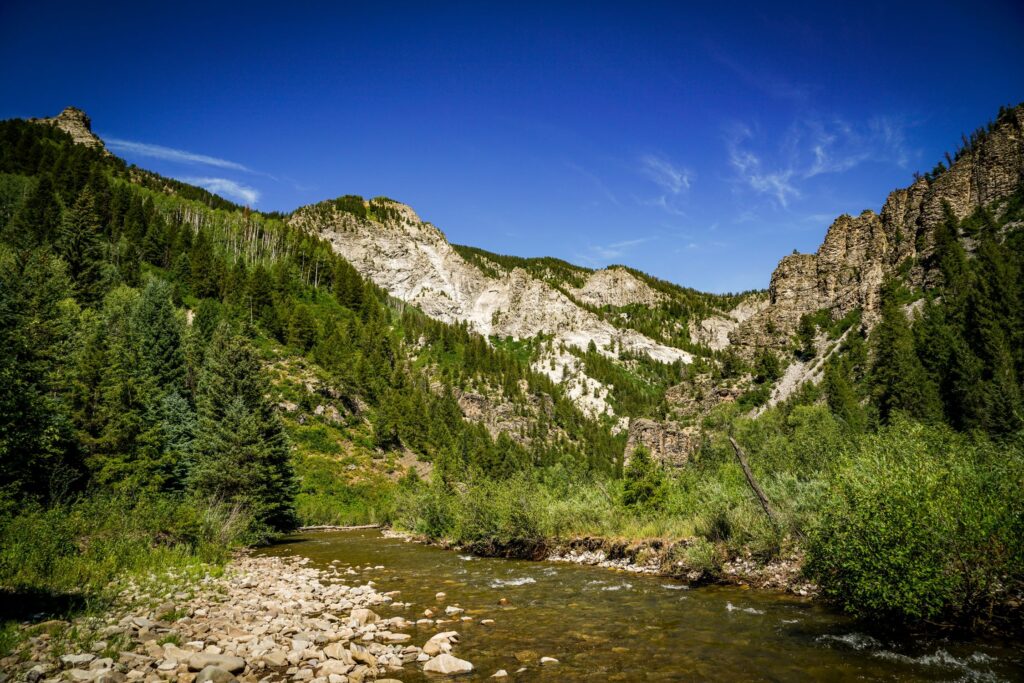
The survival of the Rio Grande is not just a human concern. The river supports a complex web of riparian life that is vital to the ecological health of the entire Southwest. The restoration of the Alamosa NWR is a testament to the fact that when we manage water for the river, we manage it for ourselves. Protecting small streams and wetlands acts as a natural buffer against the extremes of climate change, providing a sponge-like effect that mitigates the damage of both droughts and floods.
Conclusion
The San Luis Valley is currently writing a new chapter in the history of the American West. It is a story of transition from an era of water abundance to an era of water stewardship. By acknowledging the harsh realities of a warming climate and responding with a combination of ancestral wisdom (such as sheet ice) and modern market innovation (such as the rye crop shift), the Valley is positioning itself as a leader in resilience.
Water remains the lifeblood of this high-altitude desert. While the snow drought persists as a significant, near-term threat, the collaborative spirit of the San Luis Valley suggests that the region will not be defined by its scarcity, but by its capacity to adapt. For the farmers, the conservationists, and the wildlife that call the Rio Grande home, the path forward is clear: every drop counts, and every acre saved is a victory for the future of the American Southwest.
As the community continues to integrate these innovative solutions, the rest of the world is watching—not just to see if they survive, but to learn how the rest of us might thrive in a future where water is the most precious resource of all.