Across the vast, rugged landscapes of the American West, a quiet consensus has been building for over a decade. While political discourse in Washington, D.C., often centers on deep divisions, a consistent, bipartisan trend has emerged across the mountain states: Western voters are increasingly united in their commitment to protecting clean water, public lands, and the vital wildlife habitats that define the region’s character.
At the heart of this movement is a growing appreciation for the Wild and Scenic Rivers Act—a 1968 federal mandate designed to preserve the nation’s most precious waterways. Rather than a mere bureaucratic designation, this act serves as a reflection of the core values held by those who live, work, and recreate in the West. As recent polling data confirms, the protection of these rivers is no longer a niche environmental interest; it is a mainstream priority that transcends party lines.
The Evolution of Stewardship: A Chronology of Consensus
The story of river protection in the West is not a sudden phenomenon but a steady evolution of public sentiment. To understand the current momentum, one must look at the data trends spanning the last fifteen years.
- 2010–2015: The Foundations of Concern. During this period, regional surveys conducted by institutions like the University of Montana began to capture a shift in Western identity. As development pressure accelerated, voters began identifying "access" as a primary concern—access not just to trails, but to clean, free-flowing water.
- 2018–2020: The Broadening Scope. The conversation shifted from general environmental concern to specific legislative goals. Polling in New Mexico during this time revealed that over three-quarters of voters supported protecting the Gila and San Francisco Rivers. This marked a departure from abstract support to concrete, localized advocacy.
- 2023–2025: Translating Values to Policy. In May 2025, a landmark poll in eastern Idaho focused on the headwaters of the Snake River system. Despite the region having a majority-Republican electorate, the results were unequivocal: respondents prioritized fish and wildlife habitat, economic benefits of recreation, and clean drinking water as the most compelling reasons for river protection.
- 2026: The Regional Standard. The latest Conservation in the West poll from Colorado College provides a definitive snapshot of the current political climate, showing that 85% of voters across eight states view the health of public lands and water as a decisive factor in their support for elected officials.
Supporting Data: The Bipartisan Bridge
The most compelling evidence for the popularity of the Wild and Scenic Rivers Act lies in its demographic reach. Skeptics often assume that environmental protection is a partisan issue; however, the data suggests otherwise.
In the 2026 Conservation in the West survey, which covered Nevada, Idaho, Montana, Wyoming, Utah, New Mexico, Colorado, and Arizona, the results shattered the myth of the "divided West." Nearly 8 in 10 Republicans and more than 9 in 10 Democrats agreed that issues regarding public lands, waters, and wildlife are critical. This "through-line" of agreement suggests that when the conversation moves away from abstract labels and toward the tangible benefits of a healthy watershed, voters find common ground.
In Eastern Idaho, this trend was even more pronounced. In a region where two-thirds of the electorate identifies as Republican, the top-tier concerns were not ideological but practical: water pollution and the encroachment of development on riverbanks. These voters view "Wild and Scenic" designation not as a restrictive barrier, but as a safeguard for their way of life, their local economy, and their community’s long-term water security.
Defining the "Outstandingly Remarkable"
The Wild and Scenic Rivers Act was never intended to "lock away" rivers; it was designed to preserve their "outstandingly remarkable values." These include:
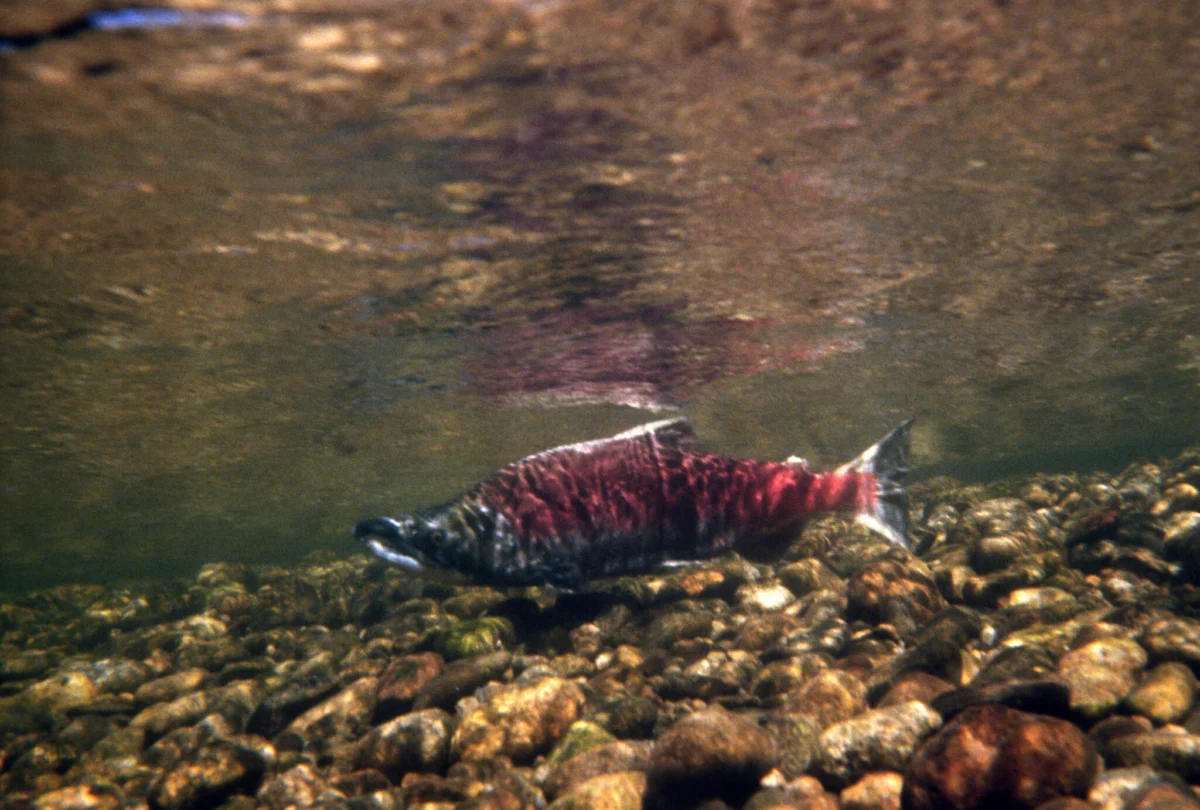
- Ecological Integrity: Protecting fish and wildlife habitats that are essential to the biodiversity of the West.
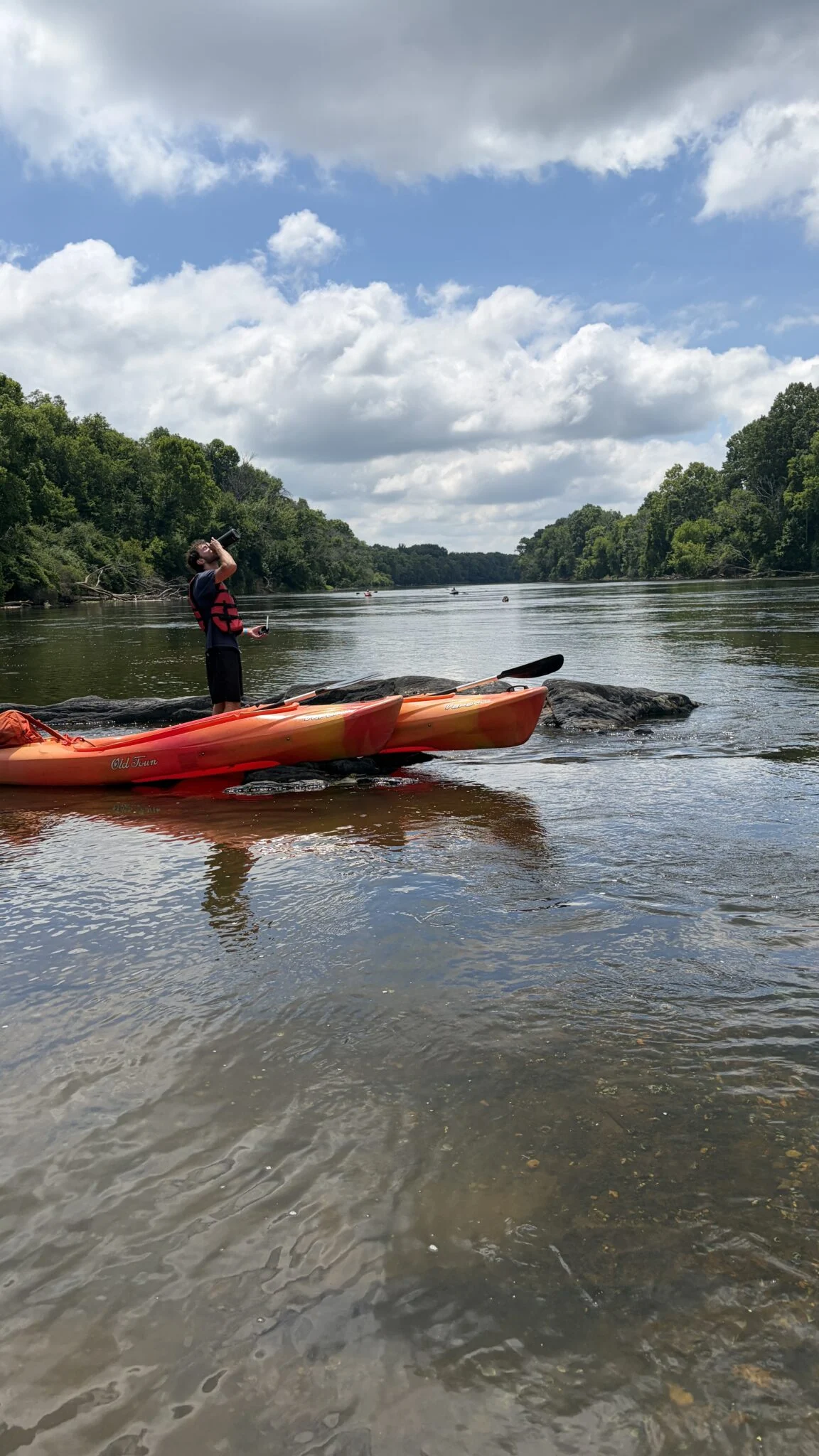
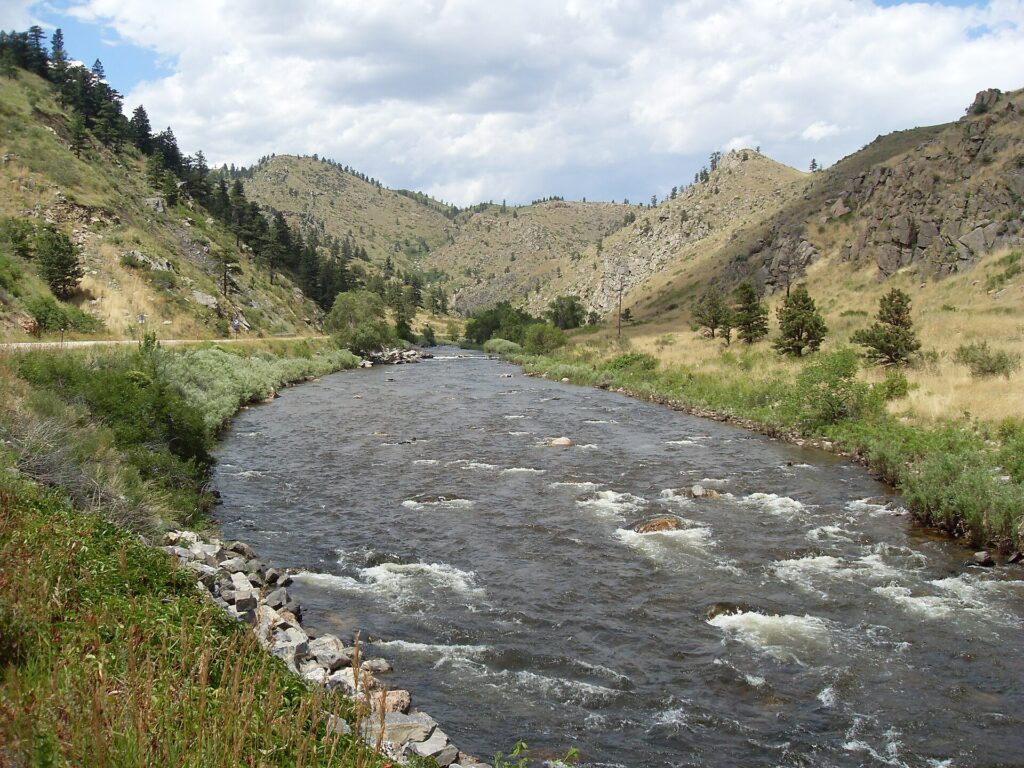
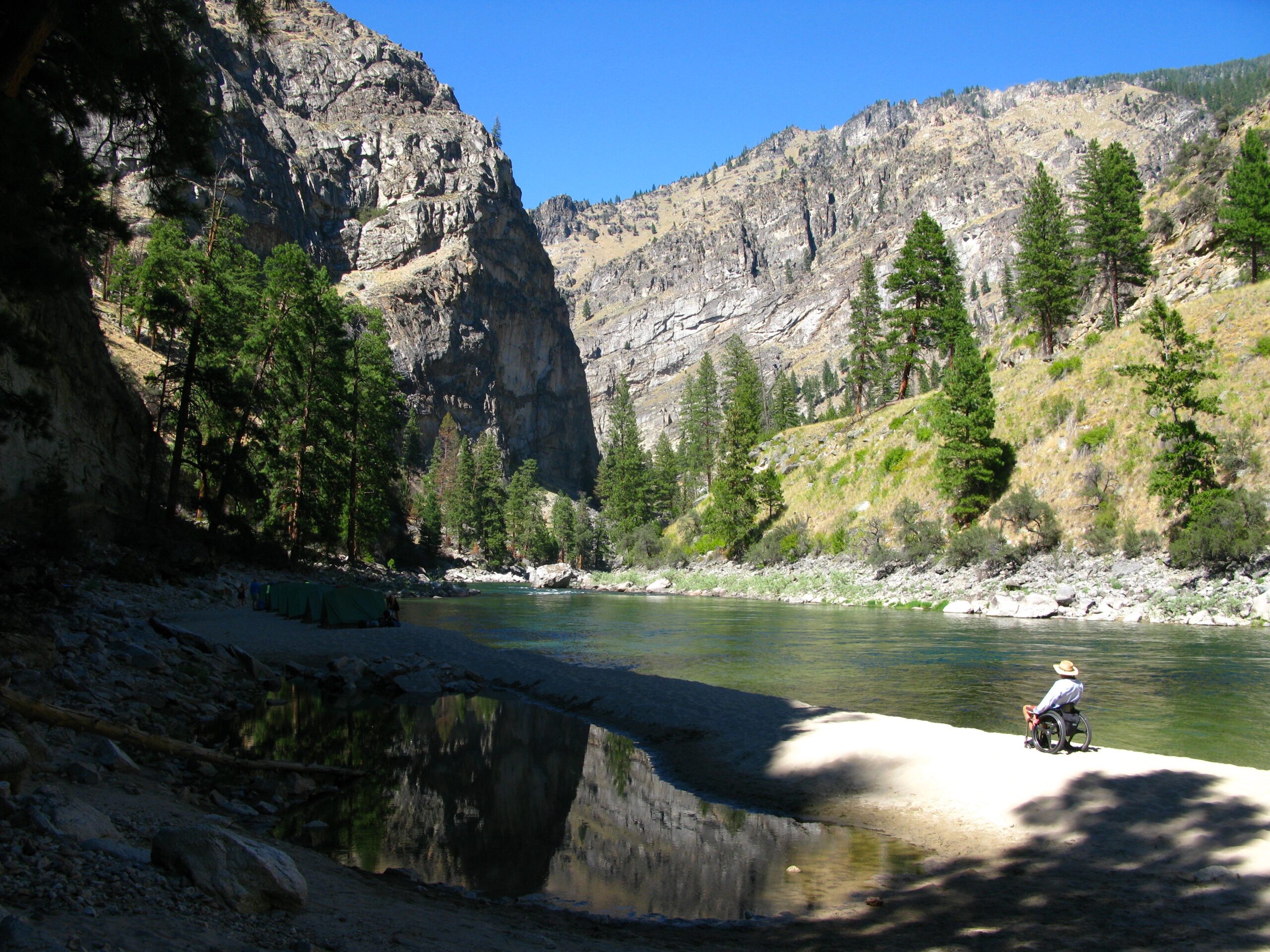
- Recreational Value: Ensuring that hunters, anglers, kayakers, and hikers have high-quality, accessible public lands.
- Cultural and Historical Significance: Recognizing the rivers as conduits of history for both Indigenous populations and early Western settlers.
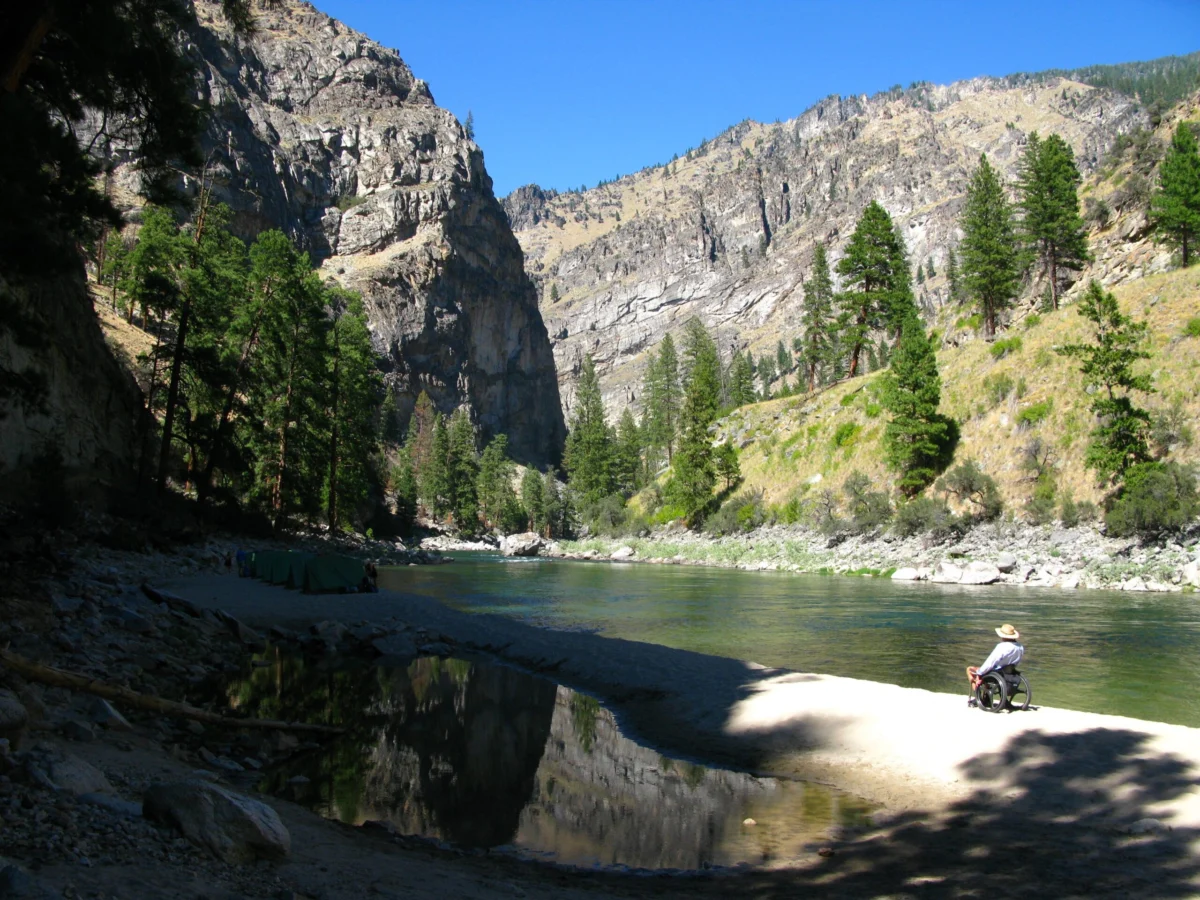
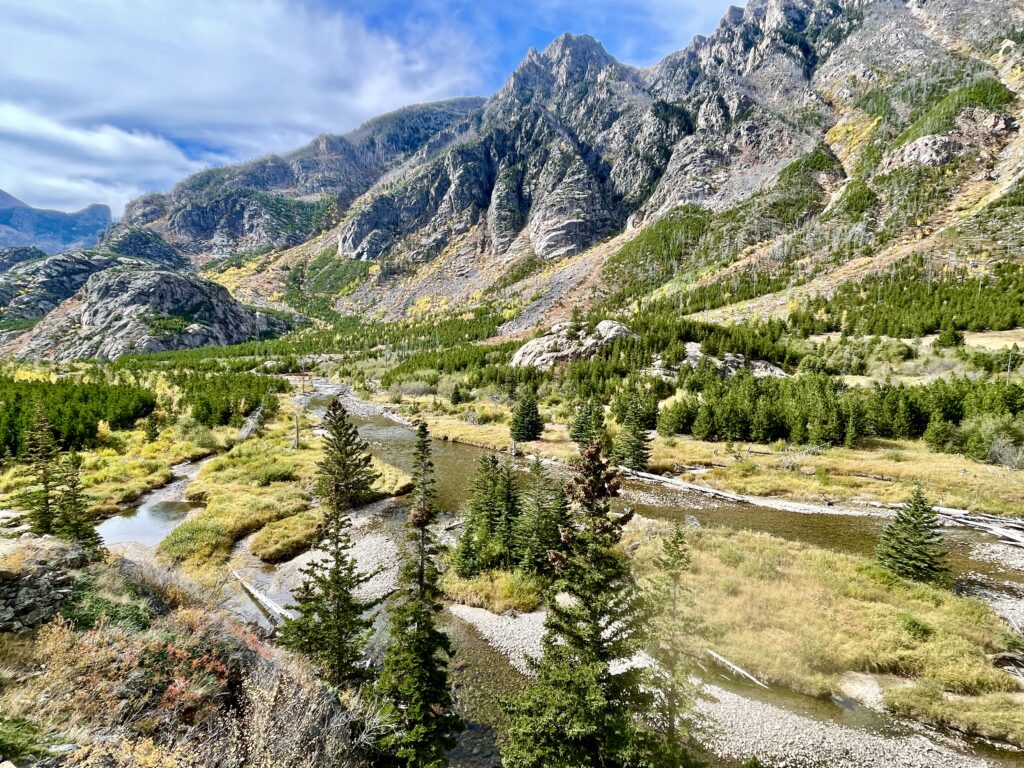
- Geological Uniqueness: Preserving the stunning canyons and riparian landscapes that define the regional aesthetic.
By focusing on these specific, measurable outcomes, the Act provides a clear framework that resonates with the practical, conservation-minded nature of Western residents.
Official Responses and Legislative Implications
The political reality is that public sentiment is currently outpacing legislative action. Several major pieces of legislation are currently pending in Congress, including the Greater Yellowstone Recreation Enhancement and Tourism Act and the M.H. Dutch Salmon Greater Gila Wild and Scenic River Act.
Proponents of these bills argue that the polling data provides a clear mandate. When voters in Montana express strong support for designating the Gallatin and Madison Rivers as Wild and Scenic, they are sending a message to their representatives that river health is synonymous with regional prosperity.
Legislative aides and policymakers are beginning to take note. The shift from "environmentalist" advocacy to "community-based" advocacy has changed the tone of congressional hearings. The argument is no longer just about the intrinsic value of nature; it is about protecting the water supply for agricultural and municipal use, ensuring the continued viability of the outdoor recreation economy, and maintaining the quality of life that attracts families to the West.
The Path Forward: Connecting Local Knowledge to National Policy
It is important to acknowledge that polling is not a replacement for the meticulous, bottom-up work of river management planning. Designating a river as "Wild and Scenic" requires deep engagement with local stakeholders, water users, and tribal nations. However, the consistent public support acts as a "green light" for the democratic process.
The "through-line" identified in recent studies demonstrates that Westerners possess a sophisticated understanding of their environment. They recognize that development is inevitable, but they also believe that some places are too valuable to be compromised. By leveraging the Wild and Scenic Rivers Act, Congress has the tools to protect these treasures.
As we look toward the remainder of the legislative session, the message from the West is loud and clear: the voters are ready for action. They have defined their priorities—clean water, thriving wildlife, and protected landscapes—and they expect their representatives to act as stewards of those values.
Conclusion: A Legacy for Future Generations
The protection of Western rivers is not just about the present; it is a long-term investment. The rivers of the West are the lifeblood of the region, sustaining everything from local economies to the health of the very air we breathe. The broad, bipartisan consensus identified in recent polling confirms that the values protected by the Wild and Scenic Rivers Act are the values of the American West itself.
As the region faces the dual challenges of climate change and rapid population growth, the need for proactive, science-based conservation has never been higher. The evidence is in, the voters have spoken, and the path to a sustainable future for the West’s waterways is clear. It is now up to those in the halls of power to ensure that these "outstandingly remarkable" rivers remain so for generations to come.