In the heart of California’s Central Valley, the San Joaquin River presents a paradoxical sight. To the casual observer, it is a river that appears alive, flowing through a tapestry of verdant farmland and historic floodplains. Yet, beneath the surface, the ecosystem is effectively starving. For much of the last century, this vital waterway has been surgically detached from the seasonal inundations that serve as the lifeblood for juvenile fish.
As native salmon and steelhead—the ocean-going rainbow trout—face the precipice of regional extinction, the scientific and conservation communities have converged on a singular, transformative solution: the San Joaquin must be reconnected to the land beside it. This is not merely an environmental preference; it is an ecological imperative for the survival of the species.
The Anatomy of a Starving River: A Chronology of Decline
The modern San Joaquin is a landscape defined by human intervention. The current state of the river is the result of nearly a century of intensive flow regulation, dam construction, and water diversion.
1942: The Friant Dam Paradigm
The most significant turning point in the river’s history arrived in 1942 with the completion of the Friant Dam near Fresno. Engineered to provide water security for a burgeoning agricultural sector and to offer flood protection for growing valley communities, the dam fundamentally altered the river’s hydrological pulse. By storing water for irrigation and diverting it into a massive network of canals, the project effectively turned off the tap for the upper reaches of the river. For decades, large stretches of the San Joaquin ran bone-dry, creating a permanent barrier to migration.
The Mid-20th Century: Severing the Floodplain
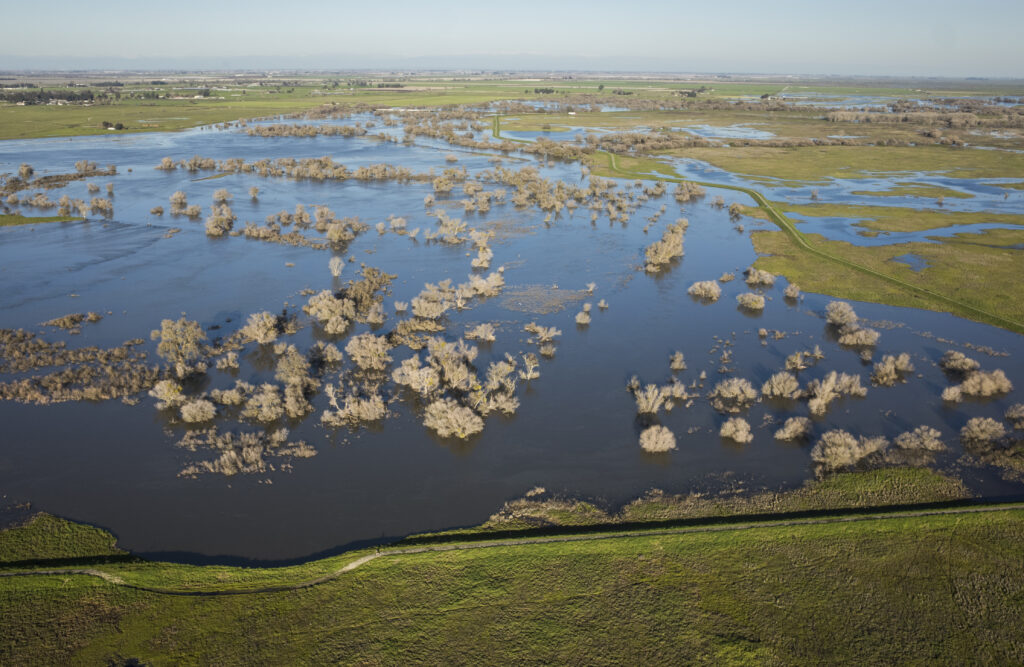
The Friant Dam was merely the most prominent chapter in a broader story of "channelization." Throughout the Central Valley, engineers pinned rivers into place using a sophisticated network of levees and concrete channels. This "taming" of the river was intended to maximize efficiency for human use, but it came at a catastrophic cost to the river’s ecological functionality. By confining the San Joaquin, the state severed its connection to the vast, sprawling floodplains that once blossomed every winter and spring.
The Disappearance of Native Runs
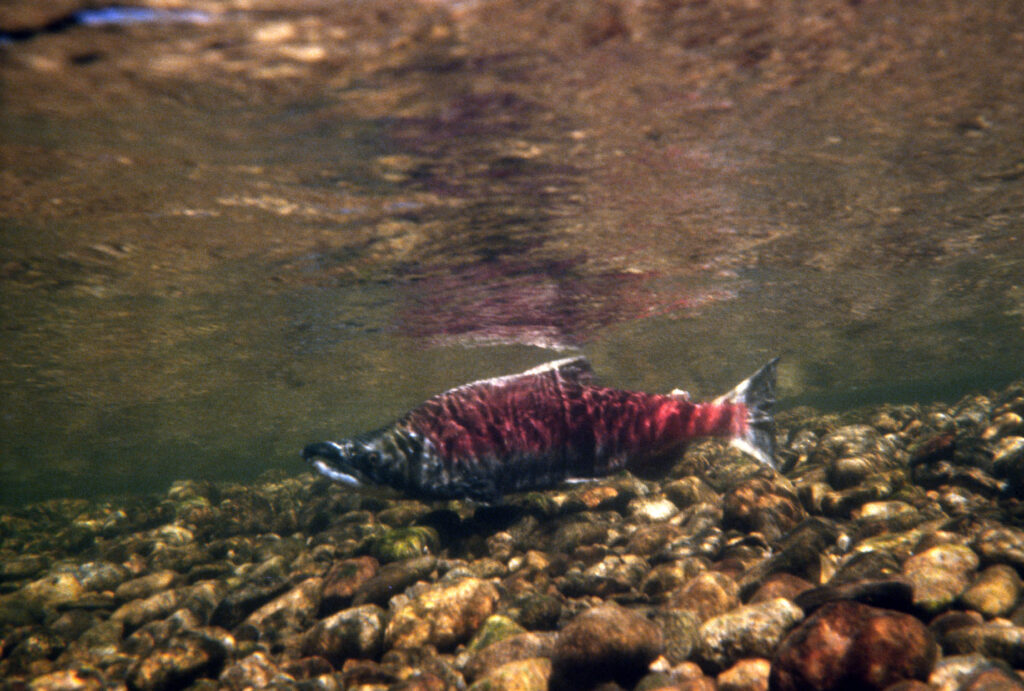
With the riverbed dry and the marshy, nutrient-rich wetlands vanished, the biological consequences were swift. Spring-run Chinook salmon and steelhead, which once thrived in the San Joaquin, were unable to spawn or rear their young. For decades, these iconic species largely disappeared from the mainstem of the river, signaling a collapse of the valley’s aquatic biodiversity.
The Science of Survival: Why Floodplains Matter
To understand why the San Joaquin is failing its salmon, one must look outside the main channel. In the river’s natural state, the shallow edges of the valley floor served as nurseries. Today, these areas are primarily designated as agricultural fields or grasslands, but their potential as habitat remains latent.
The "Cafeteria" Effect
Healthy floodplains are unique biological engines. When high flows allow water to spill out onto the flat, shallow surfaces of the valley floor, the water warms significantly faster than the deep, shaded main channel. This thermal shift, combined with sunlight penetration, triggers an explosion of life. Microbes, aquatic bugs, zooplankton, and algae flourish in these temporary shallows.
For juvenile salmon, this is the equivalent of an all-you-can-eat buffet. Scientific research across the Central Valley has consistently shown that juvenile Chinook salmon that gain access to floodplain habitat grow exponentially faster and survive at significantly higher rates than those confined to the narrow, nutrient-poor main channel. At the critical life stage when a fish’s size determines its likelihood of surviving the journey to the ocean, the floodplain is the difference between life and death.
Quantifiable Growth Rates
Recent studies on "managed floodplains"—including agricultural fields that are seasonally flooded—have confirmed the theory. These managed zones have produced some of the highest juvenile growth rates ever recorded in the region. The evidence is irrefutable: the more time a young fish spends on the floodplain, the better its prospects for survival. Consequently, the strategy of floodplain reconnection has become the cornerstone of modern salmon recovery logic in California.
Official Responses and Strategic Restoration
The restoration of the San Joaquin is a complex, multi-agency undertaking involving federal bodies, state planners, and environmental non-profits. The objective is to move beyond mere "habitat improvement" toward the restoration of functional ecological processes.
A New Management Framework
Current restoration plans, particularly those involving the San Joaquin River National Wildlife Refuge, are pioneering new methods of water management. Rather than letting the river flow blindly, scientists are actively experimenting with how floodwater is moved onto and off of restored floodplains. By mimicking natural seasonal patterns, managers can stimulate the food web at the exact moments when juvenile fish need it most.
"We are no longer just looking at the river as a pipe for water," notes a lead project scientist. "We are looking at it as a living system. Our current research is focused on how floodplain productivity directly translates into salmon biomass. We are using this data to guide adaptive management, ensuring that every acre of reconnected land delivers the maximum benefit to the fish."
The Role of Advocacy: American Rivers
Organizations like American Rivers play a critical role in bridging the gap between scientific theory and physical implementation. By partnering with local farmers, irrigation districts, and government agencies, they advocate for projects that serve dual purposes: restoring native salmon habitat while simultaneously improving water quality and mitigating flood risks for valley communities.
When a river is allowed to "spread out," it does more than feed fish; it slows down, reduces erosive energy, and recharges groundwater aquifers. This makes the restoration of the San Joaquin a win-win scenario that benefits not just the salmon, but the human communities that depend on the river’s health for their own water security.
Implications: The Path Forward
The restoration of the San Joaquin River represents a profound shift in how California manages its most precious resource. It acknowledges that the era of "control" has reached its limit and that a new era of "coexistence" is necessary.
Implications for Anglers and the Local Economy
For the fishing community, this is a long-term investment. The decline of the San Joaquin salmon runs has had a ripple effect, impacting commercial and recreational fishing economies from the Central Valley to the Pacific Coast. Restoring these runs is not just an act of conservation; it is an attempt to revitalize a heritage industry that has been stifled by the river’s degradation.
The Climate Resilience Factor
Furthermore, as California faces an increasingly erratic climate, the need for floodplains becomes more urgent. A river that can spread out is a river that can absorb the shocks of extreme weather. By reconnecting the San Joaquin to its floodplains, we are essentially building a natural shock absorber that protects homes and infrastructure from the devastating potential of extreme flood events.
Conclusion: Restoring the Pulse
The task ahead is immense. It requires the removal of barriers, the reconfiguration of existing levees, and a willingness to prioritize the biological health of the river alongside its economic utility. The San Joaquin River is not just a source of irrigation; it is a complex, living entity that requires a seasonal pulse of water to sustain the life it once supported in abundance.
By embracing the science of the floodplain, California has the opportunity to undo the damage of the 20th century and secure a future where the river—and the salmon that define it—can once again flourish. The process of reconnection is, in many ways, an act of humility, admitting that while humans built the dams, only the river knows how to build the life that feeds the valley. The journey toward a restored San Joaquin is long, but for the sake of the ecosystem, it is the only path forward.