For over half a century, the Endangered Species Act (ESA) has served as the bedrock of American conservation. Enacted in 1973 with overwhelming bipartisan support, it was designed as a "safety net" for the nation’s most vulnerable flora and fauna. By prohibiting the "harm" of protected species, the law has successfully pulled iconic creatures—such as the bald eagle and the peregrine falcon—back from the precipice of extinction.
However, a recent regulatory shift by the current administration has sparked a firestorm of controversy among conservationists, scientists, and legal experts. By narrowing the federal definition of "harm" to exclude the destruction of habitat, regulators have effectively dismantled a core pillar of the ESA. This pivot threatens to leave the most sensitive ecosystems in the United States—specifically our river networks—vulnerable to unchecked industrial degradation.
The Evolution of the Endangered Species Act: A Chronology
To understand the severity of this policy shift, one must look at the historical trajectory of the ESA.
- 1973: The Endangered Species Act is signed into law. From its inception, the Act was recognized as a proactive measure, not just a reactive one. The law explicitly aimed to conserve the "ecosystems upon which endangered species and threatened species depend."
- 1995: The U.S. Supreme Court delivers a landmark ruling in Babbitt v. Sweet Home Chapter of Communities for a Great Oregon. The Court upheld the Fish and Wildlife Service’s definition of "harm," which included "significant habitat modification or degradation." The justices affirmed that without habitat protection, the act of prohibiting the killing of a species would be functionally useless.
- 2020s: Growing pressures from extractive industries, including mining, logging, and large-scale infrastructure development, lead to intense lobbying efforts to reduce federal oversight on private and public lands.
- 2026: The administration formally revises the regulatory definition of "harm," stripping away the explicit protection of habitat. This move signals a departure from decades of scientific consensus and legal precedent, prioritizing industrial access over biological integrity.
The Freshwater Crisis: Why Rivers Are the Front Line
While terrestrial habitats are often the focus of conservation debates, freshwater ecosystems are currently facing a silent, rapid collapse. According to data from the World Wildlife Fund, freshwater species are going extinct at a rate significantly higher than their land-dwelling or oceanic counterparts.
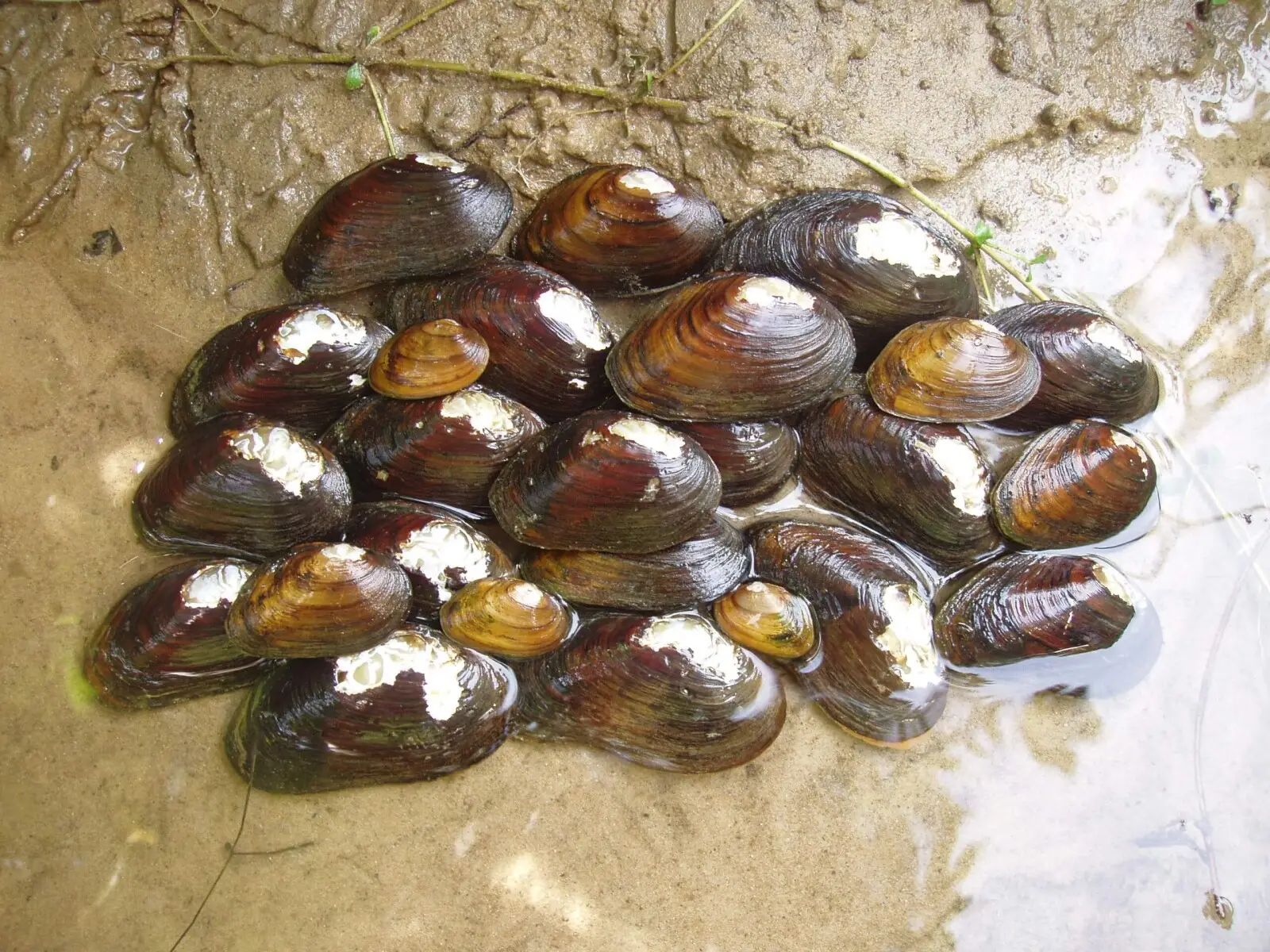
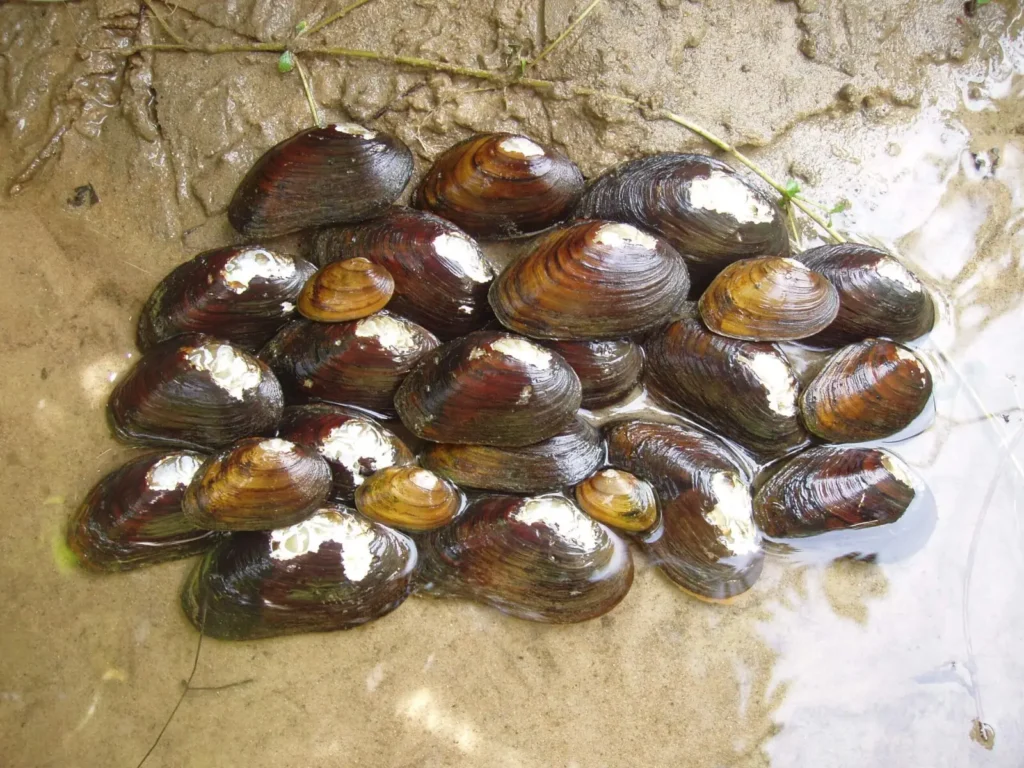
Freshwater mussels, often overlooked by the public, serve as a critical bellwether for the health of our waterways. These "breathing rocks" are not merely passive inhabitants; they are the liver and kidneys of our rivers. A single freshwater mussel can filter up to 30 gallons of water per day, scrubbing harmful pathogens like E. coli and pollutants from the current. Their complex life cycles—which often require them to "hitch a ride" on specific fish species to migrate upstream—make them exceptionally sensitive to dam construction, siltation, and chemical runoff.
When habitat protections are stripped away, these creatures have nowhere to hide. If a river is dredged, dammed, or polluted to the point of toxicity, no amount of legal protection against "direct killing" will save them. They will simply vanish.
Supporting Data: The Cost of Inaction
The numbers are stark. Approximately 25% of the world’s freshwater wildlife is currently at risk of extinction. The primary driver of this trend is habitat fragmentation and destruction.
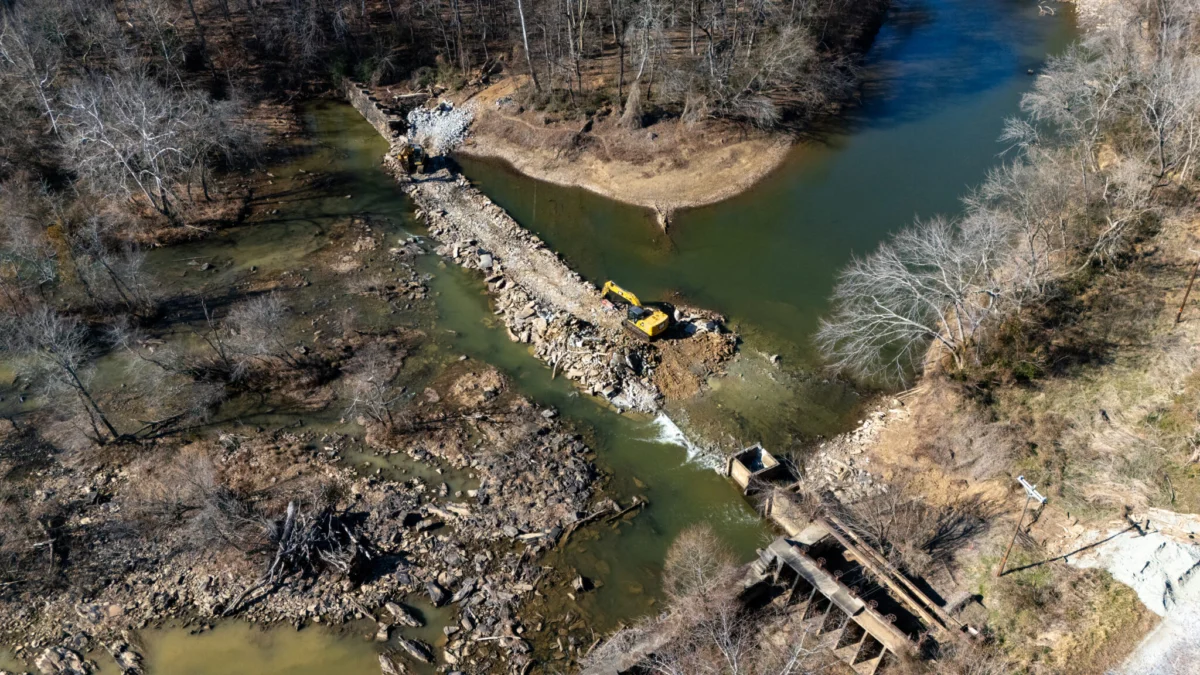
The link between habitat and survival is not merely anecdotal; it is empirically supported. The successful recovery of the Roanoke logperch stands as a testament to what is possible when habitat is prioritized. After nearly 36 years on the endangered list, the logperch was recently delisted. This success was not achieved by simply banning the harm of individual fish, but by actively restoring their environment: the removal of four obsolete dams in Virginia and North Carolina reconnected hundreds of miles of river habitat.
This case study illustrates a fundamental truth: Species recovery is synonymous with habitat recovery. By separating the two in the eyes of the law, the administration is effectively choosing to ignore the physical reality of biological survival.
Implications: A Vulnerable Future
The redefinition of "harm" creates a "dead zone" for regulatory enforcement. Under the new guidelines, if an extractive project destroys a spawning ground or a critical nesting site, it may no longer trigger the federal oversight required to stop the project or mandate mitigation.
The Erosion of Science-Based Policy
The scientific community has responded with profound concern. For decades, the Fish and Wildlife Service has relied on the understanding that habitat is the fundamental unit of conservation. By discarding this, the administration is inviting a surge in industrial activity in previously protected riparian zones.
Increased Litigation and Uncertainty
This policy change is likely to trigger a wave of litigation. Environmental groups are already preparing to challenge the administration in court, arguing that the new definition violates the original intent of the ESA. This creates an atmosphere of regulatory uncertainty, where developers may rush to capitalize on the new rules, only to face years of legal battles that could stall projects indefinitely.
The Loss of Ecosystem Services
The economic implications of this policy shift are rarely discussed but are profound. Healthy rivers provide natural water filtration, flood control, and recreational value. As freshwater mussels and other species disappear, these natural "ecosystem services" degrade, potentially costing taxpayers millions in water treatment and infrastructure repairs.
Official Responses and the Path Forward
Government officials who support the change argue that the move is intended to "reduce regulatory burden" and provide "clarity" for landowners. They suggest that the previous definition of harm was overly broad and hindered economic growth.
However, conservationists argue that this is a false dichotomy. "Protecting habitat doesn’t mean stopping all development," says one advocate. "It means being smart about where we build and ensuring that the life-sustaining elements of our rivers—the water quality, the flow, and the physical environment—are not sacrificed for short-term gain."

The urgency of this moment cannot be overstated. With climate change already stressing freshwater systems through increased drought and temperature spikes, the added pressure of habitat destruction may be the final blow for many species.
Conclusion: A Call to Action
The Endangered Species Act was meant to be a legacy for future generations—a promise that we would not allow the natural wonders of our nation to be erased for the sake of temporary convenience. By removing habitat from the definition of "harm," we are breaking that promise.
The fate of species like the James River Spinymussel and the Eastern Hellbender is not yet sealed, but the window of opportunity is closing. To reverse this trend, local, state, and federal agencies must recommit to a common goal: the protection and restoration of the habitats that support life.
Conservation is not a passive act. It requires the active, vocal support of the public. If we allow the infrastructure of our environmental laws to be dismantled, we lose more than just species—we lose the resilience of the very ecosystems that sustain us. It is time to speak up for those that cannot speak for themselves, to demand that habitat remain at the center of the Endangered Species Act, and to ensure that our rivers remain living, breathing arteries of American life.
How will we answer when the next generation asks why their rivers are empty? We must act now to ensure the answer is not, "Because we chose to stop protecting them."