In the heart of California’s Central Valley, the San Joaquin River presents a paradox. To the casual observer, it is a flowing waterway winding through expansive farmland and historic floodplain geography. Yet, beneath the surface, it is a river in the midst of a silent, century-long starvation. For decades, the lifeblood of this river—the seasonal pulses of water that connect the main channel to the lush, nutrient-rich valley floor—has been severed.
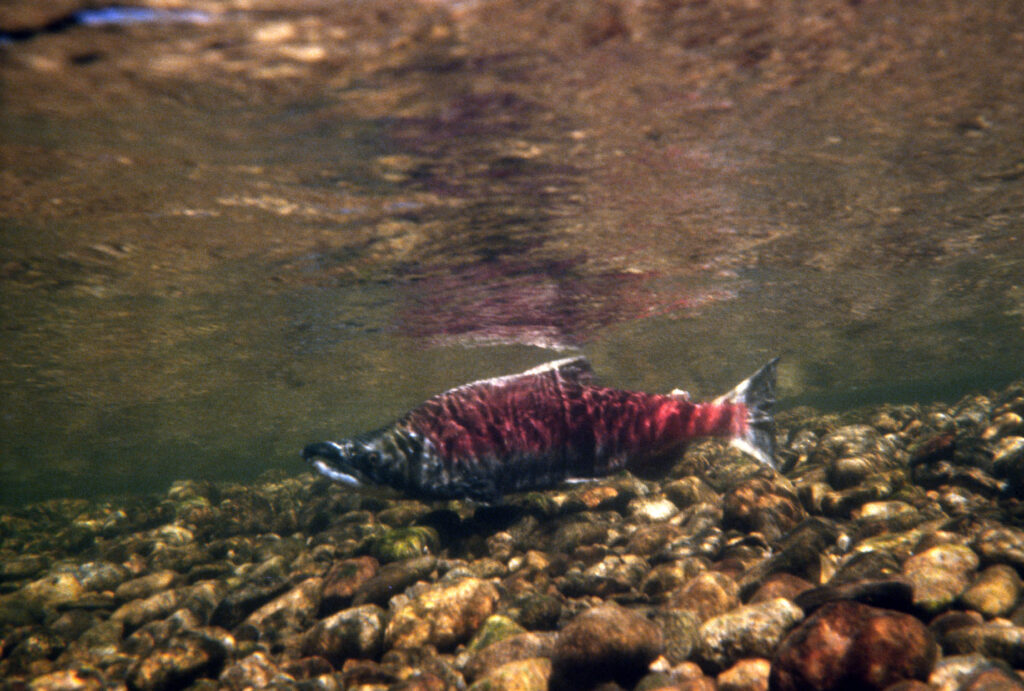
This disconnection has brought native salmon and steelhead populations to the brink of collapse. As researchers and conservationists struggle to reverse these trends, the scientific consensus has converged on a single, imperative strategy: the river must be reconnected to the land beside it. Restoring the natural relationship between the San Joaquin and its floodplains is no longer just an environmental goal; it is a prerequisite for the survival of the species that define the region’s ecological heritage.
The Chronology of Decline: From Abundance to Artificiality
The modern state of the San Joaquin River is the result of nearly a century of intensive engineering and water management. Before the era of mass dam construction, the river was a dynamic, wandering system. Each winter and spring, snowmelt from the Sierra Nevada triggered natural flooding, spreading nutrient-rich water across the valley floor. These floodplains served as the primary "nursery" for juvenile salmon, providing a buffet of aquatic insects and the safety of shallow, sheltered waters.
A Timeline of Transformation
- Pre-1940s: The San Joaquin functioned as a sprawling, braided river system. Floodplains remained connected, allowing fish to utilize thousands of acres of wetlands during migration and rearing cycles.
- 1942: The completion of the Friant Dam near Fresno fundamentally altered the river’s hydrology. Designed for irrigation storage and flood control, the dam effectively cut off the flow of water to the lower reaches of the river.
- 1950s–1980s: This era marked a period of intensive levee construction and channelization. Rivers across the Central Valley were "pinned" into deep, narrow trenches to protect agricultural investments. This eliminated the natural seasonal access to the floodplains, isolating the main channel from its biological heart.
- 1990s–2010s: As spring-run Chinook salmon and steelhead populations plummeted, disappearing entirely from vast stretches of the mainstem, the environmental cost of these policies became impossible to ignore. Legal challenges and regulatory shifts began to prioritize the restoration of flows.
- Present Day: The current restoration efforts focus on "reconnection," utilizing adaptive management to allow floodwaters to re-enter managed landscapes, creating a hybrid model of flood control and environmental stewardship.
Supporting Data: Why Floodplains Matter
The argument for reconnection is not merely philosophical; it is grounded in a rigorous body of data collected over the last three decades. The evidence demonstrates that the main river channel, while essential for migration, is a "biological desert" compared to the high-productivity zones of a floodplain.
The Science of Survival
When water spreads over a floodplain, the biological response is immediate. The shallow depths allow sunlight to penetrate, warming the water and triggering a "bloom" of aquatic life. Microbes, algae, and zooplankton proliferate in these warmer, sun-drenched environments.
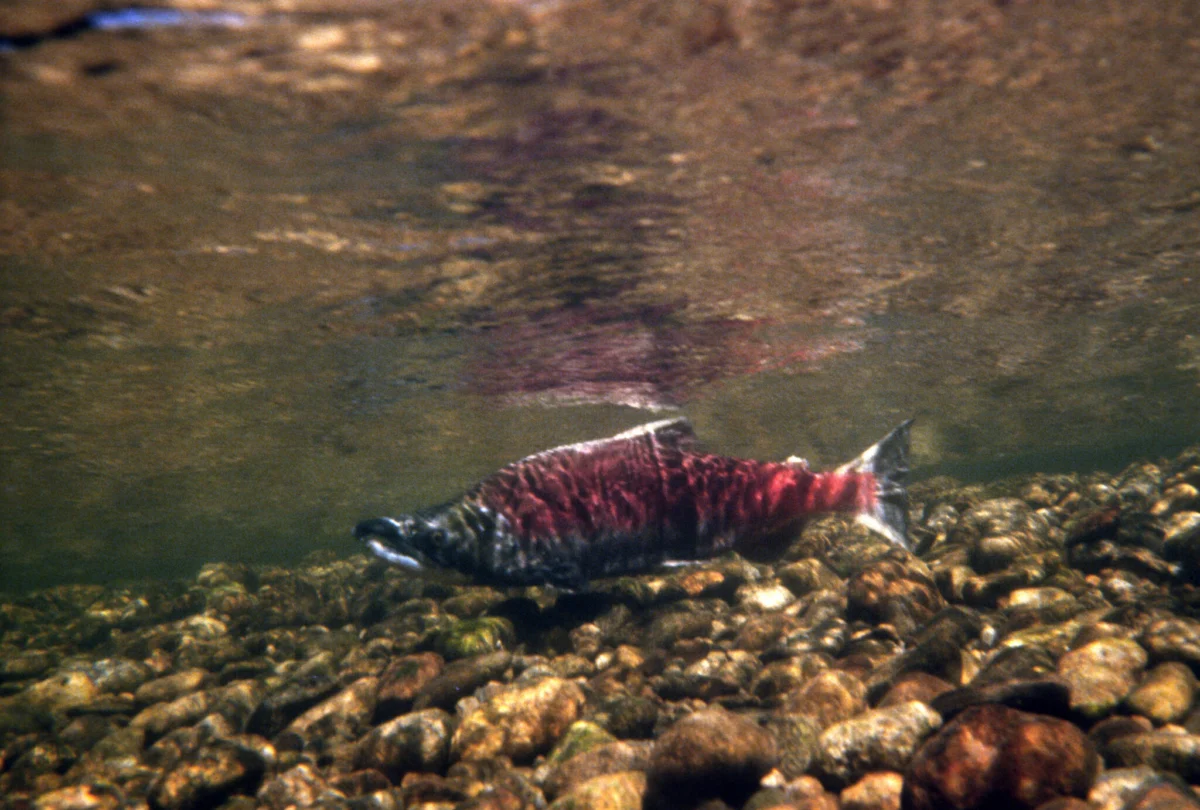
- Growth Rates: Studies have consistently shown that juvenile Chinook salmon that gain access to floodplain habitat exhibit significantly higher growth rates than their counterparts trapped in the main channel.
- The "Size Advantage": In the perilous journey toward the Pacific Ocean, size is the primary determinant of survival. Larger, healthier fish are better equipped to evade predators and navigate the complex, often polluted waters of the Sacramento-San Joaquin Delta.
- Biomass Potential: Recent research on seasonally flooded agricultural fields has provided a "proof of concept." By mimicking natural flood patterns, scientists have recorded some of the fastest juvenile growth rates ever documented in the region.
These findings are currently being integrated into programmatic planning. Scientists are actively mapping how specific levels of floodplain productivity correlate with juvenile Chinook biomass, creating predictive models that allow managers to time water releases to maximize the biological benefit.
Official Responses and Strategic Management
The shift in strategy has required a delicate balancing act between water agencies, agricultural stakeholders, and conservationists. Organizations like American Rivers have emerged as key intermediaries, working to ensure that the restoration of habitat also serves to mitigate flooding risks for human communities.
The Role of Managed Reconnection
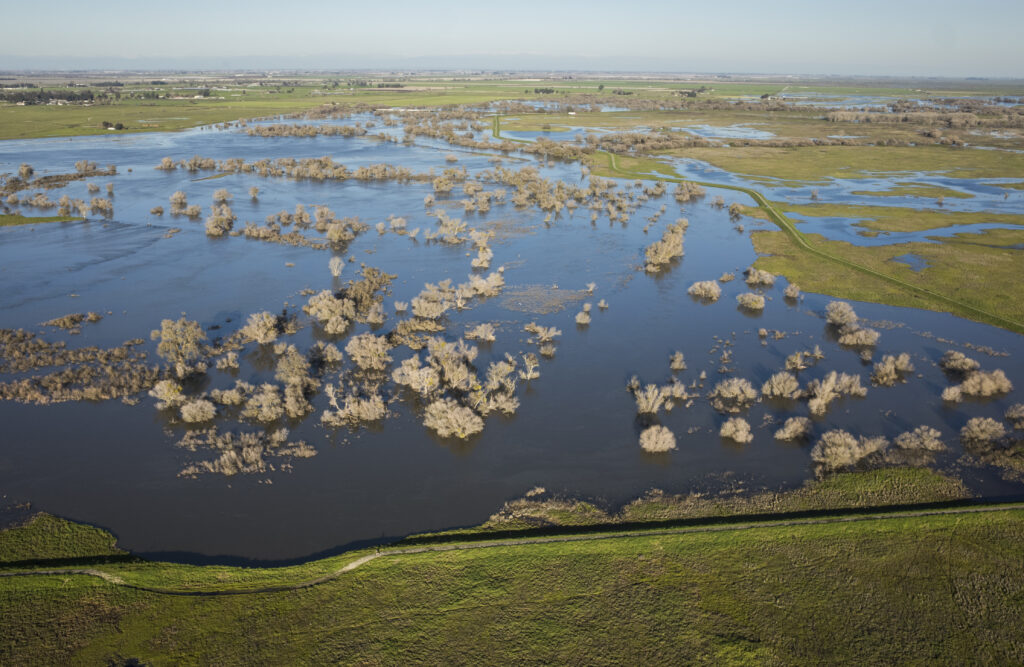
Governmental agencies and NGOs are now moving away from "hard" engineering (concrete levees) toward "soft" solutions that allow for controlled flooding. The San Joaquin River National Wildlife Refuge serves as a primary laboratory for this work. At the refuge, managers are testing sophisticated water-control structures that allow for the intentional diversion of water onto restored floodplains during peak runoff periods, effectively turning farm fields into temporary, high-productivity fish nurseries.
"We are not looking to return to a pre-1942 landscape," explains a lead researcher on the project. "We are looking to implement a functional, managed system that provides the same biological outcomes as a natural system, within the constraints of our modern water infrastructure."
The consensus among stakeholders is that restoration must be "multi-benefit." By reconnecting the river, managers are not only creating habitat for native fish and species like the Sacramento splittail, but they are also reducing the pressure on downstream levees by providing more surface area for water to spread out, thereby lowering flood risks for nearby towns and farms.
Implications: The Path Toward Recovery
The path forward for the San Joaquin is arduous, yet the implications of failure are clear. If the river remains a sterile, disconnected channel, the extinction of native salmon runs in this region will likely be permanent. Conversely, successful reconnection offers a blueprint for how California can balance its massive agricultural economy with the health of its natural resources.
The Economic and Cultural Stakes
For anglers, the restoration of the San Joaquin is a matter of long-term economic and cultural viability. Healthy fish populations are an indicator of a healthy watershed, which in turn supports the water quality and recreational value of the region. Furthermore, the "restoration economy"—which includes the engineering, construction, and monitoring of floodplain projects—is creating new jobs and technical opportunities in the Central Valley.
Looking Toward a Resilient Future
The restoration of the San Joaquin is a test case for climate resilience in the American West. As weather patterns become more volatile, the need for floodplains to act as "sponges" becomes critical. By allowing the river to interact with the landscape, we are creating a more flexible system that can absorb the shocks of extreme weather while providing the environmental conditions necessary for life.
The story of the San Joaquin is shifting from one of decline to one of potential restoration. It is a story that requires patience, significant investment, and a fundamental change in how we perceive the land. We have spent a century trying to pin the river to the ground; the next century must be defined by our willingness to let it breathe again.
In the final analysis, the recovery of the salmon and steelhead is a proxy for the recovery of the valley itself. As the river reconnects with its floodplains, it reconnects with its history, offering a chance for both nature and the communities that depend on it to thrive in a more sustainable, balanced future. The river is starving no more; it is, slowly and deliberately, being fed once again.