As the calendar turns to July, the United States is facing a meteorological crisis of historic proportions. An expansive and unrelenting atmospheric phenomenon, known as a "Heat Dome," has settled over the central and eastern portions of the nation, creating a thermal feedback loop that threatens to shatter temperature records and place millions of residents in harm’s way. With the Independence Day holiday approaching—a time typically reserved for outdoor gatherings, parades, and community celebrations—meteorologists are warning of life-threatening conditions that could last well into next week.
The Meteorological Mechanism: What is a Heat Dome?
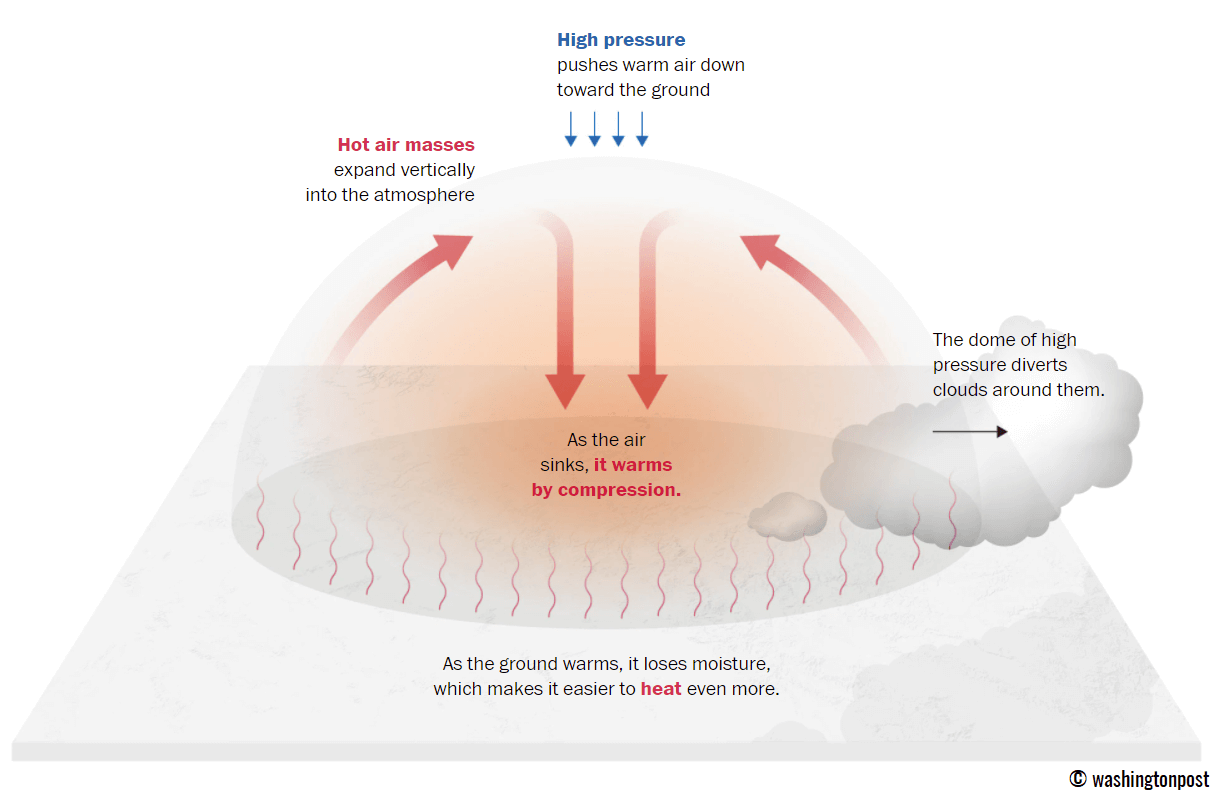
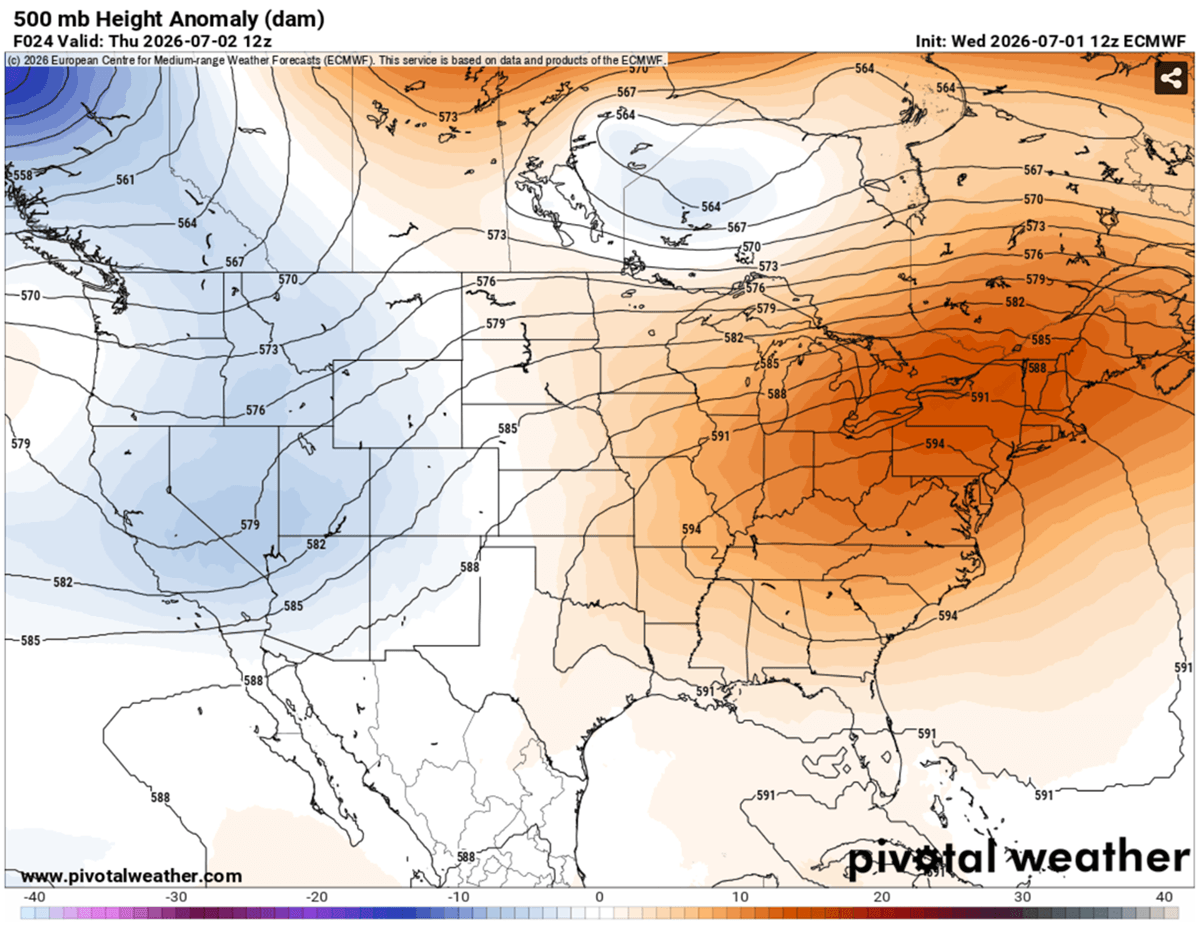
To understand the severity of the current situation, one must first grasp the mechanics of a Heat Dome. In meteorological terms, this is an area of high-pressure air that essentially "parks" itself over a large geographic region. It acts much like a lid on a boiling pot; it traps warm air at all levels of the atmosphere, preventing the normal convective cooling that would otherwise disperse the heat.
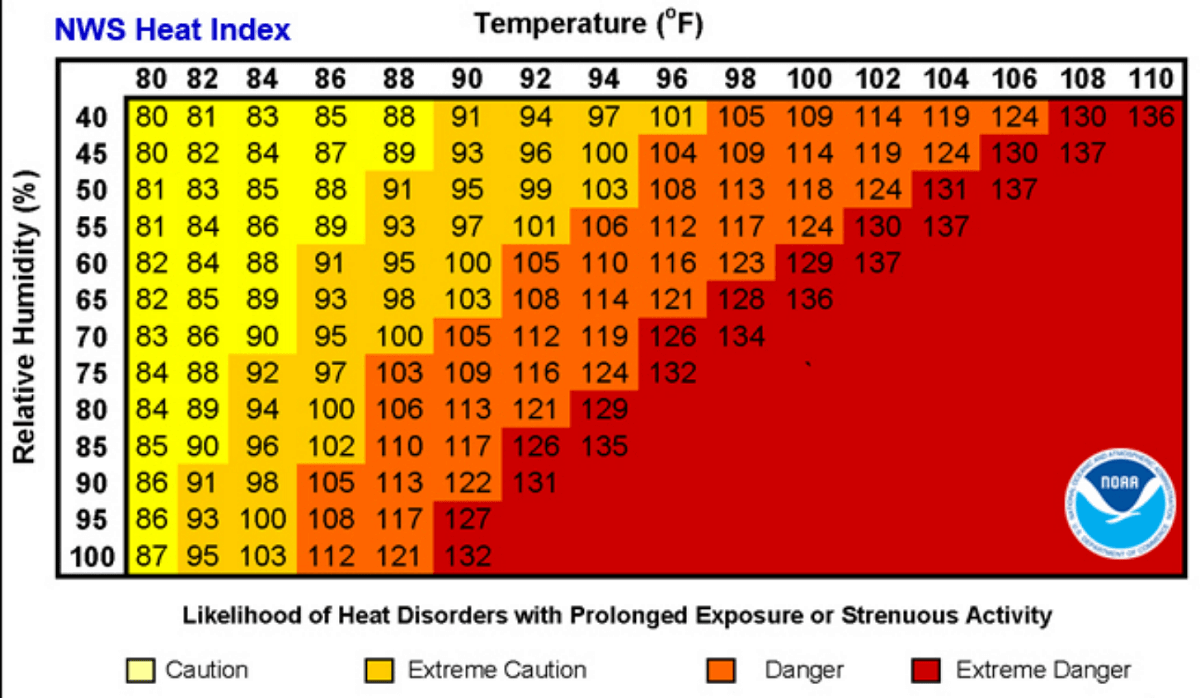
As the high-pressure system intensifies, it creates a feedback loop. The subsiding air—air that is sinking toward the ground—compresses and warms significantly. This process, known as adiabatic heating, causes temperatures to soar at the surface. Because the dome is geographically static, the heat has nowhere to escape, causing the air mass to grow progressively hotter with each passing day. When coupled with high humidity, this creates an environment where the "feels-like" temperature, or Heat Index, can soar to levels that the human body is physiologically incapable of regulating.
A Chronology of the Crisis: From Mid-Week to the Fourth of July
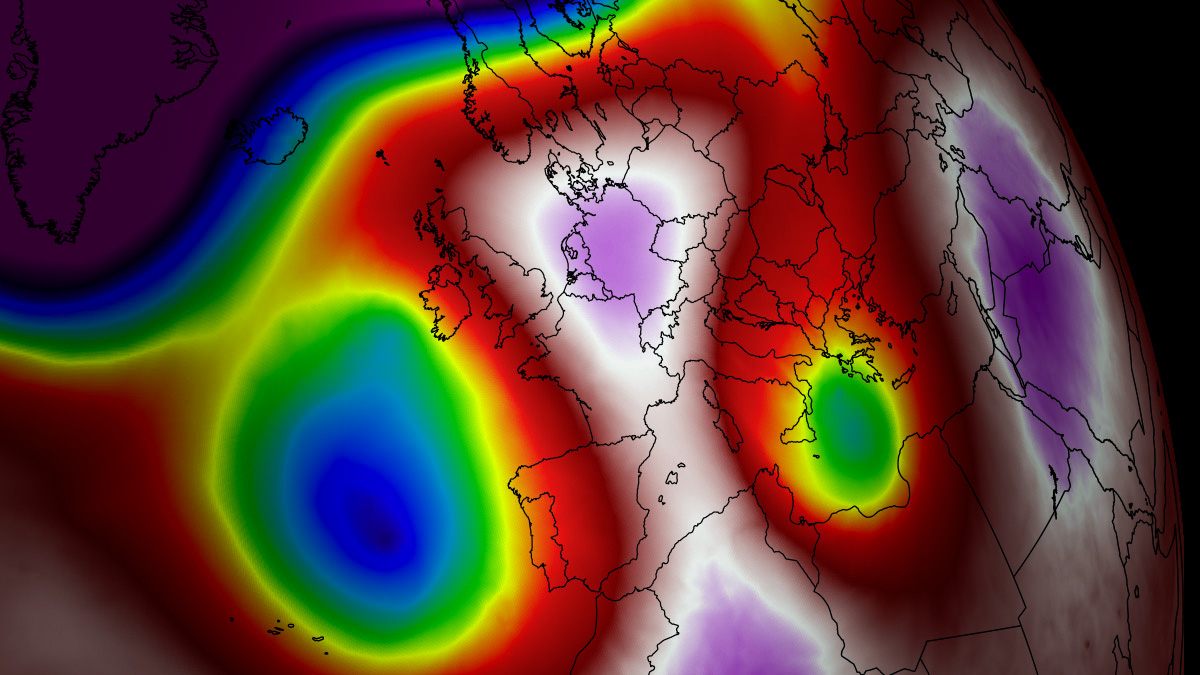
The current pattern began to manifest earlier this week, with a deep upper-level wave emerging into the Pacific Northwest and the western United States. To the east, a broad area of high pressure began to develop and solidify. By the time this system fully locked into place, it had formed a robust Heat Dome aloft, creating a stable, high-intensity ridge.
Thursday and Friday: The Onset
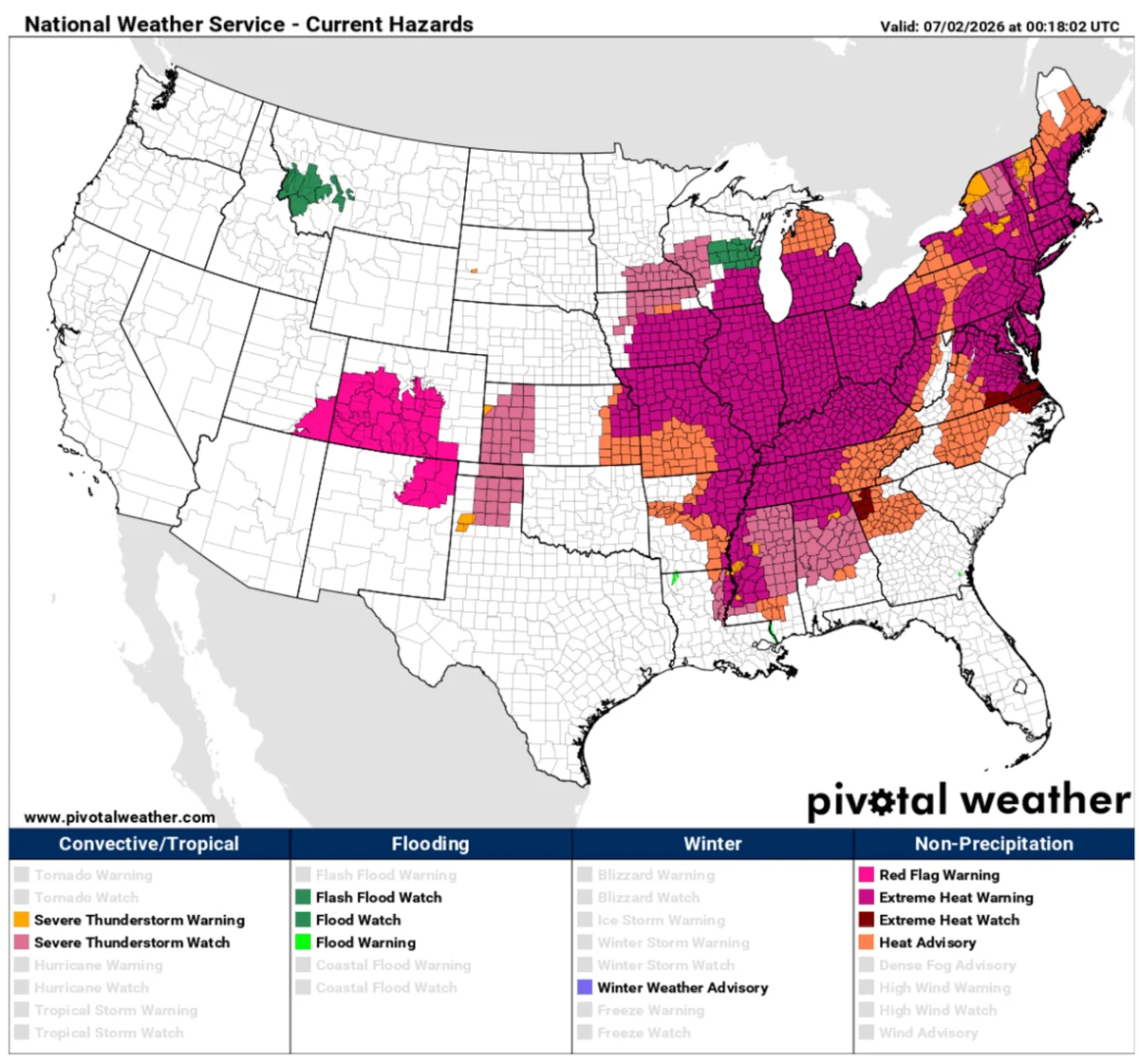
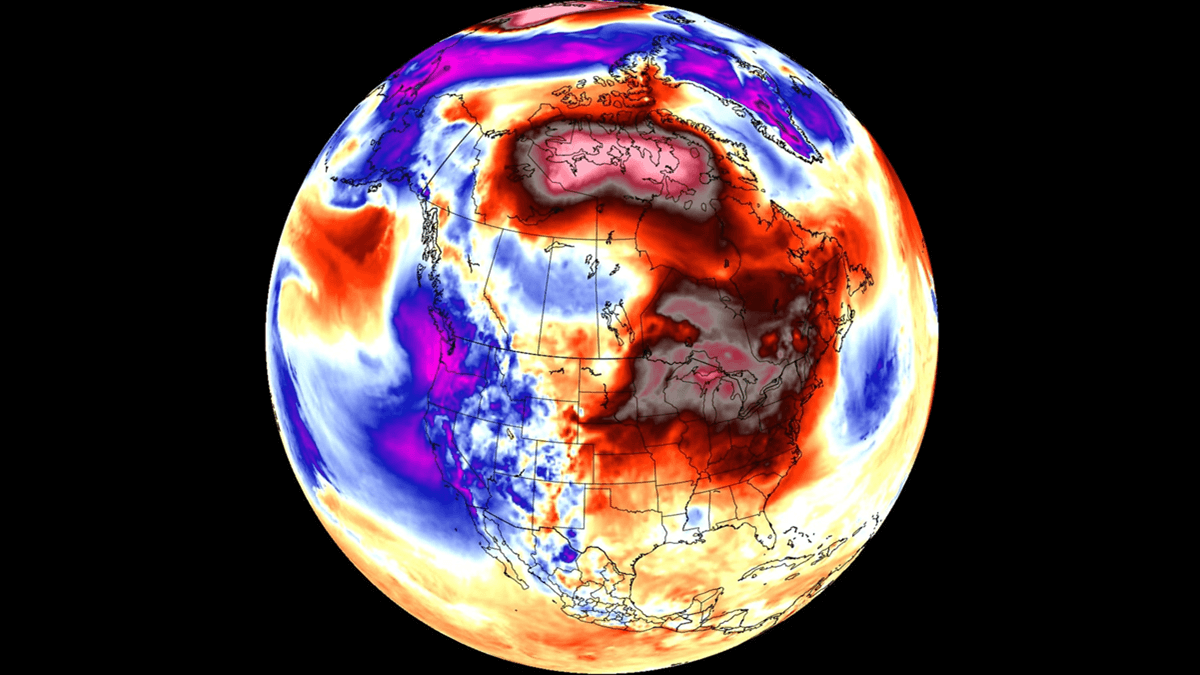
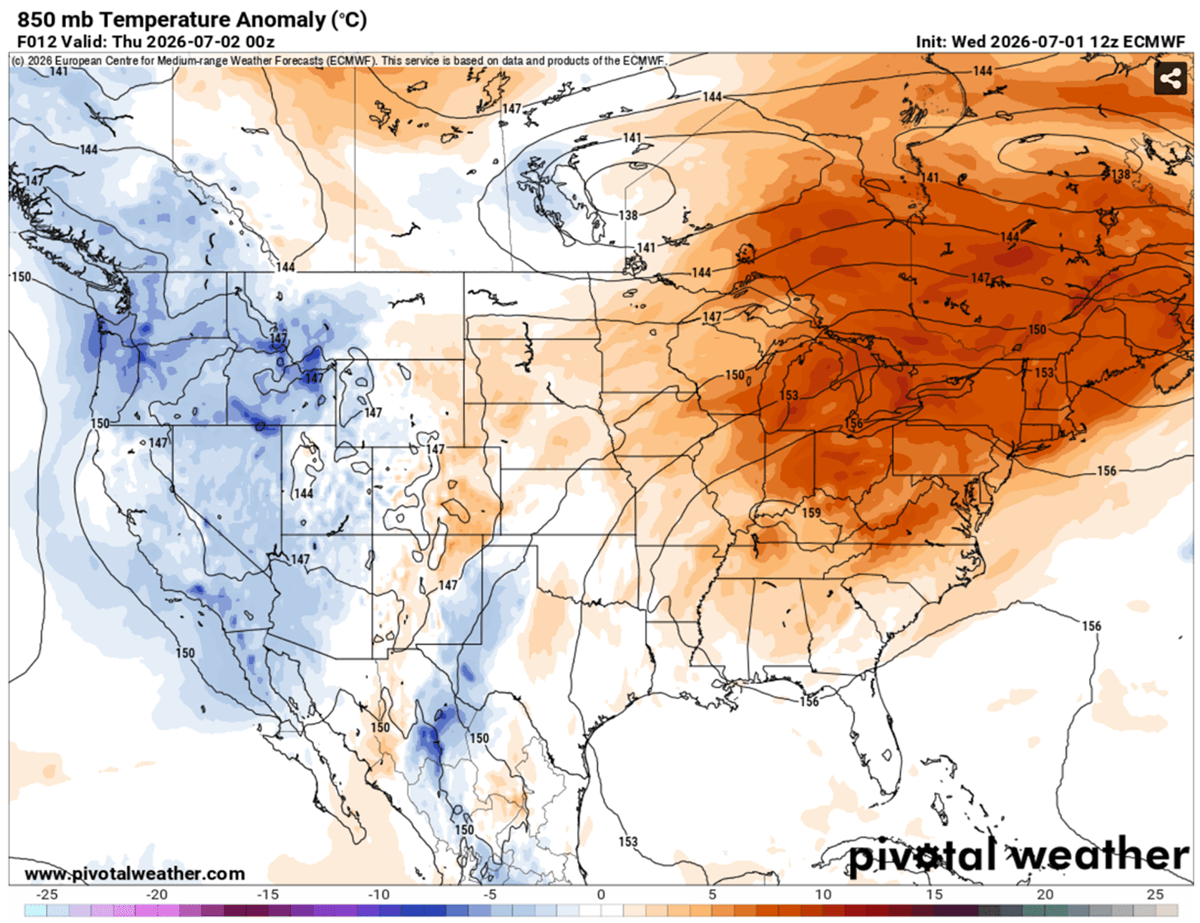
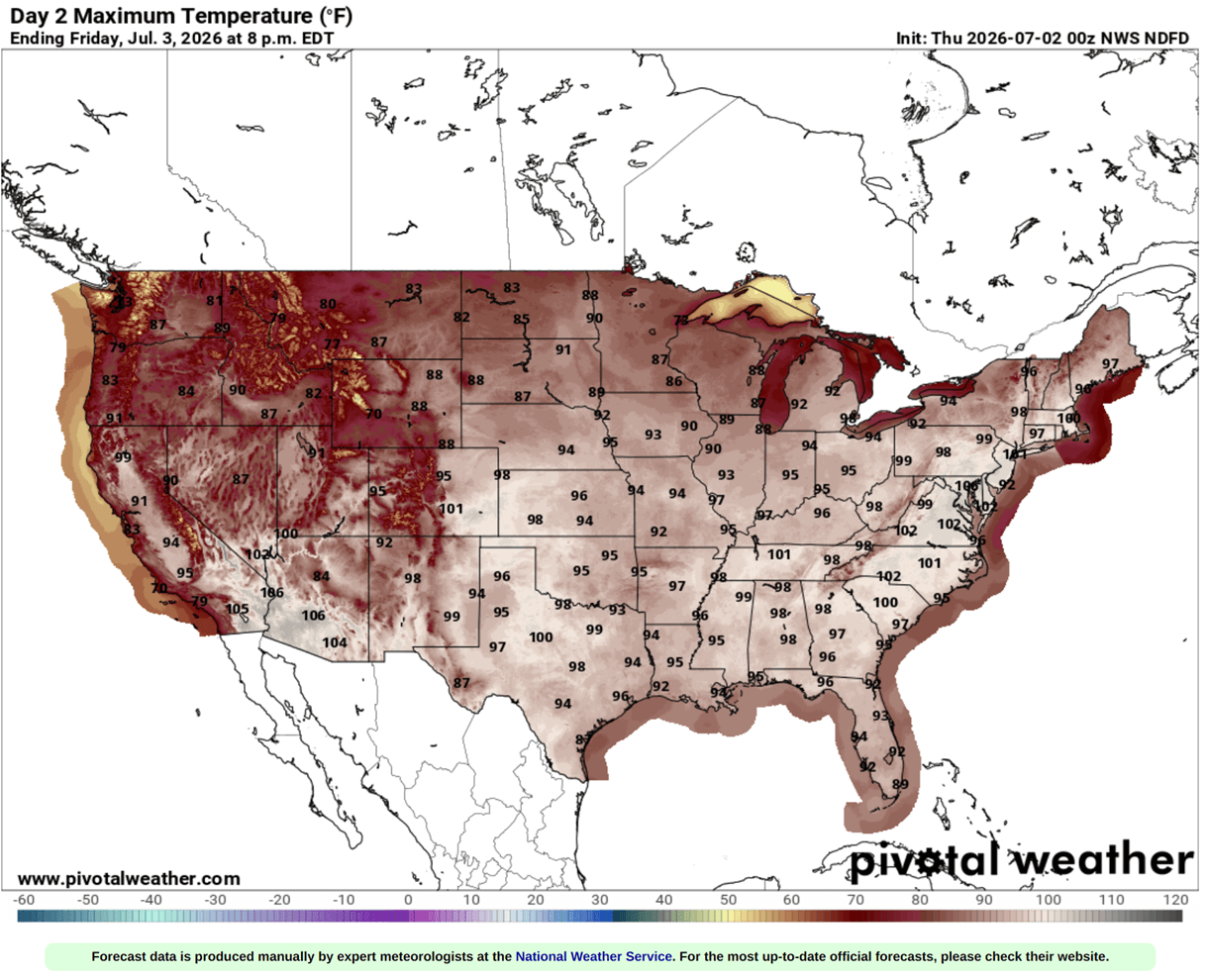
As of Thursday, the most intense anomalies began spreading across the central U.S., the Midwest, the Great Lakes, and the Northeast, extending into eastern Canada. Meteorological models indicate that temperature anomalies in these regions are reaching 10°C to 15°C (18°F to 27°F) above normal at the 850 mbar level. By Friday, surface temperatures in many regions had already climbed into the mid-90s, with localized pockets pushing toward 100°F.
The Independence Day Weekend: The Peak
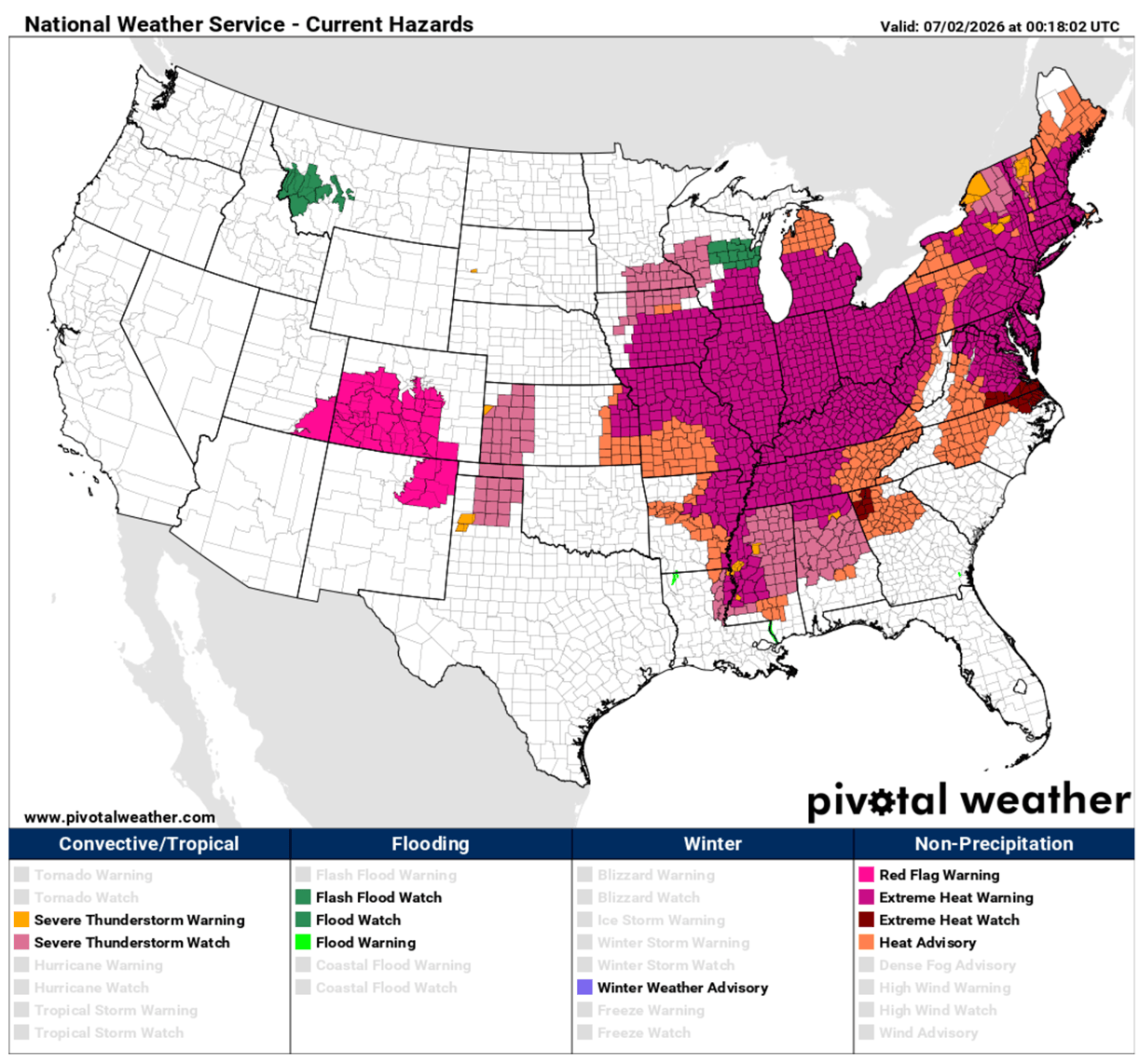
The situation is forecast to reach a critical crescendo over the Fourth of July weekend. Major metropolitan corridors, including the I-95 stretch—New York City, Philadelphia, and Washington, D.C.—along with Midwest hubs like Chicago, Detroit, and St. Louis, are expected to bear the brunt of the heat. With daytime highs projected to hit 100°F and beyond, the Heat Index is expected to flirt with the 115°F mark in several states.
The "Overnight Trap"
One of the most dangerous aspects of this specific event is the lack of nighttime relief. Typically, temperatures drop after sunset, allowing the human body and building materials to cool. However, because of the stifling humidity and the urban heat island effect—where concrete and asphalt retain heat—overnight lows are struggling to dip below 75°F or 80°F. This prevents the human body from recovering from the heat stress accumulated during the day, significantly increasing the risk of heat exhaustion and heat stroke.
Supporting Data: By the Numbers
The scale of this event is unprecedented. More than 200 million Americans are currently under some form of heat-related advisory. The data paints a stark picture:
- Geographic Reach: More than two-thirds of the contiguous United States is currently experiencing the influence of the Heat Dome.
- Temperature Anomalies: The core of the heat mass is showing readings consistently 10–15°C above seasonal averages.
- Heat Index: Many areas will experience a perceived temperature of 110°F to 115°F, driven by high relative humidity.
- Population Exposure: Approximately 230 million people are expected to face daily highs exceeding 90°F.
- Record Potential: Meteorologists anticipate that over 100 daytime heat records could be challenged or broken across the nation by the conclusion of the holiday weekend.
Official Responses and Grid Infrastructure Challenges
The severity of the heat has forced federal and state authorities to take immediate, proactive measures. The primary concern is the electrical grid. As residential and commercial air conditioning units run at maximum capacity, the electricity baseload demand has reached record-breaking levels, threatening to overwhelm regional power networks.
In an effort to prevent "cascading blackouts"—where the failure of one node triggers a systemic collapse—government directives have been issued to temporarily bypass specific environmental restrictions. These directives allow power plants to operate at maximum capacity, often by utilizing emergency backup diesel generators that might otherwise be restricted under normal regulatory conditions.
State and local emergency management agencies have also opened cooling centers, issued mandatory water conservation protocols, and urged citizens to check on the elderly and those living in vulnerable, heat-trapping housing, such as buildings with poor insulation or excessive concrete surfaces.
Implications for Public Health and Safety
The implications of such a sustained, high-intensity heat event are profound. The human body operates within a narrow thermal range; once that range is exceeded for extended periods, the risk of cardiovascular and respiratory failure rises sharply.
Vulnerable Populations
The elderly, young children, and those with pre-existing chronic conditions (such as heart disease or asthma) are at the highest risk. However, this heatwave also presents a significant occupational hazard. Agricultural workers, construction crews, and those in the logistics and transport sectors—who must work outside regardless of the weather—are facing extreme dangers.
Public Gatherings and Logistics
The timing of the Heat Dome poses a unique logistical challenge. The Fourth of July is a weekend of intense social activity. With major FIFA World Cup matches and traditional outdoor parades and fireworks displays scheduled, health officials are pleading with the public to rethink their plans. The physical exertion required for sports, combined with the standing crowds at public events, creates the perfect storm for mass-casualty heat emergencies.
Wildlife and Agriculture
Beyond human health, the agricultural sector is bracing for significant losses. Livestock, particularly in the Midwest and the South, face severe heat stress that can result in reduced milk production, stunted growth, and, in extreme cases, mass mortality. Similarly, wildlife in urban and rural environments will struggle to find water and relief, as the very ground beneath them radiates heat back into the air.
Looking Forward: Uncertainty and Persistence
As the nation moves past the Independence Day holiday, the central question remains: how long will this dome persist? While global weather models show some disagreement regarding the exact breakdown of the high-pressure system, the consensus is that the heat will not vanish overnight. Most forecasts suggest that the oppressive conditions will likely continue into the early part of next week, potentially extending the period of extreme danger for several more days.
Meteorologists and public safety officials are continuing to monitor the situation, with updates expected daily. Residents are urged to remain vigilant, stay hydrated, avoid strenuous outdoor activities during the peak afternoon hours (typically 12 p.m. to 6 p.m.), and prioritize the health of neighbors and family members. As we navigate this historic meteorological anomaly, the priority must remain the preservation of life in the face of an unforgiving, record-breaking summer.