Main Facts: The Critical Necessity of Immediate Decontamination
In the high-stakes environment of inland oil spill response, the speed of containment is often matched only by the complexity of personnel and equipment safety. A "fastwater" spill—defined by the dynamic, often unpredictable nature of riverine and stream-based hydrocarbon contamination—presents a unique set of challenges. Among the most overlooked of these is the decontamination (decon) process.
According to guidelines established by the Whitewater Rescue Institute (WRI), responders must transition from a reactive stance to a proactive, assertive management style regarding decon. Failure to do so in the early phases of a spill not only risks the health of the response team but can lead to the "cross-contamination" of support zones, effectively expanding the footprint of the disaster. Establishing strict, clearly marked work zones—Exclusion (Hot), Contamination Reduction (Warm), and Support (Cold)—is not merely a safety suggestion; it is an operational imperative that must be mapped and communicated before a single responder enters the water.
Chronology: The Lifecycle of a Decontamination Sequence
The effectiveness of a decontamination protocol is measured by its rigor during the transition from the contaminated environment to the clean zone. The following sequence represents the industry-standard lifecycle for a responder exiting a Hot Zone:
Phase I: Initial Gross Decontamination
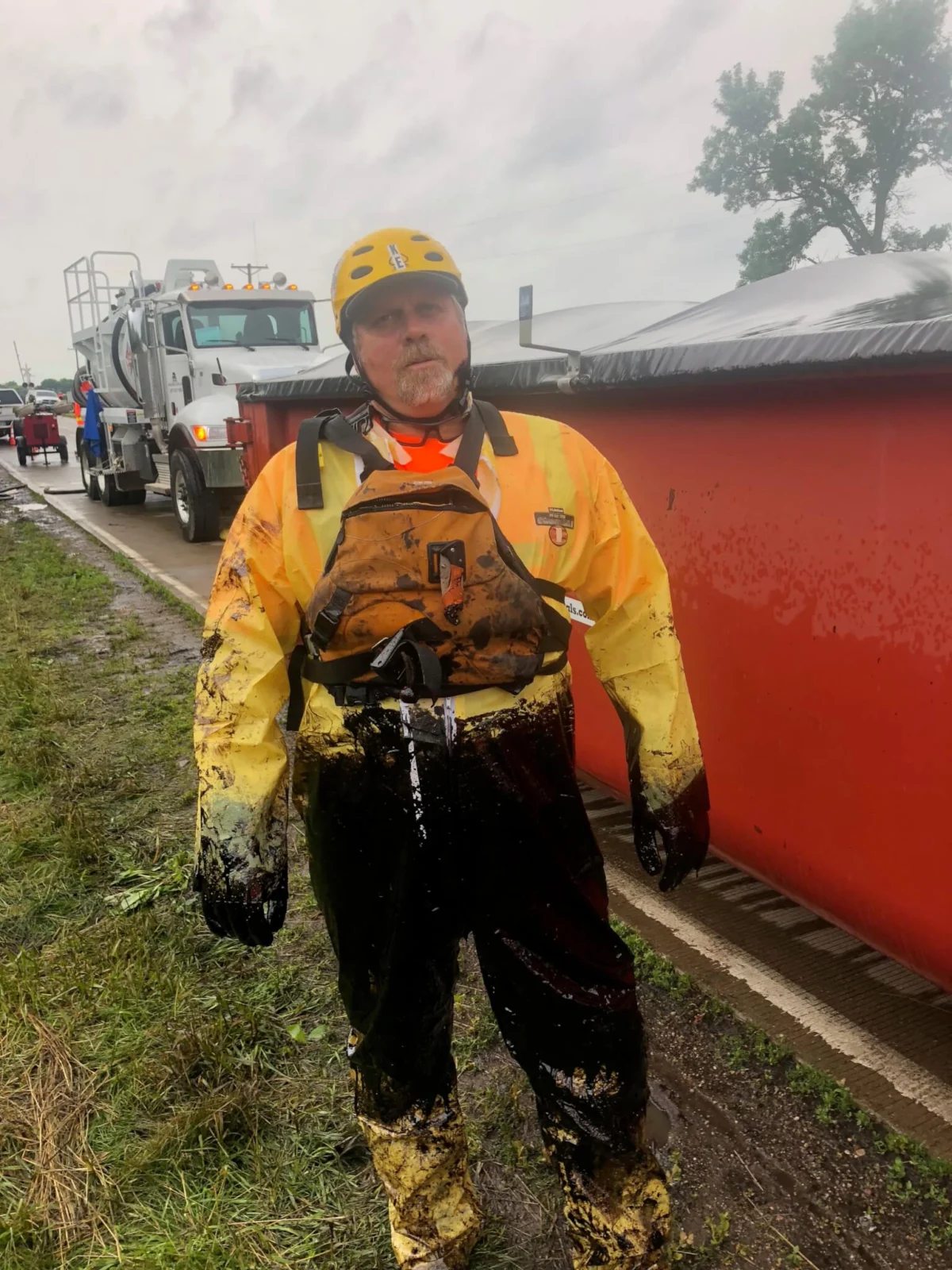
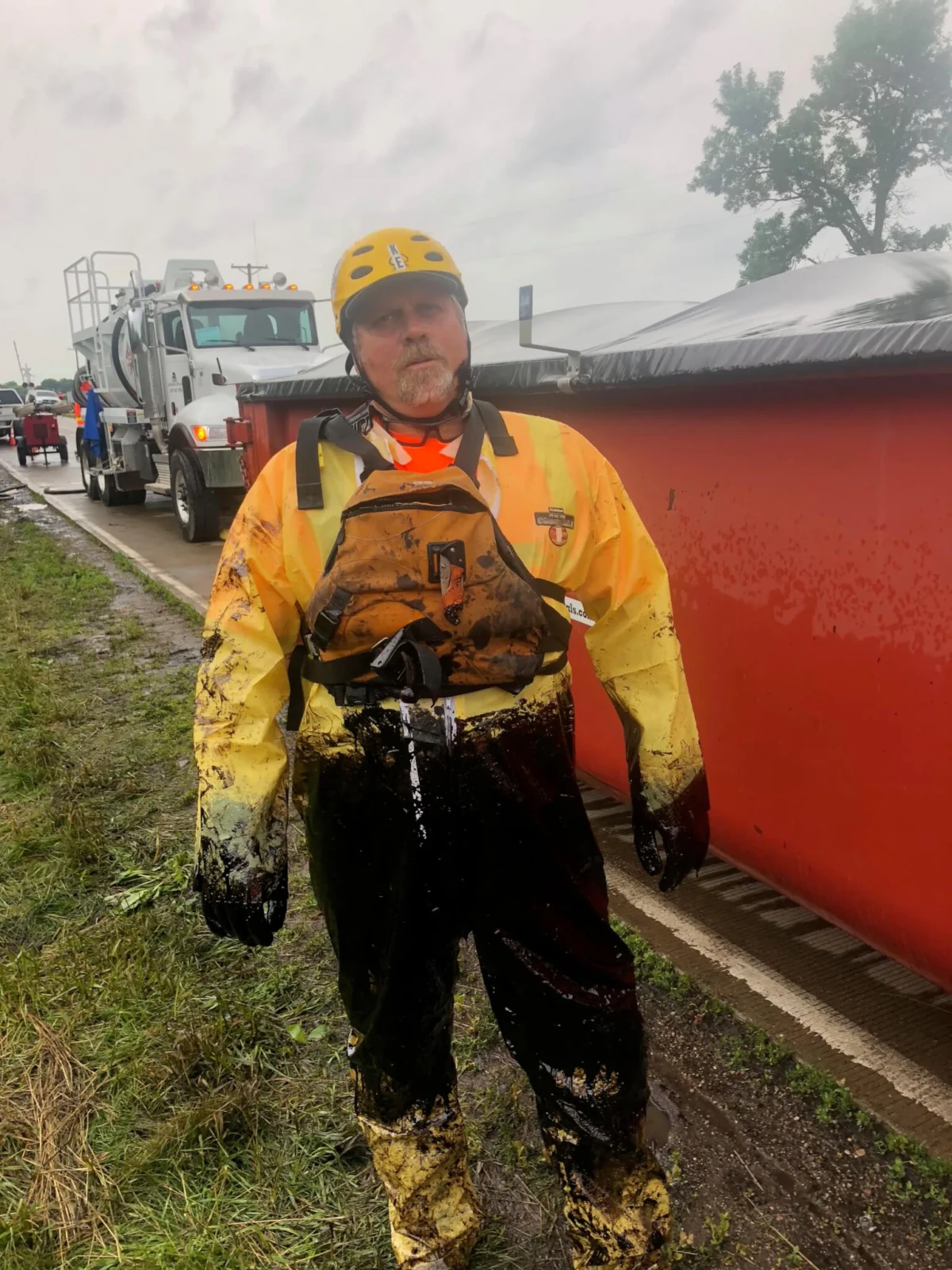
The moment a responder crosses the boundary from the Exclusion Zone into the Contamination Reduction Zone (CRZ), they are considered a potential vector for pollutants. Station 1 requires the removal of gross contamination from outer clothing and boots. This is typically achieved through physical scraping, brushing, or a low-pressure water rinse, depending on the viscosity of the oil.
Phase II: Garment Removal and Specialized Cleaning
At Station 2, the responder removes their outer protective layer—typically Modified Level D or Level C gear—and disposes of it in pre-labeled hazardous material containers. Once the outer layer is shed, the responder must sanitize their hard hats and boots using an aqueous detergent solution. These items are not left behind; they are carried to the final station to ensure that no residual sheen remains.
Phase III: Personal Hygiene and Respirator Care
Station 3 serves as the final barrier before entering the Support Zone. Responders must thoroughly wash their hands and face. Furthermore, any respirators used during the operation are sanitized and sealed in clean, airtight plastic bags to prevent off-gassing or residual exposure during transport.
Supporting Data: PPE and Equipment Integrity
The data regarding spill response safety indicates that PPE integrity is the single largest variable in responder safety. Single-use, external protective clothing is the gold standard for work within the Exclusion and Contamination Reduction Zones.
When single-use options are unavailable or impractical, reusable gear must be treated with a specific protocol. Reusable suits must be rinsed on-site using a combination of industrial detergents and water. Critically, the rinsate—the liquid runoff generated during this process—cannot simply be released into the environment. It must be collected in sumps or containment vessels for off-site disposal, preventing secondary pollution of the very waterways the team is attempting to protect.

Furthermore, equipment decontamination extends to the heavy machinery and vehicles that facilitate the response. Vehicles entering the Exclusion Zone are mandatory subjects for decontamination at a dedicated pad. The intensity of this process is scaled to the level of exposure:
- Low-Level Contamination: Restricted to high-pressure rinsing of tires and wheel wells.
- High-Level Contamination: Requires full-scale steam cleaning or high-pressure power washing of the entire undercarriage and chassis to ensure no hydrocarbons are transported to the Cold Zone.
Official Responses: The Philosophy of Assertive Decon
Industry experts and safety officers emphasize that "incomplete" decon is a common failure point in post-incident audits. An assertive decontamination strategy requires the Site Safety Officer (SSO) to enforce the boundaries of the work zones with absolute authority.
Official response manuals argue that the psychological aspect of decon is as vital as the chemical one. Responders who are allowed to bypass steps or who perceive the process as "optional" will eventually commit errors that lead to exposure. Therefore, the official stance is that the decontamination area is not just a cleaning station; it is a tactical command point where the integrity of the entire response is maintained. Site maps must be generated with high-fidelity detail, identifying exactly where the Hot, Warm, and Cold zones are located in relation to natural features, such as river bends, access roads, and staging areas.
Implications: The Long-Term Impact of Spill Management
The implications of poor decontamination are multifaceted, affecting legal liability, environmental impact, and public health.
1. Legal and Regulatory Liability
From a regulatory standpoint, the failure to manage decon is a failure to manage the site. If contaminants are tracked from the Hot Zone into the Support Zone, the incident commander may be held liable for secondary contamination of public areas or private property. Strict adherence to documentation—keeping logs of who entered the decon station and when—is the only defense against such liability.
2. Environmental Stewardship
The primary goal of a fastwater response is to prevent the migration of oil downstream. If the response team inadvertently carries oil on their boots or gear back to the base of operations, they negate their own progress. The collection of rinsate is particularly important in this context; allowing chemical-heavy detergents and emulsified oil to drain back into the water system is a violation of the fundamental principles of emergency management.
3. Responder Longevity
In long-duration spills, which can last weeks or months, the health of the responder is the most finite resource. Chronic exposure to low-level hydrocarbon vapors or skin contact due to poor decon practices can lead to long-term health complications. By treating the decontamination process as a non-negotiable ritual of the shift, organizations protect their teams, ensuring they remain fit for duty throughout the entirety of the incident lifecycle.
Conclusion
The management of a fastwater oil spill is a race against the clock, but the protocol for decontamination must remain methodical. By integrating the physical stations of the decon process with a culture of assertive safety, responders can ensure that their efforts to clean the environment do not leave a trail of contamination in their wake. Safety, in this context, is not a byproduct of the work—it is the work itself.