For over a century, the Antiquities Act has served as one of the most vital instruments in the American conservation toolkit. Enacted in 1906 under President Theodore Roosevelt, the law empowers the executive branch to set aside federal lands as National Monuments to protect "historic landmarks, historic and prehistoric structures, and other objects of historic or scientific interest." From the towering spires of Arches to the profound depths of the Grand Canyon, nearly half of America’s iconic National Parks began their lives as National Monuments.
However, a sweeping and unprecedented shift in federal policy has cast a long shadow over these landscapes. On July 13, 2026, the federal government issued two proclamations that effectively gutted the protections for Bears Ears and Grand Staircase-Escalante National Monuments in Utah, reducing their combined acreage by 90 percent. As nearly three million acres of protected land face an uncertain future, the nation is left to grapple with a fundamental question: What does it mean to hold our public lands in trust, and what happens when that trust is broken?
The Antiquities Act: A Legacy of Bipartisan Stewardship
The strength of the Antiquities Act lies in its longevity and its bipartisan history. Across the last 120 years, forty presidents from both sides of the aisle have wielded this power to safeguard the nation’s cultural and natural heritage. Theodore Roosevelt, the architect of modern American conservation, utilized the Act to designate eighteen national monuments in his first term alone.
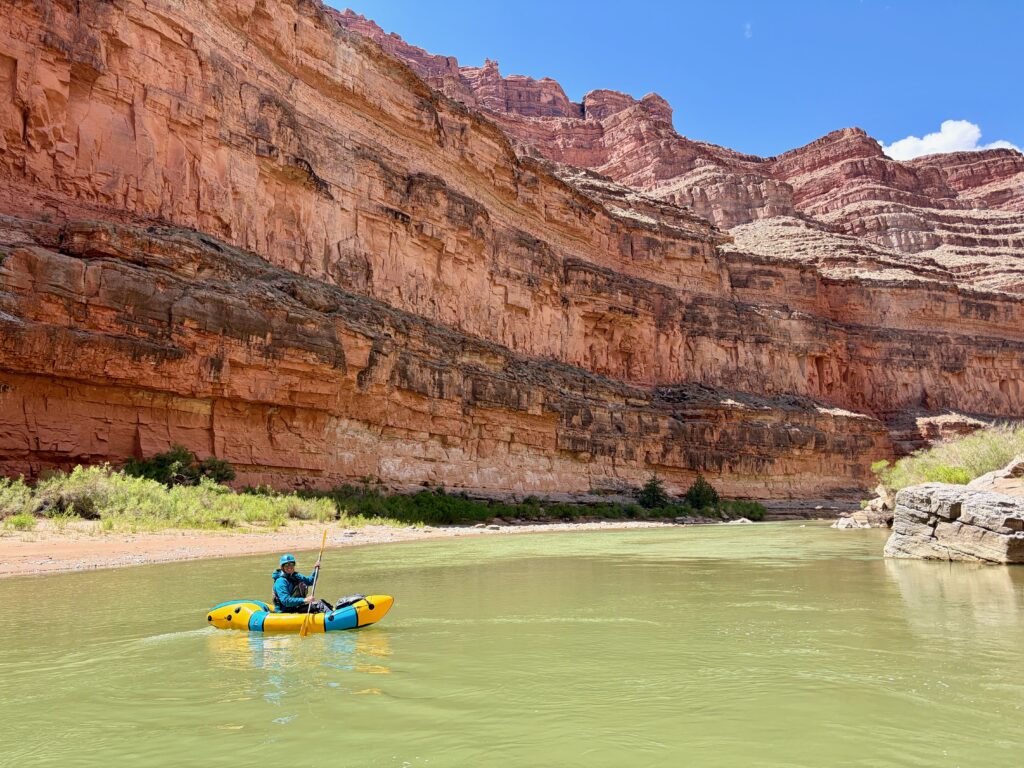
These designations are not merely aesthetic; they are functional. They serve as the bedrock of our water security. The 31 national monuments established over the last three decades alone protect over 21,000 miles of rivers and 2,125 distinct watersheds. These protected areas function as "natural water towers," filtering the clean water that sustains more than 13 million people across the United States. Beyond the tap, these landscapes provide critical recreational havens—fishing, hunting, and paddling—that fuel the economies of small, rural gateway communities.
A Chronology of Conflict: The Shrinking of the West
The current crisis facing Bears Ears and Grand Staircase-Escalante is not the first time these lands have been the subject of political friction, but it is the most severe.
- 1996: President Bill Clinton designates Grand Staircase-Escalante, protecting a unique geologic and paleontological landscape.
- 2016: Following years of advocacy by an inter-tribal coalition, President Barack Obama designates Bears Ears National Monument, marking a historic milestone in honoring tribal sovereignty and protecting nearly 100,000 archaeological sites.
- 2017: A previous administration attempts to roll back these boundaries by two million acres. This action triggers years of litigation and political debate.
- 2021: The rollback is formally reversed by the Biden administration, restoring the full protections to both monuments.
- July 13, 2026: In a stunning reversal, new proclamations reduce the boundaries of both monuments by 90%, leaving only 300,000 acres protected. The Bears Ears Commission—a body composed of tribal representatives tasked with management—is disbanded, and tribal signage is removed.
The Economic and Ecological Cost of Development
The argument often presented for reducing monument status is that it "unlocks" land for economic development. However, data suggests that the inverse is true for local gateway communities.
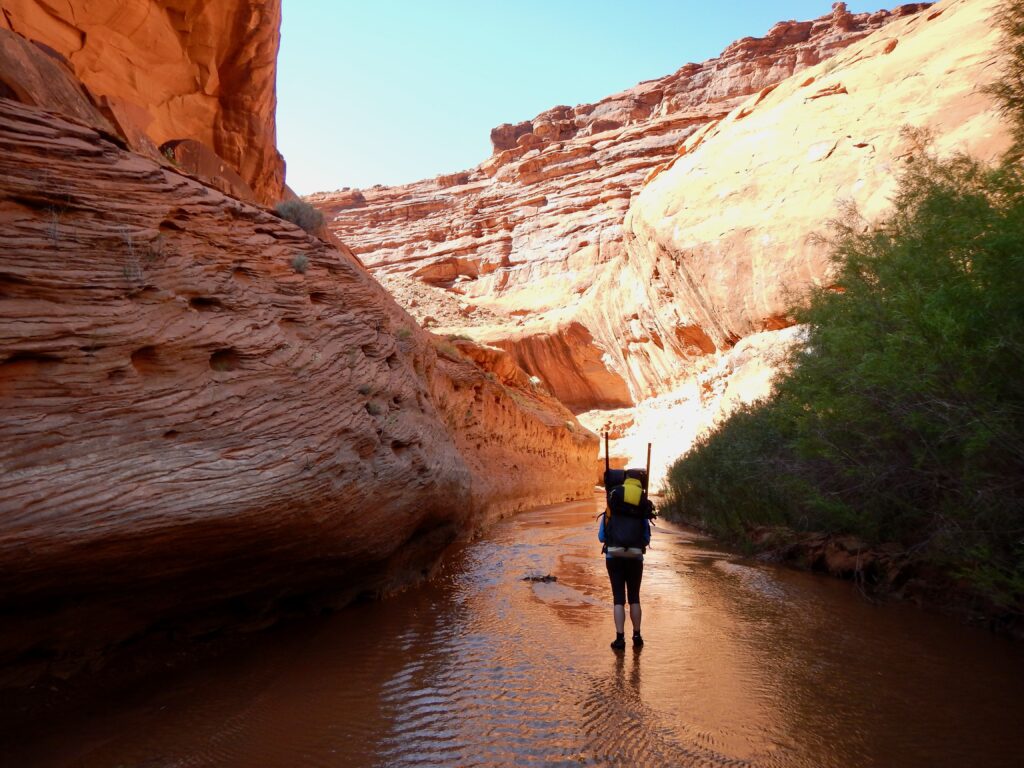
In Taos, New Mexico, the designation of the Rio Grande Del Norte National Monument led to a 40% surge in tourism and a 20% increase in lodging tax revenue within a single year. These protections allow for sustainable, long-term growth rather than short-term extraction. The environmental dividends are equally tangible: the monument serves as a vital migration corridor for elk, pronghorn, and bighorn sheep.
Similarly, in Maine, the Katahdin Woods and Waters National Monument has become a cornerstone of the regional economy. A 2025 National Park Service study confirmed that the monument injected $3.4 million into local gateway economies. Beyond the ledger, the monument safeguards the East Branch of the Penobscot River, providing essential cold-water habitat for endangered Atlantic salmon, wild brook trout, and Canada lynx. When we protect a river, we are not just saving water; we are protecting the entire web of life that flows from headwaters to the sea.
Tribal Sovereignty: An Open-Air Cathedral
To view these landscapes solely as public land is to overlook their deeper, more ancient significance. For the Ancestral Puebloan people and the contemporary nations that descend from them, these areas are not "wilderness"—they are ancestral homelands, cathedrals, and living museums.
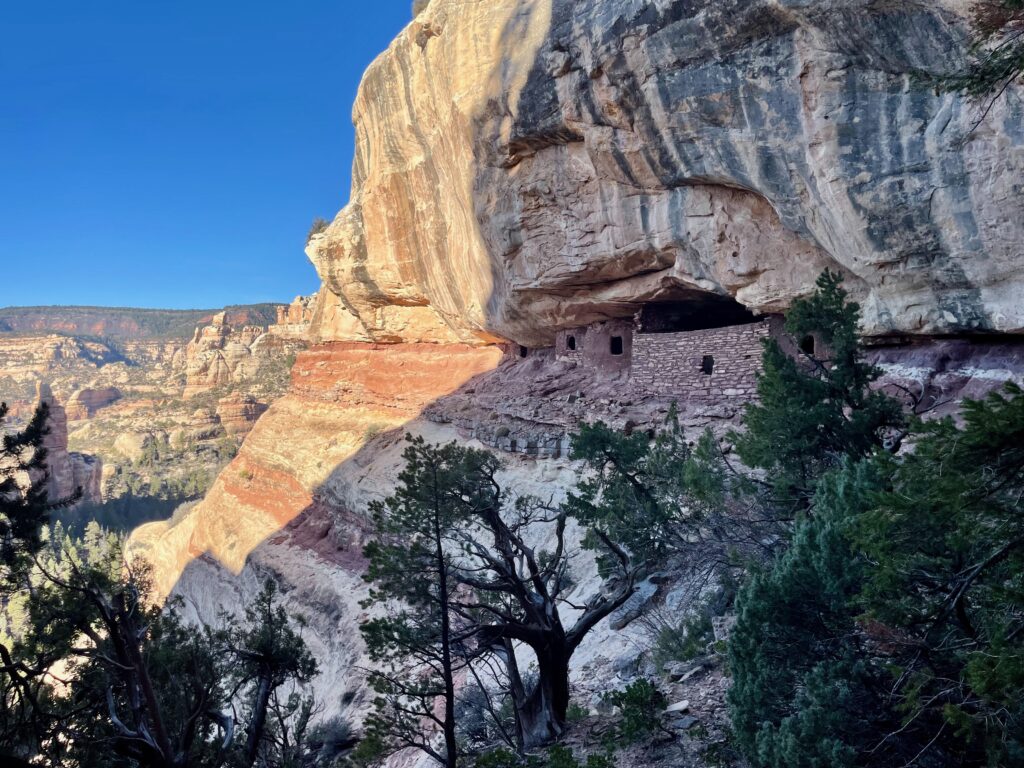
The Bears Ears Inter-Tribal Coalition, comprising the Hopi, Navajo, Ute Mountain Ute, Zuni, and Ute Indian Tribes, represents a historic partnership in federal land management. When the government disbanded the Bears Ears Commission, it did more than change land-use policy; it dismantled a framework of collaborative management that sought to bridge the gap between federal law and indigenous stewardship. The removal of tribal seals from monument signage was widely viewed by advocates as an act of erasure, signaling a retreat from the hard-won progress made in acknowledging the rights of the First Nations.
Implications for the Future of Public Trust
The events of July 2026 have set a precarious precedent. If the boundaries of national monuments can be stripped away so easily, no protected area in the United States is truly secure. The implications reach far beyond the borders of Utah.
1. The Erosion of Environmental Security
The reduction of these monuments threatens the integrity of the San Juan, Colorado, and Escalante river systems. These watersheds are essential to the arid West. As climate change increases the volatility of water supplies, the loss of protected headwaters could have long-term consequences for downstream agricultural producers, municipalities, and tribal water rights.
2. A Breach of the Social Contract
The public outcry, marked by demonstrations involving over 1,000 people across six cities in Utah, highlights a disconnect between federal policy and local sentiment. When the public perceives that their "commonwealth"—the lands held in trust for all citizens—is being liquidated for the benefit of narrow interests, the democratic process itself loses credibility.
3. The Future of Conservation Advocacy
The 2026 rollback forces a shift in strategy for conservationists. It is no longer enough to rely on the executive pen to protect lands; there is a renewed push to codify these protections through Congressional legislation. By enshrining these monuments in law, rather than executive proclamation, proponents hope to create a bulwark against the political pendulum swings of the White House.
Conclusion: A Call to Witness
Despite the grim news of the recent rollbacks, the value of these landscapes remains unchanged. The canyons of the Southwest, the rushing headwaters in Maine, and the quiet, high-altitude mesas still stand as testaments to the natural and cultural history of this continent.
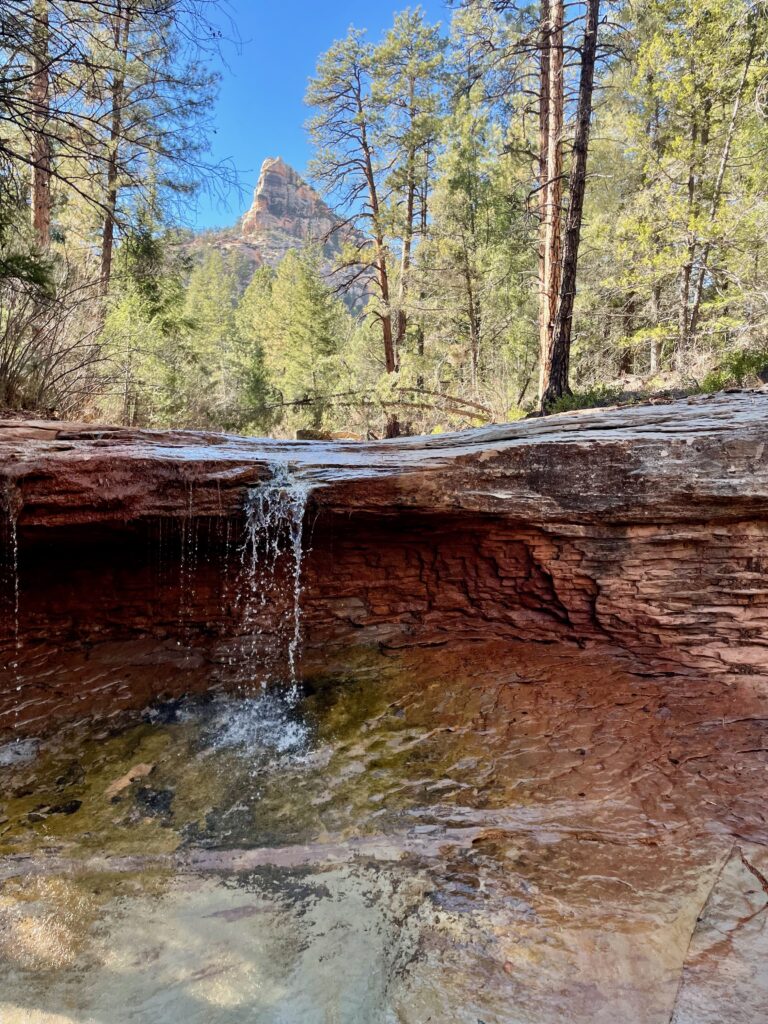
For the traveler, the adventurer, and the citizen, the message is clear: Visit these places. See the cliff houses and the rock art; witness the clarity of the rivers; and understand the scale of what is at stake. The protection of our public lands is a living, breathing effort that requires constant vigilance.
As we look toward the future, the defense of monuments like Bears Ears and Grand Staircase-Escalante will serve as the litmus test for the American commitment to the environment and to justice. We are the stewards of these places, not their owners. If we allow these landscapes to be partitioned and diminished, we lose more than just acreage—we lose the vital, tangible connection to the heritage that defines us as a nation.
The struggle to protect our public lands is, at its heart, a struggle for the soul of the country. Whether these lands remain as monuments to our highest ideals or are relegated to the history books depends entirely on the public’s willingness to stand for them.