The San Luis Valley, a high-altitude expanse in Southern Colorado and the cradle of the Rio Grande, is currently navigating a precarious environmental threshold. As the American Southwest grapples with a historic, near-record-setting snow drought, the Valley—a region whose identity is inextricably linked to the headwaters of one of North America’s most vital rivers—finds itself on the front lines of climate change. With snow water equivalent (SWE) levels plummeting to some of the lowest points in recorded history, the once-reliable seasonal runoff is failing to materialize, threatening the very foundations of the region’s agricultural economy, local communities, and delicate riparian ecosystems.
The Crisis: A Landscape in Peril
The Rio Grande is not merely a geographic feature; it is the lifeblood of the Southwest. Its waters sustain human populations, drive multi-million-dollar agricultural industries, and nurture complex biodiversity. However, the river is under unprecedented duress. Compounding pressures—ranging from long-term megadroughts and shifting precipitation patterns to the systemic over-allocation of water resources—have left the basin in a state of chronic water stress.
The current drought is not an isolated incident but rather the latest, most severe chapter in a long-standing narrative of scarcity. Scientists and hydrologists have long warned that the Southwest is transitioning into a drier, warmer climate regime. The immediate impact of the current snow drought is a reduction in the "bank account" of the region: the snowpack. When the mountains fail to hold enough frozen water, the summer months offer little respite, leading to desiccated soils, reduced streamflows, and a drop in the water tables that local farmers rely on for irrigation.
Chronology of the Struggle
The path to the current crisis has been marked by a slow-moving realization that historical water management practices are no longer sufficient.
- The Early 2000s: Initial signals of prolonged drought emerged, prompting local water districts to begin auditing their long-term sustainability goals.
- 2010–2020: The decade was defined by fluctuating water years, forcing the San Luis Valley to move from reactive measures to proactive, multi-stakeholder planning.
- 2023: A landmark year for agricultural innovation, where the "Rye Resurgence" project successfully transitioned thousands of acres to water-thrifty cover crops.
- 2024–2025: The current "near-record" drought has served as a catalyst, pushing experimental strategies like "Frozen Assets" from research phases into urgent, widespread implementation.
Supporting Data: Quantifying the Scarcity
The severity of the situation is best illustrated by the numbers. SWE measurements—a metric used by hydrologists to determine the liquid water content stored within the mountain snowpack—have consistently fallen below the 30-year median. In many parts of the Rio Grande headwaters, these levels are trending toward the bottom 10% of historical records.
The economic implications are equally quantifiable. Agriculture in the San Luis Valley accounts for a massive share of the regional GDP. When water is restricted, the yield per acre drops, and the cost of pumping groundwater—often from depleting aquifers—skyrockets. However, the data also highlights the success of adaptive measures. In its inaugural year, the Rye Resurgence project saw 4,500 acres of winter rye cultivation. This switch resulted in an estimated 4,670 acre-feet of water savings—a massive, tangible benefit that proves, through data, that agricultural modernization is not just an environmental aspiration but an economic necessity.
H3: Frozen Assets: Engineering Nature’s Storage
One of the most innovative responses to this scarcity is the "Frozen Assets" project. Led by American Rivers in partnership with Wetland Dynamics, Ducks Unlimited, the Rio Grande Headwaters Land Trust, and Colorado Parks and Wildlife, this project represents a shift in how we think about water "storage."
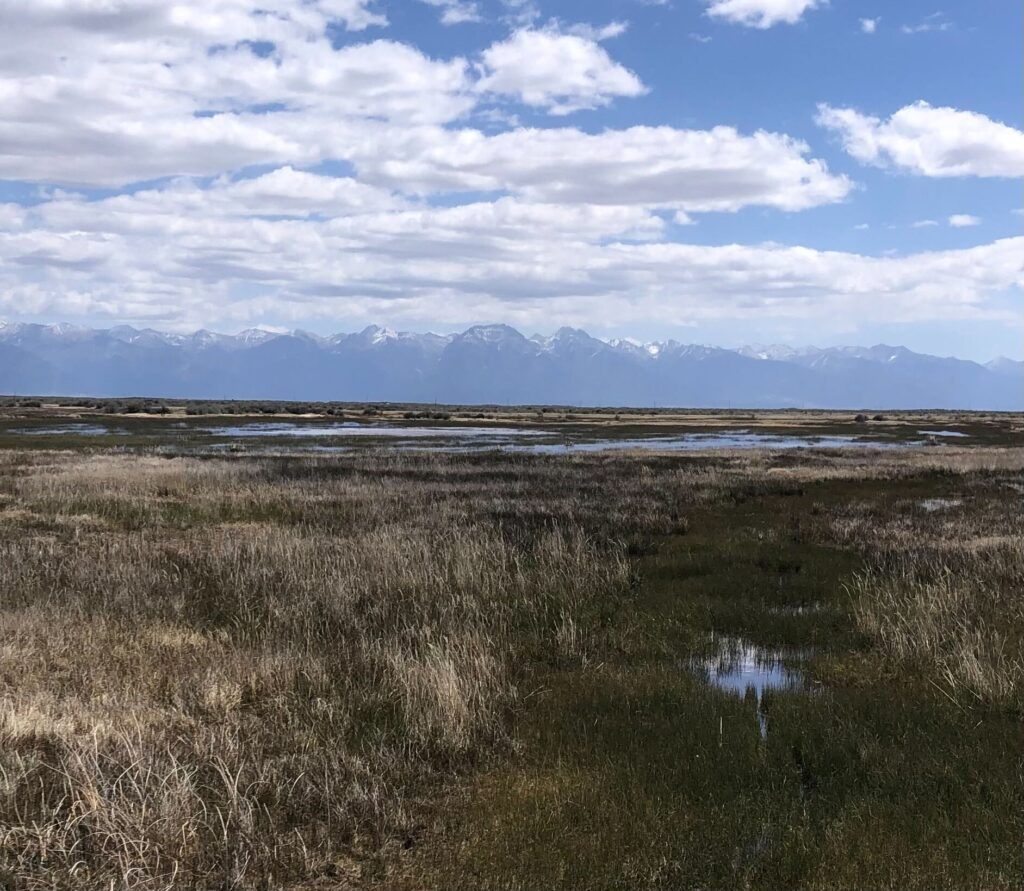
Historically, farmers in the Valley utilized winter sheet ice to manage water. The modern iteration of this practice involves carefully spreading water across the landscape during the freezing winter months. As temperatures drop, this water forms layers of ice, effectively "storing" it on the surface rather than allowing it to evaporate or disappear into deep, inaccessible geologic formations.
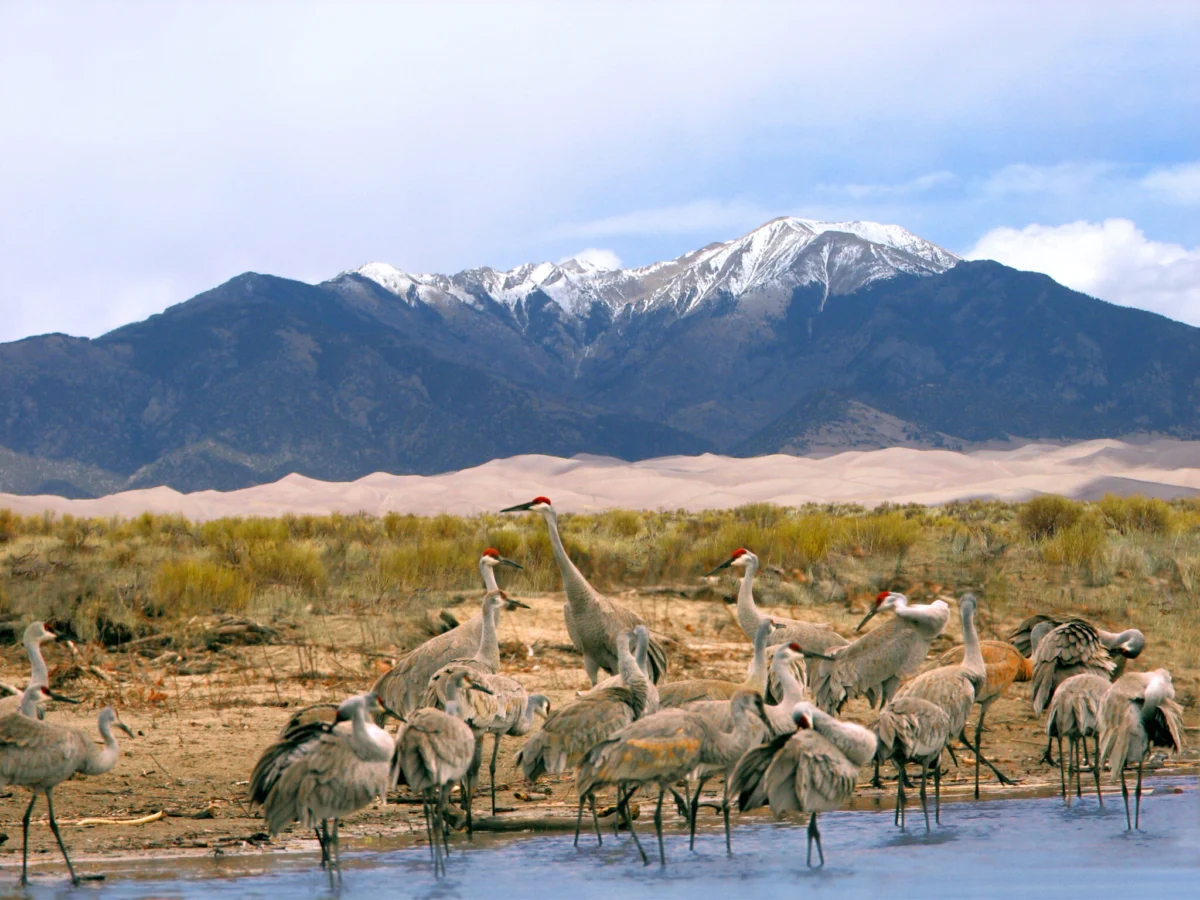
This process serves multiple functions. As the ice melts during the early spring thaw, it provides a slow-release irrigation system for native vegetation and a vital foraging resource for migratory birds, such as sandhill cranes. Simultaneously, the slow infiltration recharges the local aquifer, ensuring that the water remains within the local basin rather than being lost to the atmosphere. It is a brilliant example of mimicking natural hydrological cycles to mitigate human-made shortages.
H3: Rye Resurgence: A Market-Driven Solution
If "Frozen Assets" is about managing the water cycle, the "Rye Resurgence Project" is about managing the water footprint. Recognizing that traditional water-heavy crops were becoming unsustainable, the project aimed to incentivize the growth of San Luis Valley Rye.
Rye is a hardy, winter cover crop that requires significantly less water than traditional rotational crops. However, farmers cannot be expected to switch crops without market security. The project bridges this gap by creating a supply chain that connects local farmers directly with bakers, millers, brewers, and distillers across Colorado. By 2023, 24 regional businesses had signed on as partners, proving that sustainability can be a competitive advantage. This project has effectively turned a water-saving strategy into a value-added economic engine for the Valley.
H3: Habitat Restoration and the Alamosa NWR
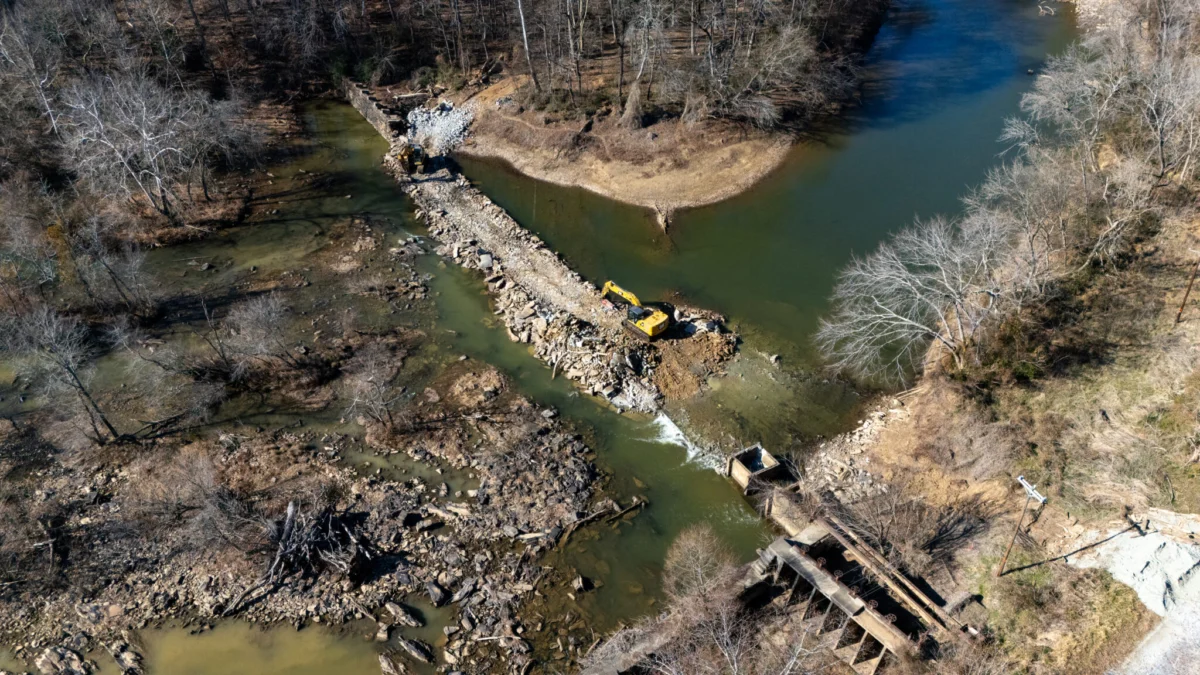
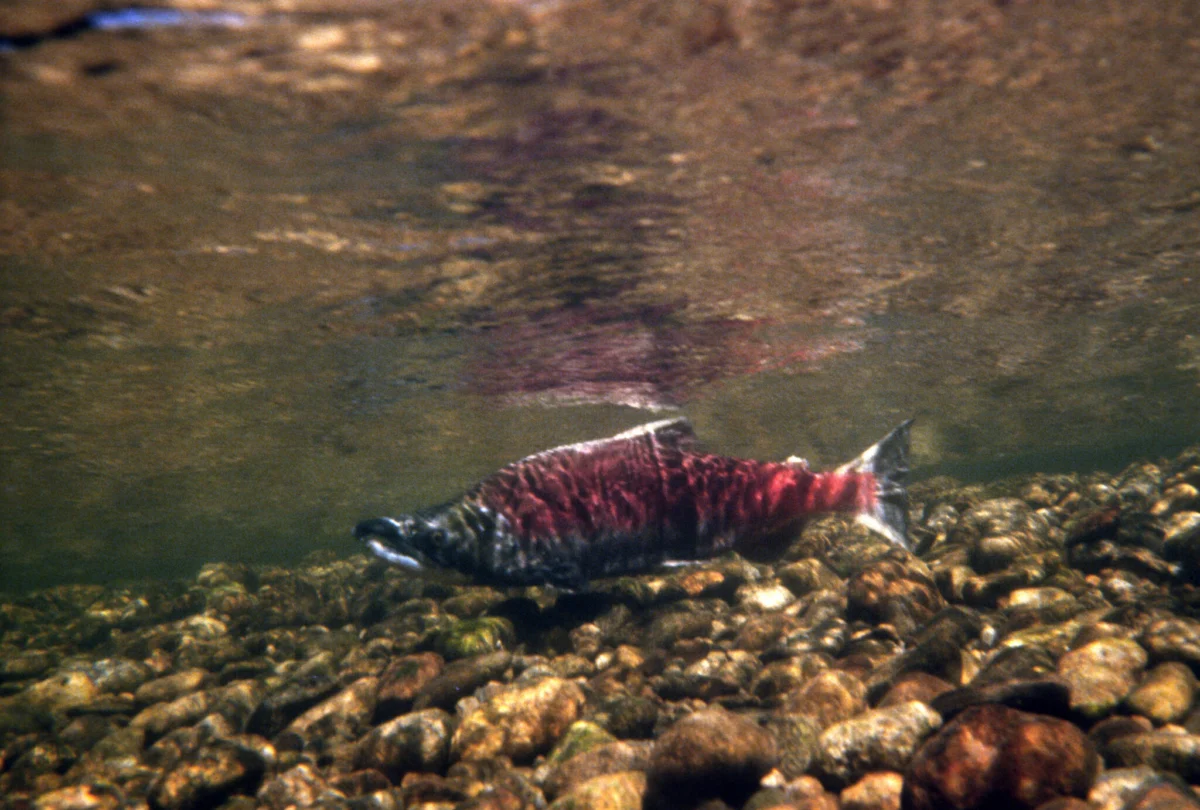
The ecological impact of the drought is most visible in the river’s corridor. The Alamosa National Wildlife Refuge (NWR) has suffered from highly variable flow regimes, which threaten the survival of native fish, including the Rio Grande chub.
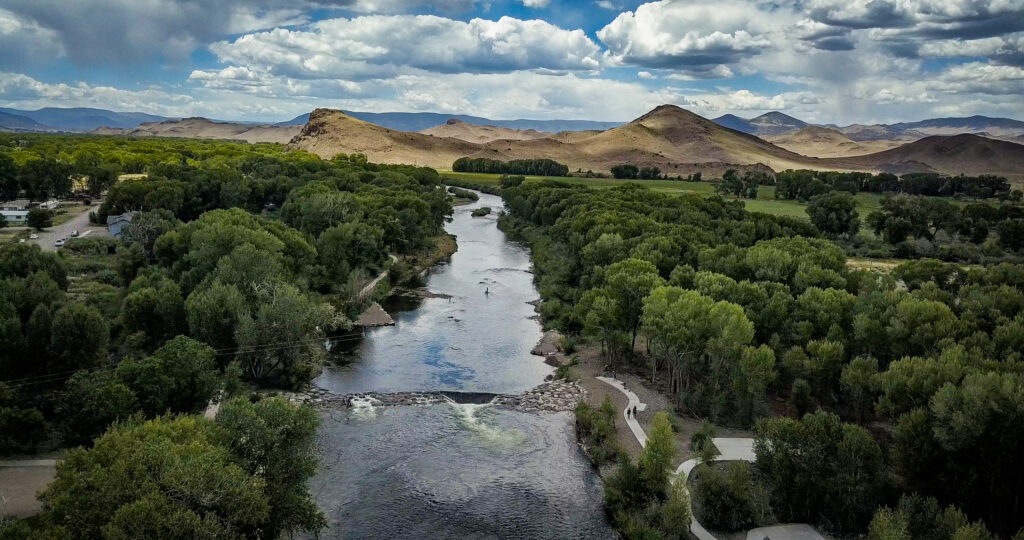
The Rio Grande Corridor Restoration Project represents a comprehensive approach to ecological resilience. By reshaping and stabilizing eroding streambanks with native vegetation and rock, the project has allowed the river to reconnect with its natural floodplain. This reconnection acts as a natural sponge, allowing the river to absorb higher flows during infrequent wet events and providing crucial off-channel habitats for aquatic species during periods of low flow. Furthermore, the project demonstrates that ecological health and human recreation can coexist; by redefining public trail access, the initiative has minimized human disturbance while enhancing the visitor experience.
Official Responses and Stakeholder Perspectives
The strategy of the San Luis Valley is unique because it is decentralized and deeply collaborative. Rather than waiting for top-down mandates, water managers, irrigation companies, and conservationists have formed a "bottom-up" coalition.
"We are at a crossroads," notes a representative from the local water management board. "The old ways of treating water as an infinite resource are over. The projects we are seeing—whether it is the innovative use of ice or the shift toward drought-resistant grains—are not just experiments. They are the new standard for how a community survives in a changing climate."
The consensus among stakeholders is clear: there is no single "silver bullet." Instead, the path forward is a mosaic of smaller, high-impact projects. Federal and state agencies, including Colorado Parks and Wildlife, have provided essential technical support and funding, recognizing that the San Luis Valley serves as a "living laboratory" for the rest of the Southwest. If these models succeed here, they can be scaled and exported to other basins facing similar existential threats.
Implications for the Future
The implications of the San Luis Valley’s efforts extend far beyond the borders of Colorado. As climate change continues to shrink snowpacks across the American West, the reliance on mountain-fed rivers will become increasingly fragile. The work being done in the Valley—integrating agricultural efficiency, innovative storage, and habitat restoration—offers a blueprint for resilience.
However, the challenge remains significant. The "Frozen Assets" and "Rye Resurgence" initiatives are still in their scaling phases. Their long-term success depends on consistent policy support, continued investment in water-monitoring infrastructure, and a steadfast commitment from the local community to prioritize long-term ecological health over short-term gains.
Ultimately, the San Luis Valley is demonstrating that water scarcity does not have to mean a decline in quality of life. By embracing innovation, fostering community partnerships, and respecting the natural limitations of the landscape, the people of the Valley are proving that it is possible to live in harmony with a river—even when that river is under immense pressure. The success of the Rio Grande is not just a regional goal; it is a vital necessity for the future of the American Southwest. As the ice melts and the rye grows, the lessons learned here will echo throughout the entire Colorado River Basin, offering a glimmer of hope in an increasingly dry world.