By Alice Broderick | June 18, 2026
As the summer solstice arrives, the days stretch long and golden, inviting us to reconnect with the waterways that define our landscapes. Whether it is the quiet meditative rhythm of a stream, the rush of a mountain rapid, or the simple joy of a family paddle, summer serves as a poignant reminder of our deep, inextricable bond with nature. At American Rivers, we anchor our mission in a simple, profound truth: Life Depends on Rivers®.
Rivers are not merely scenic backdrops; they are the arteries of our planet. They provide the water we drink, nourish the soil that grows our food, and sustain the intricate web of life—from the smallest macroinvertebrate to the largest migratory fish—that keeps our ecosystems functioning. However, as we celebrate National Rivers Month this June, we must also confront the reality that our rivers face mounting pressures from climate change, industrial pollution, and aging infrastructure. Despite these challenges, the past year has been one of extraordinary resilience and progress. By working together, we have turned the tide on several critical fronts, proving that when communities unite, we can restore the health of our most vital natural assets.
Main Facts: A Year of Landmark Victories
The landscape of American river conservation shifted significantly between 2025 and 2026. Through a combination of grassroots advocacy, federal policy shifts, and historic financial commitments, the movement to protect our waterways has moved from a defensive posture to one of proactive restoration.
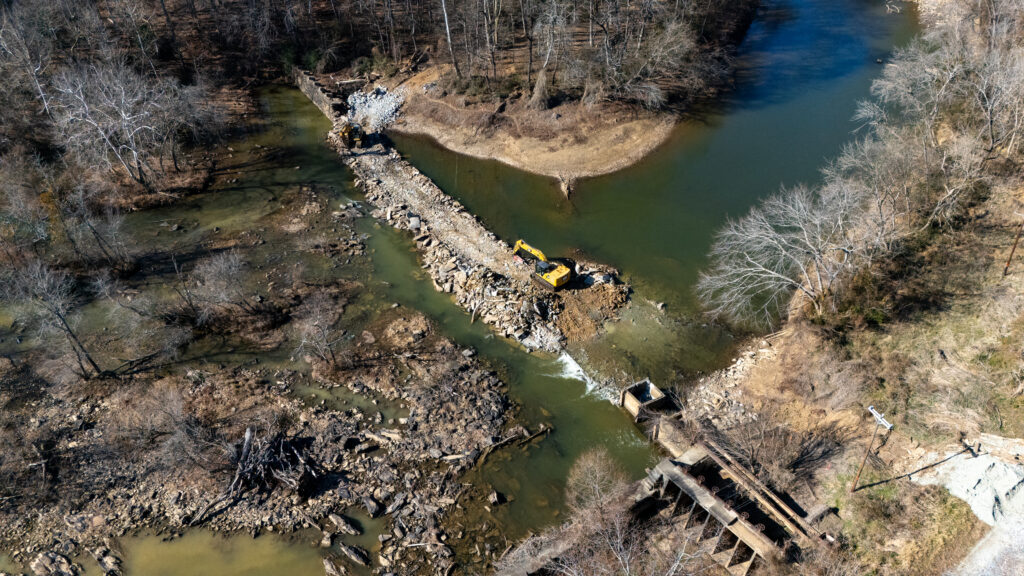
The most notable achievements include the removal of 100 obsolete dams across the United States, the securing of a landmark international agreement to address toxic pollution in the Tijuana River, and a historic $20 billion investment in Texas water infrastructure. These victories represent more than just bureaucratic milestones; they signify the physical healing of our watersheds and a growing national consensus that healthy rivers are essential to economic and public health.
Chronology: A Timeline of Progress
The momentum built over the last 18 months was not accidental; it was the result of sustained, strategic pressure.
- April 2025: American Rivers releases the America’s Most Endangered Rivers® report, highlighting the Tijuana River’s public health crisis. This national designation shines a spotlight on the toxic pollution plaguing border communities.
- July 2025: Following the report’s release, American Rivers and partner organizations hold high-level meetings with EPA Administrator Lee Zeldin, building critical momentum for federal intervention.
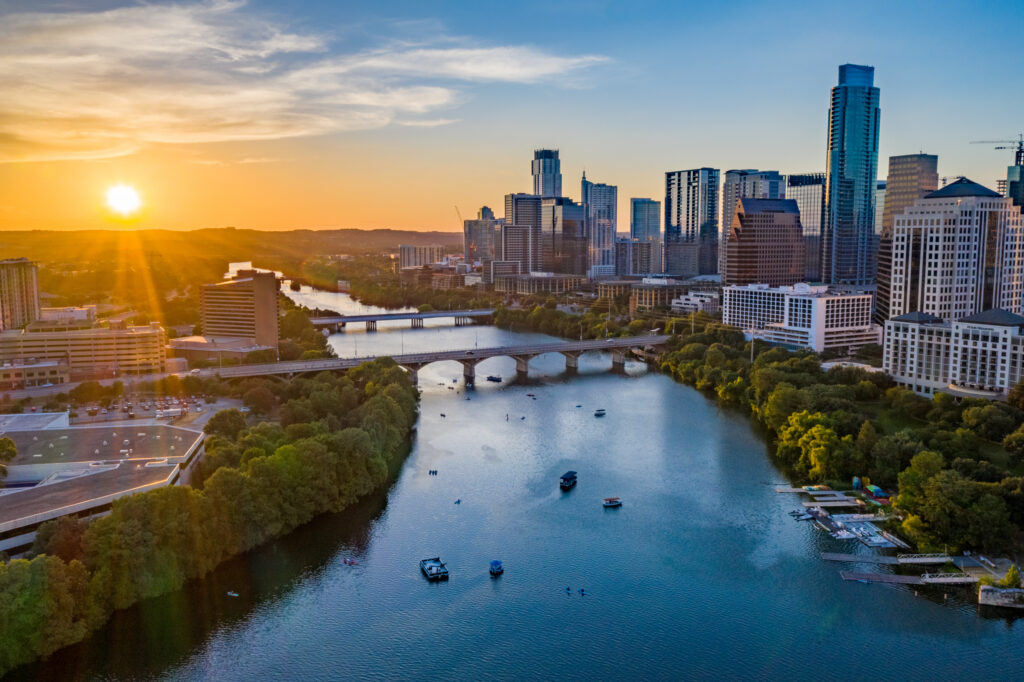
- November 2025: Texas voters pass a historic ballot initiative, dedicating $1 billion annually for 20 years to water and flood resilience—the largest state-based investment in U.S. water history.
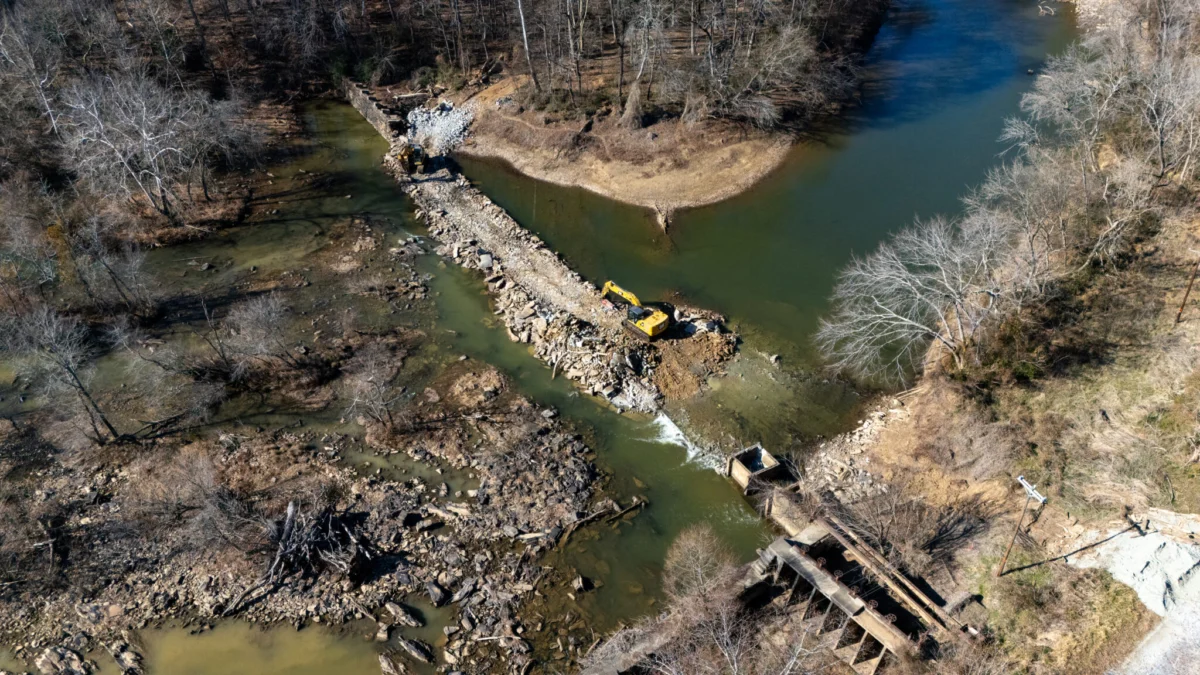
- December 2025: The final tallies confirm a record-breaking year for dam removal, with 100 structures dismantled across 30 states.
- February 2026: A long-awaited headwater wetland restoration project in West Seattle reaches a major milestone, serving as a new blueprint for urban ecological recovery.
Supporting Data: The Scale of Restoration
The numbers behind these efforts tell a story of massive ecological reconnection. The removal of 100 dams in 2025 resulted in the reconnection of 4,893 miles of river habitat. This is the largest single-year total for river reconnection in U.S. history.
Breaking Down the Impact:
- Connectivity: By removing barriers, we have allowed migratory species, such as salmon and trout, to access spawning grounds that had been blocked for decades, or in some cases, over a century.
- Financial Commitment: The $20 billion Texas initiative demonstrates that water resilience is now a top-tier political priority. This funding is specifically earmarked for floodplain restoration, wetland health, and sustainable water management, providing a model for other states to emulate.
- Urban Renewal: The Seattle wetland project underscores the importance of "headwater" health. By restoring small, often overlooked urban wetlands, cities can mitigate flood risks, filter pollutants naturally, and provide essential green spaces for residents.
Official Responses and Strategic Advocacy
The success of the Tijuana River campaign serves as a case study in how advocacy can drive government action. The designation of the Tijuana River as an "endangered" waterway was not just an observation of its decline; it was a call to arms that forced a conversation between the U.S. and Mexican governments.
"This demonstrates how strategic advocacy, combined with persistent community leadership, drives solutions for rivers and their communities," noted leadership at American Rivers. By aligning with organizations like the Surfrider Foundation and Un Mar de Colores, the movement ensured that local voices—those most affected by the toxic water—were heard in the halls of power in Washington, D.C.
The bipartisan nature of the Texas ballot initiative also provides a blueprint for the future. By reframing water infrastructure as a fundamental necessity for economic growth and public safety, advocates successfully transcended traditional political divides. The involvement of the American Rivers Action Fund, alongside the National Wildlife Federation Action Fund, proved that voters are increasingly willing to support significant, long-term investments in nature-based solutions.
Implications: The Path Forward
What do these achievements mean for the future of our rivers? First, they prove that the "Life Depends on Rivers" philosophy is becoming a mainstream standard for public policy. We are moving away from the era of "damming everything" and toward an era of "restoring what we can."
1. The Power of Policy
The Texas model suggests that when water is framed as a critical infrastructure issue—comparable to roads and bridges—voters respond favorably. We anticipate that other states will follow suit, utilizing ballot initiatives to bypass legislative gridlock and fund necessary ecological restoration.
2. The Ecological Multiplier Effect
Dam removal is a "force multiplier" for biodiversity. When we remove a dam, we don’t just fix a river; we restore an entire ecosystem. As these 4,893 miles of river return to their natural state, we expect to see measurable improvements in water quality and the return of species that had long been absent from these corridors.
3. Urban Resiliency
The Seattle project highlights that restoration is not just for wild, remote areas. As climate change increases the frequency of extreme weather events, restoring urban wetlands is a cost-effective strategy for flood management. Cities that invest in these natural "sponges" will be more resilient than those that rely solely on concrete infrastructure.
Conclusion: A Call to Action
As we navigate the rest of 2026, the progress we have made is cause for celebration, but not for complacency. The threats to our rivers—pollution, climate-induced drought, and aging infrastructure—remain significant. Yet, the successes of the past year provide a clear map for the future: when we combine rigorous science with community-driven advocacy, we win.
We invite you to remain engaged in this vital work. Whether you are advocating for local dam removal, participating in river cleanups, or simply sharing the importance of clean water with your neighbors, your voice matters. Rivers are the lifeblood of our nation, and as long as they flow, we have a responsibility to protect them for the generations that follow.
We are hard at work for rivers and clean water, but we cannot do it alone. To stay informed about the most important news affecting your local waterways, join our mailing list and become a part of the movement that ensures our rivers—and all the life that depends on them—thrive for years to come.
Alice Broderick is a staff member at American Rivers. For more information on how you can get involved, visit the American Rivers website and sign up for our latest updates.