By Justin Hayes | May 29, 2026
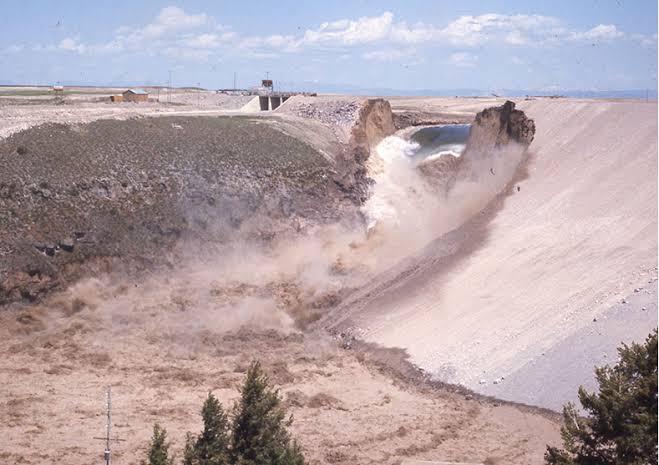
For the residents of eastern Idaho, the date June 5, 1976, is etched into the regional consciousness as a day of profound catastrophe. It was the morning the Teton Dam—a massive engineering project designed to harness the power and potential of the Teton River—suffered a structural failure during its initial filling. The resulting deluge sent a catastrophic wall of water downstream, devastating communities, destroying property, and altering the landscape in a single, terrifying instant.
Yet, as the half-century mark since the collapse approaches, a different narrative has emerged. The failure of the Teton Dam, while tragic in its immediate aftermath, inadvertently granted the Teton River a rare, accidental reprieve from permanent industrialization. Today, the river flows free, its canyon having undergone a remarkable natural recovery. As discussions surrounding the potential reconstruction of the dam resurface, the story of the Teton serves as a poignant case study in how modern collaborative conservation can reconcile the needs of agriculture and industry with the vital necessity of a healthy, free-flowing ecosystem.
A Chronology of a River’s Life and Near-Death
The history of the Teton River is defined by a tension between utility and wildness. For decades, federal planners viewed the Teton Canyon as an ideal site for storage and power generation. The construction of the Teton Dam was intended to be the crowning achievement of regional water management.
- 1970s Construction: The U.S. Bureau of Reclamation began building the Teton Dam, a 305-foot-high earthen structure.
- June 5, 1976: The "fateful day." Following heavy rains and the initial filling of the reservoir, internal erosion caused the embankment to fail. The breach released 80 billion gallons of water, killing 11 people and causing hundreds of millions of dollars in damages.
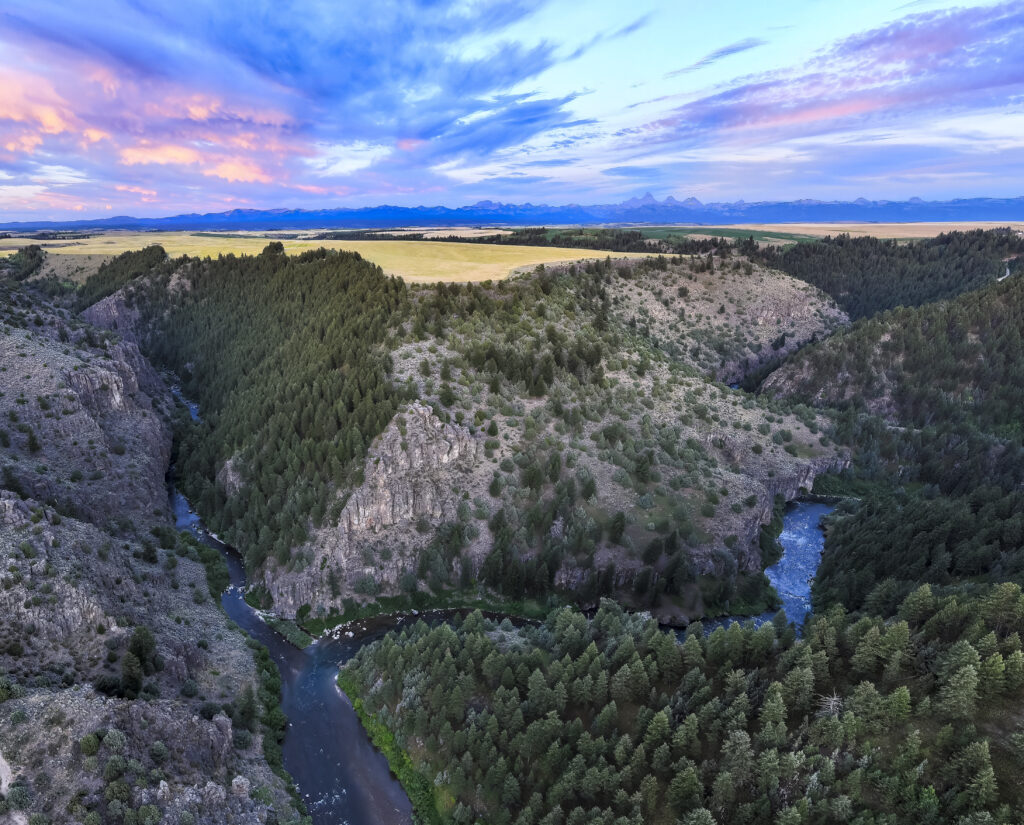
- The Post-Collapse Era (1980s–2000s): In the years following the disaster, the reservoir site began to reclaim itself. Vegetation returned to the canyon walls, and the river reclaimed its natural path through the debris.
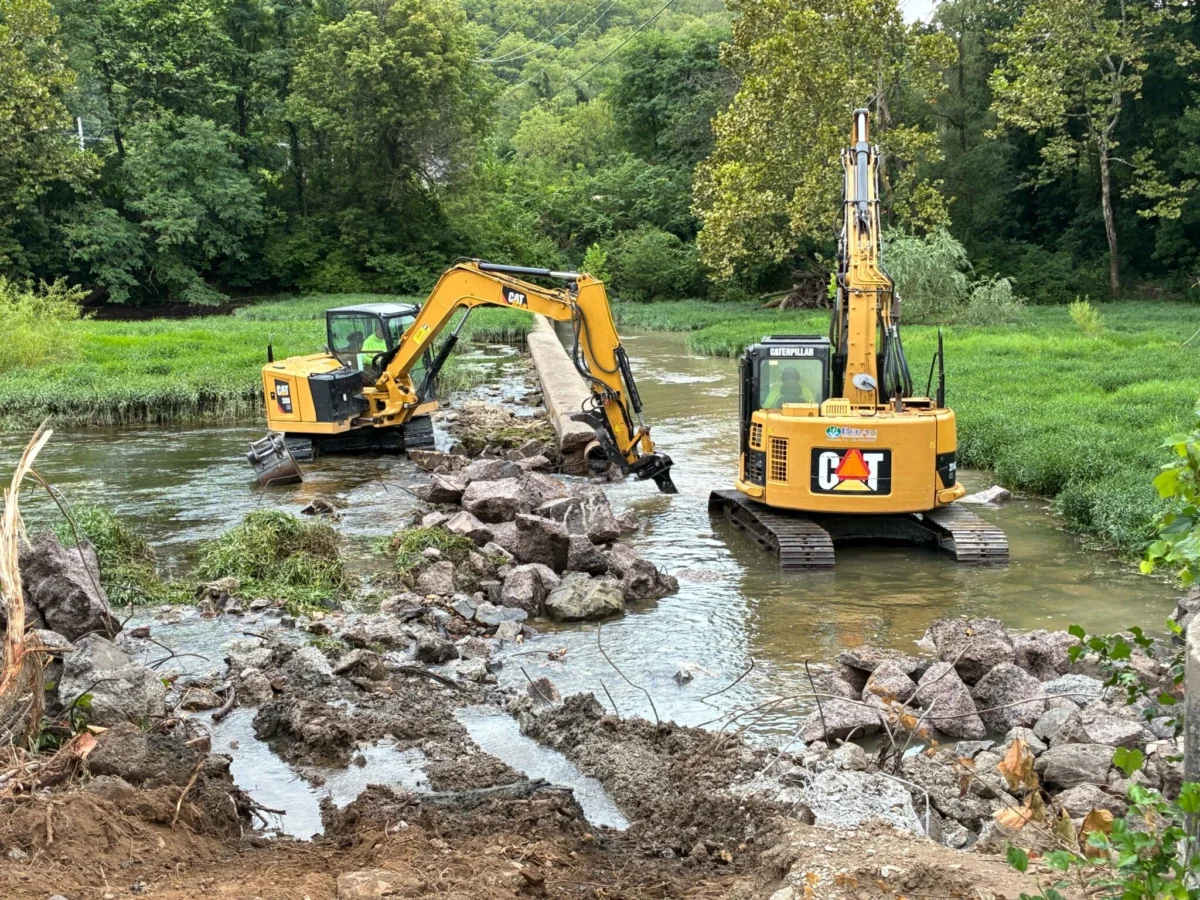
- The Rise of Collaborative Conservation (2010s–Present): Local organizations like Friends of the Teton River and the Idaho chapter of Trout Unlimited began spearheading projects to restore stream health, improve irrigation efficiency, and protect native Yellowstone cutthroat trout populations.
The Ecology of Recovery: Why the Teton Matters
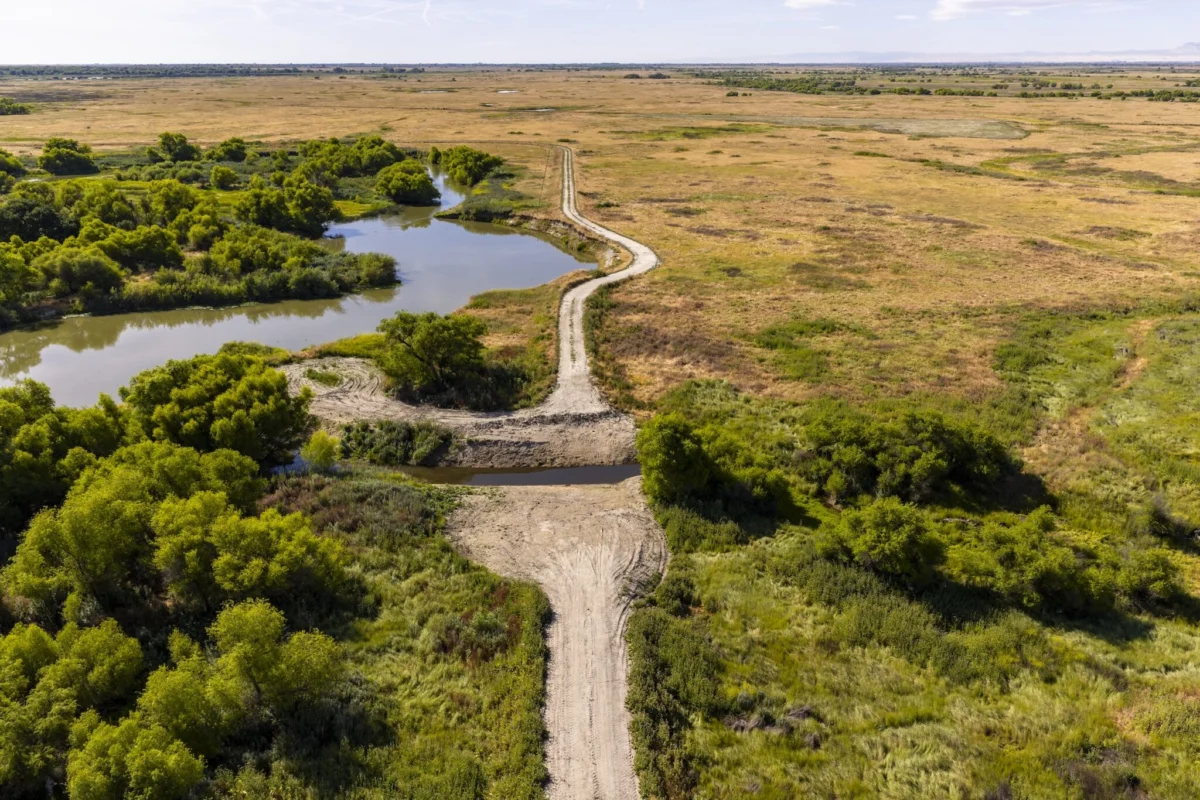
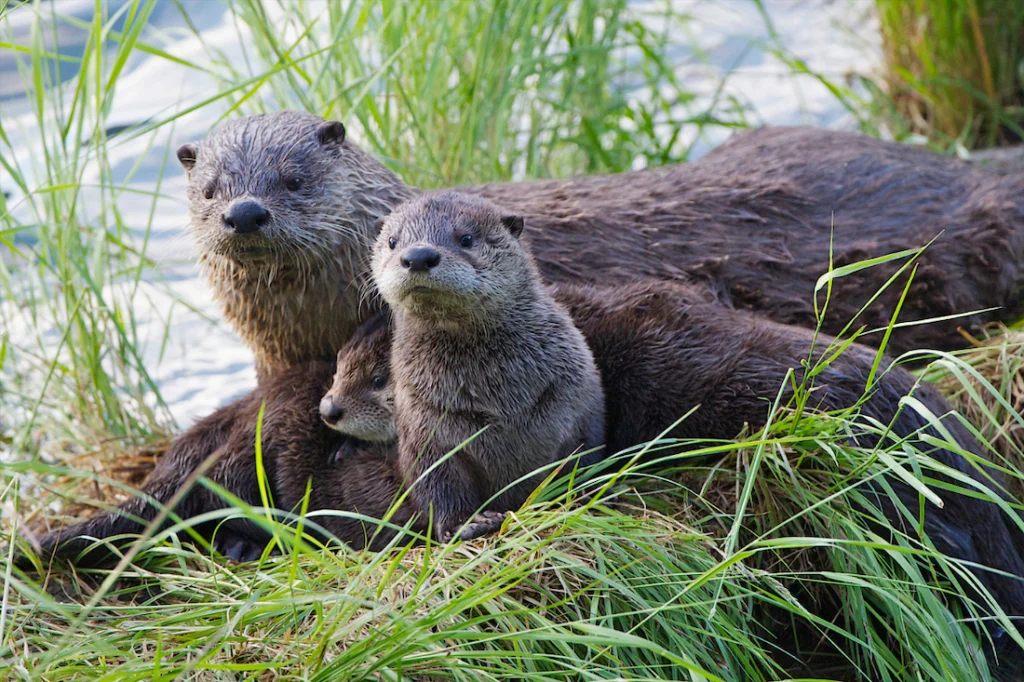
The Teton Canyon is no longer just a site of historical tragedy; it has become a vibrant ecological corridor. Following the collapse, the river was gifted a second chance, allowing the riparian ecosystem to rebound without the persistent interruption of a dam and reservoir system.
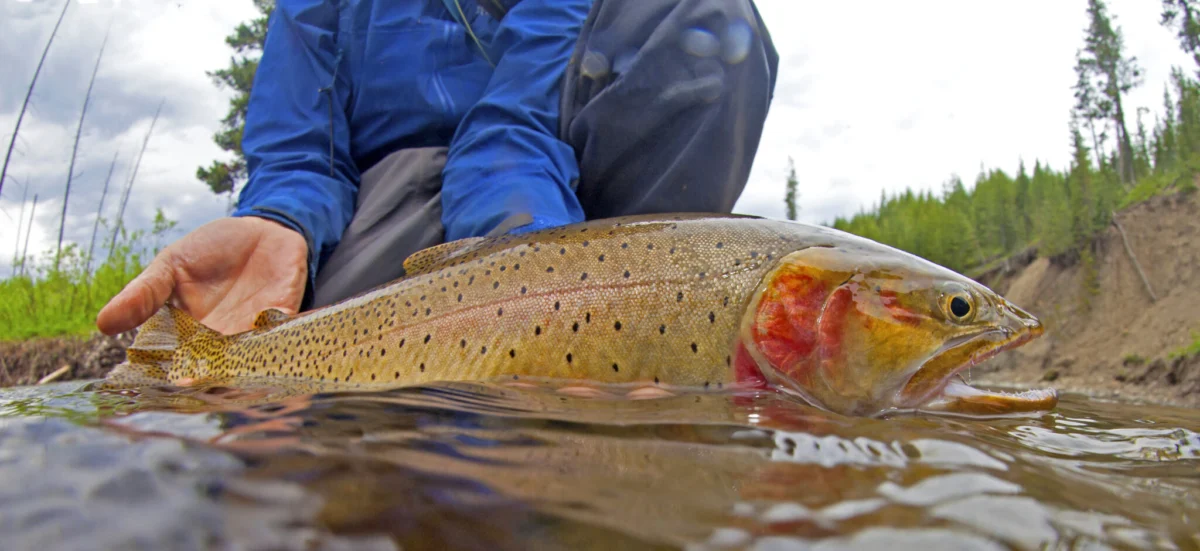
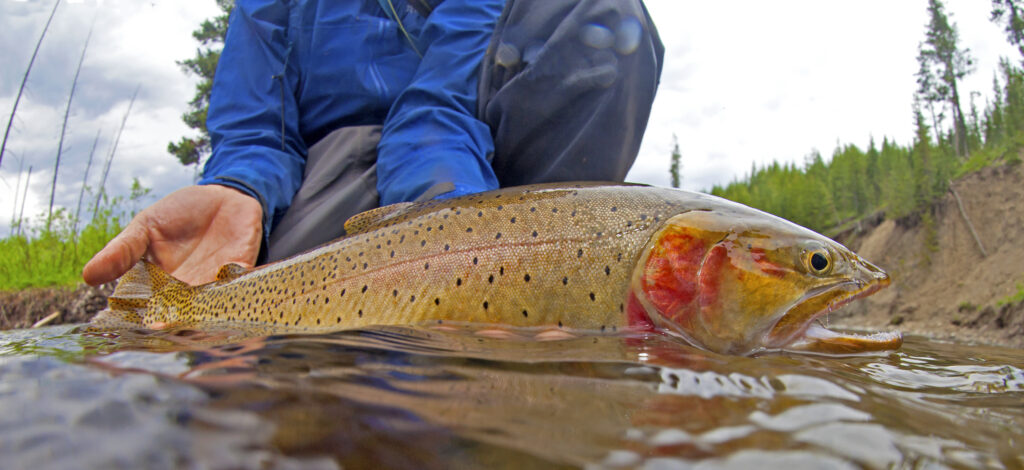
Today, the Teton stands as the only major river in eastern Idaho that remains entirely undammed. This distinction is not merely academic—it is a biological necessity for the species that inhabit it. The river serves as a critical refuge for the Yellowstone cutthroat trout, a species that serves as a bellwether for the health of the Northern Rockies’ waterways. The cold, clear, and unhindered water of the Teton provides the oxygen-rich, stable environment that these trout require to spawn and thrive.
Furthermore, the river has become a cornerstone of the regional economy. Anglers, hunters, and families who rely on the river’s health for recreation have fostered a local culture that views the river as an irreplaceable asset. The economic value of a healthy river—measured in fishing tourism and local quality of life—has consistently proven to be a sustainable alternative to the boom-and-bust cycle of large-scale dam management.
Collaborative Solutions: Beyond the "Either-Or" Binary
One of the most persistent myths in Western water policy is that the needs of agricultural producers and environmental conservationists are mutually exclusive. For years, the debate was framed as a choice between "more water for farms" and "a healthy river." However, the work performed in the Teton Valley has effectively debunked this binary.
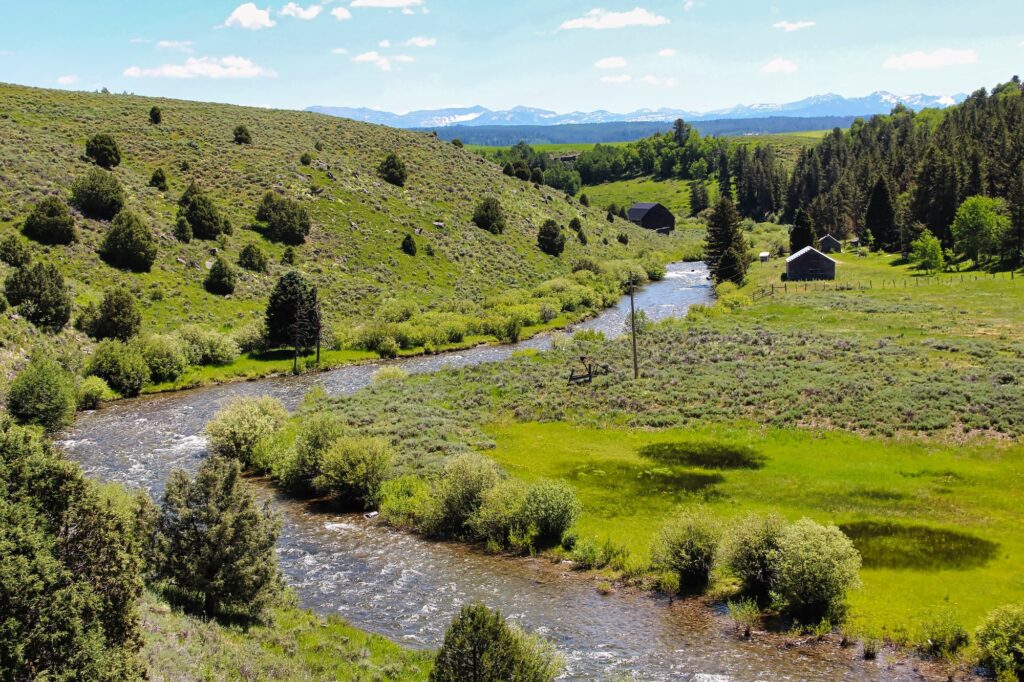
Organizations such as Friends of the Teton River have successfully engaged with local farmers and irrigators to implement "smart water" initiatives. These projects include upgrading irrigation delivery systems to reduce waste, installing fish screens to protect trout, and managing flow regimes to ensure that there is enough water for crops during the peak season without sacrificing the river’s base flow.
Scott Bosse, the Director of American Rivers’ Northern Rockies Region, highlights the success of this model in the film Second Chance. "What is happening in the Teton River Valley, where conservationists and farmers and irrigators are coming together with innovative solutions to meet each other’s needs without building big dams… it’s a unique culture that’s been built, and I’d like to see it replicated all over the West," says Bosse.
This collaborative model demonstrates that when stakeholders are given a seat at the table, they can identify creative solutions—such as off-stream storage, soil moisture monitoring, and efficient infrastructure upgrades—that provide water security for the agricultural sector while simultaneously preserving the ecological integrity of the waterway.
Official Responses and the Looming Shadow of Re-Damming
Despite the proven success of the current collaborative model, the specter of "re-damming" the Teton remains a persistent political talking point. Some downstream interests, citing concerns over long-term water scarcity and future growth, have occasionally advocated for the reconstruction of a dam at or near the original site.
Proponents of this idea argue that a reservoir would provide a buffer against drought years. However, opponents—including a broad coalition of local residents, scientists, and conservationists—argue that rebuilding the dam is an expensive, redundant, and ecologically destructive solution.
The official stance of the environmental community remains firm: rebuilding the Teton Dam would not only flood a canyon that has spent fifty years healing, but it would also undermine the decades of trust and infrastructure investment already put in place by farmers and conservationists. To break this progress in favor of outdated infrastructure is, according to regional experts, a fundamental misreading of modern water management needs.
The Implications: Why We Cannot Squander the Second Chance
The lessons learned from the Teton River are applicable far beyond the borders of Idaho. Across the American West, aging dams are coming under scrutiny for their high maintenance costs, ecological impacts, and declining utility. The Teton River’s "resurrection" offers a blueprint for how communities can move away from the "big dam" era and toward a future defined by restoration and resilience.
- Restoration as Strategy: The Teton case shows that restoring a damaged landscape can provide more long-term value than replacing it with an artificial one.
- Community-Led Policy: Top-down mandates rarely work. The success of the Teton is rooted in the fact that the solutions were generated by those who live, work, and recreate in the valley.
- Water Efficiency over Water Expansion: By focusing on using existing water more efficiently, the region has avoided the environmental cost of new dams while still meeting the needs of the agricultural sector.
As Scott Bosse poignantly reflects in Second Chance, "That river almost died in 1976. It’s had a resurrection. You don’t get many second chances in life, and you’ve got to seize them when you do."
The Teton River is no longer a footnote to a disaster. It is a living, breathing success story. As the region moves forward, the decision-makers in Idaho and beyond must decide whether to respect the progress that has been made through cooperation or to return to the failed ideologies of the past. The Teton River got a second chance; it is now up to the communities of the Northern Rockies to ensure that this precious, reclaimed resource is not squandered.
For those interested in learning more about the ongoing efforts to protect the Teton River, we encourage you to watch the short film "Second Chance." You can find more information and support the cause by visiting the Fishcamp Collab for Conservation.