By Alice Broderick | June 18, 2026
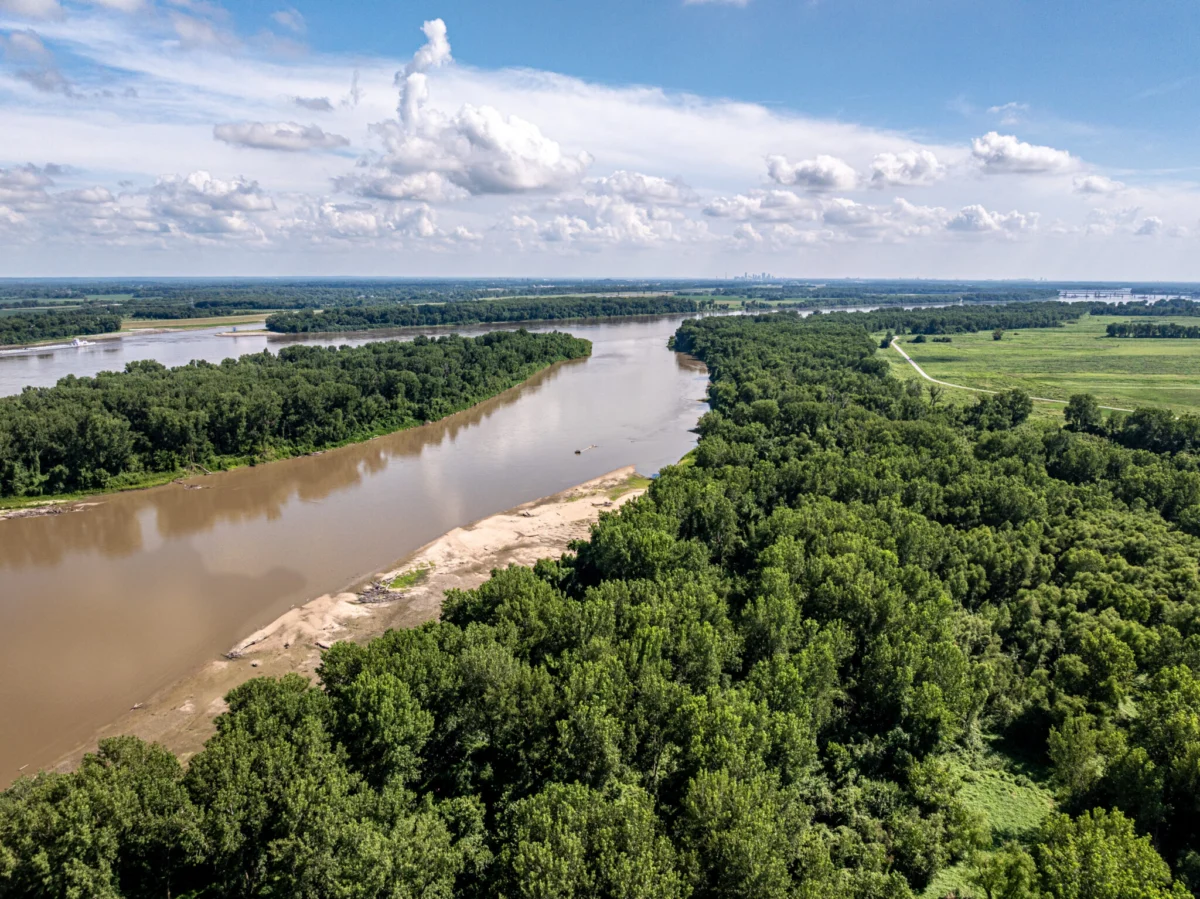
As the summer solstice approaches, the lengthening days offer a renewed invitation to engage with the natural world. For millions of Americans, this season is defined by the rhythmic pull of a paddle, the cooling spray of a mountain stream, or the quiet, meditative stillness of a riverbank. Beyond recreation, these waterways serve as the essential arteries of our environment, sustaining agriculture, providing drinking water, and harboring the complex biodiversity upon which our own survival depends.
This June, as we mark National Rivers Month, the conservation community finds itself at a pivotal juncture. While the threats to our water systems—ranging from industrial pollution to crumbling infrastructure—remain formidable, the past year has been defined by a series of unprecedented victories. Under the guiding principle that Life Depends on Rivers®, advocates, policymakers, and local communities have demonstrated that when we prioritize the health of our watersheds, the dividends are shared by all.
Main Facts: A Resilient Path Forward
The narrative of American river conservation in 2025 and early 2026 is one of systemic restoration and strategic advocacy. The data confirms a growing national consensus: rivers are not merely scenic backdrops, but critical infrastructure that requires proactive stewardship.
Key achievements from the past year include:
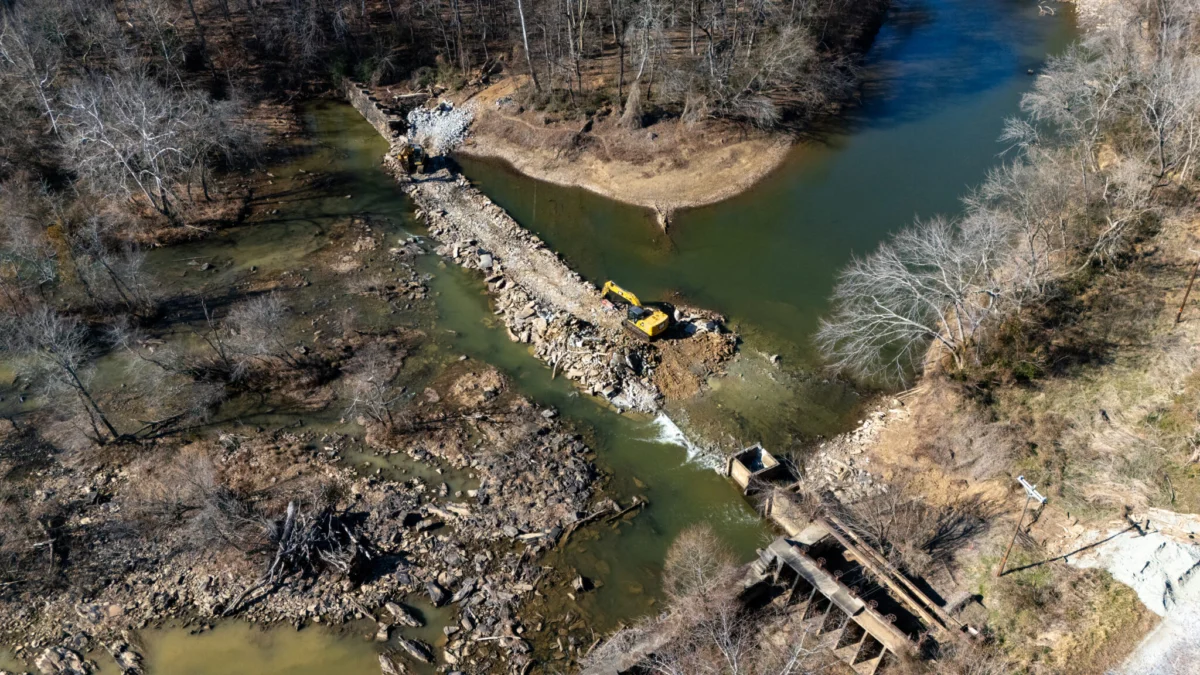
- The Reconnection Milestone: A record-breaking 100 dams were removed across 30 states, restoring connectivity to nearly 5,000 miles of waterways.
- Legislative Triumph in Texas: The passage of a $20 billion water resilience package, representing the largest state-level investment in water infrastructure in American history.
- Cross-Border Diplomacy: A landmark agreement between the United States and Mexico to address the toxic pollution crisis in the Tijuana River.
- Urban Renewal: The successful restoration of headwater wetlands in Seattle, setting a new blueprint for urban climate resilience.
A Chronology of Conservation Victories
The momentum of the past twelve months was not accidental; it was the result of a calculated, multi-year strategy aimed at addressing both legacy infrastructure and contemporary environmental crises.
Spring 2025: The Catalyst of Endangered Status
In April 2025, the release of the America’s Most Endangered Rivers® report brought national attention to the Tijuana River. The designation was not merely a label but a strategic tool used to elevate the issue to the highest levels of federal oversight. By framing the toxic pollution as an urgent public health crisis, environmental advocates were able to bridge the gap between local grassroots frustration and federal intervention.
Autumn 2025: The Ballot Box Breakthrough
November 2025 marked a historic turning point in Texas. Recognizing that the state’s rapid growth and unpredictable climate patterns demanded a new approach to water management, voters overwhelmingly approved a ballot initiative dedicating $1 billion annually for 20 years to water infrastructure and ecosystem restoration. This victory proved that water security is a unifying issue that transcends partisan divides.
Winter 2025–2026: The Year of the Dam Removal
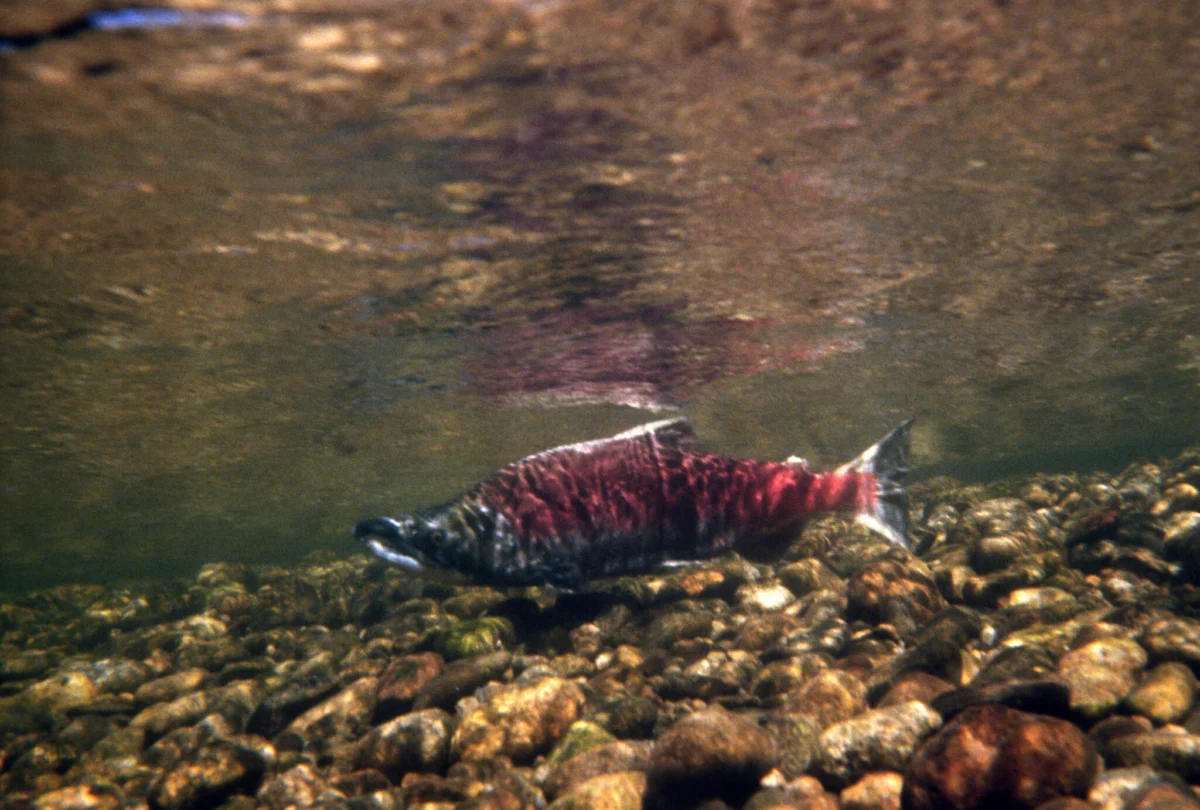
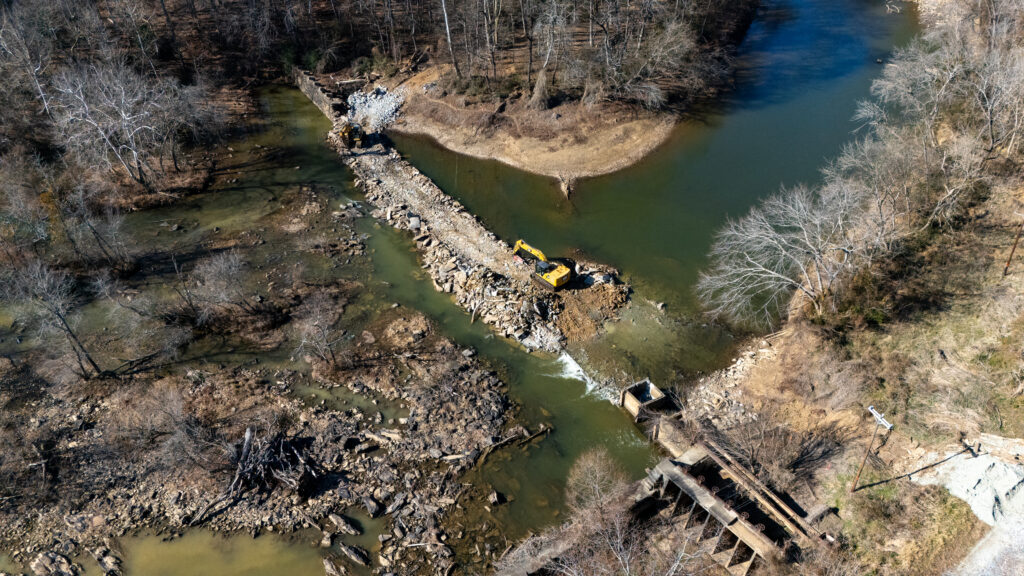
The momentum continued through the winter, as reports confirmed that the United States had successfully removed 100 dams throughout the 2025 calendar year. This collective action effectively "unlocked" thousands of miles of river, allowing migratory fish species to return to spawning grounds that had been blocked for over a century.
February 2026: Urban Restoration in the Northwest
The momentum moved to the municipal level in February 2026, when the Seattle community celebrated the completion of a headwater wetland restoration. This project served as a proof-of-concept for urban planners: nature-based solutions are often more cost-effective and durable than traditional "grey" infrastructure when it comes to flood mitigation and water filtration.
Supporting Data: The Scale of Impact
The efficacy of these efforts can be quantified through the sheer scope of the ecological "real estate" recovered. The 4,893 miles of reconnected river represent more than just a geographic statistic; they represent a fundamental restoration of ecological function.
The Economics of Water
The $20 billion Texas investment serves as a benchmark for how states can approach future climate adaptation. Financial analysts have noted that the allocation—which funds wetland and floodplain restoration—is a hedge against future disaster costs. By allowing rivers to behave naturally during flood events, the state is effectively reducing the liability of its built environment.
The Ecological Return on Investment (ROI)
The removal of 100 dams in a single year has triggered a cascade of benefits. According to aquatic biologists, the removal of outdated barriers leads to an almost immediate increase in sediment transport and nutrient cycling. These factors are critical for the long-term survival of native fish populations, particularly those currently listed as threatened or endangered.
Official Responses and Strategic Advocacy
The success of the Tijuana River agreement provides a masterclass in modern advocacy. When the EPA Administrator met with stakeholders shortly after the Most Endangered Rivers report, it was the culmination of years of relationship-building between the Surfrider Foundation, Un Mar de Colores, and American Rivers.
"This is not just about clean water; it is about the health and dignity of border communities," noted a representative from the coalition. The agreement between the U.S. and Mexico to address the cross-border flow of toxic waste is widely seen as a diplomatic victory that recognizes the river as a shared asset, rather than a point of conflict.
Similarly, the success in Texas was bolstered by the American Rivers Action Fund, which worked in concert with the National Wildlife Federation Action Fund and Texans for Opportunity. This coalition proved that by aligning the interests of conservationists, taxpayers, and economic planners, it is possible to secure large-scale funding even in politically challenging environments.
Implications: The Road Ahead
As we look toward the remainder of 2026 and beyond, these successes offer a roadmap for the future. The implications for national policy are clear:
- Prioritizing Nature-Based Solutions: The success in Seattle highlights that urban environments are not separate from the watershed. Integrating wetlands into city planning is essential for climate adaptation.
- Infrastructure Reform: The "100 Dams Down" initiative has created a precedent. As thousands of dams across the U.S. reach the end of their operational lifespans, the process for decommissioning and removal must be streamlined to match the pace of the climate crisis.
- The Bipartisan Value of Water: The Texas vote confirms that water is a "common denominator" issue. When advocates move away from divisive rhetoric and focus on the practical, tangible benefits of water security—such as flood protection and clean drinking water—broad coalitions can be formed.
A Call to Stewardship
While the achievements of the last year are significant, they are only the beginning. The challenges of climate change—drought, flooding, and rising temperatures—continue to place immense pressure on our freshwater resources. The "Life Depends on Rivers®" mantra is more than a slogan; it is an urgent reminder of our dependency on the natural systems that sustain us.
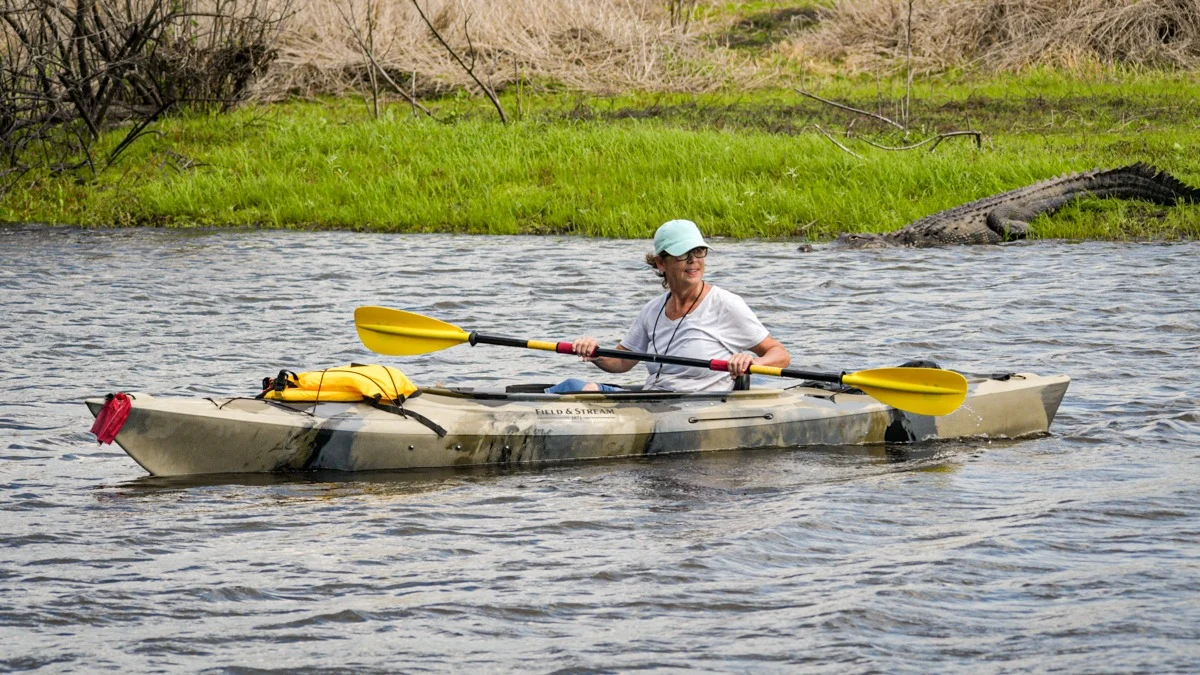
As you enjoy the rivers of your local community this summer—whether you are fishing, paddling, or simply listening to the water—remember that these experiences are the result of collective vigilance. The progress made in the last 12 months proves that when we act with purpose and persistence, we can restore the lifeblood of our nation.
We invite you to stay informed and involved. The health of our rivers is a perpetual work in progress, and your voice remains one of the most effective tools for ensuring that our waterways remain vibrant, healthy, and flowing for generations to come.
For those interested in receiving the latest updates on regional conservation efforts, water policy, and opportunities for local advocacy, we encourage you to subscribe to our newsletter. Together, we can continue to protect the rivers that sustain us all.