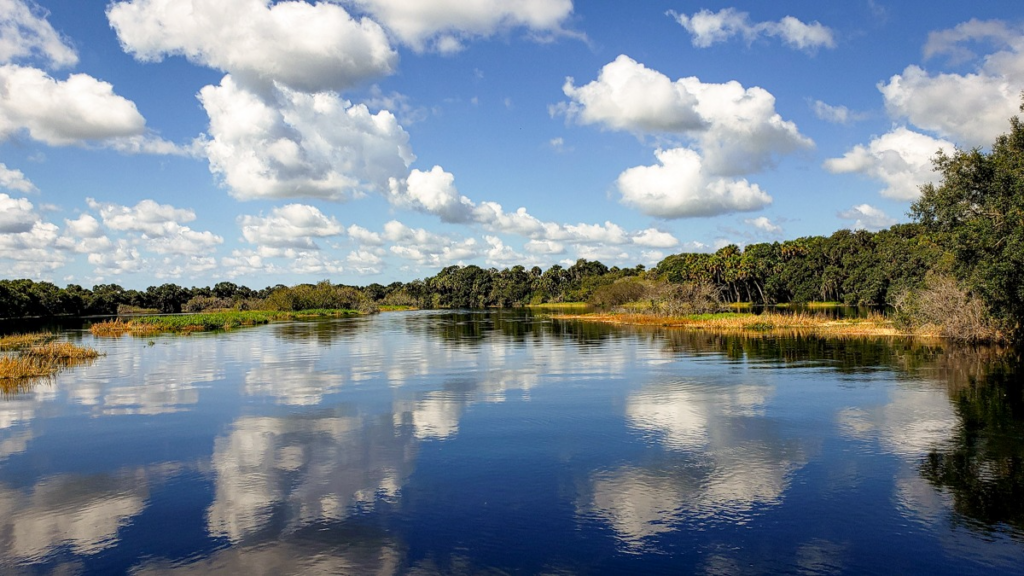
In the heart of Sarasota County, Florida, the Myakka River is far more than a waterway; it is the lifeblood of a landscape defined by rapid urbanization and pristine ecological beauty. As one of the fastest-growing regions in the United States, Sarasota finds itself in a delicate balancing act—trying to preserve the natural character of its backyard while accommodating a swelling population. At the center of this tension is the Myakka, a rain-fed river that defines the local identity, powers the regional economy, and offers a sanctuary for wildlife, including the elusive manatee.
The recent push to secure federal status under the Myakka Wild and Scenic River Act of 2025 represents a watershed moment for American conservation. It is a story that begins not in the halls of Congress, but on the banks of the river, where local advocates have spent decades nurturing a culture of stewardship.
The Essence of the Myakka: A Living Landscape
To understand the Myakka is to understand the rhythm of Florida’s seasons. As a rain-fed river, its morphology is constantly shifting. During the wet season, it swells with vitality, nourishing the surrounding wetlands; in drier months, it retreats, revealing sun-baked riverbeds that remind locals of the river’s fragility.
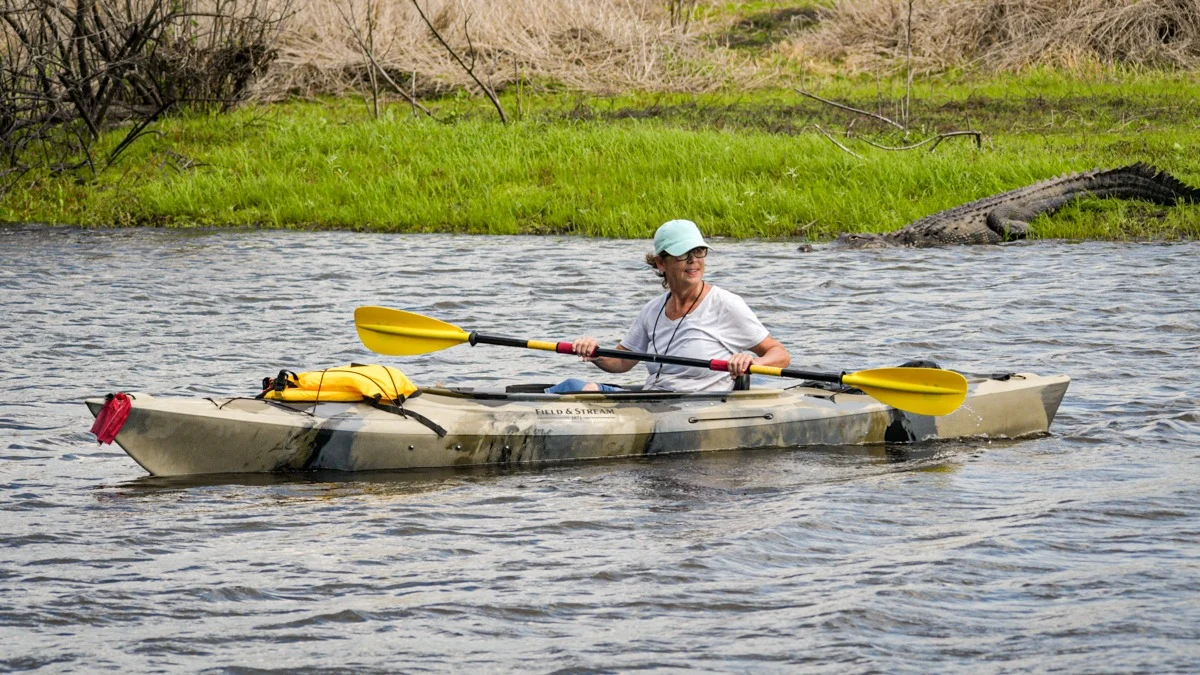
Miri Hardy, founder of the Myakka River Partnership, describes this connection with a touch of reverence. "The Myakka’s magic," she notes, "is that it gets under your skin." For the people of Sarasota, the river is the backdrop of their most cherished memories—early morning fishing trips, quiet afternoons paddling through mangroves, and the shared peace of a landscape that feels increasingly rare. This emotional resonance is the bedrock upon which all conservation efforts are built. When residents speak the name "Myakka," it is common to see faces soften and eyes brighten; it is a shared sense of place that transcends political or social divides.
A Chronology of Stewardship
The path to federal recognition did not happen overnight. It is the culmination of nearly four decades of strategic, local-led conservation.
- 1985: The Florida Legislature enacts the Myakka River Wild and Scenic Designation and Preservation Act. This state-level initiative establishes the Myakka River Management Coordinating Council, a landmark body designed to synchronize management across various state agencies. It marks the first formal acknowledgment that the river requires a unified, cross-jurisdictional approach.
- The Interim Decades: For thirty years, the Council and various grassroots organizations work to maintain water quality, protect habitat, and manage recreational access. During this time, the region undergoes explosive growth, increasing the pressure on the watershed and proving that local commitment alone may not be enough to guard against long-term development risks.
- 2025: Realizing that local and state protections need an added layer of permanence, a coalition of advocates, nonprofit leaders, and state representatives join forces.
- 2025 (Legislative Push): Rep. Greg Steube (R-FL-17) and Sen. Rick Scott (R-FL) introduce the Myakka Wild and Scenic River Act. This legislation aims to bring the river into the federal Wild and Scenic Rivers System, elevating the local protection efforts to a national priority.
Supporting Data: The State of Our Rivers
The necessity for the Myakka’s protection is grounded in stark national data. The United States possesses approximately 4.4 million miles of rivers, yet the vast majority remain critically vulnerable.
Current statistics paint a concerning picture:
- 80% of American rivers lack adequate safeguards to protect them from industrial runoff, over-development, or climate-induced degradation.
- Two-thirds of all rivers currently have no formal federal protection whatsoever.
- The Partnership Model: The Myakka will join a select group of 18 "Partnership Wild and Scenic Rivers." Unlike traditional designations in the American West, which often encompass vast, federalized wilderness areas, Partnership rivers flow through a complex patchwork of private land and local jurisdictions. This model is uniquely suited for the Eastern United States, where river management must balance private property rights with the necessity of public resource preservation.
The Logic of Partnership: Official Perspectives
The strategy behind the Myakka Wild and Scenic River Act relies on the philosophy that federal designation should never be a top-down imposition. Miri Hardy characterizes federal status as "the icing on the cake, but you have to have the cake first."
The "cake" in this scenario is the decades of trust-building, scientific monitoring, and community engagement conducted by the Myakka River Management Coordinating Council. By the time the federal government becomes involved, the local stakeholders have already spent years hammering out management plans that respect the nuances of the watershed.
This approach is designed to foster cooperation rather than conflict. By bringing tribes, nonprofits, local governments, and private landowners to the table before federal designation occurs, the "Partnership" model ensures that everyone has a voice. It recognizes that rivers do not follow human-drawn maps; they move across private and public lands with a singular, fluid indifference to bureaucracy. Therefore, the protection must be equally fluid—based on shared responsibility rather than rigid mandates.
Implications for the Future of Conservation
The Myakka River serves as a microcosm for a broader, national challenge. As extreme weather events, pollution, and population growth exert unprecedented pressure on freshwater resources, the need for robust, flexible conservation tools has never been greater.
1. The Resilience of Community-Led Models
The success of the Myakka project provides a blueprint for other regions. It demonstrates that local passion can be transformed into national policy. When communities "show up" for their rivers—volunteering for restoration work, lobbying local officials, and fostering an ethic of care—they create the political capital necessary to trigger federal action.
2. Freshwater as a Strategic Resource
Freshwater is one of the nation’s most finite and valuable resources. The Wild and Scenic Rivers System, established in 1968, was designed to preserve the free-flowing character of rivers for their "natural, cultural, and recreational values." By protecting the Myakka, the federal government is not just preserving a scenic backdrop; it is safeguarding a critical element of the regional water cycle that provides clean water to the ecosystem and the economy alike.
3. Bridging the Jurisdictional Divide
The most significant implication of the Myakka’s potential designation is the validation of the Partnership model. In a country that is becoming increasingly polarized, the "Partnership" approach offers a rare middle ground. It allows local communities to retain control over their daily lives while benefiting from the legal weight and funding opportunities that federal protection provides. It proves that environmental protection is not an impediment to economic prosperity but a prerequisite for long-term sustainability.
Conclusion: A Legacy in Motion
As the Myakka Wild and Scenic River Act of 2025 winds its way through the legislative process, the story of the Myakka serves as a powerful reminder of the relationship between humans and the natural world. Rivers are the arteries of our continent, connecting people, places, and histories.
The Myakka River is a testament to what happens when a community refuses to let their backyard treasures fade into obscurity. By organizing, collaborating, and dreaming of a future where the river remains wild, the residents of Sarasota County have done more than protect a waterway; they have secured a legacy. Their work ensures that the magic of the Myakka—the fishing, the paddling, the manatee sightings, and the quiet beauty of the Florida wetlands—will remain for generations to come.
As we look toward the future, the Myakka stands as a beacon for river conservationists everywhere: when you find a place that gets under your skin, you don’t just watch it—you work for it. And when you work for it together, you can change the course of history.