By Ben Emanuel | July 31, 2026
While the summer of 2026 has been defined by blistering heat waves that have dominated national headlines, a quieter, more pervasive crisis is unfolding across the American Southeast. Beneath the glare of record-breaking temperatures lies a severe, multi-state drought that is tightening its grip on the region’s waterways, threatening municipal water supplies, and pushing river ecosystems to their breaking point.
The State of the Basin: Main Facts and Current Conditions
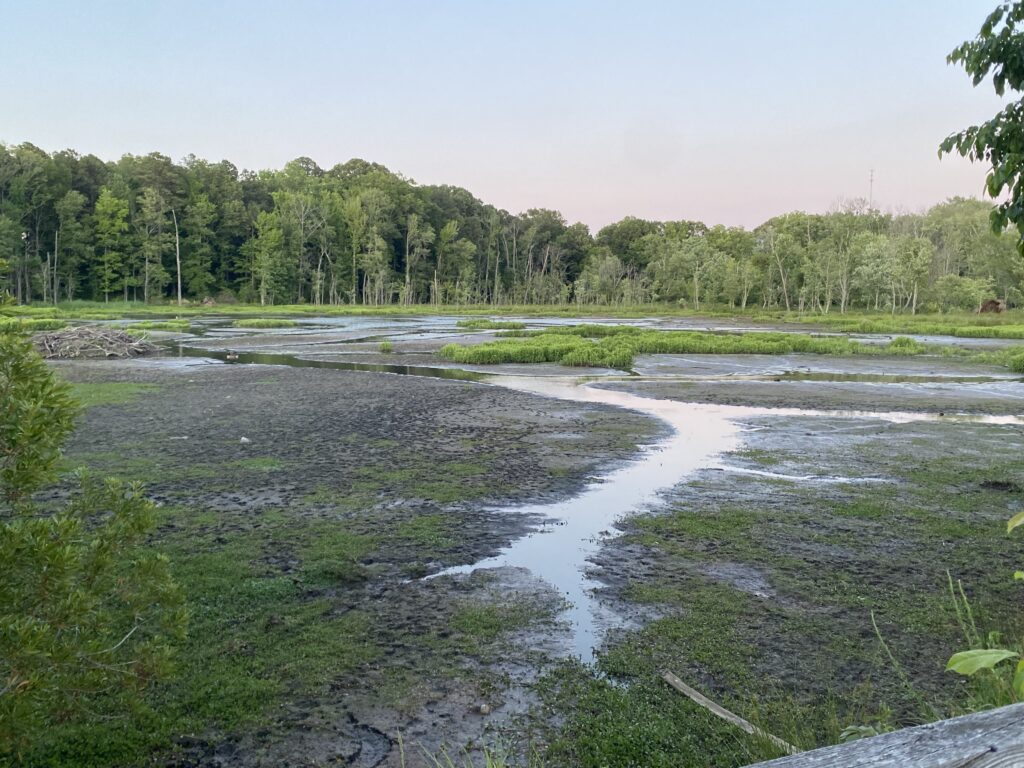
The U.S. Drought Monitor has consistently painted a grim picture for the Southeast throughout the summer of 2026. In North Carolina, the situation has moved from concerning to critical, with large swaths of the state languishing in severe or extreme drought conditions for several consecutive months. Stream and river flows in the region have plummeted, with many gauges recording levels near historic lows.
Drought is a natural phenomenon, yet the current crisis is exacerbated by modern human activity. The combination of water withdrawals for industrial and residential use, the hardening of landscapes through urban sprawl, and the alteration of natural river flows has reduced the resilience of our watersheds. When we pave over the land, we prevent the ground from absorbing rainfall—a vital process that naturally replenishes groundwater and maintains baseflow for rivers during dry spells. As our climate shifts, these droughts are becoming more intense, frequent, and long-lasting, forcing a re-evaluation of how we manage our most precious natural resource.
A Chronology of the Crisis: The Roots of the Dry Spell
The current drought did not begin with the first heat wave of June; its origins trace back to a remarkably parched winter. In the Southeast, winter and early spring are the critical periods for recharging the aquifers and groundwater tables that sustain rivers through the summer.
- Winter 2025-2026: A significantly dry winter left the region’s hydrological "bank account" underfunded before the growing season even began.
- Spring 2026: Typically a season of replenishment, spring failed to deliver the expected rainfall. Instead, drought conditions intensified, creating a "dry-on-dry" effect.
- Early Summer 2026: As temperatures soared in June and July, the soil moisture evaporated rapidly, mirroring the experience of a home gardener whose beds are cracked and dusty. This early-season drop in river flows set the stage for the current ecological distress.
- Late July 2026: The persistence of these conditions has led to a state of sustained emergency in North Carolina, while neighboring Georgia continues to teeter on the edge, despite sporadic, localized rain events.
Supporting Data: The Ecological Toll
The impacts of this drought are not merely aesthetic; they are biological and economic. When river flows remain at near-record lows for extended periods, the temperature of the water rises, and oxygen levels drop. This creates a "perfect storm" for aquatic life.
The Chattahoochee Warning
The human cost of this ecological strain was starkly illustrated in Atlanta, where a massive fish kill on the Chattahoochee River made headlines. Investigators point to "weather whiplash"—the rapid oscillation between extreme drought and sudden, intense flash flooding—as a primary driver. These events overwhelm natural systems, washing pollutants into the water and creating sudden chemical shifts that local wildlife cannot survive.
The "Hidden" Demand
The stress on our rivers is being compounded by a modern "perfect storm" of stressors:
- Urban Sprawl: Increasing impervious surfaces (concrete and asphalt) prevents water infiltration.
- Population Growth: Higher density in the Southeast demands more consistent municipal water supply.
- Energy and Data: The rise of energy-intensive industries and massive data centers creates an unprecedented appetite for cooling water and electricity, placing a heavy, often unseen, burden on the regional water budget.
Official Responses and Strategic Management
Water managers and environmental advocates are now facing a reckoning. The old model of "wait for the rain" is proving insufficient in a changing climate.
American Rivers and other environmental organizations have spent years advocating for an "efficiency first" approach. This strategy prioritizes the repair of aging, leaky municipal infrastructure and the promotion of water-wise landscaping before seeking new sources of water.
The Path Forward: Smart Infrastructure
"We must be planning for drought when we are not in drought," notes the consensus among environmental planners. Key recommendations include:
- Integrated Water Resource Management: Utilities must transition from reactive management to proactive, data-driven planning that prioritizes the "natural flows" necessary to maintain river health.
- Smart Infrastructure: Investing in nature-based solutions—such as restoring floodplains and wetlands—allows the landscape to act as a natural sponge, storing water during wet periods to release slowly during dry ones.
- Conservation Policies: Municipalities are being urged to implement permanent water-saving ordinances rather than relying solely on temporary bans during the peak of the summer.
Implications: The Long Road to Recovery
It is a common misconception that a single heavy rain event ends a drought. Hydrologists emphasize that it takes a long time to enter a drought and an even longer time to recover. In North Carolina, the recovery timeline is expected to be protracted, as the deficit in groundwater is deep and the summer heat continues to act as a constant siphon on any moisture that does arrive.
For the public, the implications are clear: the era of abundant, guaranteed water in the Southeast is being challenged. Whether it is reducing outdoor water use, investing in low-flow appliances, or supporting local policies that protect river buffers, the role of the individual is significant.
However, the burden also lies with policymakers and utility managers. The current drought serves as a wake-up call that our water infrastructure is not yet "river-friendly." Without significant investment in efficiency and a shift toward smarter, more sustainable water planning, the rivers that define the Southeast—and the communities that depend on them—will remain vulnerable to an increasingly unpredictable climate.
As we move through the remainder of the summer, the lesson of 2026 is etched into every dry riverbed and low-flowing stream: our water security is inextricably linked to the health of our rivers. Protecting those flows is no longer just an environmental goal; it is a necessity for our future.
To stay updated on the latest news regarding water security and the health of our rivers, sign up for our newsletter and join the growing movement for sustainable water management.