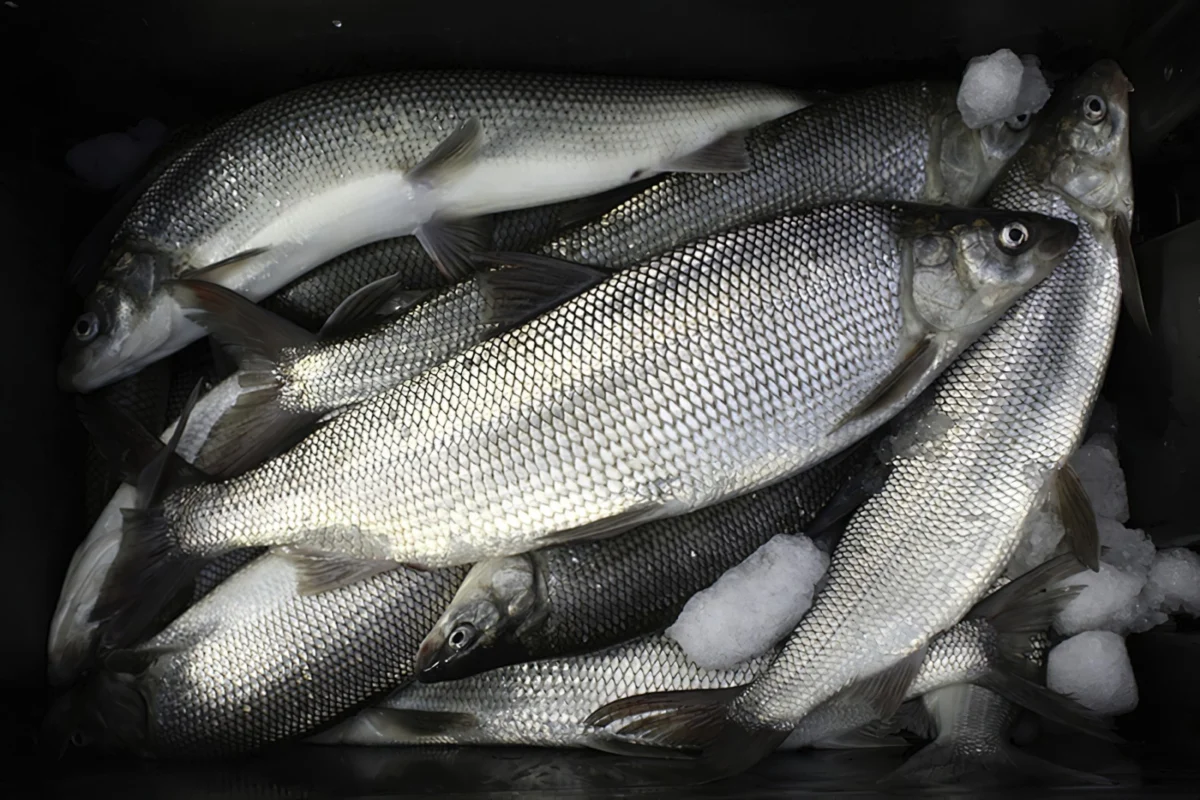
The lake whitefish, a species long synonymous with the heritage and culinary identity of the Great Lakes, is facing a silent, existential crisis. As populations in lakes Michigan and Huron teeter on the brink of collapse, Michigan lawmakers have begun exploring a desperate, eleventh-hour intervention to prevent the permanent loss of this keystone species.
A new appropriations bill moving through the Democrat-controlled state Senate represents the latest attempt to secure funding for a rearing and stocking program. While the initial legislative proposal includes only a nominal $100 "placeholder" allocation, the move signals a growing political recognition that the window to save the unique genetic stocks of these fish is rapidly closing.
The State of the Crisis: A Species in Freefall
For generations, the lake whitefish has served as the backbone of the Great Lakes commercial fishing industry and a vital component of the region’s biodiversity. However, the ecosystem has undergone a radical transformation over the past several decades, primarily driven by the unchecked proliferation of invasive quagga and zebra mussels. These organisms have fundamentally altered the food web, starving the whitefish of the nutrients and small organisms they require to thrive.
The impact is not merely anecdotal; the data is stark. Of the 18 genetically distinct whitefish populations in lakes Michigan and Huron, 14 are currently classified as "imperiled." Even more alarming is that the remaining four populations—previously considered stable—are now showing signs of rapid decline, including those in Green Bay, which had long served as a stronghold for the species.
"It could potentially be now or never for some of those genetic stocks," says state Sen. John Cherry, D-Flint, who is spearheading the effort to bring the issue to the forefront of budget negotiations. "Some of these bloodlines could vanish within years if we do not act."
Chronology of the Decline and the Push for Intervention
The path to this moment has been paved by years of ecological warning signs and a slow-moving policy response.
- 1990s–2000s: The arrival and rapid expansion of invasive mussels fundamentally re-engineer the Great Lakes environment, leading to a steady decline in native fish health.
- 2023–2024: Investigative reporting by Bridge Michigan sheds light on the scale of the collapse, exposing the lack of governmental urgency compared to other environmental threats.
- Early 2025: Tribal and state natural resources agencies begin informal discussions regarding the feasibility of "captive rearing"—raising whitefish in protected, human-controlled environments.
- May 2026: State Sen. John Cherry introduces an appropriations bill in the Senate, marking the first formal legislative attempt to earmark state funding specifically for a whitefish recovery and stocking program.
- Present Day: The bill sits in the Senate, awaiting further debate as the state government faces a September deadline to finalize a $76 billion unified budget.
The Economics of Recovery: A Disparity in Funding
One of the most persistent criticisms regarding the whitefish collapse is the vast disparity in how the government funds conservation. While millions of dollars are funneled into the fight against invasive carp, the war on invasive mussels—the primary driver of the whitefish decline—has received less than $1 million annually.
As experts have noted, for every dollar spent protecting the Great Lakes from carp, only a single penny is allocated toward the mussel crisis. This funding starvation has led to a situation where potential research breakthroughs on mussel control are expected to take decades, a timeline the whitefish simply does not have.
"The lower lakes’ whitefish don’t have the time to wait," notes Randy Claramunt, the DNR’s fisheries chief.
The proposed recovery plan, which focuses on a "Noah’s Ark" strategy, involves collecting wild spawning fish, raising their offspring in hatcheries, and maintaining a captive population for genetic preservation. Claramunt estimates that rescuing a single population costs between $200,000 and $300,000 annually. Currently, the DNR has enough existing facility space to potentially rescue three of the 18 threatened populations, though this would require an immediate infusion of funding and logistical coordination with tribal and university partners.
Official Responses and Political Hurdles
The legislative path forward is fraught with uncertainty. The Michigan House of Representatives, currently led by Republican lawmakers, has proposed a budget that cuts overall DNR funding by $36.3 million, putting it at odds with Gov. Gretchen Whitmer’s proposed $63.5 million increase.
The placeholder amount of $100 in the Senate bill serves as a political tether, keeping the conversation alive while the two chambers negotiate the broader budget. Sen. Cherry acknowledges that the reporting done by media outlets has been vital in keeping the issue on the radar. "Quite frankly, your guys’ reporting was helpful in highlighting the issue," Cherry told reporters. "Otherwise, I think a lot of folks wouldn’t be aware of it."
However, silence remains from key corners of the capitol. State Reps. Ken Borton and Ann Bollin, who oversee the House committees responsible for the DNR budget, have not commented on the potential for whitefish-specific appropriations. The tension between prioritizing "game species" like salmon and trout versus "commercial species" like whitefish remains a significant barrier to securing consistent, long-term funding.
Implications: The Moral and Economic Cost of Inaction
The potential loss of the lake whitefish is more than an ecological failure; it is a loss of regional identity. As an iconic symbol of the Great Lakes, the whitefish is the cornerstone of a once-robust commercial fishery that has provided livelihoods for coastal communities for over a century.
If the species vanishes from the lower lakes, the ripple effects will be felt across the entire ecosystem. As a primary link in the food chain, the collapse of whitefish populations destabilizes the health of the lakes themselves.
Moreover, the situation serves as a grim litmus test for Michigan’s environmental legacy. Sen. Cherry’s comparison to the passenger pigeon—a species that was once abundant in North America before being hunted to extinction—is a sobering reminder of the consequences of inaction.
"We have an opportunity right now to figure out which direction we want to go," Cherry said. "The direction of the passenger pigeon, or do we want to go the direction of the turkey?"
The "turkey" reference alludes to the state’s successful, long-term conservation efforts that managed to restore decimated populations through intensive, state-led intervention. The difference, however, lies in the complexity of the aquatic environment. Unlike land-based conservation, the Great Lakes remain an unpredictable, interconnected ecosystem where invasive species continue to exert relentless pressure.
Looking Ahead
As the September deadline for the state budget looms, the future of the whitefish hinges on a delicate balance of political will and scientific urgency. If the legislature fails to provide more than a symbolic placeholder, the responsibility may fall to a patchwork of tribal and university initiatives that, while well-intentioned, lack the financial power to address the scale of the collapse.
The DNR is now conducting an audit of existing facility space, asking critical questions: Who can provide space? What can we do without building new facilities? These questions underscore the reality that the rescue effort is currently a "stopgap" measure—a temporary bridge to a future where, perhaps, the Great Lakes can once again host the healthy, self-sustaining whitefish populations that once defined them.
For now, the whitefish remains in the crosshairs of an ecological crisis, waiting to see if the state of Michigan will view their survival as a priority worth investing in, or if they will become another chapter in the history of lost species.