For over a century, the Antiquities Act of 1906 has served as one of the most powerful tools in the American conservation toolkit. Signed into law by President Theodore Roosevelt, this landmark legislation empowered the executive branch to bypass congressional gridlock and shield the nation’s most irreplaceable cultural, geological, and biological treasures from industrial exploitation. From the iconic redwoods of Muir Woods to the vast, arid canyons of the Southwest, nearly half of America’s beloved National Parks began their lives as National Monuments.
However, a dramatic shift in federal policy has cast a long shadow over these landscapes. On July 13, 2026, the federal government issued a sweeping set of proclamations that effectively gutted two of the nation’s most significant protected areas: Bears Ears and Grand Staircase-Escalante National Monuments. By reducing their boundaries by 90%—a combined loss of nearly 3 million acres—the administration has ignited a firestorm of controversy, raising profound questions about the sanctity of public land, the rights of Indigenous nations, and the future of America’s natural heritage.
The Antiquities Act: A Legacy of Bipartisan Stewardship
The strength of the Antiquities Act has always rested in its longevity and its bipartisan history. Since 1906, forty presidents—spanning the political spectrum—have utilized the act to protect landscapes that represent the soul of the American continent. These designations were not merely about preserving scenery; they were about securing the integrity of watersheds, protecting archeological sites, and ensuring that future generations could experience the untamed wilderness.
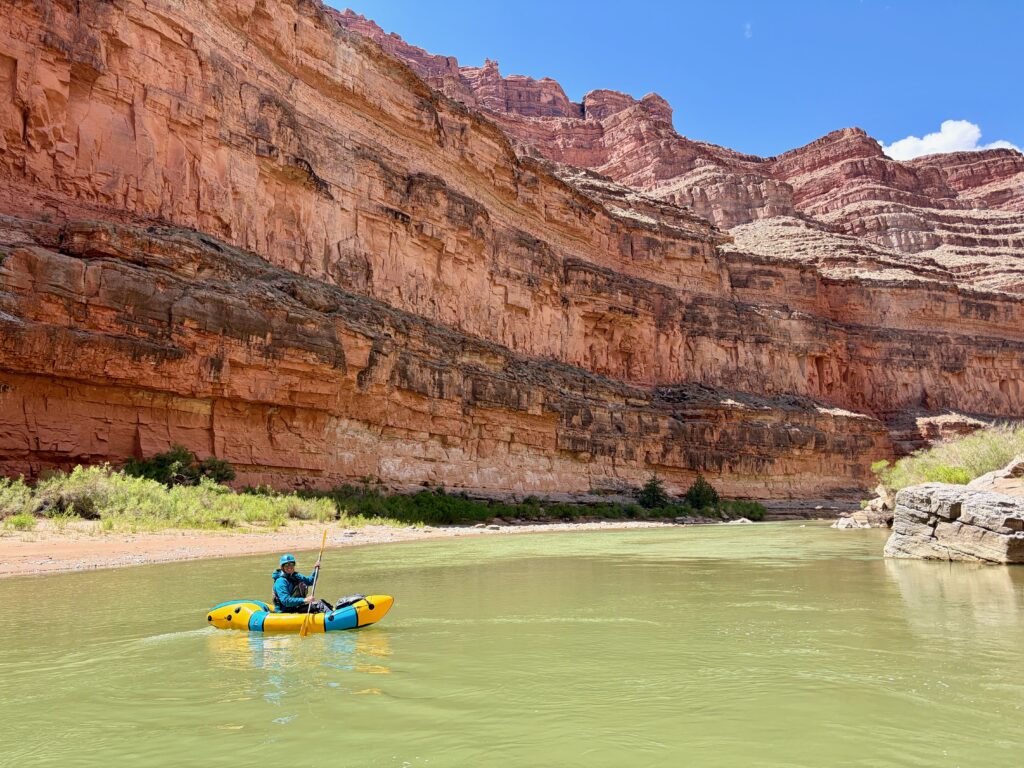
The historical trajectory of these lands is undeniable. When President Roosevelt established 18 national monuments in the act’s infancy, he set a precedent for the creation of iconic parks, including the Grand Canyon, Zion, and Arches. These protected areas are not just static museum pieces; they are dynamic ecosystems. Over the last 30 years alone, 31 national monuments have been designated across the United States, providing direct protection to 21,143 miles of rivers across 2,125 individual watersheds. These rivers serve as the lifeblood for downstream communities, ensuring clean water supplies for more than 13 million Americans.
A Chronology of Conflict: The 2026 Rollback
The recent decision to dismantle Bears Ears and Grand Staircase-Escalante is the latest chapter in a volatile political saga. The tension surrounding these lands dates back years, but the current escalation marks a departure from previous administrative efforts.
- 1996: President Bill Clinton designates Grand Staircase-Escalante National Monument, citing its profound paleontological and geologic value.
- 2016: President Barack Obama establishes Bears Ears National Monument, a historic milestone achieved in partnership with the Bears Ears Inter-Tribal Coalition, marking the first time a monument was created specifically to honor the ancestral and ongoing connection of Tribal nations to a landscape.
- 2017: A previous administration attempts to reduce these boundaries by 2 million acres. This move is met with intense litigation and public outcry, eventually being reversed by President Joe Biden in subsequent years.
- July 13, 2026: In a stunning move, the current administration issues proclamations to excise 90% of the land from these monuments, leaving only 300,000 acres under protection. Furthermore, the Bears Ears Commission—a vital body comprised of Tribal representatives—is disbanded, and Tribal seals are physically removed from monument signage, a move widely criticized as a symbolic and literal erasure of Indigenous sovereignty.
The Economic and Ecological Stakes
The argument often cited by proponents of monument reduction is that federal protection stifles local economic growth. However, data from gateway communities suggests the opposite.
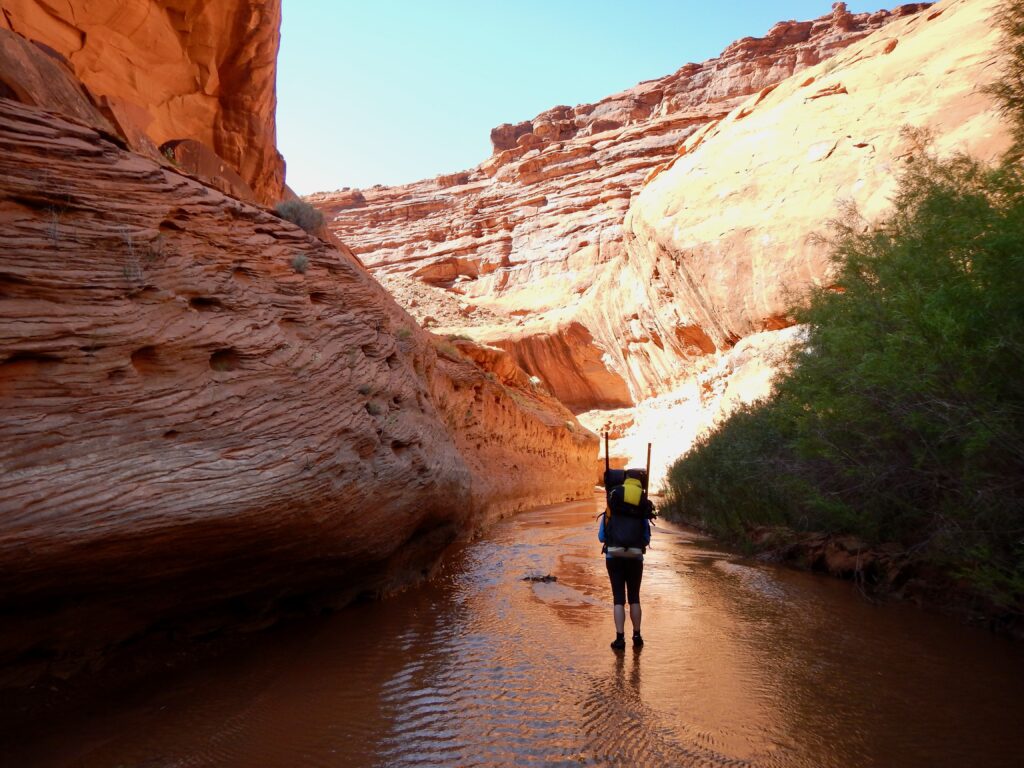
In New Mexico, the designation of the Rio Grande Del Norte National Monument served as a catalyst for regional prosperity. In the year following its establishment, the town of Taos witnessed a 40% surge in tourism and a 20% increase in lodging tax revenue. This economic activity is rooted in the "outdoor recreation economy," which relies on healthy, accessible public lands for hunting, fishing, paddling, and hiking.
The ecological impact is equally significant. These monuments act as "natural water towers." In Maine, the Katahdin Woods and Waters National Monument provides essential protection for the East Branch of the Penobscot River. According to a 2025 National Park Service study, this monument generated $3.4 million for local gateway communities while safeguarding the habitat of endangered Atlantic salmon, wild brook trout, and Canada lynx. By protecting the headwaters, the monument ensures that clean water flows downstream, benefiting both rural agriculture and urban centers alike.
Indigenous Sovereignty and the "Open-Air Cathedral"
Perhaps the most contentious aspect of the 2026 rollback is the impact on Tribal nations. For the Hopi, Navajo, Ute Mountain Ute, Zuni, and Ute Indian Tribes, Bears Ears is not merely "public land." It is an ancestral homeland, a place of prayer, and a repository of history. With over 100,000 archeological sites—including cliff houses, kivas, and ancient rock art—the region is frequently described as an "open-air museum."
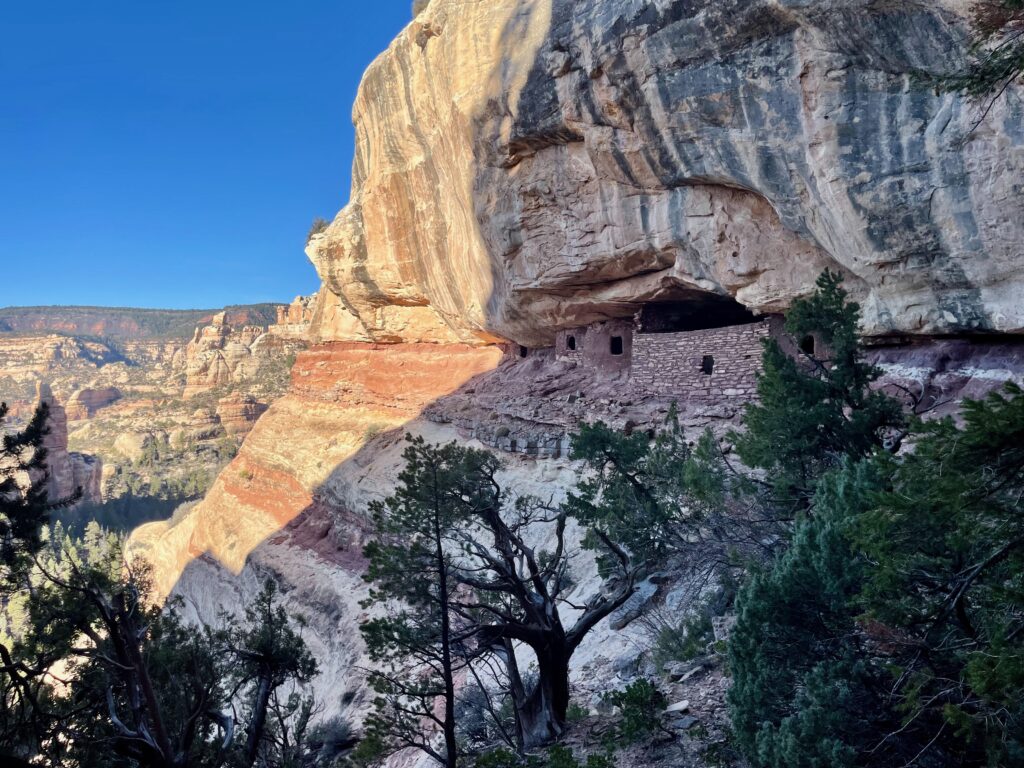
The dissolution of the Bears Ears Commission is a direct blow to the principle of co-management. By removing the influence of the very nations who have stewarded these lands for millennia, the federal government has signaled a retreat from the collaborative spirit that defined the 2016 designation. Across Utah, the response has been fierce: over 1,000 citizens recently gathered in six cities to protest the changes, demanding the restoration of the original boundaries and the reinstatement of Tribal authority in land management.
Implications for the Future of Public Lands
The reduction of these monuments creates a dangerous precedent. If nearly 3 million acres can be stripped of their protected status by executive fiat, what does that mean for other monuments currently under the watchful eye of the federal government?
There is no doubt that there are places in the United States where resource development is appropriate and necessary. However, the National Monument system was designed specifically to exclude the most "irreplaceable" landscapes from that category. When we lose these areas to mining, drilling, or industrial development, we do not just lose acreage; we lose the biological connectivity that allows wildlife to migrate, we lose the cultural markers of our history, and we lose the trust of the sovereign nations who have been the primary stewards of this continent for thousands of years.
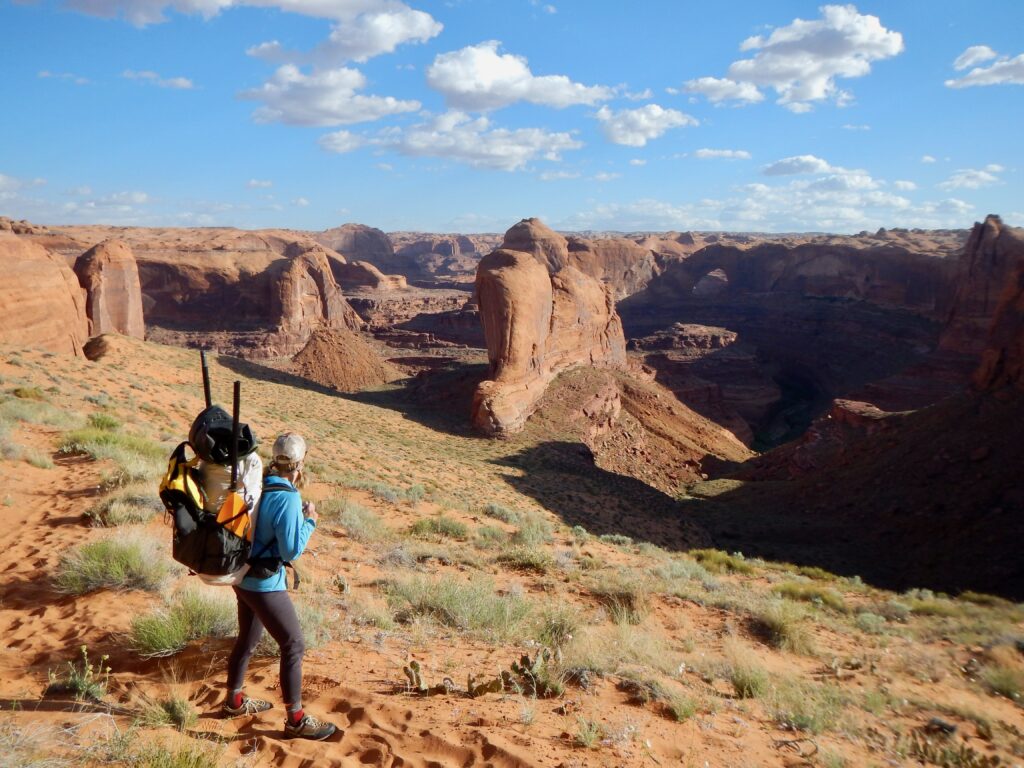
The current crisis highlights a fundamental tension in American democracy: the struggle between short-term resource extraction and long-term environmental stewardship. As the public watches the future of the American West unfold, the question remains whether the nation will continue to honor the legacy of the Antiquities Act or allow its most precious landscapes to be sacrificed to the demands of the moment.
A Call to Action
For those who value the preservation of our natural heritage, the path forward involves active engagement. Whether it is visiting these monuments to experience their majesty firsthand, supporting the Tribal coalitions fighting for their sovereignty, or staying informed about the status of Roadless Areas and Wild and Scenic Rivers, public involvement is the only true defense against the erosion of our public trust.
The rivers, canyons, and mesas of the West belong to the people, but they are held in trust by the government. The events of July 2026 serve as a stark reminder that this trust is not a permanent guarantee—it is a responsibility that must be defended by every generation. As the dust settles on the recent proclamations, the fate of our national monuments will ultimately be decided by whether the American public demands the protection of the land, or accepts its slow, systematic disappearance.