In the high-altitude environments of the Colorado Rockies, the line between an ambitious objective and a medical emergency is often thinner than the air itself. For experienced backcountry travelers, the assumption of invincibility—often built upon years of acclimatization and physical conditioning—can become a liability. A recent, detailed case study of a seasoned guide offers a sobering look at how even a veteran adventurer can succumb to a "perfect storm" of physiological stressors, illustrating that the symptoms we label as "altitude sickness" are frequently the result of a complex, cascading failure of multiple bodily systems.
The Case Study: When Symptoms Converge
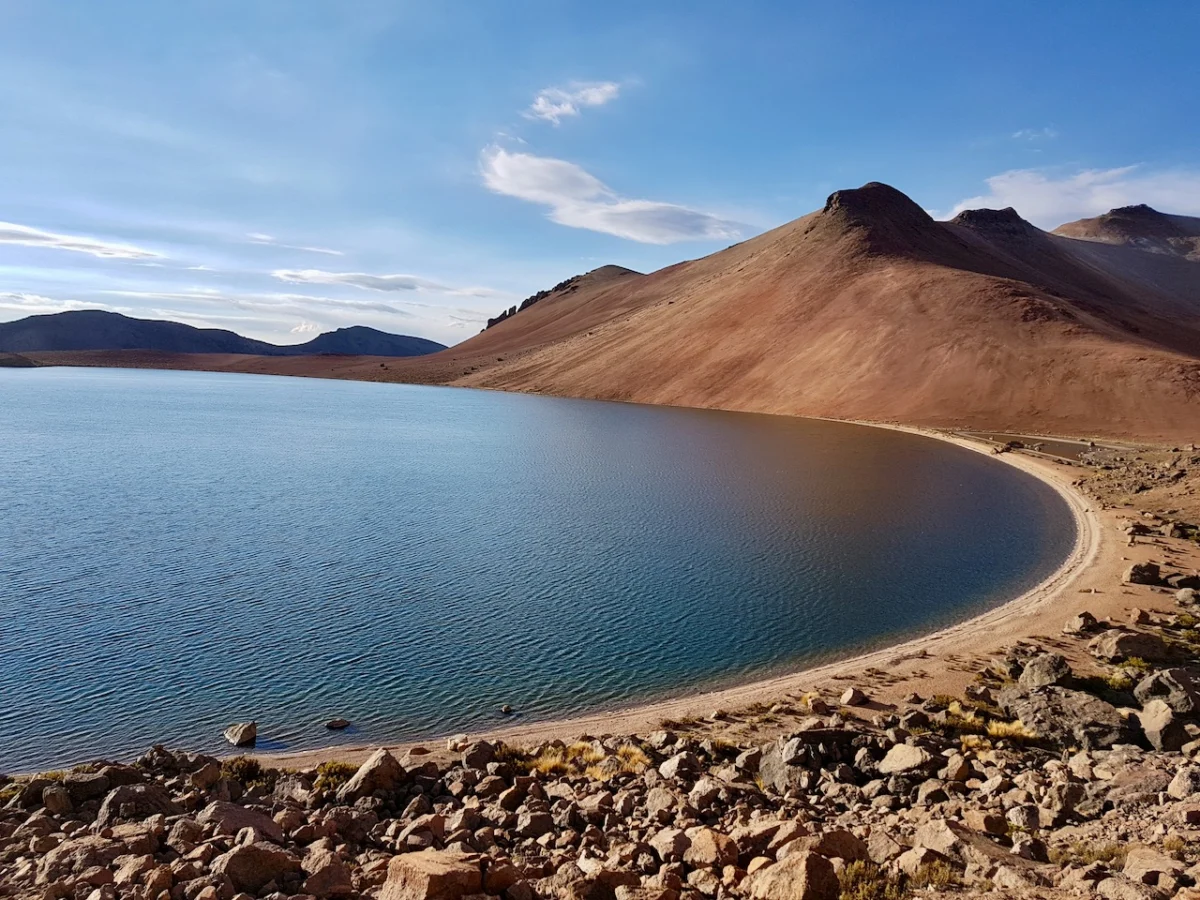
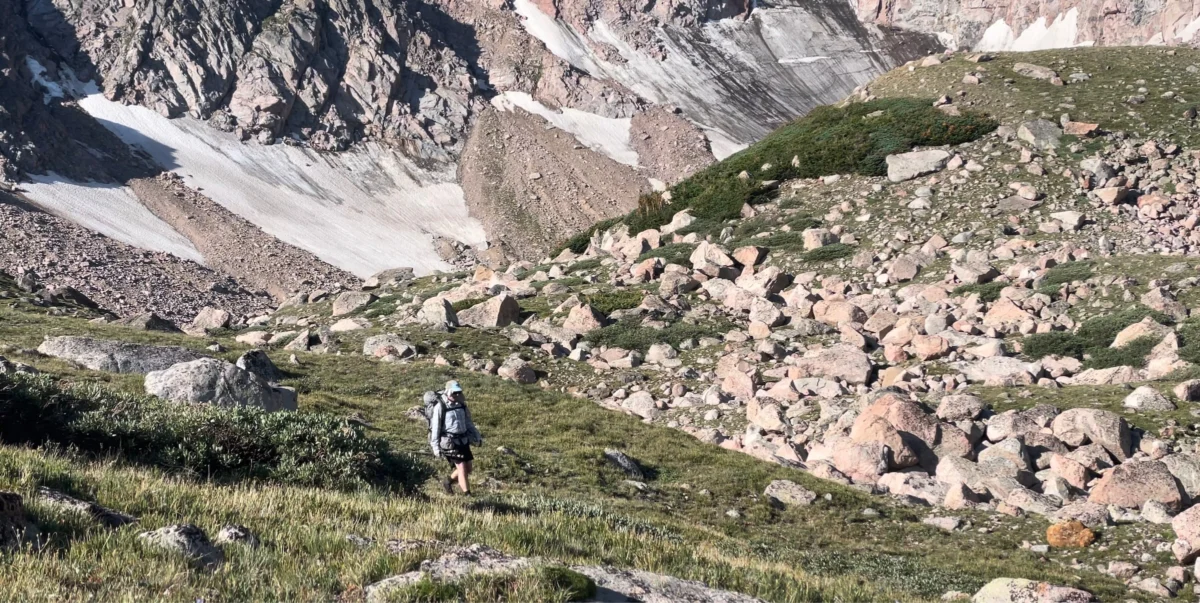
The subject, a guide with over three decades of experience, embarked on a routine overnight backpacking trip in a northern Colorado wilderness area. Despite living at a baseline elevation of 7,600 feet in Estes Park—providing a level of chronic acclimatization—the subject experienced a profound physiological collapse upon reaching a high-alpine lake at 11,500 feet.
Within hours of arrival, the hiker developed a constellation of debilitating symptoms: an intense headache, persistent nausea, overwhelming fatigue, mild dizziness, debilitating chills, involuntary shakiness, anxiety, and severe temperature dysregulation. A retrospective analysis using the 2018 Lake Louise Acute Mountain Sickness (AMS) Score yielded a score of 7, firmly placing the subject in the category of moderate Acute Mountain Sickness. However, the diagnosis was far from straightforward. While the altitude was the most visible factor, data reconstruction suggests a confluence of stressors—carbohydrate depletion, an extreme energy deficit, clinical dehydration, and a pre-existing sleep debt—that mimicked, and perhaps exacerbated, the effects of thin air.
Chronology of the Ascent
The failure did not happen at the 11,500-foot mark; it began at the trailhead. Understanding the collapse requires a granular look at the timeline of the excursion.
- 05:30 AM: Departure from Estes Park. The subject, already carrying a cumulative sleep debt, began the transit to the trailhead.
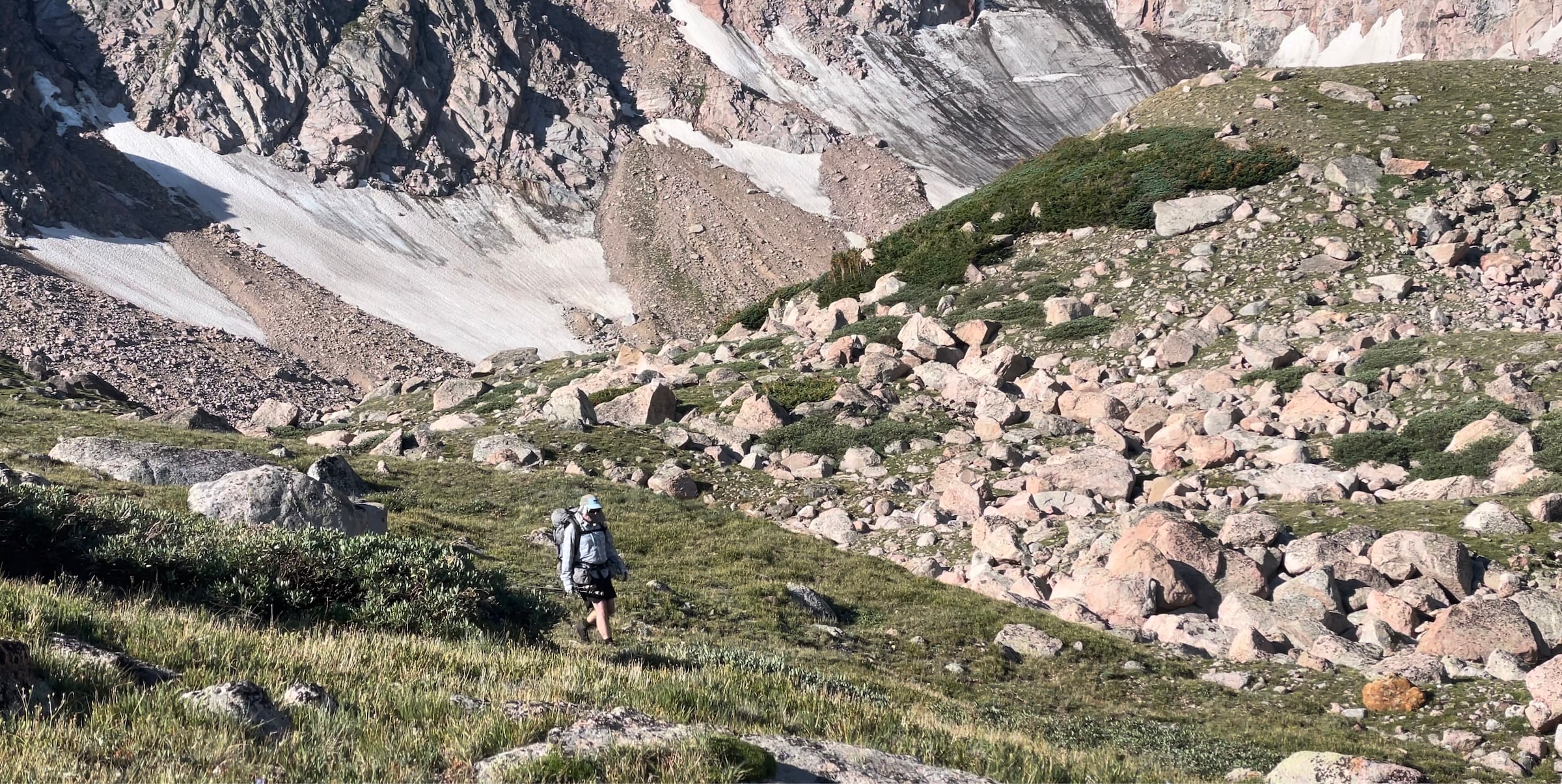
- 08:11 AM: Initiation of the hike at 8,600 feet. The physical load was immediate and significant. The subject carried a 48-pound pack, which, when combined with two liters of water, resulted in a total weight of 52 pounds. For a 165-pound individual, this represents a load equivalent to roughly 32% of their total body weight.
- 08:11 AM – 06:24 PM: A 10-hour, 13-mile push through rugged, off-trail terrain. The route involved 3,800 feet of cumulative elevation gain. The intensity was high, the terrain was taxing, and the metabolic demand was relentless.
- 06:24 PM: Arrival at the high-alpine lake (11,500 feet). The "collapse" began shortly thereafter as the body attempted to transition from the intense physical output of the approach to the recovery phase of camp life.
Supporting Data: The Anatomy of a Crash
The utilization of modern wearable technology and meticulous self-reporting allows for a post-mortem analysis of the incident. This data reveals that while the altitude was a significant stressor, it was likely the "final straw" rather than the sole culprit.
1. The Energy Deficit
The subject’s metabolic output during the 13-mile, off-trail trek was vastly higher than their caloric intake. With a pack weight exceeding 30% of their body weight, the caloric burn was extreme. The resulting carbohydrate depletion likely triggered the "shakiness" and "anxiety" reported, symptoms often associated with hypoglycemia or bonking, which can easily be misread as neurological markers of AMS.
2. Fluid Dynamics and Hydration
Inadequate hydration is a classic accelerant for altitude illness. At 11,500 feet, the air is significantly drier, and the respiratory rate is elevated. The subject’s failure to maintain a consistent fluid-to-workload ratio led to a state of hypovolemia. This decrease in blood volume compromises the body’s ability to circulate oxygen efficiently, effectively worsening the physiological impact of the lower oxygen partial pressure at 11,500 feet.
3. Sleep Debt and Fatigue
The subject entered the wilderness with a pre-existing sleep deficit. Sleep is the primary window for physiological repair. By starting the ascent with a diminished baseline of recovery, the subject’s autonomic nervous system was already on edge. When the physical stress of the climb was applied, the body had no reserve capacity to manage the additional stress of altitude, leading to the reported temperature dysregulation and chills.
Official Perspectives: The Difficulty of Differential Diagnosis
Medical professionals and wilderness medicine experts often emphasize that "AMS" is a clinical diagnosis of exclusion. The difficulty lies in the fact that many wilderness illnesses share overlapping symptom profiles.
"When you have a patient—or yourself—presenting with a headache, nausea, and dizziness at 11,500 feet, your mind immediately goes to AMS," says one medical consultant familiar with high-altitude physiology. "However, if you peel back the layers, you often find that the patient is also dehydrated, hypoglycemic, and sleep-deprived. The problem is that these factors are not just coincidental; they are synergistic. They all inhibit the body’s ability to acclimatize."
The "Lake Louise" criteria, while standard, were never intended to account for the "total load" of an expedition. The professional consensus is that wilderness practitioners must adopt a more holistic view. If a hiker is struggling, it is rarely just one thing. It is the pack weight, the lack of calories, the poor sleep, and the altitude acting in concert.
Implications for the Backcountry Traveler
The implications of this case study are profound for both recreational hikers and professional guides. It shifts the focus from "acclimatization" to "load management."
The "Total Load" Philosophy
The lesson is clear: hikers must manage their "total load." If you are planning an ascent to high altitude, you must consciously reduce other stressors. If the approach is going to be high-mileage and high-weight, the importance of caloric density and hydration protocols becomes exponentially more critical.
The Fallacy of Baseline Acclimatization
Living at 7,600 feet does not provide an "exemption" from altitude illness at 11,500 feet, especially when the body is under extreme physical stress. The subject’s case proves that even a seasoned body can be overwhelmed. The transition from 7,600 to 11,500 feet represents a significant jump in partial pressure of oxygen. When this is coupled with a 52-pound pack and 10 hours of movement, the physiological cost is immense.
Recommendations for Future Expeditions
- Caloric Pacing: For high-intensity approaches, calorie intake must be aggressive and early. Do not wait for hunger to strike; maintain blood glucose levels throughout the approach to avoid the metabolic collapse that mimics AMS.
- Hydration as a Priority: Hydration should be calculated based on the intensity of the work and the dryness of the air. Electrolyte replacement is not optional at these altitudes.
- The "Slow Down" Protocol: When signs of AMS or general malaise appear, the most effective intervention is to stop, hydrate, eat, and rest. If symptoms persist, the only definitive cure for altitude sickness is a descent to lower elevations.
- Listen to the "Hidden" Symptoms: Chills and anxiety are often dismissed as "just the cold" or "the nerves." In an alpine environment, they should be treated as vital signs. If you are shaking or feeling uncharacteristically anxious, it is a signal that your body is currently failing to maintain homeostasis.
In conclusion, this case study serves as a vital reminder that the mountains are an unforgiving environment where biological math is strictly enforced. By understanding the interaction between nutrition, sleep, hydration, and altitude, hikers can better navigate the risks of the high country, ensuring that their next trip is defined by the summit, not the symptoms.