In the vast, wind-scoured expanse of the Bolivian Altiplano, where the air is thin and the horizon stretches into an infinity of volcanic peaks, lies a hidden gem of high-altitude trekking: the Five Lakes Loop. While much of the world’s attention is drawn to the salt flats of Salar de Uyuni or the bustling markets of La Paz, this border-straddling circuit offers a raw, intimate encounter with one of the most remote landscapes on Earth.

Originally undertaken as a precursor to a massive 600 km traverse of the region in 2017, the Five Lakes Loop is a trek that demands respect for the elements. It is not merely a hike; it is an exercise in endurance, navigation, and acclimatization, set against the backdrop of the towering Nevado Sajama and the neighboring snow-capped giants of the Chilean border.

Main Facts: The Anatomy of a High-Altitude Trek
The Five Lakes Loop is a 47-kilometer (29-mile) expedition that begins and ends in the village of Sajama, Bolivia. This is not a journey for the faint of heart; it operates at extreme altitudes, ranging from a starting point of 4,230 meters (13,879 feet) to a staggering high point of 5,130 meters (16,831 feet).

Technical Specifications
- Total Distance: 47 km (29 miles)
- Elevation Gain: 946 meters (3,104 feet)
- Duration: 10 hours to two days, depending on acclimatization
- Difficulty: Moderate (due to altitude and off-trail navigation)
- Terrain: Wide-open, treeless, volcanic terrain
- Seasonality: June to September (the Andean winter, providing stable but freezing conditions)
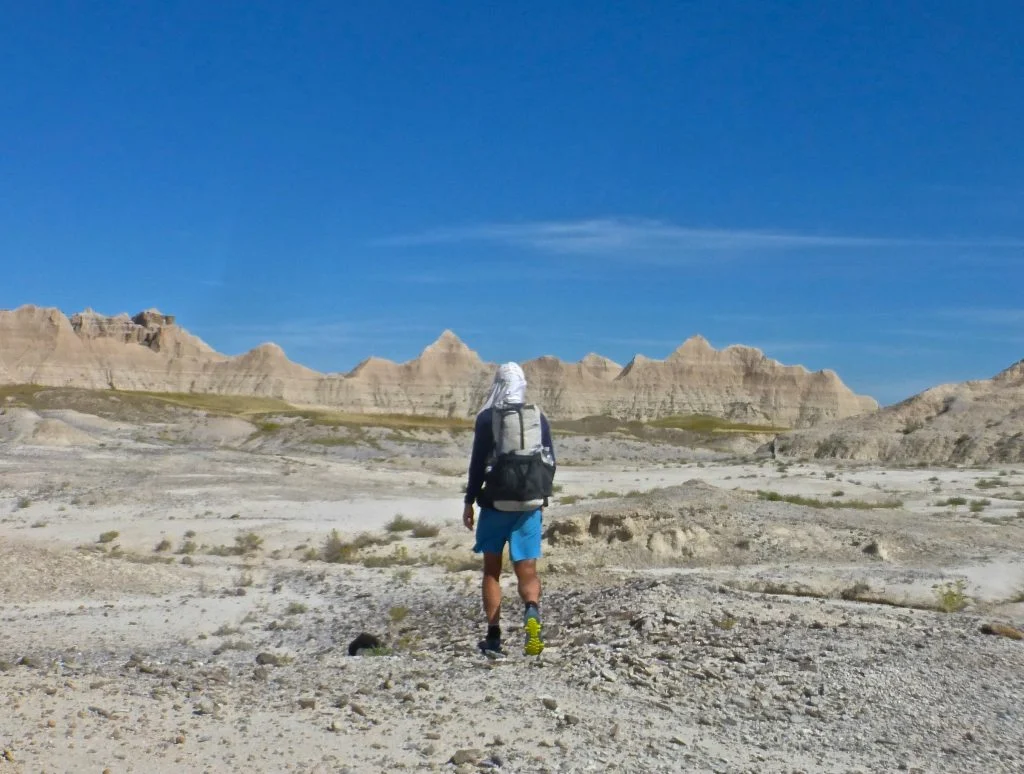
The route is characterized by its open, barren beauty. Approximately 40% of the journey requires off-trail navigation. However, the lack of dense vegetation and the immense scale of the landscape make finding one’s way a relatively straightforward endeavor for experienced hikers. The loop traverses the international boundary between Bolivia and Chile, with two of the five bodies of water situated on the Chilean side.

Chronology: A Journey Through the Clouds
Day 1: The Ascent into the Thin Air
The journey begins in the village of Sajama. At 4,230 meters, the village itself is a testament to human resilience, standing as one of the highest permanently inhabited settlements in the world. As the trekker departs the village, the path leads toward the base of the majestic Nevado Sajama.

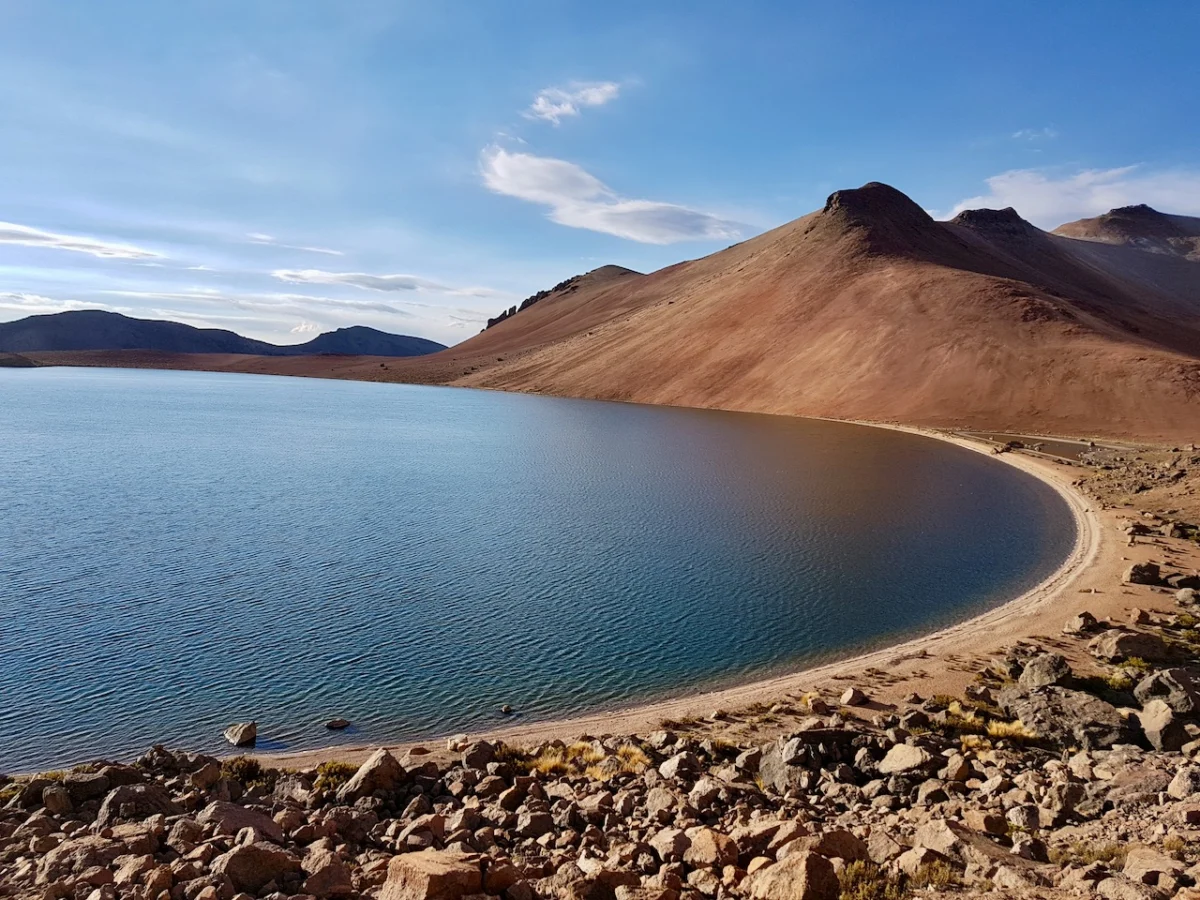
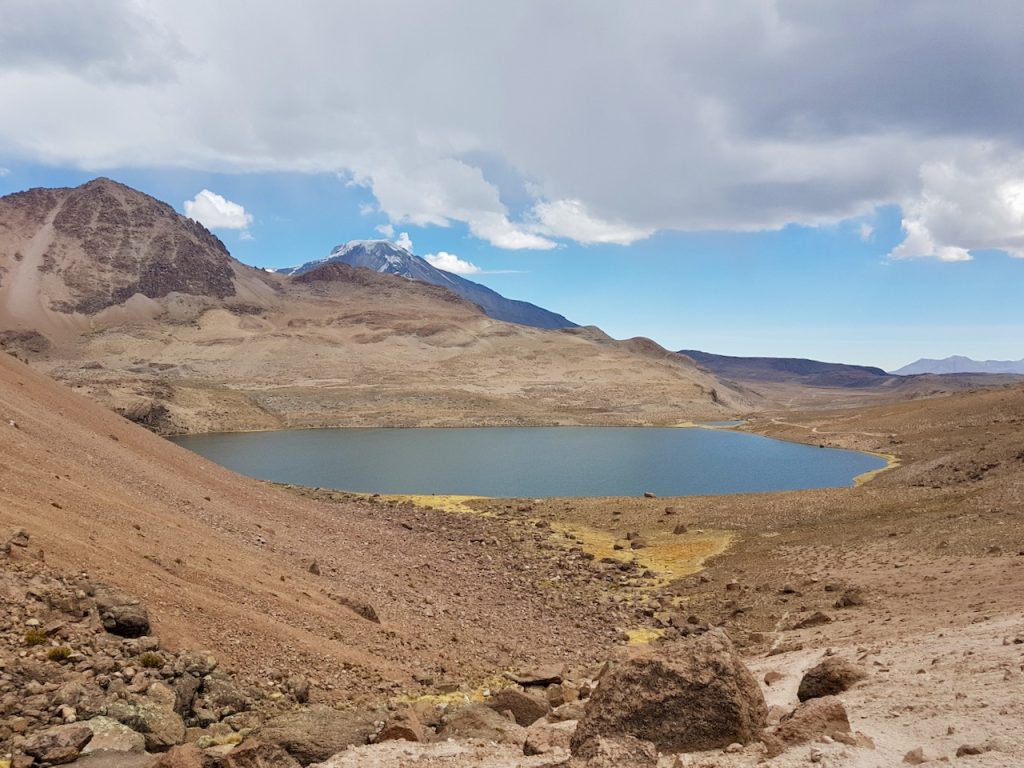
As the morning progresses, the trail ascends toward the Paso Casiri. Here, the landscape begins to change, transitioning from dusty scrubland to the dramatic, glacial-fed basins that characterize the region. The first notable milestone is the appearance of the Casiri lakes. The sight of the deep, glacial blues against the backdrop of the snow-dusted peak of Sajama provides a jarring, beautiful contrast.

By late afternoon, the hiker reaches the vicinity of Laguna Chiar Khota. This is a prime location for an overnighter. The weather in this region is notoriously volatile; in September 2017, a brief, sharp storm threatened to derail plans to summit the nearby peak of Jisk’a Kunturini (5,475 meters). While the ascent was abandoned, the storm cleared as quickly as it had arrived, leaving behind a crystalline, star-studded sky.

Day 2: The High Plateau and the Return
The second day is defined by the descent through the Quebrada Condoriri. The morning light at these altitudes is transformative, turning the volcanic rock into hues of gold and deep violet. Passing the remaining lakes—Huayna Khota and others—the trail winds back toward the civilization of Sajama Village.

Upon returning to the village, the physical toll of the hike becomes apparent. The thin air, which complicates physical exertion, is forgotten once the hiker reaches the village, often in time to witness a local soccer match. Watching the locals play with such intensity at 14,000 feet serves as a humbling reminder of the physiological adaptations of those who call the Altiplano home.

Supporting Data: Flora, Fauna, and Physics
The Altiplano is not as lifeless as it first appears. One of the most fascinating aspects of the Five Lakes Loop is the presence of Azorella compacta, locally known as llareta. This plant is a marvel of evolution, appearing as a dense, bright green cushion that looks like moss-covered rock. It is a slow-growing, long-lived organism that has adapted to thrive in the extreme cold and ultraviolet radiation of the high Andes.
Environmental Challenges
The primary challenge for any hiker here is the climate. At 4,928 meters (16,168 feet), night temperatures can drop to -12°C (10°F). In the thin atmosphere, the sun’s intensity is punishing during the day, while the lack of humidity causes rapid heat loss after sunset.

Equipment Recommendations:

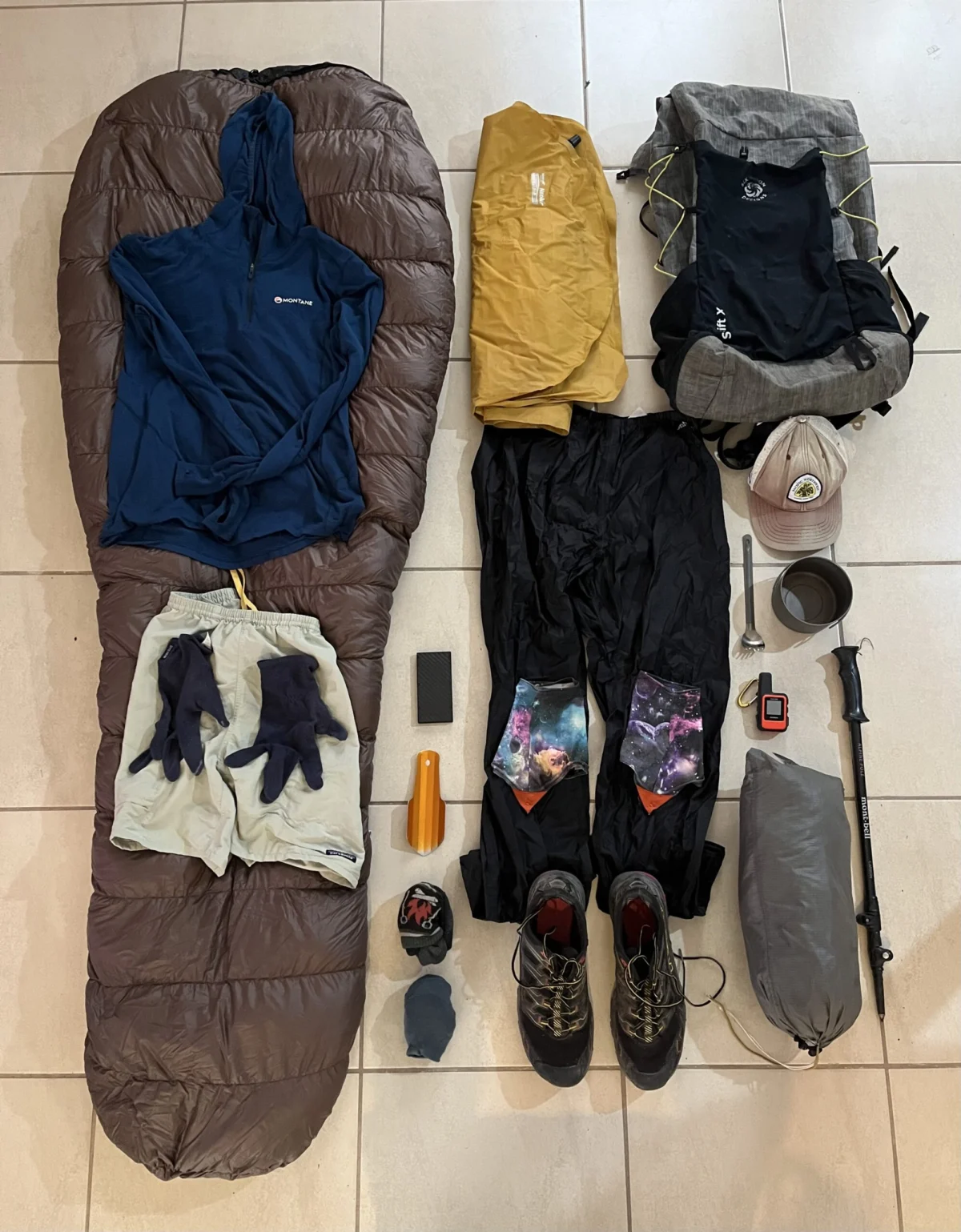
- Insulation: High-loft down jackets and sleeping bags rated for sub-zero temperatures are mandatory.
- Hydration: Water purification is essential, as the lakes, while stunning, are often mineral-rich or home to local livestock.
- Navigation: While the terrain is open, the use of GPS is highly recommended for the 40% of the route that remains off-trail to avoid wandering into dangerous or boggy terrain.
Official Perspectives and Local Context
Sajama National Park, which encompasses this loop, is a protected area that functions as a bridge between conservation and local tradition. The indigenous Aymara people have managed these lands for centuries, and their relationship with the environment is central to the area’s management.

Local officials and conservationists emphasize that trekking in this region is a privilege that comes with the responsibility of "Leave No Trace" ethics. Because the ecosystem is so fragile and slow to recover—due to the extreme altitude and limited growing season—waste management and the protection of local flora are paramount. Visitors are encouraged to engage with the local community in Sajama village, as tourism provides a vital economic pillar for the inhabitants.

Implications for Future Adventurers
The Five Lakes Loop is more than a mere addition to a travel bucket list; it is a profound experience for the serious trekker. It represents a "frontier" style of hiking where the lack of infrastructure is precisely what makes the experience valuable.

The Shift Toward Sustainable High-Altitude Tourism
As the popularity of the Andes grows, the challenge for regions like the Sajama Altiplano will be to balance increased visitor numbers with the preservation of their unique, fragile ecosystem. For the individual hiker, the implications are clear: the Five Lakes Loop requires significant preparation. One cannot simply arrive and hike; the risk of Acute Mountain Sickness (AMS) is significant for those who have not spent time acclimatizing at lower altitudes.

A Legacy of Exploration
Reflecting on the 2017 journey, it is clear that the true value of the Five Lakes Loop lies in its silence. Unlike the popular trails of Patagonia or the Inca Trail, this is a place of solitude. The wind, the light, and the vast, empty space force the hiker into a state of mindfulness. Whether one is watching the sunset illuminate the snowy crest of Nevado Sajama or sharing a cup of coca tea on the shores of a frozen lake, the connection to the earth is total.

The Five Lakes Loop is a reminder that there are still corners of the world that feel untamed. It is a testament to the beauty of the Altiplano—a landscape that is as unforgiving as it is unforgettable. For those who seek to push their boundaries, both physically and mentally, the trail from Sajama Village remains a premier destination, offering a glimpse into the heart of the Andes.

For those planning a trip to the region, ensure that your gear is rated for extreme cold, prioritize multi-day acclimatization in La Paz or nearby towns, and always check in with the local park authorities in Sajama before setting out on off-trail sections.