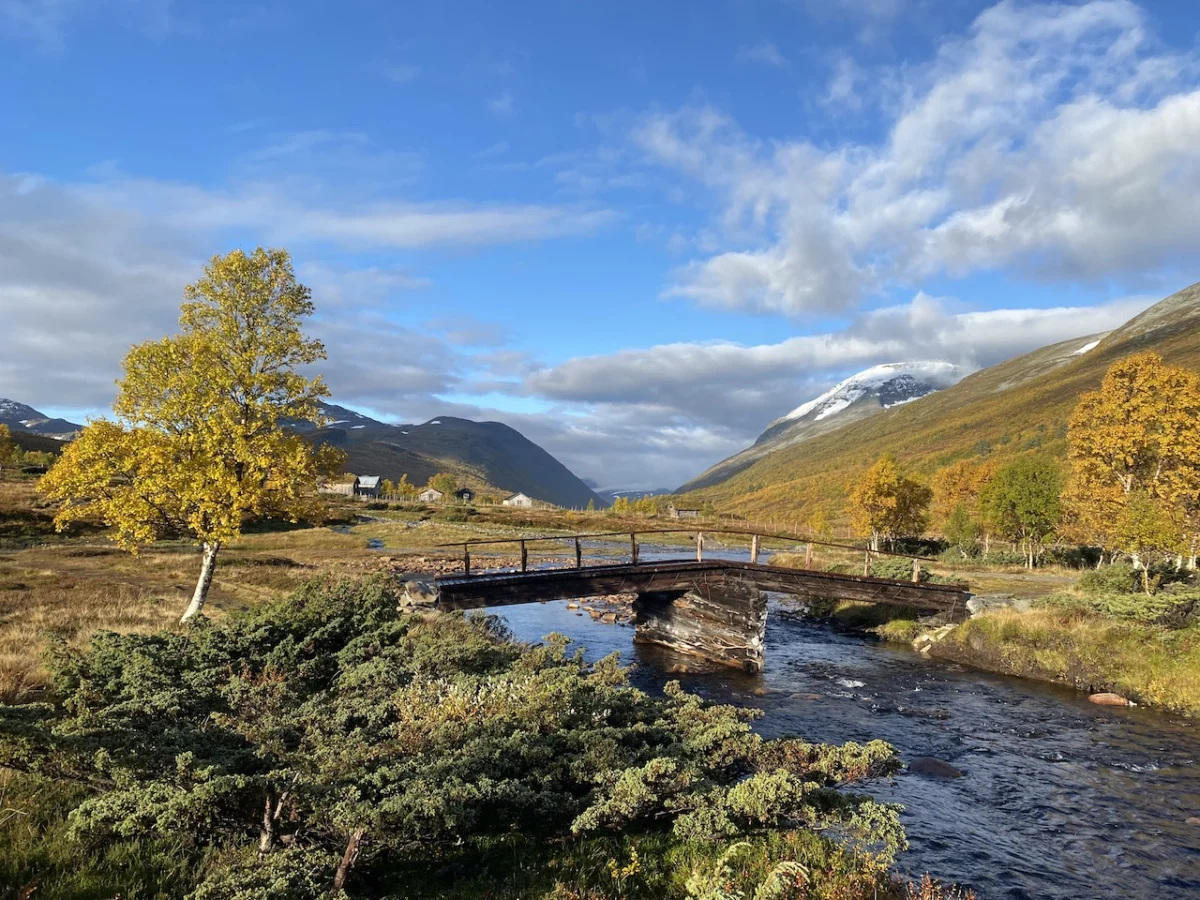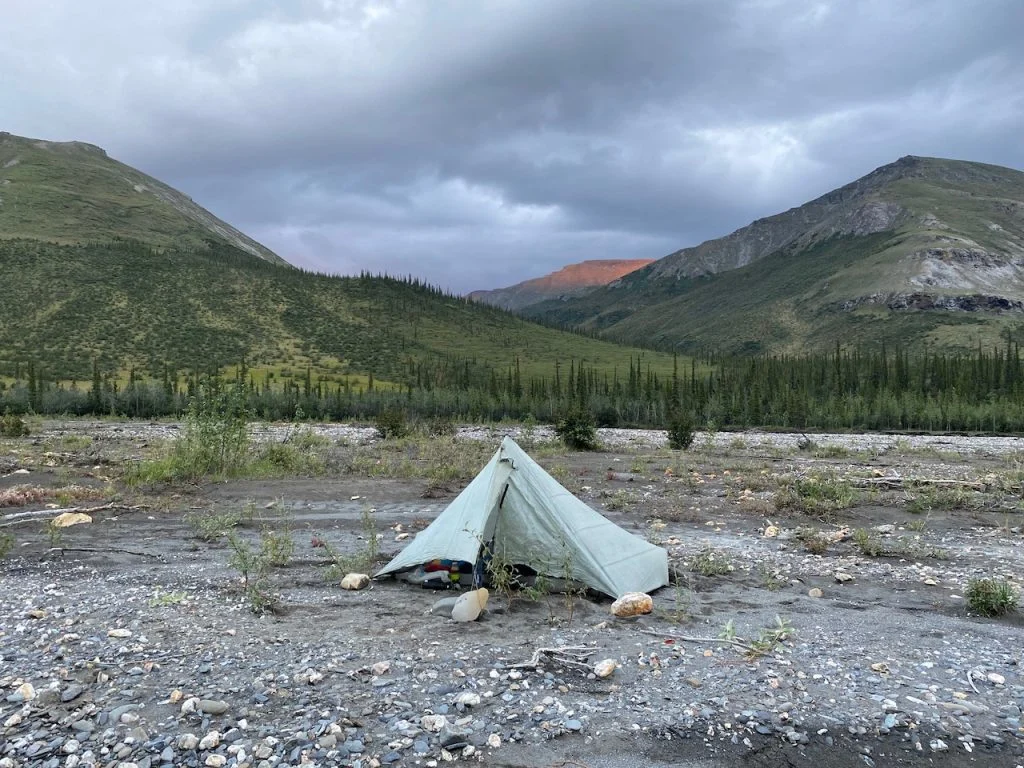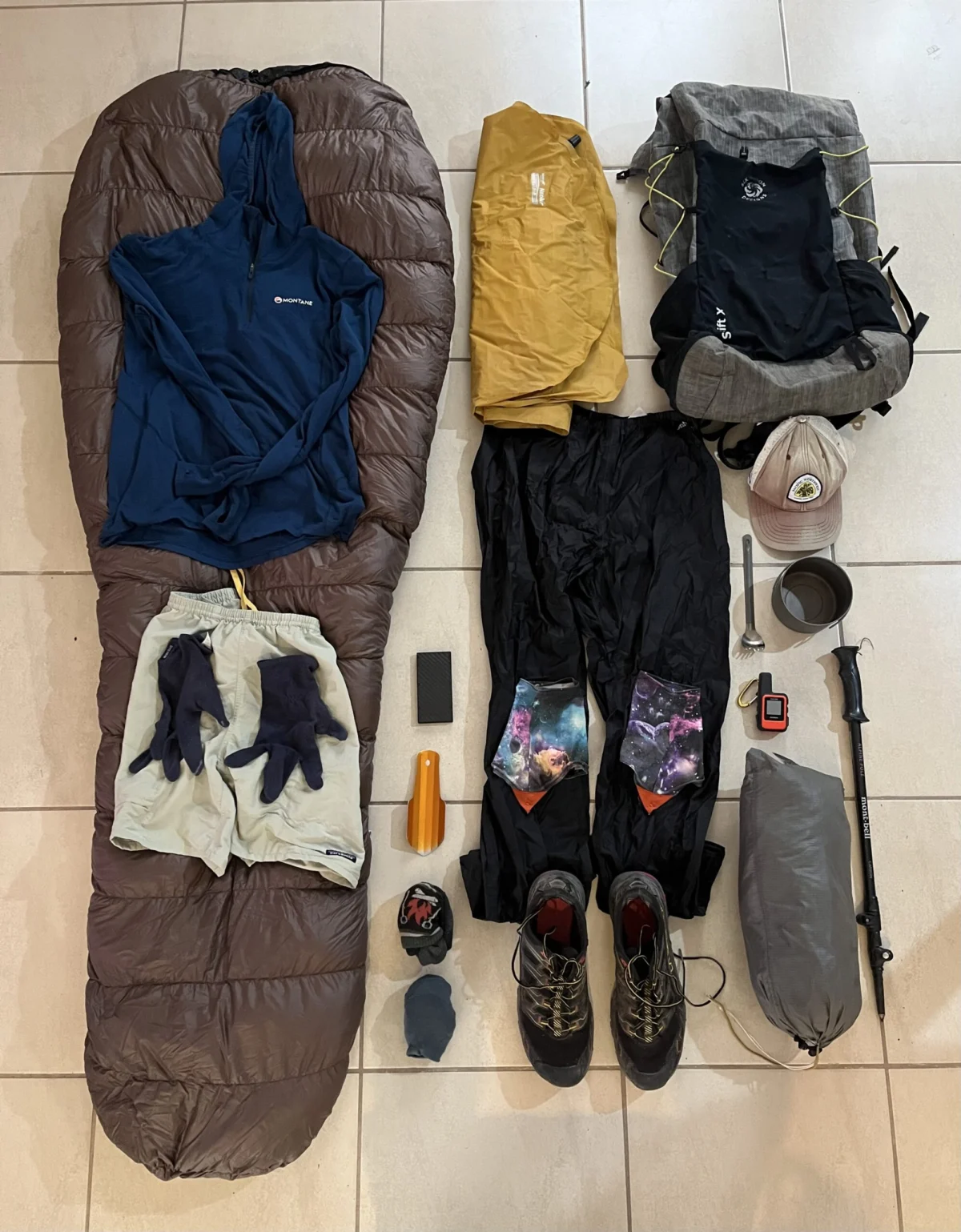
In the late summer of 2023, experienced backpackers Kate "Swept Away" Pickett and I embarked on a grueling expedition through Iceland’s most unforgiving terrain. Our journey consisted of two distinct phases: a trek around the remote Hornstrandir Peninsula and a full north-to-south traverse of the country. Spanning approximately 120 kilometers (75 miles) and 600 kilometers (373 miles) respectively, these hikes pushed our physical endurance and equipment to their absolute limits.
Iceland is often romanticized for its ethereal landscapes, but beneath the beauty of its volcanic deserts and glacial rivers lies a harsh reality: a climate that can turn from tranquil to catastrophic in minutes. Our expedition served as a testament to the necessity of rigorous preparation, specialized gear, and the psychological fortitude required to survive one of Europe’s last truly wild frontiers.
A Chronology of the Expedition
The expedition was structured to maximize our exposure to Iceland’s diverse geographical zones. We began in the Hornstrandir Peninsula, a desolate region accessible only by boat, characterized by sheer sea cliffs and deep, quiet fjords. Here, the weather remained generally seasonal, with temperatures fluctuating from the mid-teens Celsius (low 60s F) down to freezing levels of -5°C (23°F).
However, the primary test arrived in early September during the Iceland Traverse. As we transitioned into the Central Highlands—a vast, volcanic plateau that serves as the heart of the country—the conditions deteriorated rapidly. For several days, we were besieged by relentless storms. We navigated through freezing rain, heavy snowfall, and gale-force winds reaching speeds of 100 km/h (62 mph). This stretch of the trip was a sobering reminder of the isolation inherent in the Highlands, where the lack of natural cover makes every gust of wind a potential hazard.
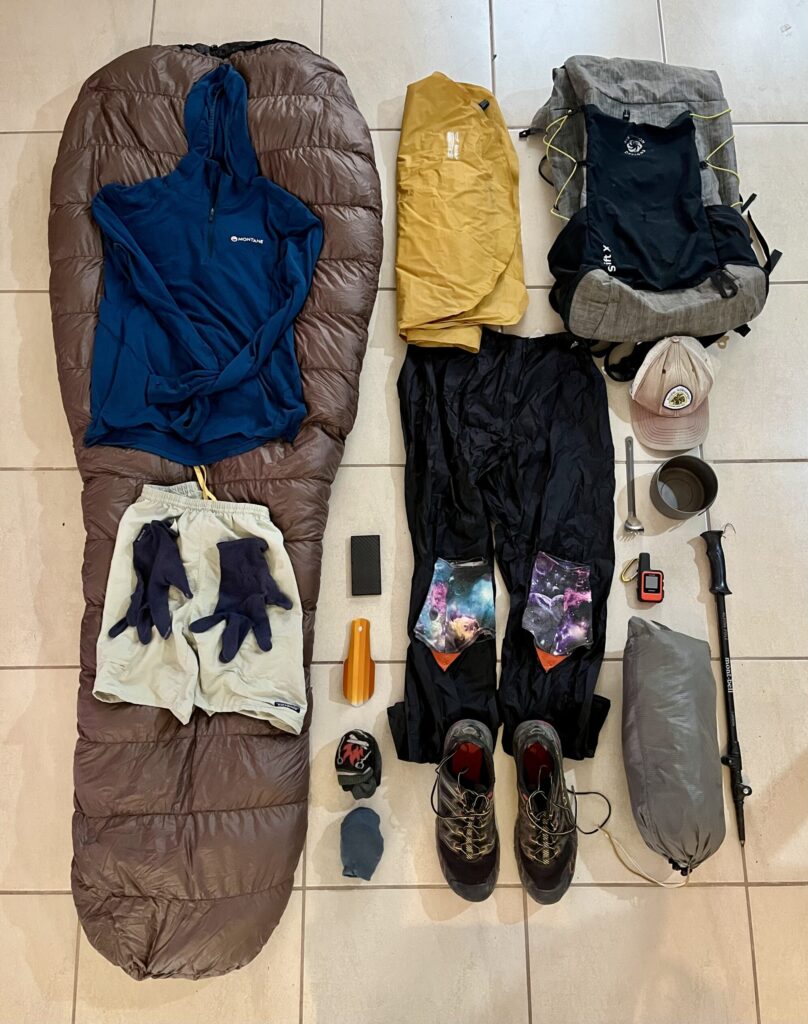
Supporting Data: The Gear Strategy
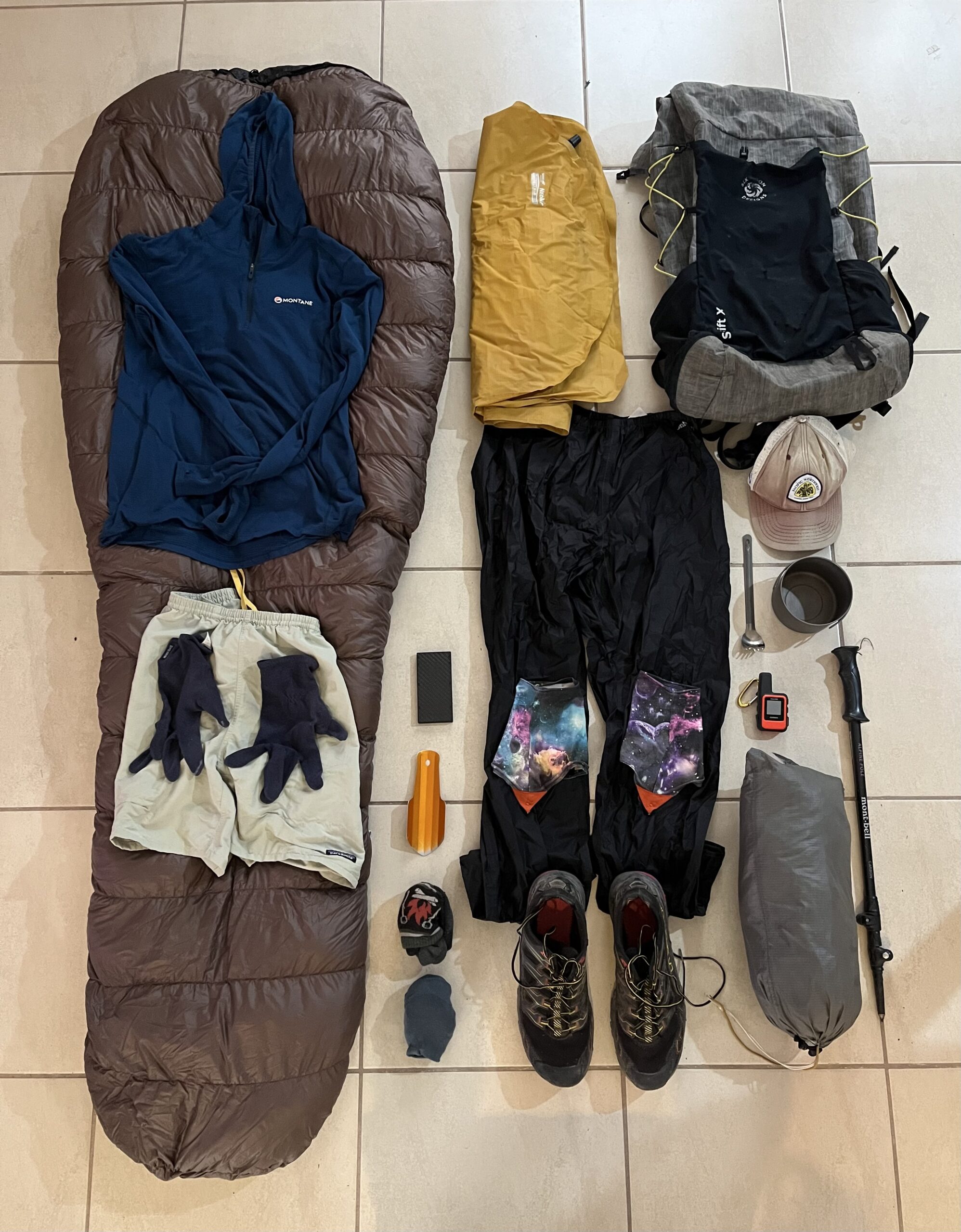
For this expedition, my base weight—the weight of all gear excluding food, water, and fuel—reached approximately 13.1 lbs (5.7 kg). While this was the heaviest load I have carried in the current millennium, it was a deliberate choice. In Iceland, the trade-off between weight and "bombproof" reliability is non-negotiable.
The Essential Kit
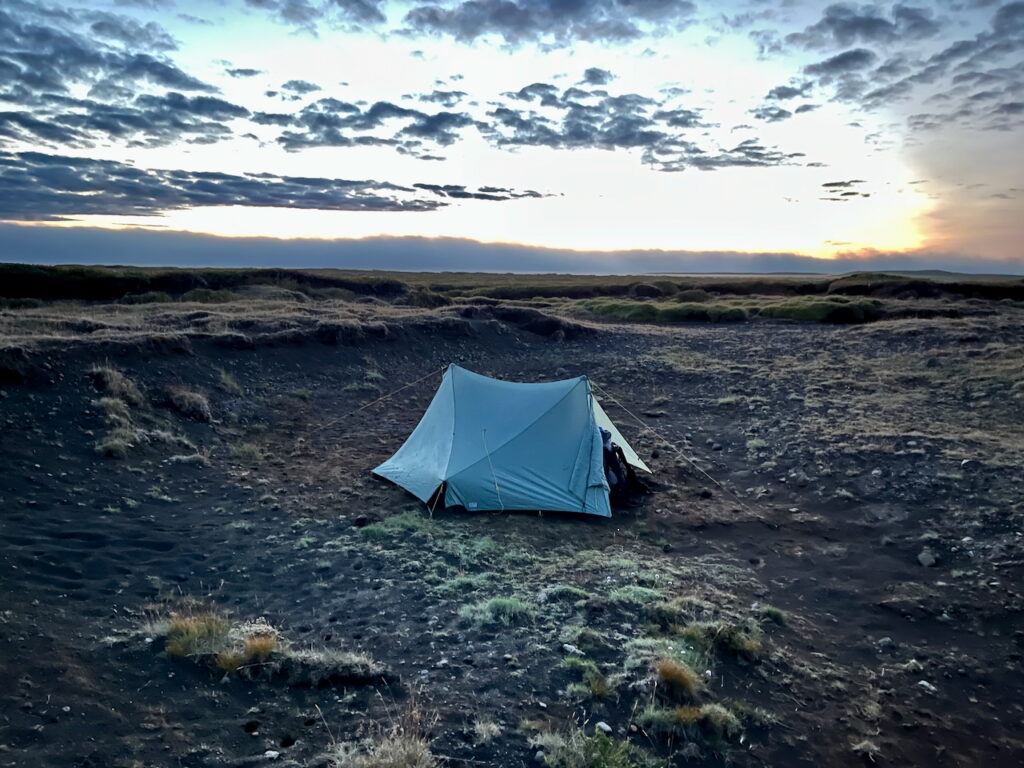
- Shelter: I utilized the Tarptent Stratospire 2 (silpoly). In the Highlands, a shelter is your only defense against the elements. The Stratospire proved its worth, maintaining its structural integrity during 80 km/h gusts.
- Backpack: The Six Moon Designs Swift X was chosen for its internal frame, which was critical for managing the heavy loads required for eight-day food carries in the Central Highlands.
- Sleeping System: A combination of the Katabatic Alsek 22 quilt and a modified Thermarest NeoAir XLite ensured survival in sub-freezing temperatures.
- Footwear: I relied on La Sportiva Akashas. Given the rugged, uneven nature of volcanic scree and the constant moisture, these shoes provided the necessary stability and durability, holding up for the entirety of the 720 km combined journey.
Comparative Gear (Kate Pickett)
Kate’s kit was curated for the specific demands of the route, centered around the Mountain Laurel Designs Prophet 48L pack and the Katabatic Flex 15°F quilt, which offered the extra thermal protection she required for her specific physiological needs in the cold.
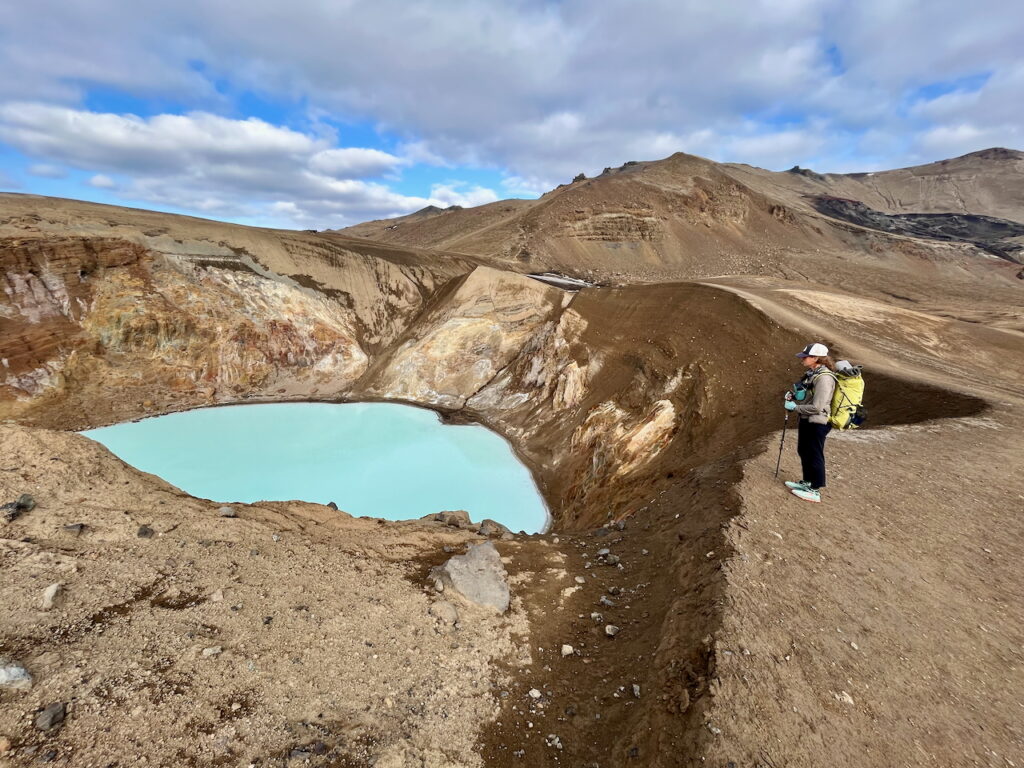
Field Notes: Lessons from the Interior
The Primacy of Shelter
The most significant takeaway from our traverse is the vital importance of shelter selection. Many hikers underestimate the power of the Icelandic wind. In the volcanic deserts of the interior, there are virtually no trees or terrain features to block the wind. We observed that even high-quality gear can fail if improperly pitched.
Our strategy involved:
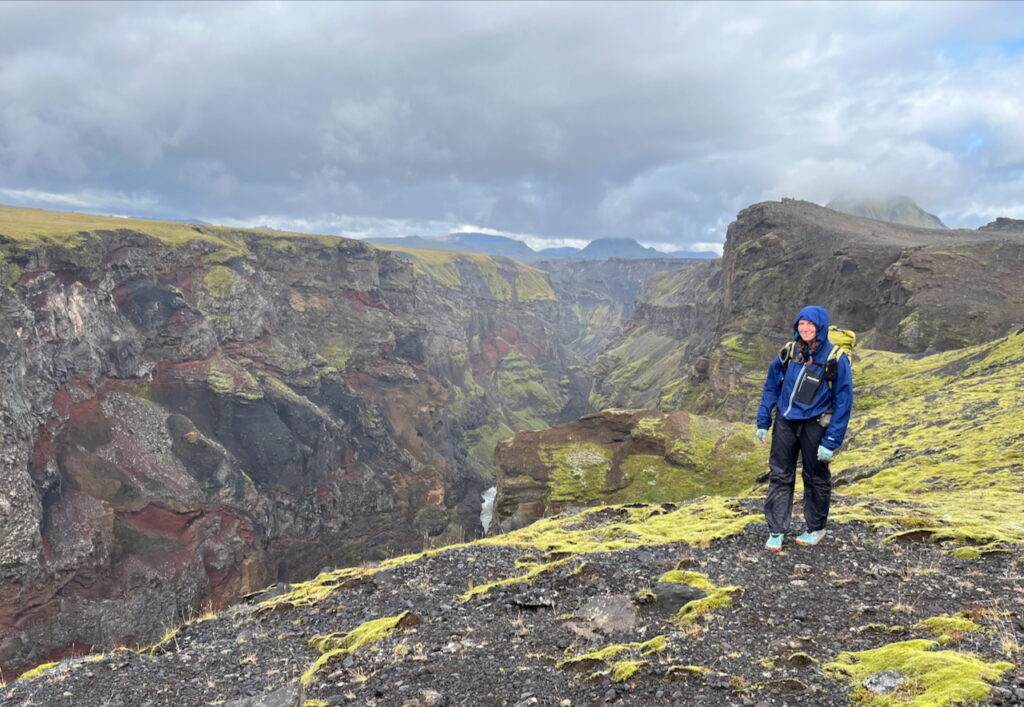
- Strict Site Selection: We refused to settle for marginal campsites when severe weather alerts were issued.
- Structural Integrity: We never skimped on guylines or stake placement, ensuring our tent was always taut.
- Hut Planning: We utilized the Ferðafélag Íslands (Iceland Touring Association) hut network as a safety buffer. There are moments when the weather is simply too violent for any tent; in those instances, knowing the distance to the next mountain hut is a matter of safety, not convenience.
Hydration and Nutrition
Logistics in the Highlands are complex. We carried between three and four liters of water during the driest stretches of the interior. For fuel, we pre-planned our supplies, including a strategic resupply of canisters at the Dreki ranger station near the Askja caldera, coordinated with local staff.
The Role of Technology
While we advocate for a "leave no trace" and unplugged approach, certain tools were essential. Our Garmin inReach Mini was our lifeline. Though we limited its use to end-of-day "In Camp" check-ins, the device’s battery life—lasting nearly a month—provided significant peace of mind. Additionally, utilizing safety apps provided by the Icelandic authorities was an essential component of our risk management plan.
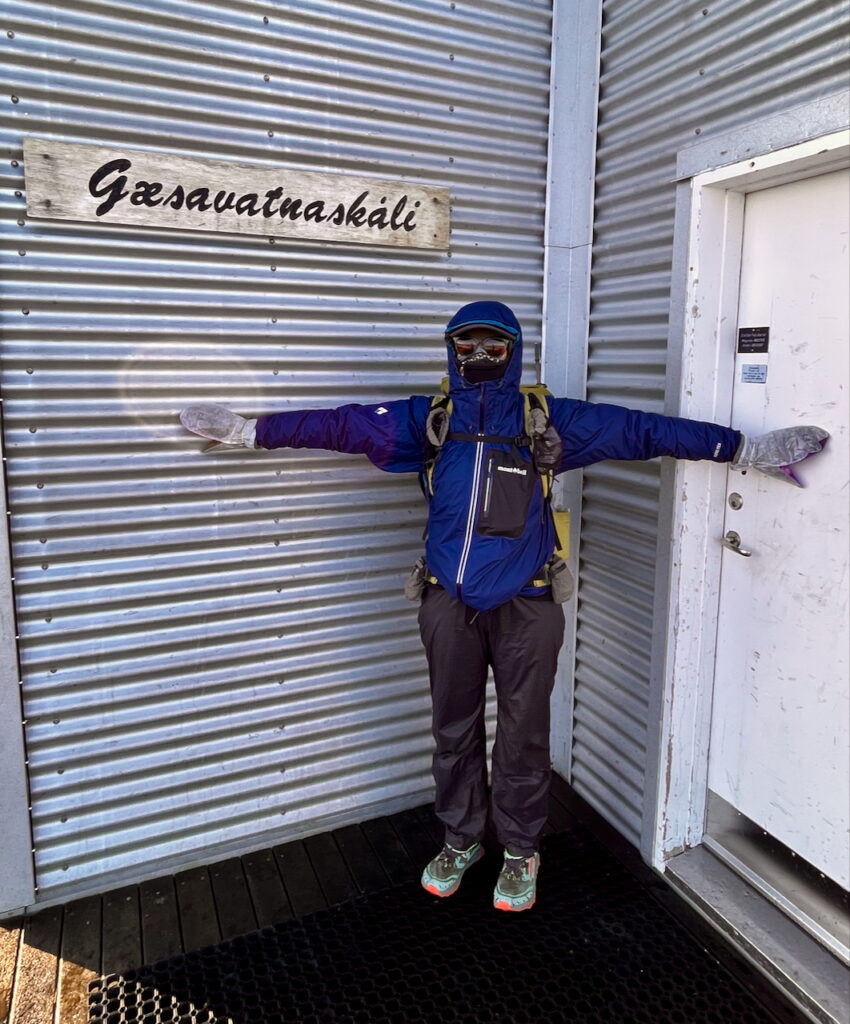
Official Responses and Safety Implications
Icelandic search and rescue services frequently advise that hikers in the Highlands are at the mercy of sudden weather shifts. The "Icelandic weather" phenomenon—a mix of high-velocity wind and horizontal precipitation—can cause hypothermia even in late summer.
The primary implication for future travelers is that Iceland should not be treated as a typical trekking destination. The terrain is largely pathless in the interior, requiring proficient navigation skills. We relied on a combination of the Suunto M-3G Global Pro compass and digital tools, emphasizing that relying on a single navigation source is dangerous.
Furthermore, the environmental impact of hiking in such a sensitive ecosystem cannot be overstated. We adhered to strict protocols, staying on established routes where they existed and moving carefully through the fragile moss and lichen-covered volcanic fields.
Concluding Observations
The Iceland Traverse was not merely a physical journey; it was a deep dive into the philosophy of self-sufficiency. My gear list, while heavier than my typical ultra-light setup, was an exercise in calculated risk management. Every item—from the Tenacious Tape for repairs to the microfiber towel for the geothermal hot springs at Landmannalaugar—served a distinct purpose in balancing comfort with the harsh realities of the North Atlantic climate.
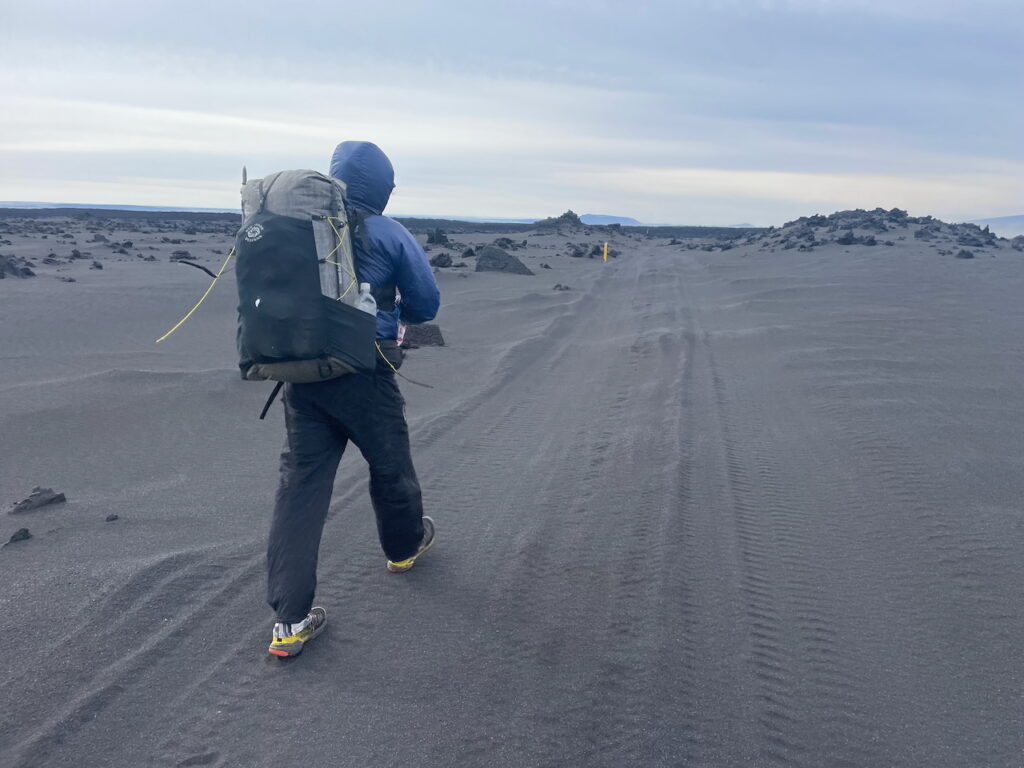
As we look back on the miles covered from the remote fjords of Hornstrandir to the silent, ash-covered plains of the Askja caldera, the most enduring lesson remains: the wilderness does not compromise. To thrive in Iceland, one must be prepared to match the intensity of the environment with equal parts preparation, patience, and respect. Whether you are an experienced thru-hiker or an aspiring adventurer, the Icelandic wilderness demands that you pack not just for the weather you expect, but for the storm you hope to avoid.
For those planning their own trek, prioritize your shelter, invest in high-quality waterproof layers, and never underestimate the power of the wind. Iceland is a country that offers profound beauty to those who earn it, but it requires that you arrive ready to survive its challenges before you can truly enjoy its rewards.