By Justin Hayes | May 29, 2026
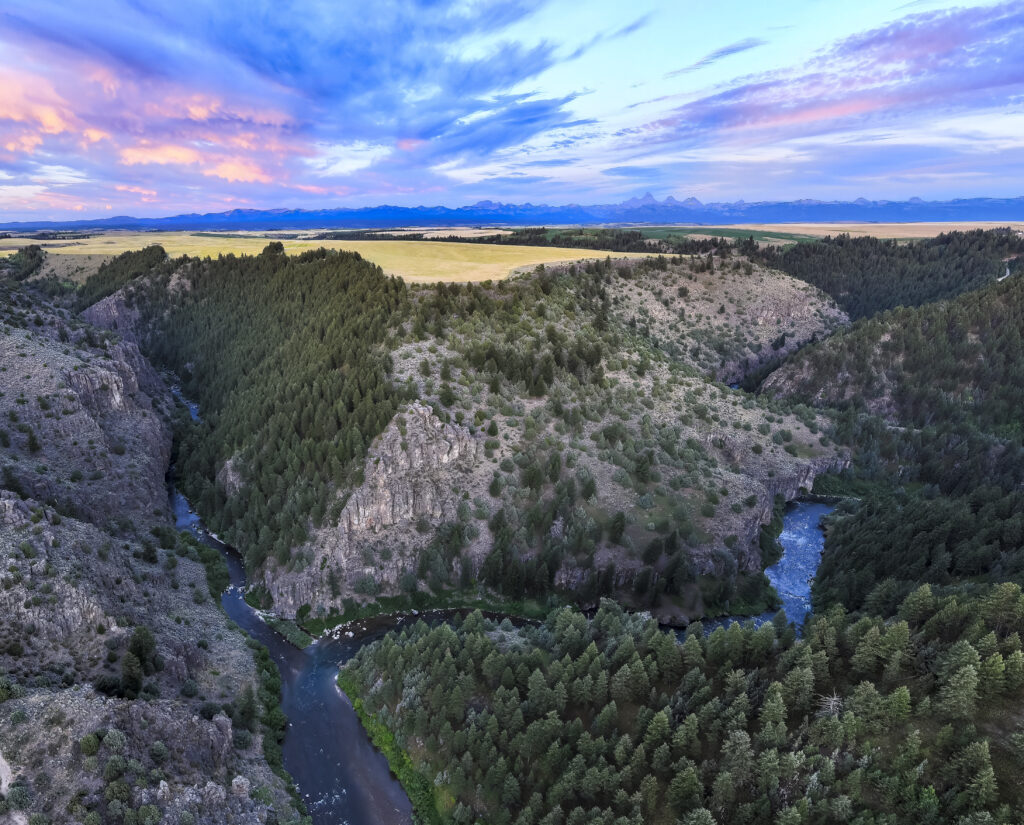
For the people of eastern Idaho, the Teton River is defined by a dichotomy of trauma and rebirth. To look at the river today—winding through deep, volcanic canyons, teeming with Yellowstone cutthroat trout, and serving as a backbone for the region’s agricultural economy—is to see a landscape that defied the odds. It is the only major river in the region that remains free-flowing, unencumbered by a massive dam system. Yet, this natural vitality is the result of a hard-won "second chance" that followed one of the most infamous engineering failures in American history.
As the 50th anniversary of the Teton Dam collapse approaches, the valley finds itself at a crossroads. While local communities have pioneered a new, collaborative model of water management that balances agricultural prosperity with ecological health, the specter of "rebuilding" the dam has resurfaced. The question facing the Northern Rockies is no longer just about water—it is about whether we have the wisdom to preserve a miracle of restoration or the hubris to undo it.
The Day the World Changed: A Chronology of the Teton Disaster
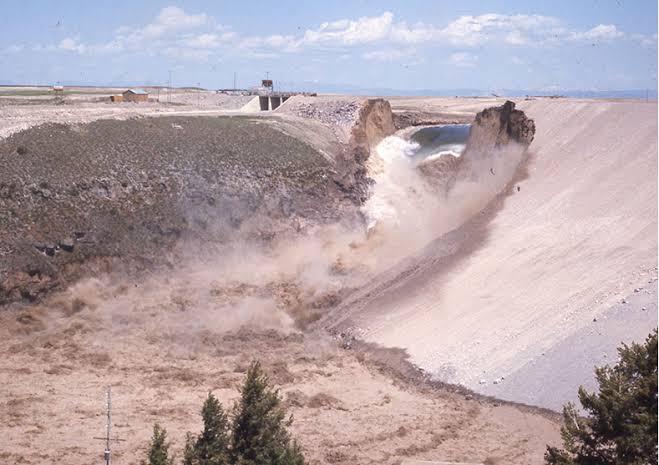
The narrative of the Teton River cannot be understood without confronting the events of June 5, 1976. The Teton Dam, a project of the U.S. Bureau of Reclamation, was designed to provide irrigation water for the arid high plains of Idaho.
- 1975–1976: Construction concludes on the 305-foot-high earthen dam. As the reservoir begins its initial filling in the spring of 1976, inspectors notice concerning leaks near the dam’s abutments.
- June 5, 1976 (7:30 AM): A small leak is spotted on the right abutment.
- June 5, 1976 (11:30 AM): The leak grows into a massive breach. The earthen structure begins to liquefy and collapse.
- June 5, 1976 (11:57 AM): The dam suffers a catastrophic failure. An estimated 80 billion gallons of water surge into the downstream valley.
- The Aftermath: The floodwaters kill 11 people and thousands of livestock, destroy entire communities, and cause roughly $2 billion in modern-day equivalent damages. The physical scar on the landscape was immense, but the psychological impact on the nation regarding the safety of large-scale dam projects was permanent.
For decades, the public focus remained on the tragedy of the failure. However, a parallel narrative was unfolding in the canyon itself: the slow, steady process of a river reclaiming its natural course.
A Landscape Reborn: Ecological and Economic Recovery
In the five decades since the dam’s collapse, the Teton Canyon has transformed from a construction site and reservoir bed into a thriving, complex ecosystem. The return of the river has been a boon for the region’s biodiversity.
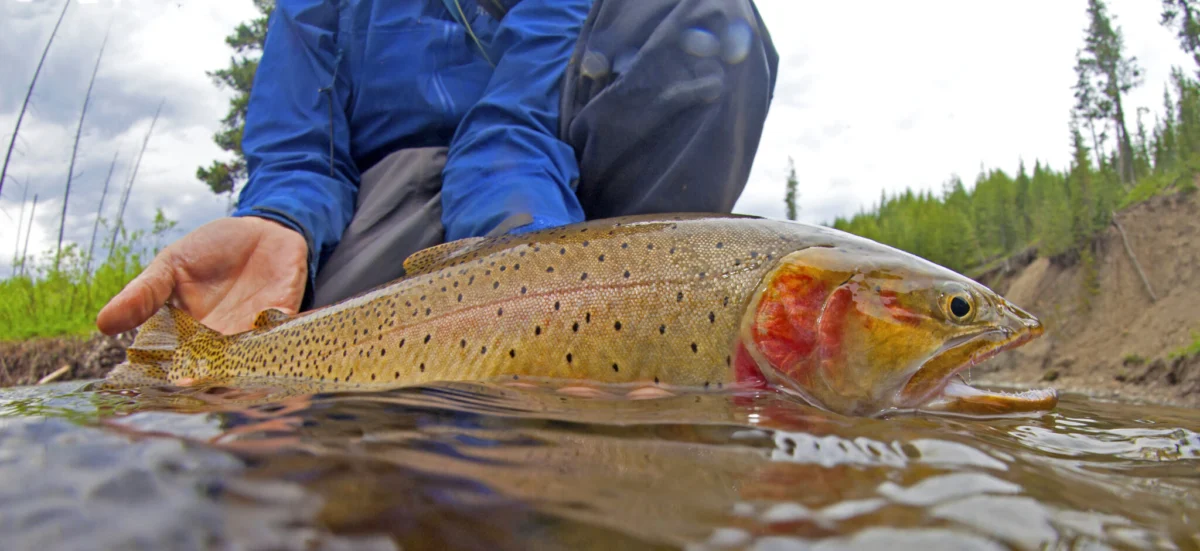
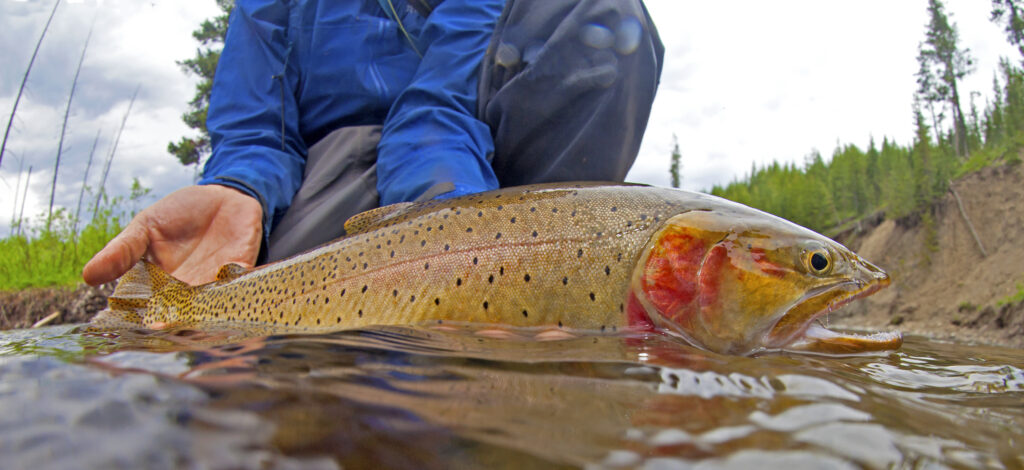
The Teton River is currently a critical stronghold for the Yellowstone cutthroat trout. These fish, which require specific water temperatures and clean, gravel-rich habitats, have thrived as the river has re-established its natural sediment transport and thermal regulation. For the angling and tourism industries—which serve as a primary economic engine for the Teton Valley—the river is an irreplaceable asset.
Beyond biology, the river has become a pillar of local identity. It is a place where hunters, boaters, and families congregate. The "wild" nature of the Teton is a rarity in the American West, where almost every major water artery has been tamed by concrete. The Teton is the exception that proves the rule: it is a living laboratory demonstrating that a river can heal itself if simply given the space to do so.
The New West: Collaborative Conservation
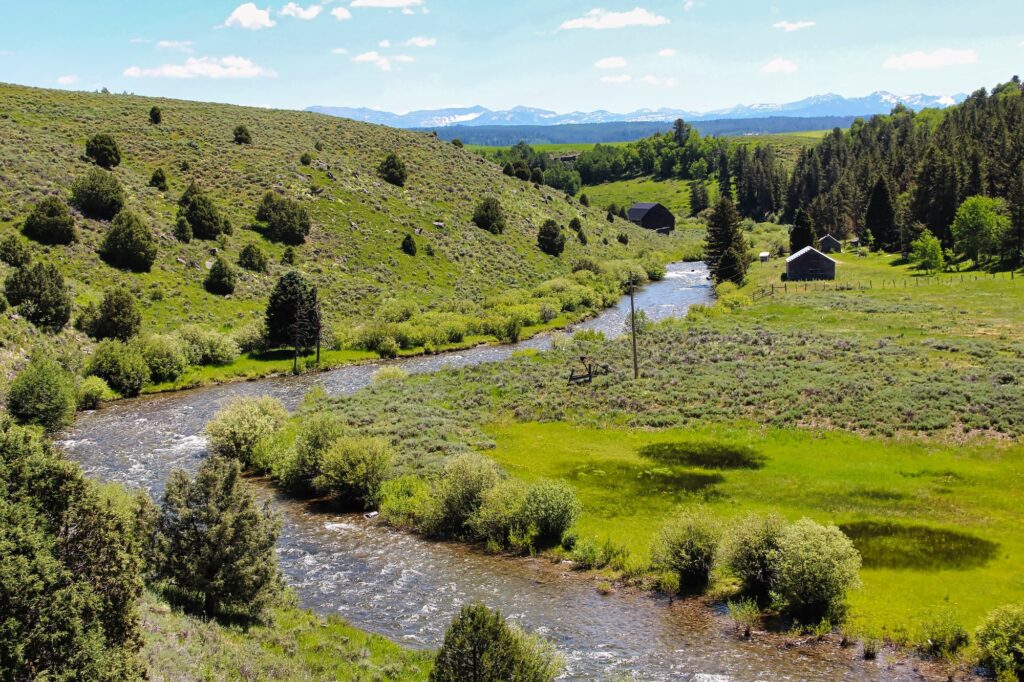
One of the most significant developments in the Teton Valley over the last twenty years has been the evolution of the "water user" relationship. For decades, the conventional wisdom suggested that agricultural needs and river conservation were inherently at odds.
That paradigm has been shattered by organizations like Friends of the Teton River and the Idaho chapter of Trout Unlimited. By engaging in direct, grassroots collaboration with farmers and irrigators, these groups have proven that modern water management does not require massive new infrastructure.
The Pillars of Collaboration
- Water Conservation Efficiency: Instead of building new dams, stakeholders have invested in lining canals and modernizing irrigation technology. These upgrades ensure that farmers get the water they need while leaving more water in the river for fisheries.
- Shared Stewardship: Farmers and conservationists have moved from adversarial courtroom battles to sitting at the same table. They have built a culture where the health of the river is seen as a shared legacy.
- Innovative Solutions: Through water leasing and voluntary conservation easements, the community has found ways to ensure the river remains connected even during the driest months of the year.
Scott Bosse, Director of American Rivers’ Northern Rockies Region, notes that this model is a blueprint for the entire American West. "What is happening in the Teton River Valley is a unique culture," Bosse explains. "It’s a model where conservationists, farmers, and irrigators come together with innovative solutions to meet each other’s needs without building big dams. It satisfies all of them, while not just protecting the river but restoring it. I’d like to see it replicated all over the West."
The Implications of "Rebuilding": Why the Past Shouldn’t Be Our Future
Despite these successes, the proposal to rebuild the Teton Dam remains a recurring talking point among certain downstream interests. Proponents argue that a new dam would provide a more reliable water supply and flood protection. However, environmental scientists and local advocates argue that this perspective ignores both history and modern hydrology.
The Risks of Re-Damming
- Flooding the Canyon: A new reservoir would once again inundate the deep, pristine canyons that have spent 50 years restoring their ecological health. We would be trading a thriving, wild river for a stagnant, artificial reservoir.
- The Myth of "Reliability": Climate change is altering snowpack and runoff patterns across the Rockies. Relying on 20th-century "big pipe and concrete" solutions is increasingly viewed as a high-risk strategy that fails to account for the flexibility needed in a warming climate.
- Erosion of Trust: The collaboration built in the Teton Valley is fragile. Introducing a project as polarizing as a new dam would undo decades of bridge-building, pitting neighbors against neighbors once again.
The economic and ecological costs of rebuilding are staggering. When weighed against the success of the current, collaborative management model, the arguments for a new dam appear thin. The river is not a "wasted" resource; it is an active, productive component of the valley’s economy and its way of life.
Seizing the Second Chance
As we look toward the future, the Teton River stands as a testament to the power of nature and the resilience of a community that chose cooperation over conflict. The river was almost lost in 1976. It has since undergone a remarkable resurrection.
"You don’t get many second chances in life," says Scott Bosse. "And you’ve got to seize them when you do."
The current state of the Teton River is not a historical accident; it is the result of thousands of individual choices to protect the land and water. The decision to reject the construction of a new dam is not a decision to abandon agriculture or ignore water needs. Rather, it is a commitment to a smarter, more sustainable, and more equitable future.
The communities of the Teton Valley have shown that we can have both healthy rivers and productive farms. They have built a model of stewardship that deserves to be celebrated and protected. The Teton River got its second chance; it is now up to the citizens of Idaho to ensure that this precious, wild, and restored waterway is preserved for the generations that follow.
Join the movement: To learn more about how you can support the protection of the Teton River, visit the Fishcamp Collab for Conservation and view the film Second Chance. The future of the Teton isn’t in a reservoir; it’s in the flow.