For decades, the backcountry has served as both a sanctuary and a laboratory for outdoor professionals. Yet, even for those with 30 years of experience leading expeditions, the mountains retain a capacity to humble the well-prepared. When a seasoned guide encounters a physiological breakdown at 11,500 feet, the diagnostic challenge shifts from simple altitude sickness to a complex, multi-layered puzzle of human performance.
This analysis examines a recent, harrowing personal experience in the Colorado wilderness—an incident that highlights why pinning a medical issue to a single cause is rarely possible in extreme environments.
Main Facts: The Symptomatic Breakdown
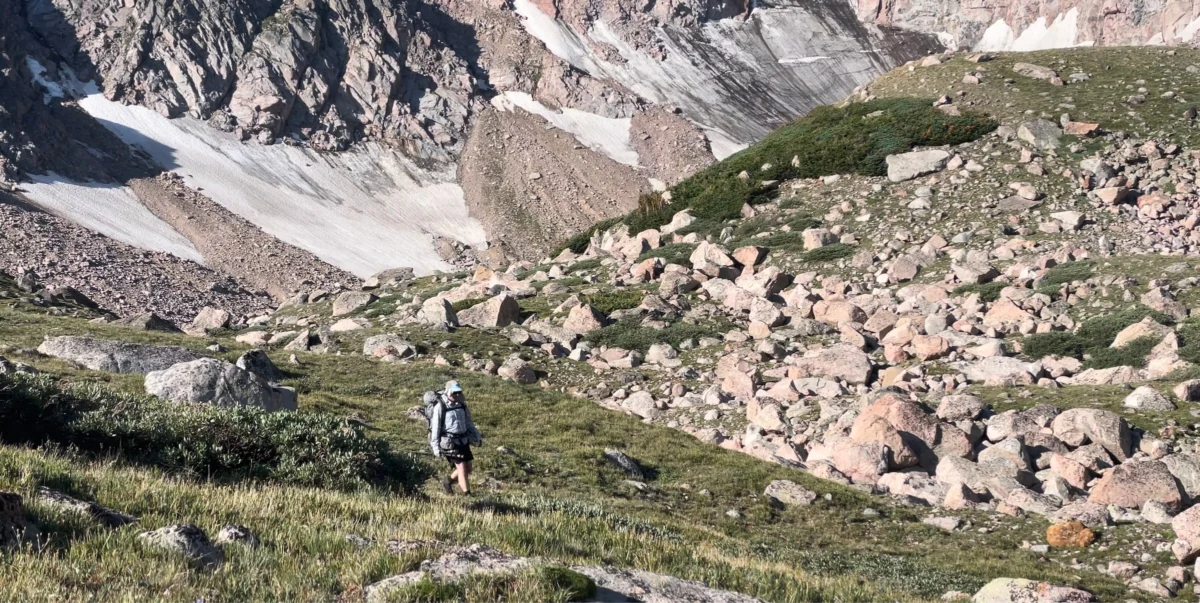
During a one-night backpacking excursion in the high-alpine terrain of Northern Colorado, I experienced a rapid onset of debilitating symptoms. Upon reaching a high-elevation lake at 11,500 feet, what began as a routine trip quickly devolved. Within hours of arrival, I was hit by a wave of physiological distress: a pounding headache, nausea, profound fatigue, and mild dizziness. These were accompanied by chills, tremors, acute anxiety, and significant temperature dysregulation.
A retrospective evaluation using the Lake Louise Acute Mountain Sickness (AMS) Score yielded a result of 7. In the clinical community, this score confirms a diagnosis of moderate acute mountain sickness. However, the symptoms did not exist in a vacuum. By cross-referencing wearable Garmin data with a granular reconstruction of my caloric intake, fluid consumption, physical exertion, and pre-trip recovery, a more complex picture emerged. It became clear that the "altitude" was only one variable in a perfect storm of metabolic and environmental stress.
Chronology of an Expedition
Understanding how a high-altitude hike went wrong requires a detailed look at the timeline.
The Preparation Phase
Living in Estes Park at 7,600 feet, I have a baseline of acclimatization that usually renders trips to 11,000 feet mundane. However, my physiological readiness was compromised before I even laced up my boots. A pre-existing sleep debt had lowered my threshold for stress, leaving my autonomic nervous system in a vulnerable state.
The Approach (08:11 – 18:24)
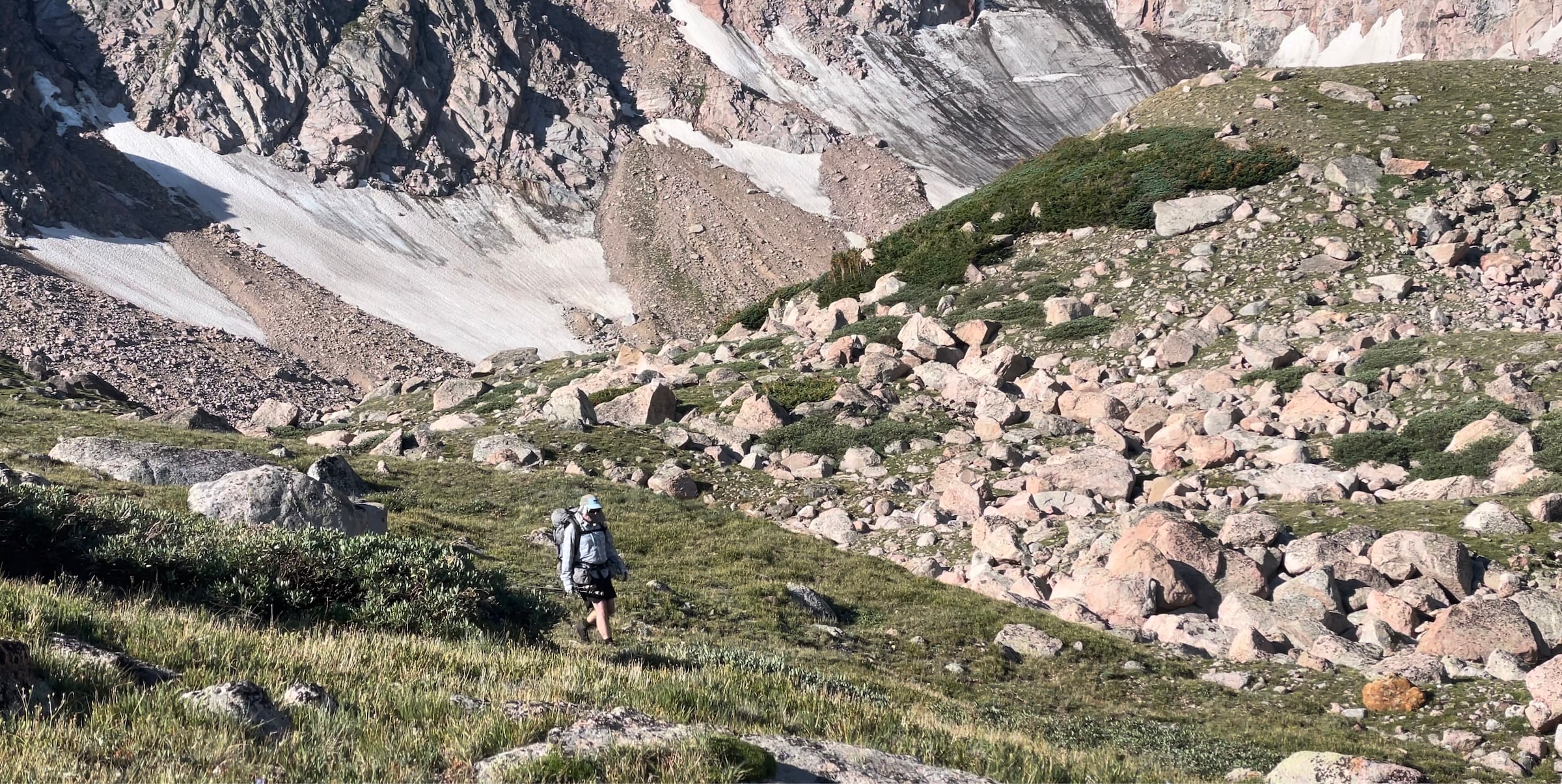
The trek itself was exceptionally demanding. Departing at 8:11 a.m. from an 8,600-foot trailhead, the route spanned 13 miles, much of which involved strenuous off-trail travel through dense forests and rugged alpine terrain. The cumulative elevation gain was roughly 3,800 feet.
Crucially, the gear load was extreme. I was acting as a logistical support for a group of friends, which required me to carry a 48-pound pack (excluding water). With two liters of water, my total starting weight hovered around 52 pounds. As someone weighing 165 pounds, this represented roughly 32% of my body weight—a load that significantly elevated my metabolic rate and oxygen demand throughout the day.
The Onset (18:24 – Midnight)
Upon arriving at the lake at 6:24 p.m., the physical toll of the day finally manifested. As the sun dipped and temperatures dropped, my body, already strained by the heavy pack and the rapid net elevation gain of 3,900 feet from my home base, began to falter. The symptoms—chills, nausea, and the "shakiness" associated with hypoglycemia—hit with intensity.
Supporting Data: The Convergence of Stressors
To understand why the symptoms escalated so rapidly, one must look at the data points collected during the trip.
1. Metabolic Deficit
Garmin tracking and post-trip analysis revealed a significant energy deficit. The sheer caloric output required to move 52 pounds over 13 miles of off-trail terrain far outpaced my intake. This led to substantial carbohydrate depletion, which likely exacerbated the nausea and cognitive fog, mimicking or compounding the effects of hypoxia.
2. The Hydration Gap
Inadequate fluid replacement during the approach further complicated my physiology. While I attempted to maintain a standard hydration schedule, the environmental dryness at 11,500 feet—combined with the high work rate—meant I was likely in a state of mild dehydration upon arrival. Dehydration is a known accelerant for AMS, as it reduces blood volume and limits the body’s ability to circulate oxygen efficiently.
3. Workload and Oxygen Debt
The "workload" variable cannot be overstated. By pushing a heavy pack over technical terrain, I forced my heart and lungs to operate near their maximal capacity. This increased the oxygen cost of movement, effectively making my body "feel" as if it were at a higher elevation than 11,500 feet. The internal oxygen demand created an artificial environment of hypoxia, triggering the symptoms that I ultimately labeled as AMS.
Clinical and Expert Perspectives
While the Lake Louise score provided a diagnostic label, the medical community increasingly recognizes that AMS is not always a discrete condition. Experts in high-altitude medicine suggest that "Altitude Sickness" is often a catch-all term for a triad of stressors:
- Hypoxic Stress: Reduced partial pressure of oxygen at altitude.
- Metabolic Stress: Glycogen depletion and electrolyte imbalance.
- Physical Stress: Overexertion and thermoregulatory fatigue.
In my case, the interaction between these three was the primary driver of the clinical presentation. Had I been well-rested, properly fueled, and carrying a lighter load, it is highly probable that the same elevation would have caused minimal, if any, symptoms.
Implications for Backcountry Safety
The implications of this case study are significant for anyone venturing into high-alpine environments. We are taught to watch for "the signs of AMS," but we are rarely taught how to disentangle those signs from other common hiking ailments.
Redefining the Approach
- Recognize the "Synergistic Effect": A small deficit in sleep, combined with a small deficit in hydration, combined with a 5% increase in physical workload, can create a total effect that is greater than the sum of its parts.
- The "Energy-First" Protocol: At high altitudes, nutrition is not just about fuel; it is a prophylactic measure against altitude illness. Maintaining blood glucose levels is essential to help the brain cope with the reduced oxygen environment.
- Load Management: Even if you are fit, the relative percentage of body weight carried plays a massive role in how the body acclimatizes. A heavy pack acts as a "multiplier" for altitude stress.
- Listen to the Body, Not the Score: Diagnostic tools like the Lake Louise Score are useful for documentation but poor for real-time decision-making. If you feel "off"—regardless of whether you can attribute it to hydration, food, or altitude—the safest course of action is to prioritize recovery or, if necessary, descend.
Conclusion: Lessons from the High Lake
My experience at 11,500 feet serves as a stark reminder that the mountains do not discriminate based on experience. The "moderate acute mountain sickness" I suffered was, in reality, a multisystem collapse triggered by a perfect storm of environmental and lifestyle factors.
By analyzing the convergence of these variables—workload, nutrition, hydration, and recovery—we can develop a more robust framework for mountain safety. We must stop viewing altitude sickness as an isolated phenomenon and start viewing it as the end-result of our body’s inability to manage the cumulative stressors of the backcountry. Whether you are a professional guide or a casual hiker, the lesson remains the same: the most effective piece of safety gear is your own metabolic and physical awareness.
As we look toward the future of high-altitude exploration, the integration of wearable data and retrospective self-analysis will be essential in helping adventurers understand the limits of their own biology, ensuring that the only thing we leave in the mountains are footprints—not health crises.