In an era where the “smart home” is increasingly synonymous with “surveillance home,” the ubiquity of internet-connected cameras has created a profound discomfort for many homeowners. While security cameras are undeniably effective at capturing visual evidence, they bring a host of baggage: potential data breaches, the recording of intimate family conversations, and the growing concern that private video feeds could be accessed by third-party corporations or, worse, integrated into state surveillance networks.
For the privacy-conscious consumer, the choice has historically felt binary: either install a camera and sacrifice a portion of your sanctuary, or go without and risk leaving your home vulnerable. However, the market is shifting. A new generation of non-visual monitoring technology—ranging from radar-based perimeter detection to smart presence sensors—is offering a robust "third way." These devices can detect intruders, monitor entry points, and provide peace of mind without ever capturing a single frame of video.
The Privacy Paradox: Why Consumers are Turning Away from Cameras
The central friction point in modern home security is the "privacy tax." Even reputable manufacturers have faced scrutiny regarding how they handle video data, how long they store it, and who has access to it. Vulnerabilities in firmware can leave feeds exposed to the public internet, and many companies have faced criticism for their policies on sharing footage with law enforcement without a warrant.
As a security technology reviewer, I have spent years testing the latest hardware. My conclusion is that for many households, a camera is not only overkill—it is a liability. If your primary goal is to know if someone is in your home or on your property, rather than who they are or what they are doing, you don’t need a lens. You need a sensor.
Radar and Perimeter Detection: The Old-School Revolution
One of the most effective ways to secure a large property is to step away from modern "smart" tech and embrace tried-and-true radio frequency (RF) technology.
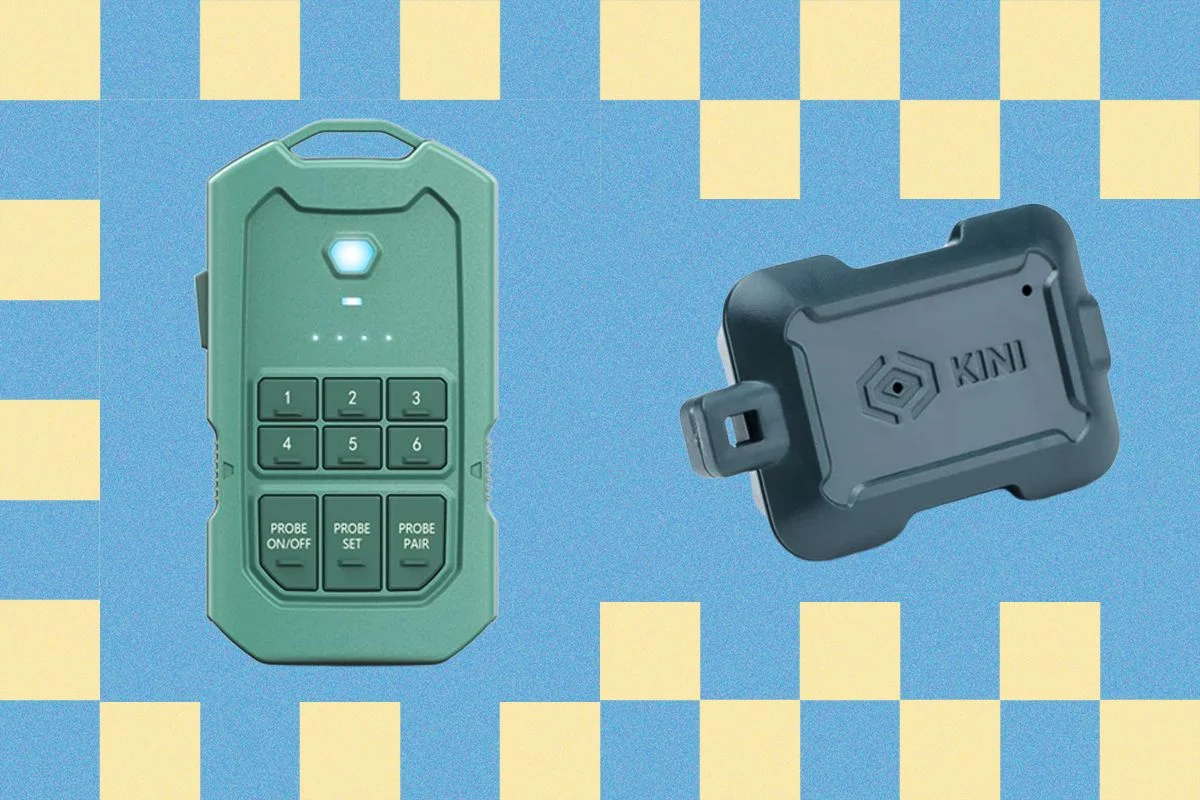
The Letwesaf Radar Motion Alarm System
This system represents a refreshing return to basics. By utilizing radar technology, it creates a reliable detection zone that ignores common false triggers like swaying branches or blowing leaves.
Chronology of Performance:
- Day 1-3: Initial setup. Unlike Wi-Fi-dependent cameras, this unit pairs directly with its receiver. No apps, no cloud, no account creation.
- Day 4-7: Stress testing. In a backyard environment, the unit successfully distinguished between human movement and the presence of pets.
- Operational Reality: With a range of up to half a mile, this is ideal for rural properties or large estates. However, the device is not without its maintenance requirements. The 3,000-mAh battery requires a recharge every five to six days. For permanent installations, I highly recommend pairing the unit with a small USB-C solar panel to ensure continuous, set-and-forget operation.
The primary drawback here is the cost of expansion. While the base kit is a significant investment at $220, adding multiple detectors—priced at $120 each—can quickly make this one of the more expensive solutions on the market. However, for those who value absolute privacy, the cost is a small price to pay for a system that never transmits data to a server.
Micro-Monitoring: Protecting Cabinets, Safes, and Valuables
Sometimes, security isn’t about the perimeter; it’s about specific, high-value assets within the home.
The Kinisium Kini SafeAlert
The Kini SafeAlert is designed for precision. Whether it is a medicine cabinet, a gun safe, or a drawer containing sensitive documents, the Kini acts as a silent sentry. It utilizes an internal sensor array to monitor movement along the X, Y, and Z axes.
Supporting Data and Configuration:
The device is highly granular. Through a web-based interface—which avoids the need for a potentially data-hungry mobile app—users can adjust sensitivity and set "cool-down" periods. This prevents the system from being overwhelmed by multiple alerts during a short window of time.

The device features a "Stasis Mode," which is arguably its most innovative function. Instead of alerting you when movement occurs, it alerts you when movement stops. This is a breakthrough for the elderly care market. For example, if an elderly relative fails to open their medicine cabinet by a certain time, the system can trigger an automated notification to a caregiver. It is a profound example of how monitoring technology can be used to improve safety and health without infringing on the dignity of a camera lens.
Smart Home Ecosystems and Presence Sensing
For those already invested in smart home infrastructure, presence detection is the next logical step. Unlike motion sensors, which look for a sudden change in an infrared field, presence sensors use advanced radio waves or Zigbee signals to detect the subtle movements of a human body, even if that person is sitting perfectly still.
The Aqara and Philips Hue Landscape
The Aqara FP2 Presence Sensor ($83) is the current gold standard for many enthusiasts. It offers zonal detection, allowing you to create specific "danger zones" in a room. While its ability to count the exact number of people in a space can occasionally be erratic, its reliability in detecting presence is unmatched.
Conversely, the Philips Hue Outdoor Motion Sensor ($55) remains the king of convenience for existing Hue users. It is reliable, weather-resistant, and integrates seamlessly with lighting.
The Privacy Trade-off in Ecosystems:
It is critical to note that while these devices are excellent, they often rely on cloud-based ecosystems. Users must evaluate the privacy policies of the companies behind the hub (e.g., Signify for Hue, or Aqara’s cloud services). If you choose these, ensure you are utilizing local control options via platforms like Home Assistant or HomeKit whenever possible to minimize external data exposure.
Implications for the Future of Home Security
The industry is currently at a crossroads. As consumer awareness regarding digital privacy grows, the demand for "local-only" and "non-visual" security is skyrocketing. We are seeing a move toward:
- Subscription-Free Hardware: Devices like the Letwesaf radar system are gaining traction because they do not require a $10/month cloud fee.
- Edge Processing: Consumers are increasingly prioritizing devices that process data on the hardware itself, rather than sending raw information to the cloud.
- Specialized Utility: We are moving away from the "one-size-fits-all" security camera and toward a modular, sensor-heavy approach where different devices serve different needs—radar for the yard, contact sensors for windows, and presence sensors for the interior.
Official Stance and User Privacy
When selecting any of these devices, the user must act as their own data auditor. Even when a manufacturer claims they "do not collect data," the consumer must verify the device’s network traffic.
For those who are truly concerned about the "surveillance state," the best practice remains:
- Avoid Wi-Fi where possible: Opt for Zigbee, Z-Wave, or proprietary RF systems.
- Disable Cloud Features: If a device offers a web-browser configuration, use it to block the device from accessing the internet at your router level.
- Prioritize Open Standards: Look for devices that support Matter or IFTTT, which often provide more transparency and control over how your data is handled.
Conclusion
Securing your home no longer requires a network of invasive cameras that turn your living room into a broadcast studio. By combining radar-based perimeter defenses, specialized presence sensors, and intelligent, non-visual monitoring, you can create a security posture that is actually more robust than a traditional camera system—and significantly more private.
The future of home security isn’t about seeing more; it’s about knowing more, while keeping your home’s most intimate moments exactly where they belong: out of the cloud and behind closed doors. Whether you are protecting an estate, a small apartment, or the independence of a loved one, these alternatives prove that peace of mind doesn’t have to come at the cost of your privacy.