By Sam Johnston
Lead Guide, Montana River Guides; Instructor and Spill Responder, Whitewater Rescue Institute (WRI)
Deep within the Andean folds, where the Marañón River begins its long, serpentine journey to the Amazon, there exists a world defined by its indifference to human ambition. It is a landscape of claustrophobic granite gorges, stacked whitewater, and a silence that is only broken by the thunder of the river itself.
For the modern adventurer, this is the ultimate crucible. But as I learned during a self-supported kayak expedition through the headwaters of the Amazon—a journey first chronicled in the March 2026 issue of Downriver Journal—the river does not care about your experience, your certifications, or your ego. It only cares about the decisions you make in the seconds before a mistake becomes a tragedy.
The Anatomy of an Incident: A Chronology of the Marañón
The Marañón is not merely a river; it is a commitment. Once you enter the Inner Gorge, you are effectively isolated, with medical facilities and civilization often over a hundred miles of rugged terrain away.
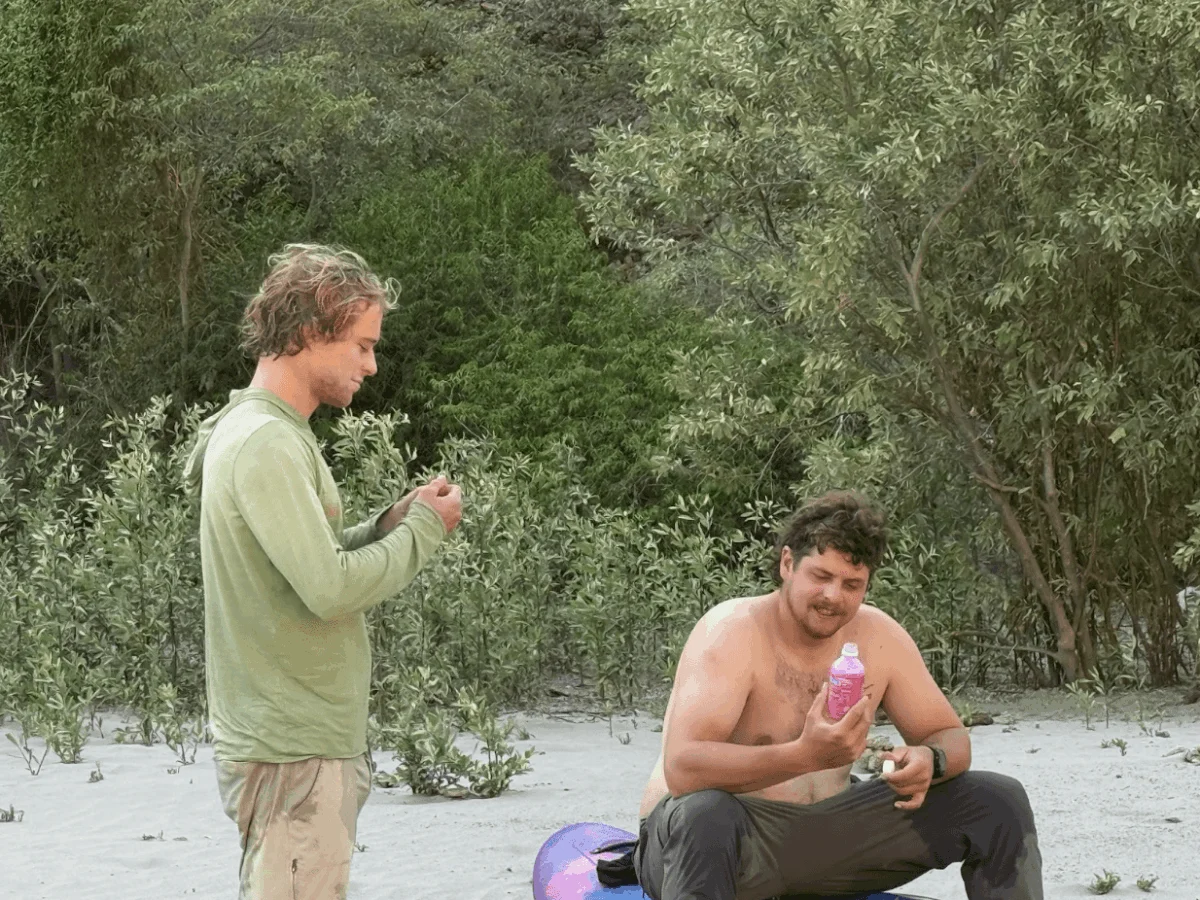
Our expedition was meticulously planned, yet the river’s nature is one of constant, unpredictable variables. The incident that remains etched in my memory occurred during a lunch stop amidst the blistering heat of a Peruvian afternoon. We had just successfully navigated the technical portage of "Wasson’s Slide," maneuvering across shifting, unstable granite under the unrelenting sun.

While scouting our next move, I placed my hand on what appeared to be a stable, washing-machine-sized boulder. It shifted. In a split second, I lunged and shouted the universal warning: "Rock!"
A multi-hundred-pound boulder plummeted toward my teammate, Dayton, who was standing in the shallows below. It came to a rest inches from him, wedged between two smaller stones. The look of disbelief on his face, followed by a cold, hardened resolve, was a sobering reminder that in remote, high-stakes environments, the margin for error is nonexistent.
This was not an isolated moment of chaos. Later in the trip, our team faced a severe health crisis. As we navigated the latter half of the Upper Canyon, three of our five members were struck by a violent illness. We found ourselves sheltering under a bridge in a small town in Ancash, scavenging for supplies—sporades, canned tuna, and unlabeled antibiotics provided by locals—while attempting to manage the physical and mental degradation of our group.
The Five Pillars of Swiftwater Safety
The Marañón forced a brutal, practical audit of my professional training. Whether one is paddling the Clark Fork in Montana or navigating the headwaters of the Amazon, the fundamental tenets of swiftwater safety remain the same. The following five lessons are the byproduct of that expedition.
1. The Myth of the "Safe" Zone
We scouted the rapids of Wasson’s Slide with the rigor expected of seasoned paddlers. We mapped the hazards and secured our portage lines. Yet, we failed to scout our lunch spot.

In rescue operations, we learn that the "scene" is not limited to the rapid itself. It encompasses every piece of terrain you occupy. A boulder field, an eddy, or an anchor point—all are components of the hazard. The most dangerous moments often occur during the "safe" parts of the day when our guard is down.
2. Cognitive Degradation Under Pressure
The human brain is the first thing a river takes away. When you are dehydrated, sleep-deprived, and watching teammates suffer from illness, your decision-making capability plummets.
In a classroom, an instructor can process complex variables with ease. In the field, under extreme stress, that same individual is operating at a fraction of their cognitive capacity. This is why standardized systems and checklists are not just guidelines—they are the only thing keeping you tethered to reality when the river begins to overwhelm your senses.
3. Containment as a Strategy
I once believed I had a "containment plan" for the Inner Gorge. In reality, I had a hope. I hoped I wouldn’t swim, and I hoped my teammates would be positioned to help if I did.
A true containment plan requires precise answers: Who is watching? Where is the extraction point? What happens if the primary plan fails? During a flip in a hole below Wasson’s, I felt the cold reality of the difference between a "wish" and a "plan" as I scraped against the riverbed. A plan must be a drill, not a prayer.

4. The Current of Ego
Standing at the precipice of Samosera Rapid, I faced the most significant challenge of the trip—not the water, but my own motivation. I had to ask: Was I running this for the right reasons, or because I didn’t want to be the "least accomplished" boater on the team?
Ego is a current that cannot be paddled against. It is the most dangerous piece of equipment on the river, and it is almost always the cause of failure. Naming your motivation out loud is the only way to neutralize it.
5. Respect, Not Conquest
The narrative of "conquering" a river is a fallacy. The Marañón has been carving its path for millions of years; we are merely temporary visitors. The goal of any competent rescuer is not to dominate the water, but to understand it well enough to navigate it safely.
Professional Implications: The Value of Recurring Training
The transition from a canyon in Peru to a spill response callout on the Clark Fork reveals a universal truth: the stakes change, but the skills are identical.
At the Whitewater Rescue Institute (WRI), we emphasize that the most dangerous student is the one who took a course once, a decade ago, and assumes their skills are still sharp. Skills decay, and decision-making decays even faster.

Standards and Best Practices
WRI’s training framework is built to align with the rigorous standards of the National Fire Protection Association (NFPA) 1006 and 2500. These certifications are not merely bureaucratic hurdles; they are the baseline for safety in high-risk environments.
- Swiftwater & Flood Rescue: Focuses on hydrology, self-rescue, and victim extraction.
- Rope Rescue: Essential for steep-angle, technical terrain common in canyon environments.
- Spill Response: Meets USCG and HAZWOPER standards, acknowledging that environmental safety is as critical as human safety.
The professional response to the risks highlighted by the Marañón expedition is clear: continuous education. Organizations that operate in high-risk aquatic environments must move beyond the "one-and-done" certification model.
Conclusion: The Path Forward
Returning from the Marañón, I found myself with a renewed, almost visceral appreciation for the technical and mental frameworks I teach at WRI. The bug bites will fade, but the lessons—scene size-up, honest risk assessment, and the humility required to work with the river rather than against it—remain.
Whether you are a professional rescuer, an agency partner, or an expedition paddler, the river is waiting. It does not judge, it does not favor the experienced, and it does not grant mercy to the unprepared. The only way to survive the river is to treat every day—in the classroom or on the water—like the day you might actually need the skills you claim to possess.
For those interested in professional-grade swiftwater, rope, and ice rescue training, the Whitewater Rescue Institute offers regular courses on the Clark Fork River in Alberton, Montana. Visit our course schedule to prepare for your next expedition.