By Sam Johnston
Lead Guide, Montana River Guides; Instructor and Spill Responder, WRI
The Marañón River, often called the "Grand Canyon of the Amazon," is a landscape of profound indifference to human ambition. It is a place where granite walls rise thousands of feet, locking paddlers into a corridor where the rapids are not merely features to be navigated, but existential threats. In March 2026, I embarked on a self-supported kayak expedition through these headwaters—a journey that was intended to be an exploration of one of the world’s most iconic rivers. Instead, it became a brutal, masterclass-level study in the fragility of human judgment.
The Anatomy of a Near-Miss
The incident occurred in the Inner Gorge, a section of the river defined by its commitment. Once you enter, there is no quick exit; the nearest road or medical facility is over a hundred miles of technical, high-volume whitewater away.
While scouting the formidable drops of Wasson’s Slide, our team faced blistering Andean heat and the physical toll of portaging gear over unstable, shifting granite. It was during a moment of profound fatigue—halfway through a lunch break on a boulder—that the veneer of safety shattered. I reached out to steady myself against a rock the size of a washing machine. It shifted under my weight.

In that split second, I lunged and shouted the universal warning: "Rock!"
A multi-hundred-pound boulder broke free, hurtling down the slope directly toward my friend, Dayton, who was standing in the ankle-deep water below. By some miracle of physics, the boulder wedged between two smaller stones, stopping inches from him. The look he cast back at me—a cocktail of disbelief and cold, hard realization—is one that will stay with me for the rest of my life. I had nearly ended my friend’s life through a moment of unthinking complacency.
Chronology of the Expedition
The Marañón expedition was not merely a physical challenge; it was a psychological endurance test. The timeline of the journey was marked by escalating environmental and biological hurdles:
- The Approach: Initial stages were characterized by high-volume, technical navigation of the Upper Canyon. Morale was high, and team cohesion was strong.
- The Illness: Near the end of the Upper Canyon, the mission faced its first major setback. Three of our five-member team were struck by a severe gastrointestinal illness.
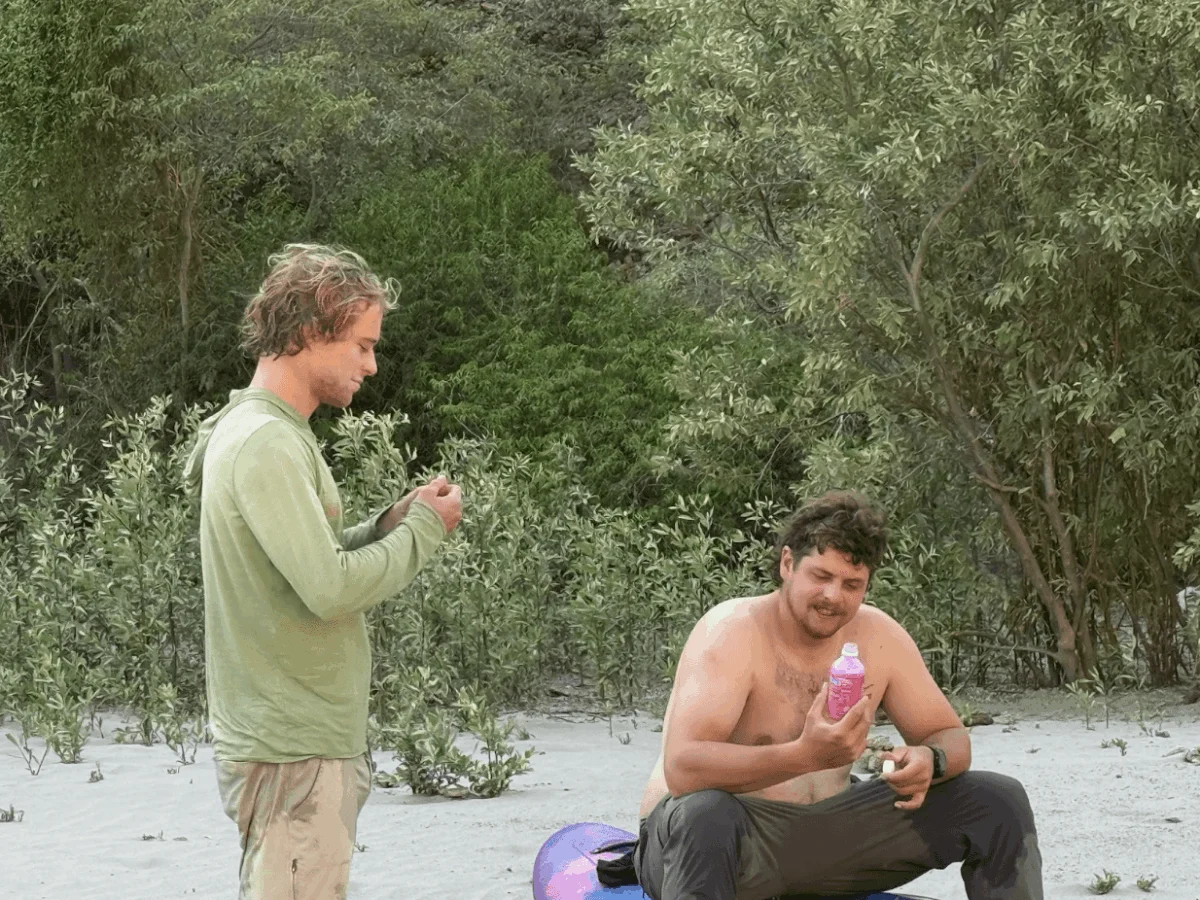
- The Siege in Ancash: We were forced to shelter under a bridge in a small town. The reality of expedition life shifted from "paddling" to "survival." Jack and I navigated the local village to source supplies—canned tuna, sports drinks, and unlabeled antibiotics—all while under the scrutiny of an increasingly hostile local environment.
- The Inner Gorge: Once recovered, we pushed into the heart of the gorge. This is where the true test of decision-making occurred, characterized by the near-accident at Wasson’s Slide and the high-stakes navigation of Samosera Rapid.
- The Extraction: We emerged from the canyon with a renewed, almost visceral, respect for the protocols we usually teach in controlled environments.
The Five Pillars of Swiftwater Survival
My experience in Peru served as a crucible for five fundamental tenets of swiftwater safety. While these are often taught in the classroom, they were reinforced by the harsh realities of the Marañón.

1. The Never-Ending Scene Size-Up
In professional rescue training, the "scene size-up" is the first step. However, on the river, we often fall into the trap of thinking it ends at the water’s edge. My near-fatal mistake occurred because I viewed the lunch spot as "off-duty" terrain. The reality is that the hazard zone includes the bank, the anchor points, and the surrounding geology. We must treat every square inch of the environment with the same vigilance we apply to the rapids themselves.
2. The Erosion of Cognitive Function
Decision-making is the first casualty of stress, fatigue, and dehydration. When my teammates were incapacitated by illness, the cognitive load on the remaining members increased exponentially. The lesson here is clear: you are not as sharp as you think you are when you are exhausted. Technical systems and checklists are not just guidelines; they are the necessary crutches for a brain that is no longer functioning at 100% capacity.
3. Containment as a Strategy, Not a Hope
Before the trip, I possessed a "hope-based" containment plan—a silent prayer that I wouldn’t swim and that someone would be there if I did. After flipping in a hole in the Inner Gorge and feeling the river scrape me against the rocks, I realized that a plan without a defined "what-if" protocol is just a wish. A real plan requires identifying exact positions, downstream hazards, and time-sensitive rescue triggers.
4. The Ego Current
Standing at the edge of Samosera Rapid, I had to ask the most difficult question of the entire trip: Why am I running this? Is it for the line, or is it to avoid the shame of the portage? Ego is a current that is impossible to paddle against. Recognizing that your internal motivation may be driven by vanity rather than capability is the only way to prevent a catastrophic error in judgment.

5. Respect vs. Conquest
We often frame river expeditions in terms of "conquest." The Marañón stripped that narrative away. You do not conquer a river that has been shaping the earth for millions of years; you are merely a guest. The best rescuers move with a quiet, observant respect. Those who move with the arrogance of "conquering" are the ones who inevitably find themselves in the most trouble.
Supporting Data and Institutional Standards
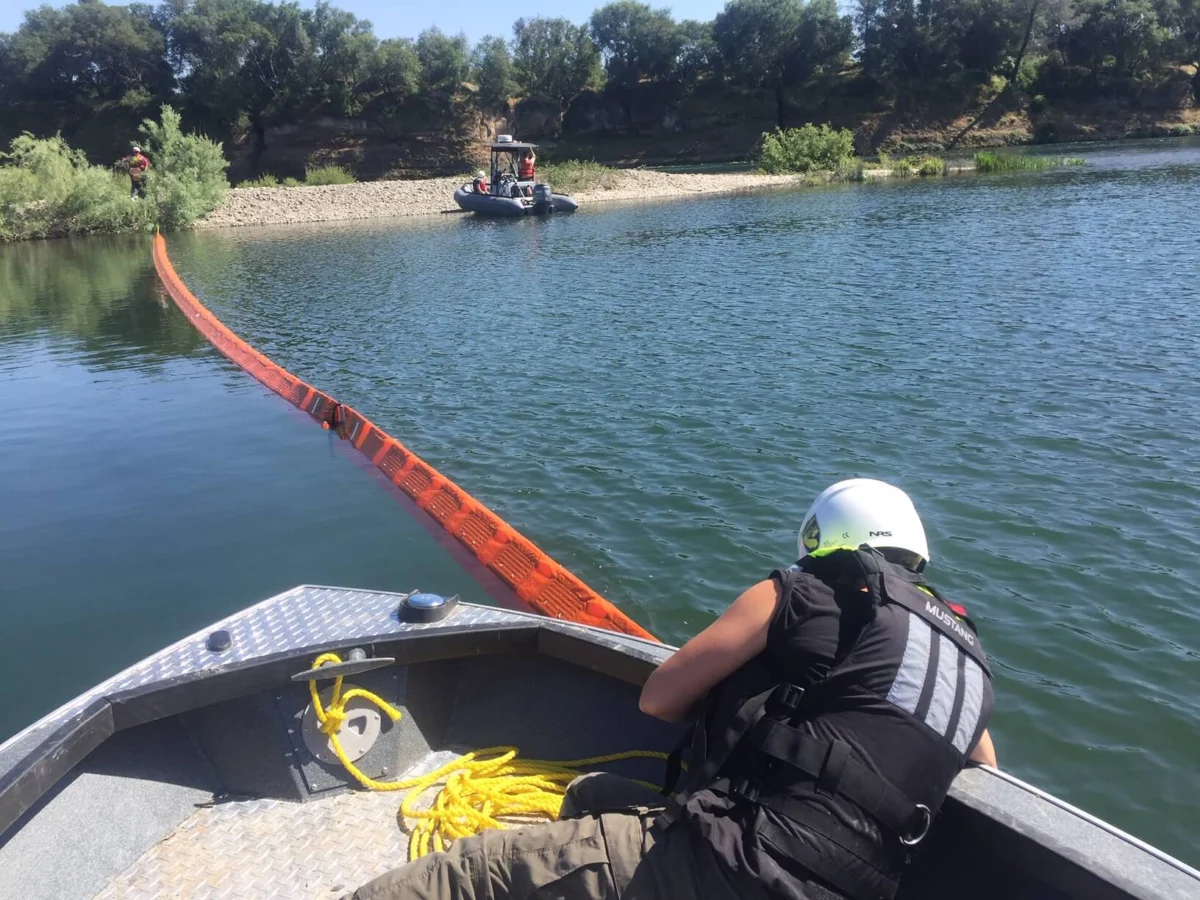
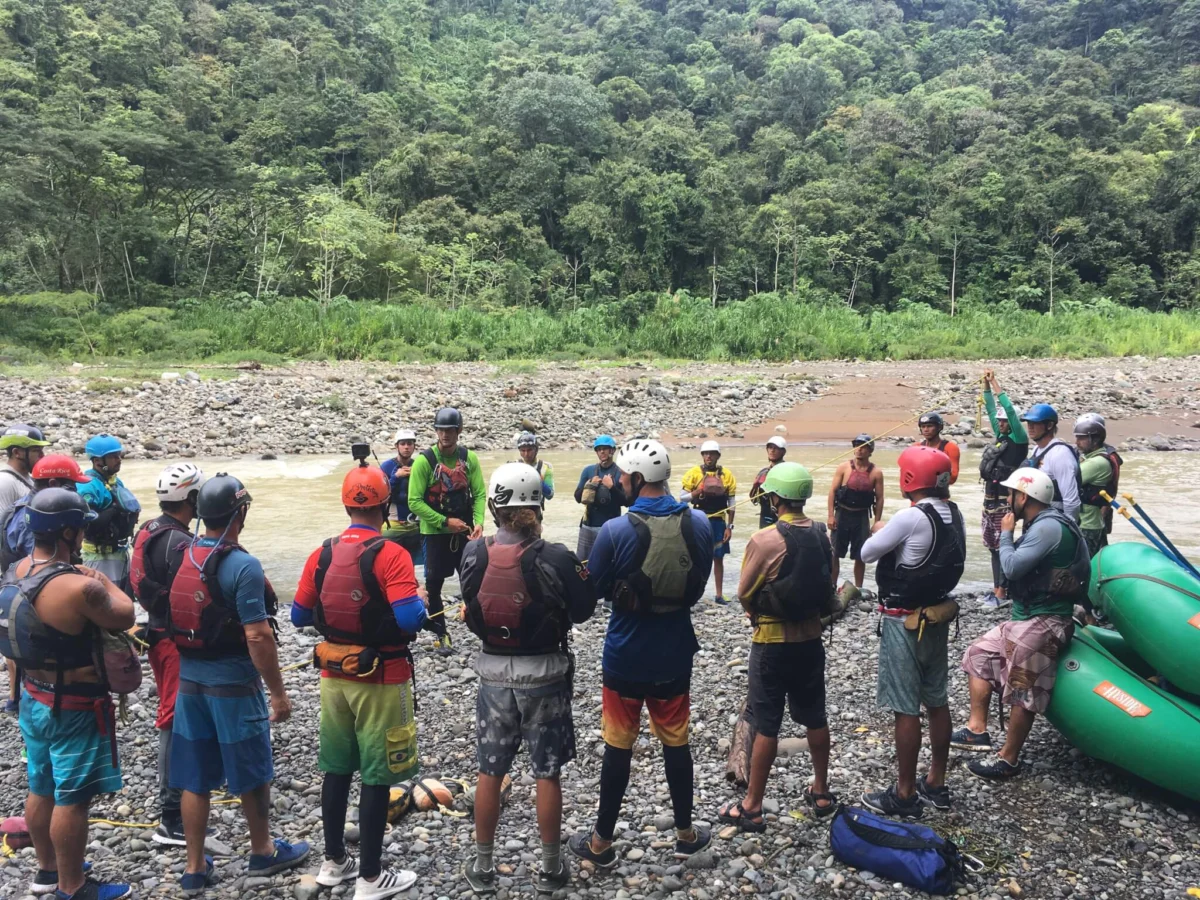
The technical failures I experienced in the field are the exact scenarios that institutions like the Whitewater Rescue Institute (WRI) aim to mitigate. The training we provide on the Clark Fork River in Montana is designed to build muscle memory that survives when the brain shuts down under stress.
Our programs are built to the following professional standards:
- NFPA 1006 & 2500: Technical rescue standards that dictate the baseline for rope, water, and wilderness operations.
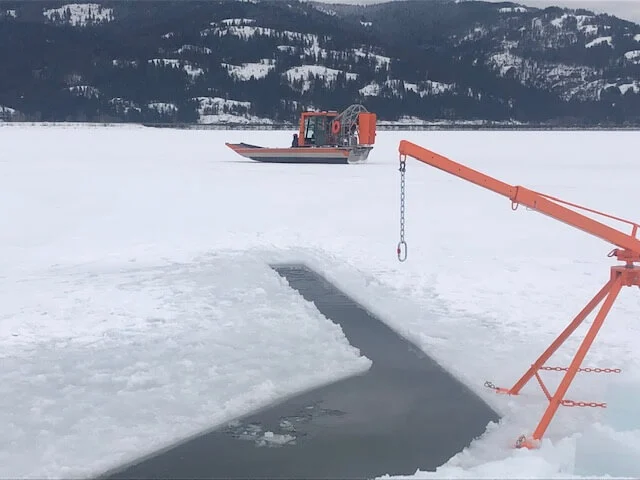
- USCG & HAZWOPER: Specialized training for boat operations and fastwater spill response, ensuring that responders are not only capable of saving lives but are also equipped to handle hazardous material spills in dynamic water environments.
Implications for the Professional Community
The primary takeaway for any guide, rescue professional, or recreational enthusiast is that skills decay. It is a dangerous fallacy to assume that a swiftwater course taken ten years ago provides sufficient protection for today’s risks.

Decision-making decays even faster than technical skills. The professional community must shift its focus from "getting certified" to "staying proficient." This means recurring training, honest debriefs, and an acknowledgment that the "safe" parts of the day are often the most dangerous.
Bringing the Lessons Home
Returning from the Marañón, I was exhausted and battle-worn, but I was also fundamentally changed. I saw the protocols I teach at WRI and Montana River Guides manifest in a way that moved beyond the manual. I saw them save lives.
Whether you are working a spill response callout on a local river or navigating the headwaters of the Amazon, the stakes are ultimately the same. The environment does not care about your experience or your ego. It only cares about your preparation.
If you have been waiting to refresh your skills, or if you are looking to bring your team up to the current industry standards, now is the time. The river will continue to flow, and it will continue to demand the best of us. The question is whether you will be ready when it does.

For those interested in professional development or team certification, visit the Whitewater Rescue Institute to view our current training schedule. We teach on live water, under real-world conditions, because that is where the lessons matter most.