Responding to environmental disasters is inherently dangerous, but when the mercury drops and rivers freeze over, the risk profile for first responders shifts from hazardous to life-threatening. Inland spill response—the containment and cleanup of hazardous materials like oil or chemicals in freshwater environments—becomes an exceptionally complex undertaking during winter months. As recent environmental incidents have demonstrated, the combination of sub-zero temperatures, shifting ice, and flowing water creates an unforgiving theater of operations where a single mistake can prove fatal.
The Reality of Cold Weather Spill Management
When an oil spill occurs in a river during the winter, the immediate instinct is to contain the material before it migrates downstream. However, the presence of ice mandates a radical change in operational strategy. Standard operating procedures (SOPs) that govern summer spill responses are largely insufficient for winter conditions.
The primary objective for incident commanders is to keep responders off the ice entirely whenever possible. Yet, the reality of industrial accidents often leaves no choice but to deploy teams onto frozen water surfaces. Unlike stagnant lake ice, which provides a relatively predictable platform, river ice is a dynamic and deceptive hazard. The constant movement of water underneath causes structural degradation, thinning, and unpredictable pressure ridges. A responder breaking through the surface of a river is not merely dealing with a fall into cold water; they are facing a "sweeper" or "strainer" scenario, where current can pull a victim beneath the ice sheet, making recovery nearly impossible.
Chronology of Risk Assessment: The "Initial Size-Up"
Before a single piece of equipment is deployed, the Incident Management Team (IMT) must conduct a rigorous, multi-faceted size-up. This process is the bedrock of safety and cannot be bypassed for the sake of speed.
Phase 1: Environmental Analysis
Responders must first quantify the variables that dictate ice integrity. This begins with an assessment of the current speed—higher velocities exert more mechanical stress on the underside of the ice, accelerating erosion. River depth is equally critical; shallow areas may be frozen to the riverbed, creating a stable but uneven surface, while deep channels may harbor dangerous "voids" where air pockets have formed.
Phase 2: Structural Evaluation
Once the environmental variables are mapped, the team must conduct a thorough physical assessment. This involves drilling test holes progressively from the shore toward the center of the river.
- The Math of Survival: Responders often use the formula $P = 50 times T^2$ (where $P$ is the load capacity in pounds and $T$ is thickness in inches). While this provides a baseline, it is a dangerous oversimplification. Experienced teams must subtract 15% from these values to account for river currents and up to 50% for "snow ice," which is structurally inferior to clear, transparent ice.
- Ice Typology: Not all ice is created equal. "Lake ice" (clear and reflective) is the strongest. "Frazil ice" (slushy, disk-shaped) signals the early phases of formation and possesses almost no load-bearing capacity. "Candled ice"—whitish-gray and porous—is notoriously deceptive, often appearing thick while possessing the structural integrity of wet cardboard. Finally, "snow ice," formed when snow saturates and freezes on top of a sheet, is opaque and brittle, making it a death trap for heavy equipment.
Supporting Data: Understanding Ice Dynamics
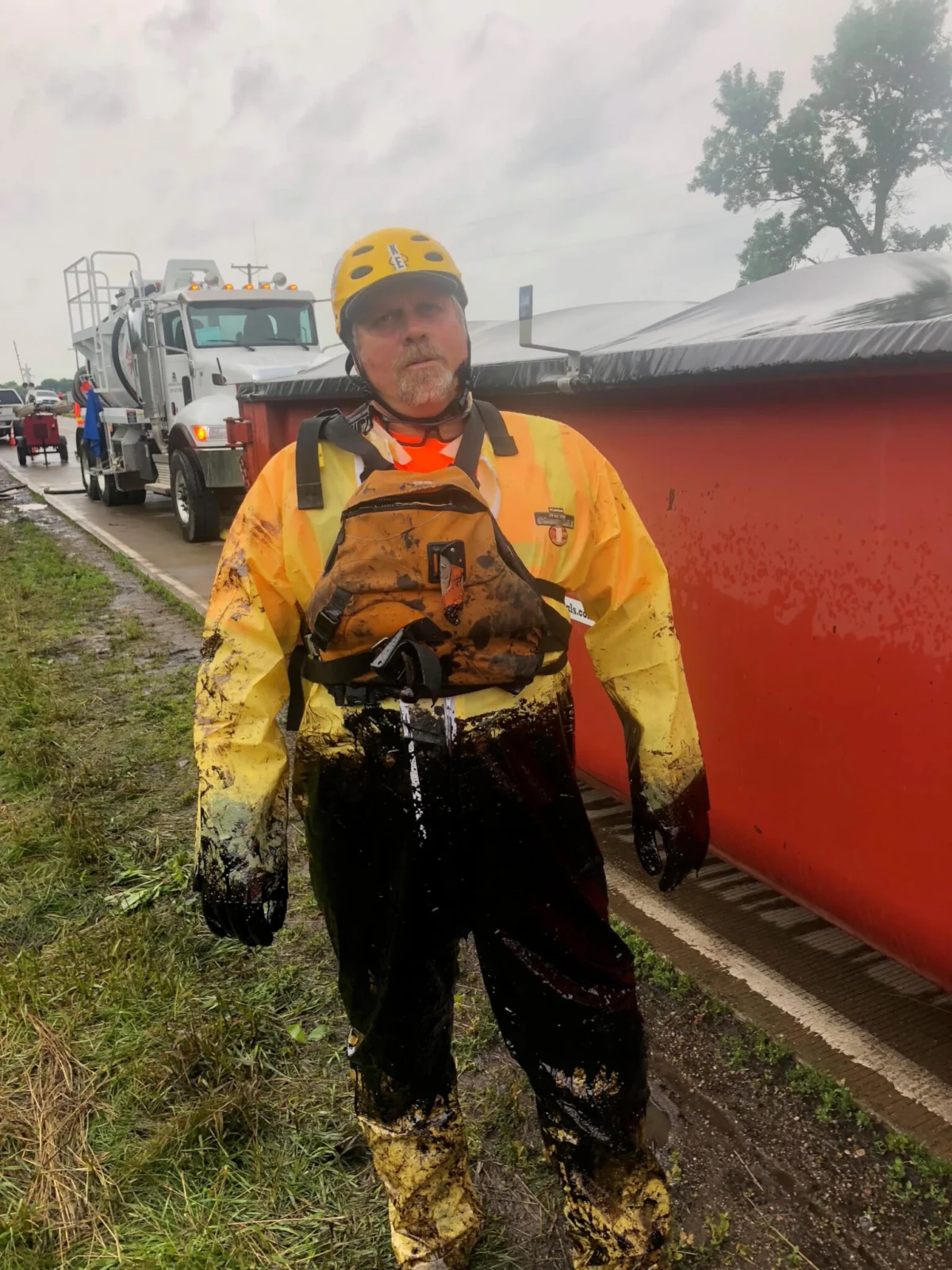
The decision to step onto an ice sheet must be supported by a robust safety plan, including the deployment of specialized gear. PPE for these operations goes far beyond standard high-visibility vests. Responders are required to wear drysuits, helmets, and PFDs (Personal Flotation Devices) specifically designed for ice environments. Ice awls must be carried on the exterior of the gear for immediate self-rescue, and ice cleats are mandatory to prevent slips during the approach.
Operational Infrastructure
Once the site is deemed viable, the infrastructure must be hardened. This includes:
- Weight Distribution: Utilizing 4×8 sheets of plywood to spread the weight of personnel and equipment across a wider surface area.
- Belaying Systems: No responder should work on ice without a dedicated belayer positioned on stable ground or a reinforced platform.
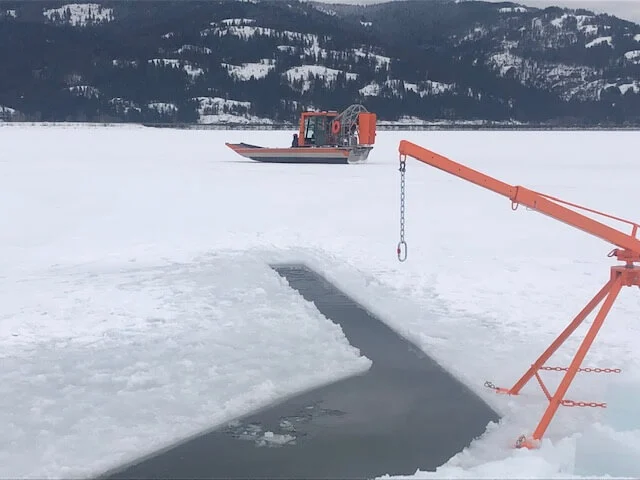
- Rescue Slots: If open water does not exist downstream, crews must cut a "rescue slot"—a pre-cut section of ice that can be easily accessed if a rescuer goes into the water.
- The Warming Tent: A non-negotiable requirement of any cold-weather operation is the establishment of a heated command post. This facility must be equipped with hypothermia wraps, an AED, supplemental oxygen, and a cache of dry clothing for any responder who falls into the water.
Official Responses and Safety Protocols
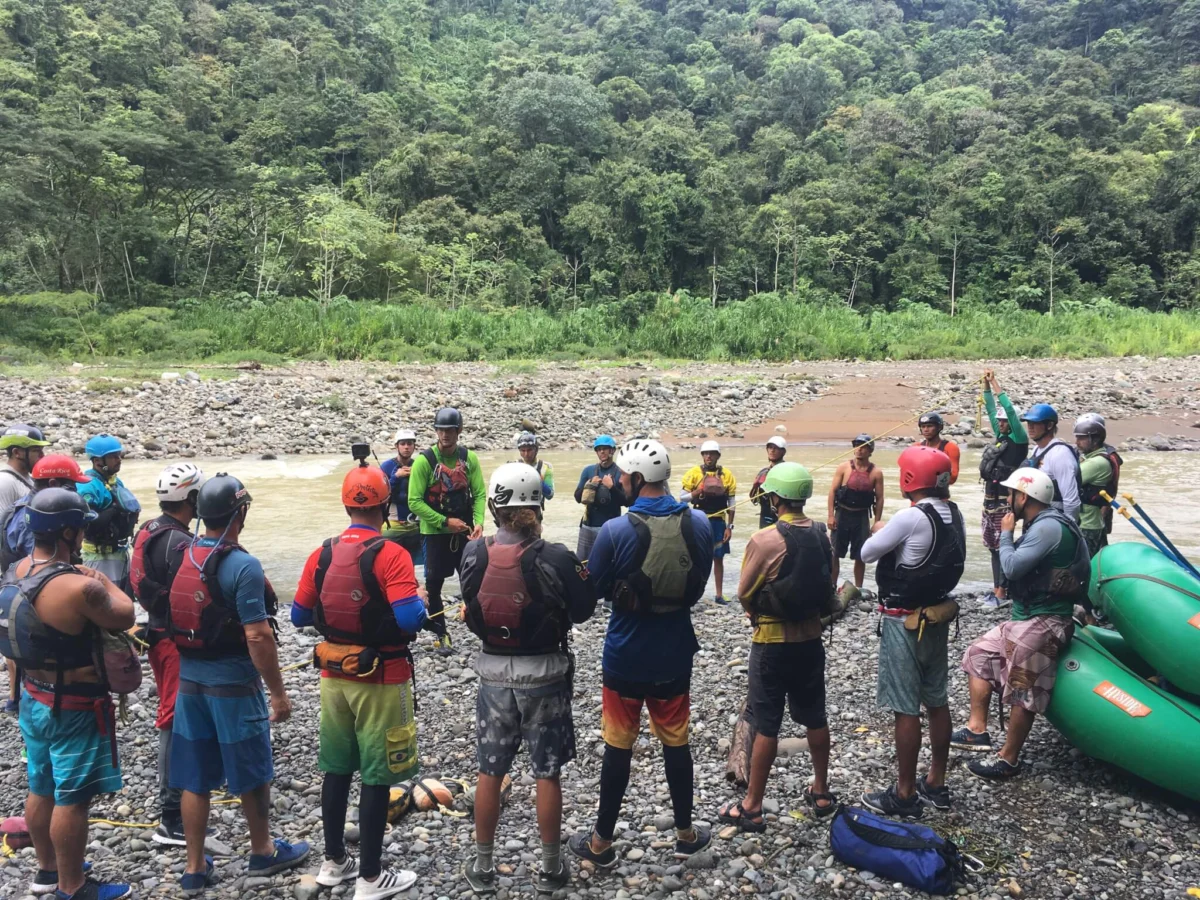
Regulatory bodies and environmental protection agencies emphasize that the buddy system is the only way to manage the psychological and physical strain of these environments. Workers must be paired at all times, and a strict rotation must be implemented to prevent the onset of fatigue, which is the primary contributor to cold-weather accidents.
Furthermore, weather monitoring must be continuous. A site that is safe at 08:00 hours can become a hazard by 14:00 hours due to shifting wind speeds or fluctuations in solar radiation. The Wind Chill Temperature Index is a critical tool here. Responders must understand that "temperature" is only half the story. High winds strip heat from the body exponentially faster, leading to frostbite in minutes. When the wind chill dips into the negative range, the threshold for mission failure due to human factors—such as impaired dexterity or mental confusion—drops significantly.
Implications for Future Operations
The increasing frequency of winter spill responses necessitates a shift in how private contractors and government agencies prepare for these events. The training must move beyond basic spill containment and incorporate specialized ice-rescue certification.
The Survival Imperative
If a responder does fall through the ice, the survival plan is simple but difficult to execute:
- Do not panic. The cold-water shock will trigger an immediate, involuntary gasp reflex.
- Maintain position. Extend arms wide to prevent slipping entirely beneath the surface.
- Self-Rescue. Use the ice awls to gain purchase, kicking the legs to transition from a vertical to a horizontal position, then rolling away from the hole to distribute weight.
Strategic Infrastructure
Looking forward, the industry must invest in better remote-sensing technology. Ground-penetrating radar (GPR) and thermal imaging are becoming essential tools for non-invasively mapping ice thickness. By using drones and autonomous underwater vehicles (AUVs), we can gather data on river conditions without risking human life.
Conclusion
Inland spill response in winter is a marathon of risk management. It requires the precision of an engineer, the caution of a mountain climber, and the endurance of an arctic explorer. As we continue to operate in these harsh environments, the mandate remains clear: no amount of oil or chemical product is worth the life of a responder. By adhering to strict safety protocols, utilizing advanced analytical tools for ice assessment, and never underestimating the power of moving water, we can mitigate the inherent dangers of the freeze and protect both our workers and the fragile ecosystems they are tasked with saving.
The cold is not merely a condition; it is an active adversary. To defeat it, we must be disciplined, prepared, and, above all, respectful of the thin, shifting barrier between the safety of the shore and the lethal current beneath.