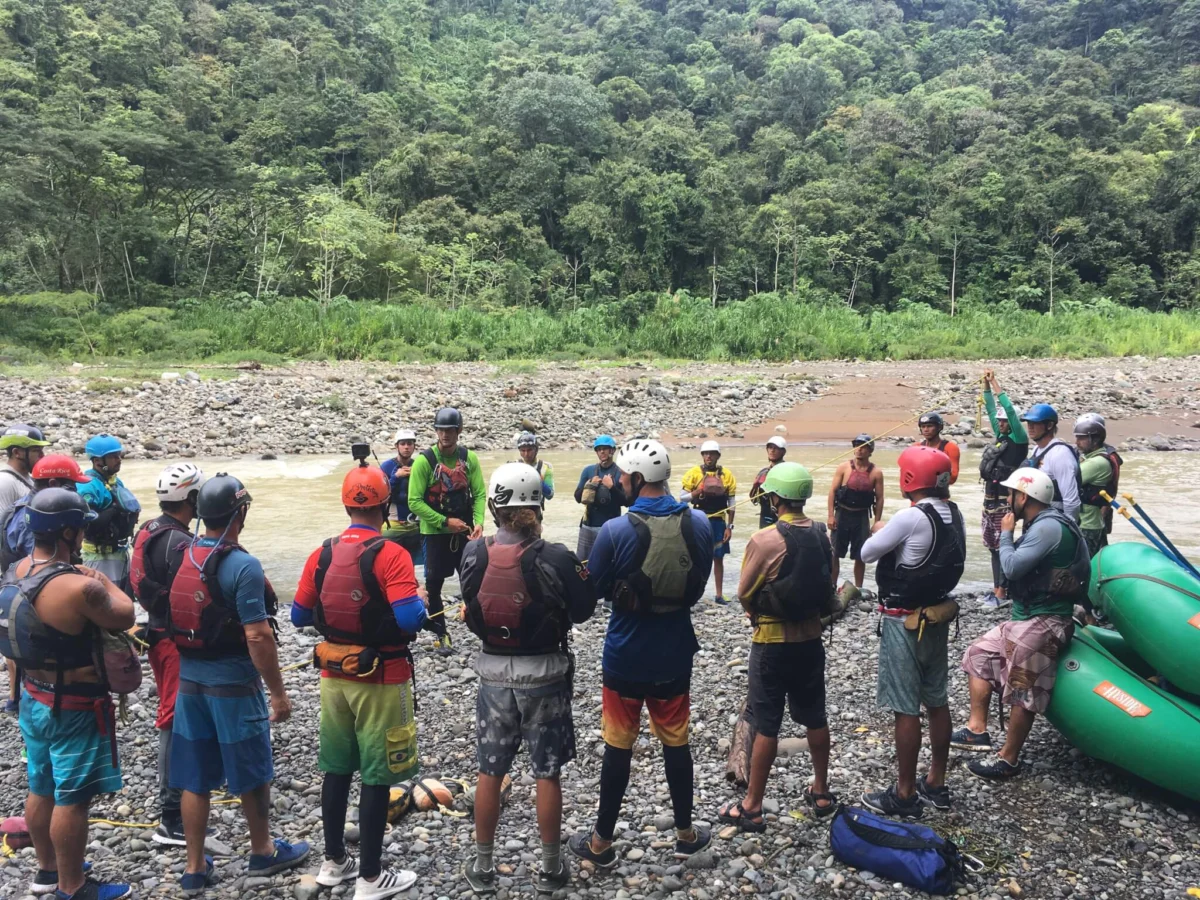
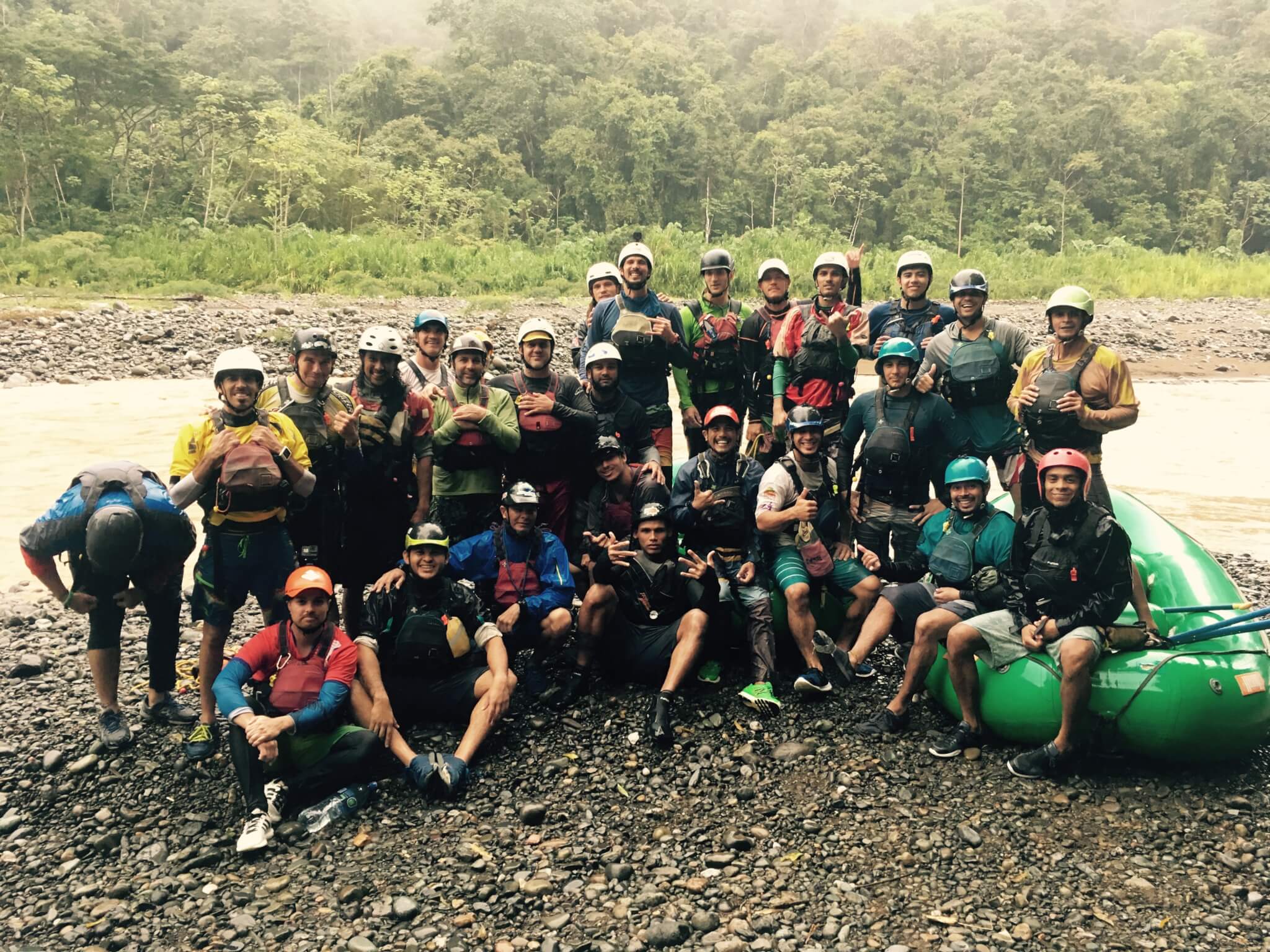
In the world of professional whitewater rafting, the difference between a routine excursion and a life-threatening crisis is often measured in seconds. Recognizing the inherent risks of navigating high-flow environments, 50 of Costa Rica’s elite river professionals recently gathered on the banks of the Rio Sevegre for an intensive, five-day swiftwater rescue certification program. Led by instructors from the renowned Whitewater Rescue Institute, the training sought to bridge the gap between technical expertise and the logistical realities of remote-location emergency response.
Main Facts: A Collaborative Initiative
The training initiative was designed to professionalize emergency response protocols for guides working in one of the world’s most biodiverse and rugged landscapes. Instructors Paul Heffernan and his colleague facilitated the curriculum, which covered the essential pillars of river safety: hydrology, risk management, equipment maintenance, and, most critically, organizational rescue structure.
The 50 participants represented several leading Costa Rican rafting operations, including Amigos del Rio, Pro Rafting, Unique Tours, and H2O Adventures. The objective was not merely to teach new skills but to refine the existing instincts of guides who work nearly year-round on the river. By focusing on the "LAST" phases of rescue—Locate, Access, Stabilize, and Transport—the course aimed to ensure that even in the most isolated reaches of the Rio Sevegre, guides could manage complex, multi-victim scenarios with clinical precision.
Chronology of the Five-Day Intensive
The program was structured as a progression, moving from theoretical classroom foundations to high-stress, real-world simulations.
Days 1-2: The Fundamentals of River Dynamics
The course commenced in the coastal town of Quepos. Here, instructors and guides engaged in deep-dive discussions on the physics of water. Understanding hydrology—how water interacts with rocks, strainers, and hydraulics—is the first step in avoiding danger. During these sessions, the team reviewed the "progression of risk" model: Hello, Reach, Throw, Row, Tow, and Go. This framework serves as a mnemonic for rescuers to prioritize their own safety by choosing the lowest-risk intervention first.
Days 3-4: Hands-On Technical Mastery
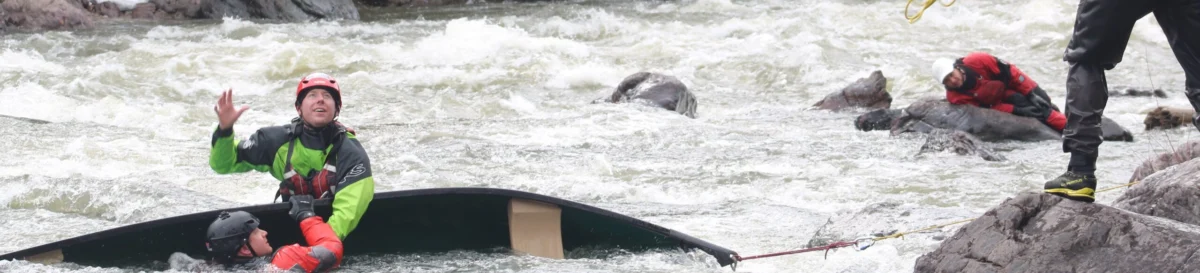
Moving to the Rio Sevegre, the training shifted to the water. The crystal-clear, warm currents provided an ideal laboratory for mastering technical maneuvers. Guides practiced aggressive and defensive swimming, precise throw-bag deployment, and complex rope systems, including Z-drags and multi-point anchors. These days were characterized by intense physical activity, where the guides’ inherent comfort in the water was augmented by rigorous, standardized rescue protocols.

Day 5: The Stress-Test Scenarios
The final day was dedicated to "full-mission profiles." Instructors staged complex, multi-victim scenarios that forced the guides to apply everything they had learned under simulated pressure. These exercises included injured victims, pinned rafts, and the added challenge of communication breakdowns, mimicking the reality of a true emergency where cell service is non-existent and external resources are hours away.
Supporting Data: The Logistics of Remote Rescue
The training highlighted a sobering reality: in the Costa Rican wilderness, help is rarely a phone call away. The curriculum emphasized that the guide is often the only first responder available.
Emergency Communication and Organization
A significant portion of the training was dedicated to the Incident Command System (ICS). In a high-adrenaline river rescue, the lack of a clear leader can lead to confusion and secondary accidents. By identifying a single "Team Leader" during a response, the guides learned to streamline communication using standardized whistle and hand signals.

Pre-Trip Briefings and Risk Management
The instructors emphasized that the best rescue is the one that never has to happen. They introduced a rigorous "Pre-Trip Guide Briefing" template, which includes:
- Environmental Assessment: Real-time updates on river flows and weather hazards.
- Customer Profiling: Identifying the specific needs, ages, and physical capabilities of the guests.
- Operational Logistics: Designating lead and sweep boats, ensuring first aid kit readiness, and establishing clear evacuation protocols.
Official Perspectives: The Professionalism of Costa Rican Guides
Throughout the week, it became evident that the Costa Rican guides are among the most dedicated in the industry. Many of the participants already held WFR (Wilderness First Responder) or EMT (Emergency Medical Technician) certifications, bringing a level of medical sophistication to the training that allowed for more nuanced discussions.
"Preparing for the worst-case scenario does more than just train you for an accident," noted the lead instructors. "It fundamentally changes how you approach the river on a daily basis. It creates a preventative mindset that is the hallmark of a true professional."

The guides demonstrated an impressive ability to manage "in-flow" risks, such as entrapment situations and boat pins, with a calm, methodical approach. Their ability to synthesize the theory provided by the Whitewater Rescue Institute with their intimate, local knowledge of the Rio Sevegre transformed the training into a genuine exchange of expertise.
Implications for the Future of Rafting
The success of this training carries significant implications for the future of adventure tourism in Costa Rica. As the industry grows, the expectation for safety standards rises. By standardizing these rescue protocols, the participating companies have not only ensured the safety of their clients but have also bolstered the reputation of Costa Rican tourism as a global leader in adventure safety.
A Culture of Preparedness
The "Pura Vida" lifestyle, while synonymous with relaxation, was shown to be compatible with rigorous, professional discipline. By fostering a culture where rescue training is seen as a core component of the job—rather than a box-checking exercise—the Costa Rican rafting community is setting a high bar.

The instructors underscored that the most critical takeaway from the five-day session was the necessity of "situational awareness." Whether it is a routine paddle through a mild rapid or a chaotic rescue of a capsized vessel, the ability to "size up the scene" before taking action is the primary difference between a successful rescue and a tragedy.
Gratitude and Acknowledgments
The coordination of such a massive, logistical undertaking required significant local support. The organizers extended their deepest thanks to the team at Rafiki Safari Lodge for their expert coordination, particularly acknowledging the contributions of Loki, Randall, Kenneth, and Allan. Their deep knowledge of the local terrain and logistics was the backbone of the program’s success.
Furthermore, the dedication shown by the guides from Amigos del Rio, Pro Rafting, Unique Tours, and H2O Adventures serves as a testament to the future of the sport. As these professionals return to their respective rivers, they carry with them not just new techniques, but a renewed commitment to the safety of their colleagues and their guests.

Conclusion: A New Standard
The five-day Swiftwater Rescue training in Costa Rica was more than a workshop; it was a solidification of professional standards. By blending the globally recognized curriculum of the Whitewater Rescue Institute with the local, year-round experience of the Costa Rican guide corps, the training has ensured that the rivers of Costa Rica remain some of the safest and most enjoyable in the world. As the industry continues to evolve, this model of rigorous, scenario-based training will undoubtedly serve as a blueprint for other adventure-tourism hubs across the globe.