The San Luis Valley of Southern Colorado—a high-altitude basin cradled by the Sangre de Cristo and San Juan mountain ranges—is currently grappling with a hydrological crisis of historic proportions. As the headwaters of the Rio Grande, the Valley serves as a vital artery for the American Southwest, yet it is currently witnessing a near record-setting snow drought that threatens the foundations of its agricultural economy, its fragile ecosystems, and the communities that call it home.
With Snow Water Equivalent (SWE) levels hovering at some of the lowest points in recorded history, the region is facing an existential reckoning. The traditional reliance on mountain snowpack to sustain downstream life is failing, forcing stakeholders to move beyond reactive conservation and into a new era of proactive, innovative water engineering.
Main Facts: A Basin Under Pressure
The San Luis Valley is no stranger to water scarcity, but the current compounding pressures—climate change, erratic precipitation, and decades of aquifer depletion—have pushed the region toward a tipping point. The Rio Grande, a river that provides the lifeblood for millions across Colorado, New Mexico, and Texas, is under unprecedented stress.
Data from the region indicates that the timing and volume of runoff are shifting. Warmer temperatures are resulting in earlier snowmelt, which bypasses the natural storage systems that communities have relied on for generations. As the river’s flow becomes increasingly unpredictable, the Valley’s stakeholders—ranging from agricultural producers to environmental conservationists—have recognized that business as usual is no longer a viable path forward.
Chronology of a Crisis and Response
The current drought is not an isolated event but rather the culmination of years of environmental shifts.
- The Early 2000s: Increased monitoring of the local aquifer revealed significant declines in groundwater levels, prompting local water districts to implement stringent management plans.
- 2023: The launch of the "Rye Resurgence Project" marked a major pivot in agricultural strategy, focusing on water-efficient cover crops to reduce reliance on groundwater.
- 2024-2025: As SWE levels hit record lows, the "Frozen Assets" initiative gained momentum, moving from experimental conceptualization to active, field-scale implementation.
- 2026: Ongoing collaboration between NGOs, federal agencies, and local irrigation companies continues to scale these multi-benefit projects, transitioning the Valley into a laboratory for western water resilience.
Supporting Data: The Math of Survival
The necessity for change is backed by rigorous empirical analysis. The Rye Resurgence Project, for instance, serves as a masterclass in data-driven agricultural adaptation. In its inaugural year, the project partnered with farmers to plant 4,500 acres of winter rye. By substituting traditional thirsty crops with this resilient variety, the project yielded an estimated 4,670 acre-feet in water savings.
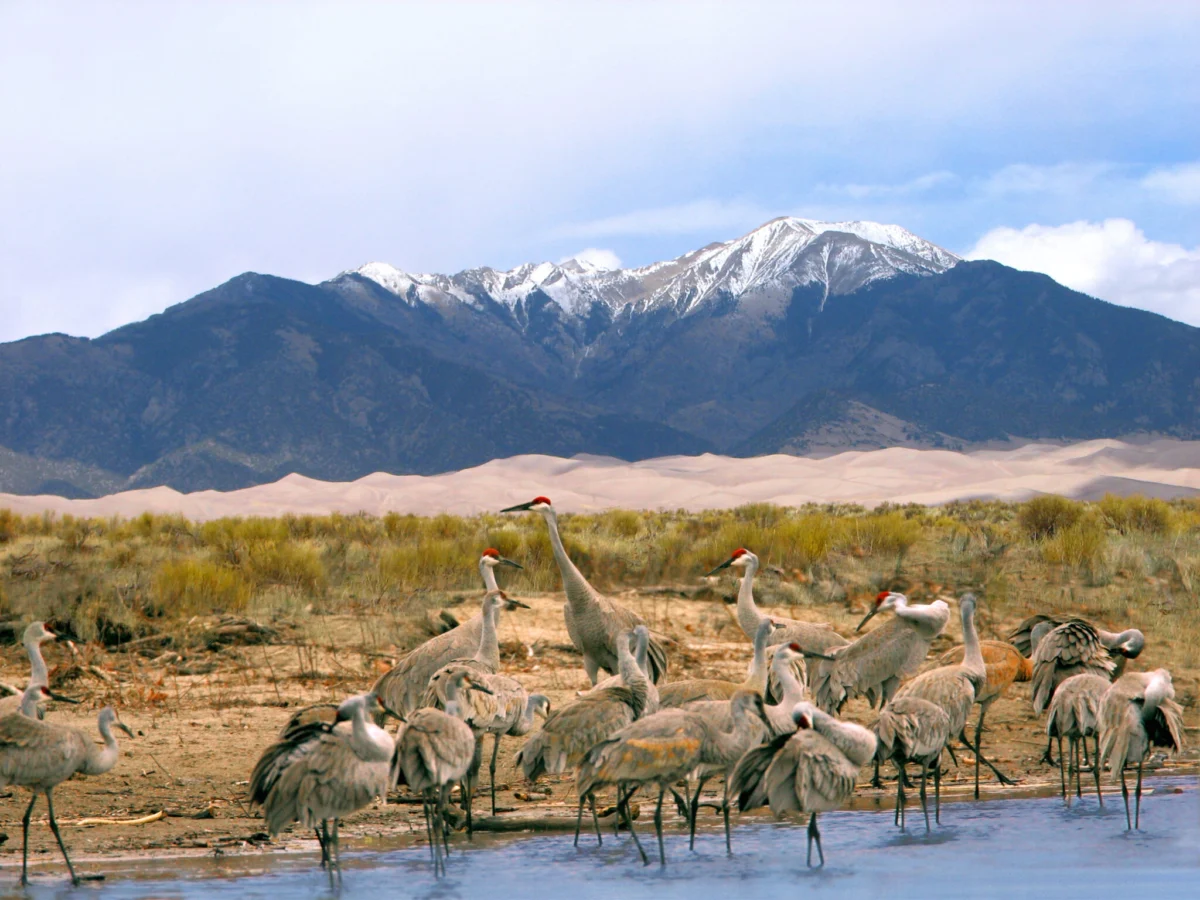
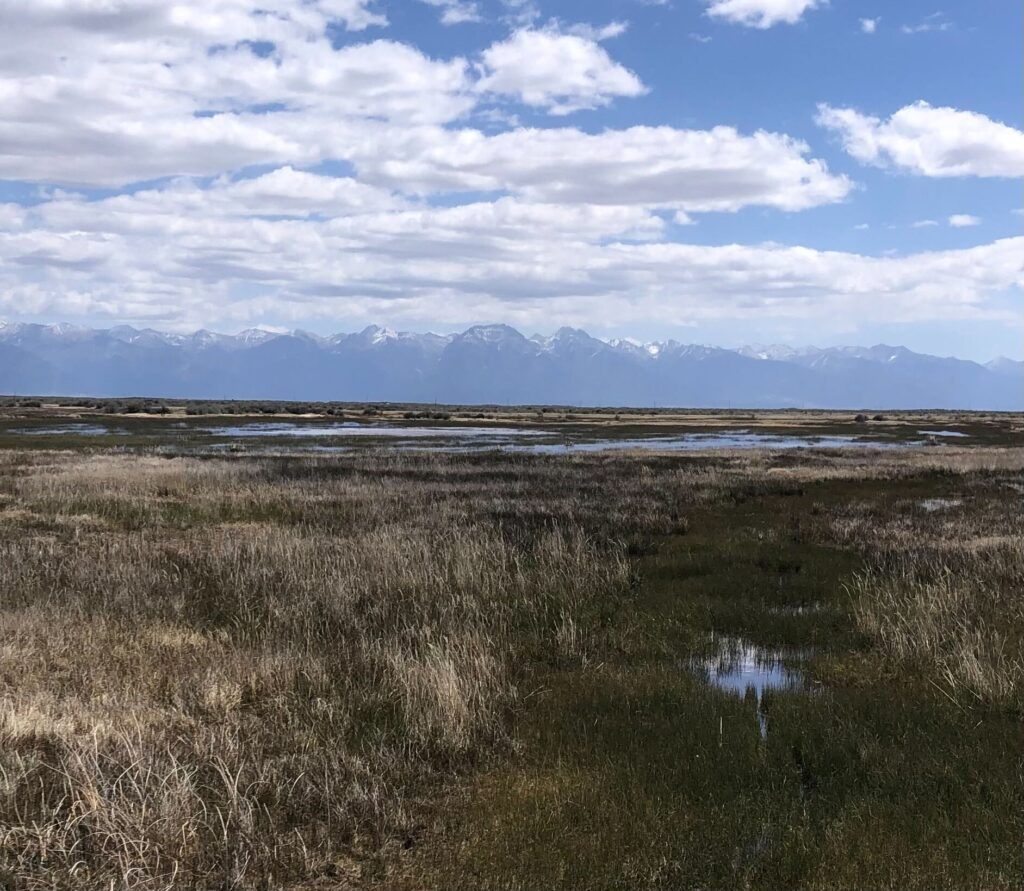
Furthermore, the "Frozen Assets" research highlights the efficiency of winter water management. By spreading water across the landscape in the winter to create a "sheet ice" layer, producers are successfully reducing evaporation rates. This process allows water to infiltrate the soil more effectively, recharging local aquifers that are otherwise starved during the dry months. Early research indicates that this method not only preserves the water table but also provides critical foraging habitat for migratory birds, demonstrating that agricultural utility and ecological health are not mutually exclusive.
Official Responses and Collaborative Governance
The response in the San Luis Valley is unique in its breadth. It represents a "big tent" approach to water management, where American Rivers, Wetland Dynamics, Ducks Unlimited, the Rio Grande Headwaters Land Trust, and Colorado Parks and Wildlife work in tandem with private farmers and local businesses.
"We are moving from a mindset of competition for a dwindling resource to one of collective stewardship," says one local water manager. The consensus among the community is that the "Frozen Assets" project is not merely an experiment but a blueprint for how to handle winter water when surface flows are insufficient. By treating water as a "frozen asset" stored on the land, the Valley is creating a buffer against the volatility of spring runoff.
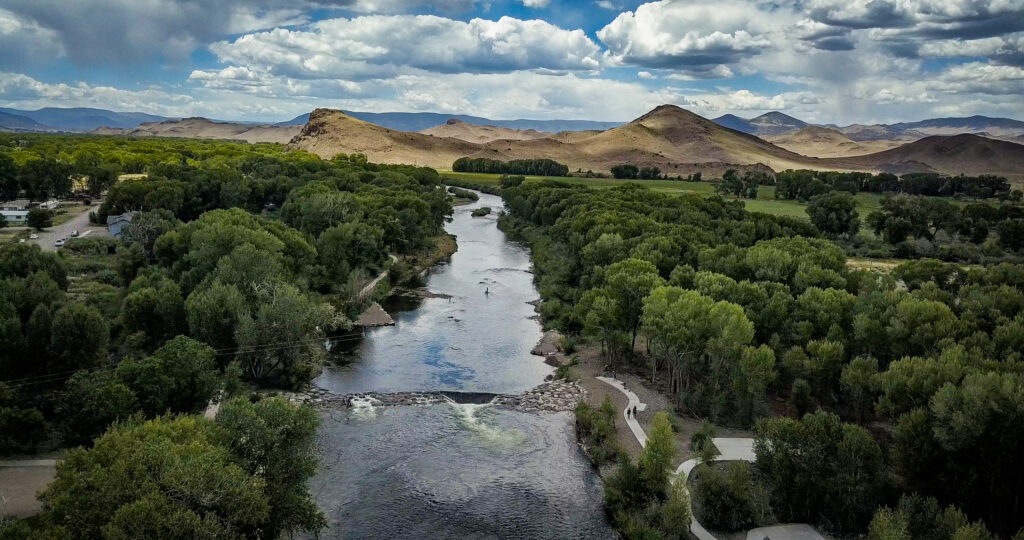
The Rio Grande Corridor Restoration Project at the Alamosa National Wildlife Refuge is another pillar of this response. By stabilizing eroding streambanks and reshaping channels, the project has created a more resilient environment for the Rio Grande chub and other native species. These infrastructure improvements are designed to withstand high-flow events while maximizing the utility of low-flow periods, ensuring that the river’s ecological functions remain intact even under the duress of a warming climate.
Implications: A New Model for the Southwest
The implications of the work being done in the San Luis Valley extend far beyond the Colorado border. As the Southwest continues to face the "aridification" of the landscape, the lessons learned here offer a template for other river basins.
1. Economic Diversification
The market-based approach of the Rye Resurgence Project proves that conservation can be profitable. By connecting farmers with local millers, brewers, and bakers, the project has turned a water-saving crop into a regional economic asset. This shifts the focus from simply "using less" to "growing differently," which is a far more sustainable long-term economic model.
2. Ecological Resilience
The restoration of the Alamosa NWR serves as a reminder that biodiversity is a form of infrastructure. A healthy riparian zone acts as a filter, a sponge, and a buffer against climate extremes. By protecting small streams and wetlands, the Valley is ensuring that the ecosystem remains robust enough to provide essential services, such as water filtration and flood attenuation, even when the climate fluctuates.
3. Policy and Innovation
The Valley’s commitment to "flexible, innovative water solutions" suggests that future policy must be as dynamic as the hydrology it manages. Traditional water rights and allocation systems, often rigid and outdated, are being challenged by the need for on-the-fly, creative management. The community’s ability to identify and implement programs that provide multiple benefits—such as simultaneous aquifer recharge and wildlife habitat creation—is the key to surviving the next century of water scarcity.
Looking Forward
The challenges facing the San Luis Valley are undoubtedly daunting. The combination of historic snow drought, rising temperatures, and the systemic pressure of human demand creates a narrow path to sustainability. However, the spirit of collaboration found in the Valley suggests that the region is not merely waiting for a return to historical norms. Instead, it is actively designing a new, more resilient reality.
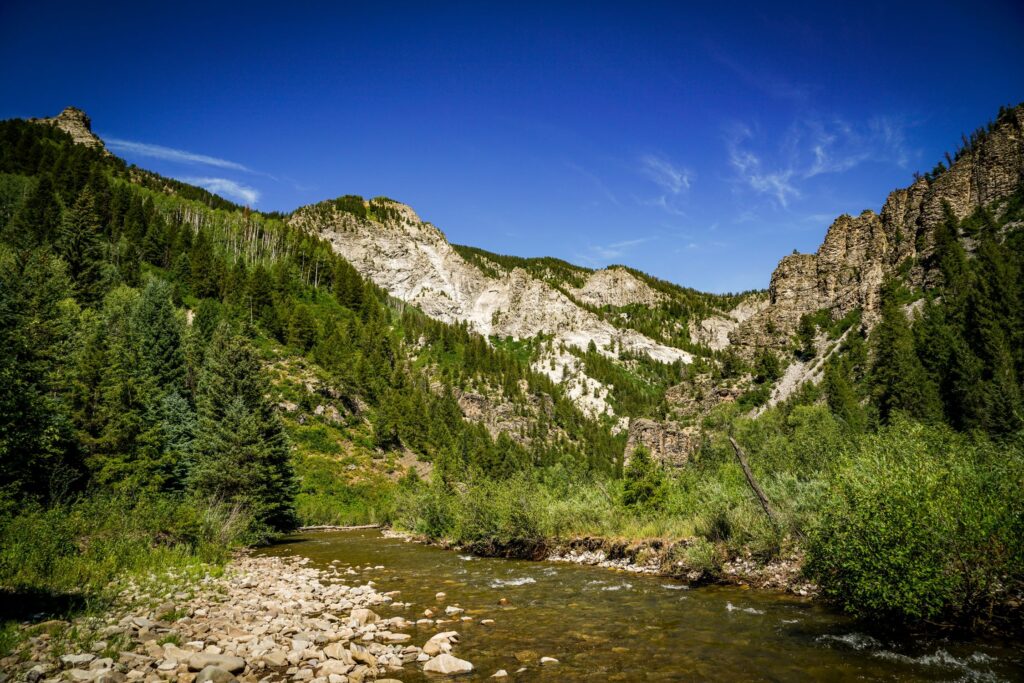
From the quiet winter fields covered in experimental sheet ice to the thriving fields of winter rye and the restored banks of the Rio Grande, the San Luis Valley is writing a new chapter in the history of the West. It is a story where water is treated not as a commodity to be drained, but as a precious, finite lifeblood to be managed with ingenuity, patience, and shared responsibility.
The success of these projects—measured in acre-feet saved, bird populations sustained, and local businesses supported—provides a glimmer of hope. In the high, dry reaches of Southern Colorado, the people of the San Luis Valley are proving that when the water runs thin, the community must grow closer, innovate harder, and steward the land with a vision that looks well beyond the next season. The fate of the Rio Grande, and perhaps the future of water management in the American Southwest, may very well be decided in these high-mountain valleys.