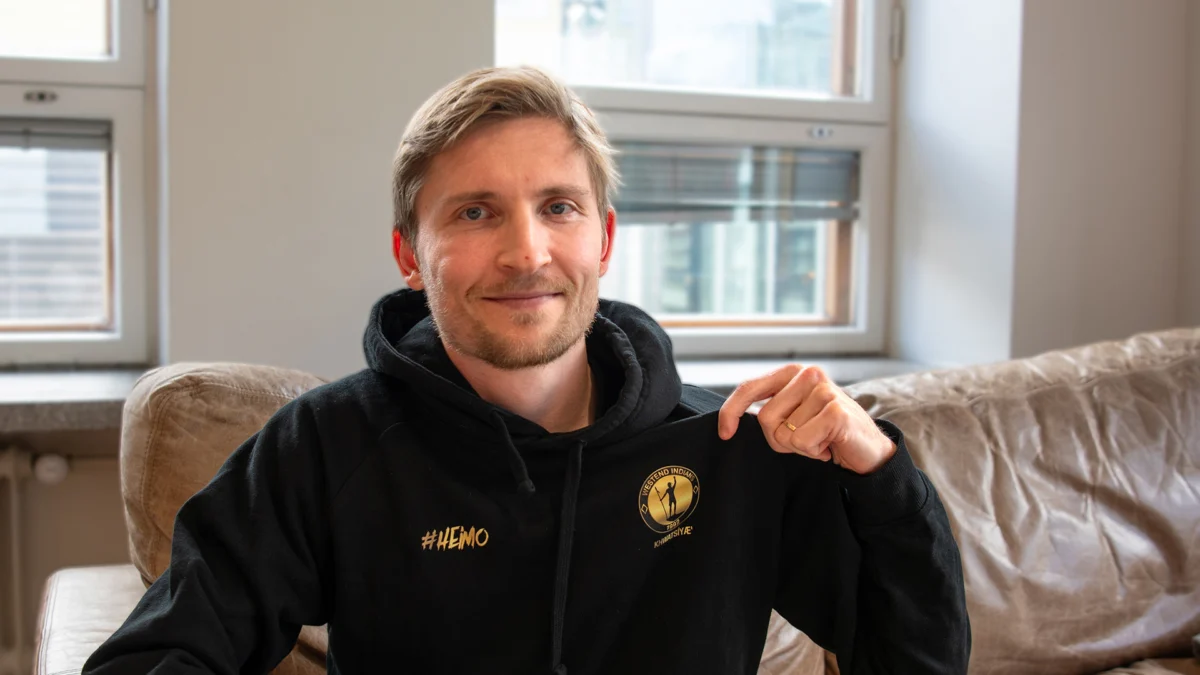
In an era defined by professional sports mobility, where player movement is dictated by market value, salary caps, and the pursuit of championships, the career of Valtteri Kainulainen stands as a rare, enduring monument to institutional loyalty. For the entirety of his adult professional life, Kainulainen was the heartbeat of the Espoo-based floorball club, Westend Indians. From the grueling days in the lower divisions to the pinnacle of the F-Liiga, Kainulainen did not just play for the "Heimo" (The Tribe); he helped define what it meant to be part of it.
The Foundations of a Club Legend
Valtteri Kainulainen’s journey began far from the spotlights of the F-Liiga, at Kirkkojärven Loiske. It was here that the seeds of his lifelong passion for floorball were sown. However, his transition to Westend Indians as a junior marked the beginning of a symbiosis that would span over a decade.
Reflecting on his earliest memories of the club, Kainulainen highlights the significance of the "Otahalli," the club’s home arena. "We had previously played in school gymnasiums, dodging wall bars and navigating cramped spaces," he recalls. "Walking into a proper, large-scale arena as part of a serious organization like Indians felt like a transformation. It wasn’t just a gym; it was home."
This sense of belonging remained constant, even as the club expanded its footprint. Over 12 years of professional competition, Kainulainen donned the iconic yellow-and-black jersey in over 300 F-Liiga regular-season matches. Through each one, he served as the team’s captain—a testament to his role not just as a player, but as the moral compass of the locker room.
A Chronology of Commitment
The trajectory of Kainulainen’s career is a study in incremental progress. He joined the organization as a developing youth player and systematically climbed the ranks, eventually leading the team to its first-ever medal in the F-Liiga.
- The Formative Years: Moving from youth setups to the senior ranks, Kainulainen quickly established himself as a leader. He was instrumental in propelling Westend Indians from the first division (Divari) into the top-tier F-Liiga.
- The Captaincy Era: Throughout his 12-year stint in the top league, Kainulainen served as captain, a record of consistency that is virtually unheard of in modern professional sports.
- The Climax (Spring 2025): The crowning achievement of his career arrived in the spring of 2025. Facing Seinäjoen Peliveljet (SPV) in a bronze medal match, the atmosphere at Otahalli was electric. Indians secured a commanding 5–1 victory, cementing the first medal in club history.
- The Retirement: Shortly after the historic medal win, Kainulainen made the difficult decision to step away from professional play. With the arrival of his first child, his priorities shifted toward family, leading to a graceful exit from the competitive circuit.
Supporting Data: The Value of "The Tribe"
The term "Heimo" (The Tribe) is more than just a marketing slogan for Westend Indians; it is a cultural framework. Data on community involvement and retention within the club suggests that this culture of inclusivity—where professional players actively engage with youth teams, signing autographs and participating in community events—has been the engine of their success.
Kainulainen’s dedication to this culture was not born of obligation but of genuine affinity. "The nickname ‘Heimo’ says a lot about us," he notes. "We are all part of the same collective. The senior players greet the kids in the hallways. It’s a deeply communal environment. I loved being a part of that structure, and I wanted to foster it."
His loyalty was never a matter of complacency. He explains that contract renewals were always handled with mutual respect, yet never taken for granted. "We made contracts for a few years at a time. It wasn’t a struggle, but I never assumed my spot was guaranteed. I had to earn it every single cycle."
Official Perspective: The Philosophy of the "Heimolainen"
When asked about his long-term tenure, Kainulainen emphasizes humility and hard work over quick fixes or "mercenary" play. He describes himself as a player who preferred the "slow build" to the "quick win."
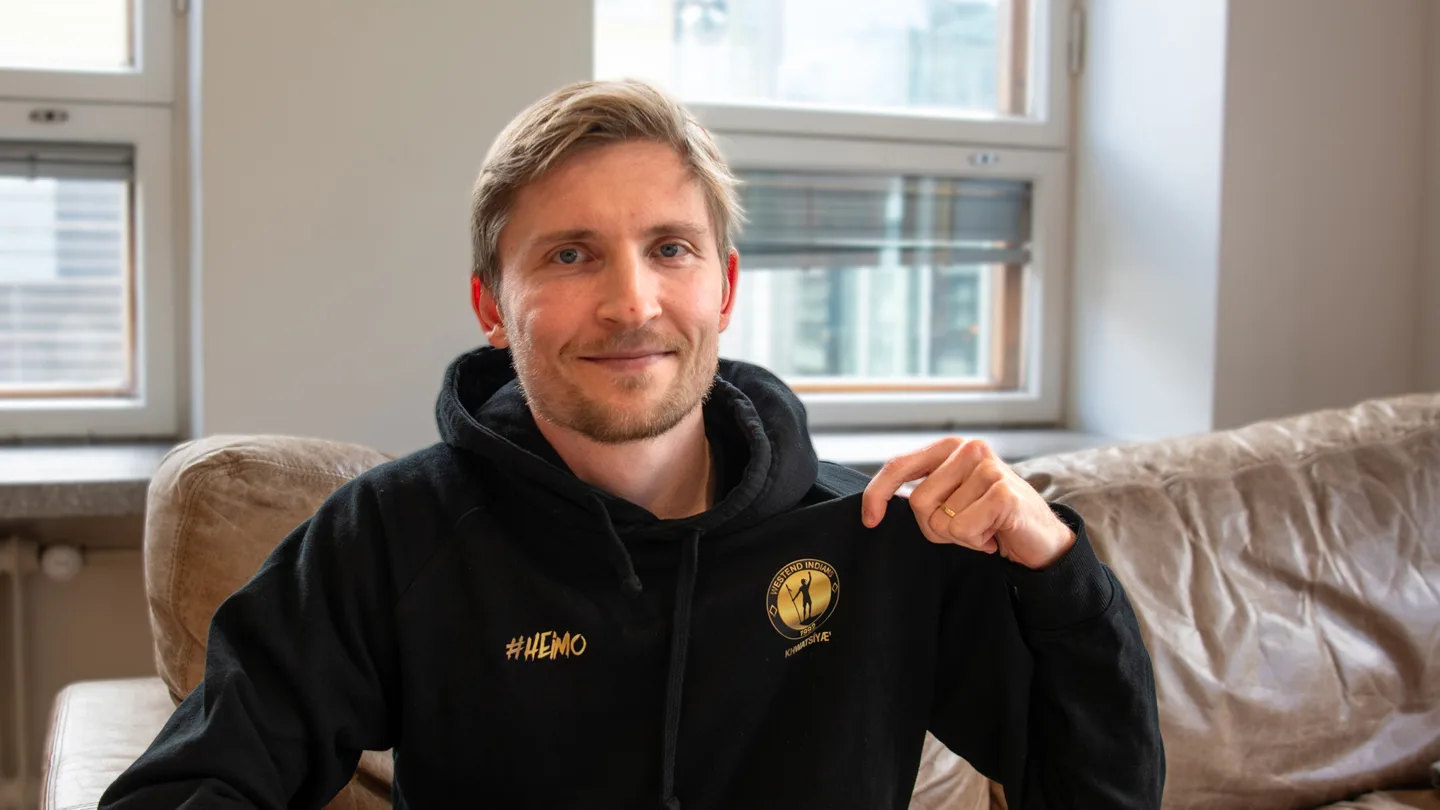
"I believed in Indians from the start. I believed we were constantly evolving," he says. "Winning a medal somewhere else wouldn’t have felt the same. I spent my career throwing my body in front of shots, defending that goal with everything I had. I’ve always viewed the game through a lens of humility rather than chasing shortcuts to success."
His reflection on the 2025 bronze medal match remains poignant: "Even now, talking about that match gives me goosebumps. We had been on the verge for so many years. To finally secure that medal in front of our home crowd—it was the perfect closure."
Implications: The Changing Landscape of Sports Identity
Kainulainen’s transition from the pitch to the stands has provided him with a new, albeit challenging, perspective. He admits that watching from the sidelines is often more difficult than playing.
"It hurts to sit in the stands," he admits with a laugh. "I want to be out there, defending the team. My spouse once joked that she expected us to be able to catch up with friends in the stands, but I’m just too tense to hold a conversation. I’m fully invested in every play."
This deep-seated identity—as a "Heimolainen" rather than just a floorball player—serves as a reminder of the role sports clubs play in the social fabric. In a society where people often prioritize professional titles, Kainulainen found his identity in his local community. He notes that during his playing years, neighbors in Espoo didn’t ask about his professional career outside of sports; they asked about the team. That level of integration into the local consciousness is rare and serves as the ultimate benchmark for a successful sports organization.
The Broader Context: Seurapaitapäivä (Club Shirt Day)
The story of Valtteri Kainulainen is being highlighted as part of the broader Seurapaitapäivä (Club Shirt Day) initiative, celebrated on September 29th. The event encourages all Finns to wear their club colors, whether they are players, volunteers, or supporters.
The statistics underlying this initiative are staggering. One-third of the Finnish population is involved in sports club activities, totaling approximately 1.8 million people. Whether through competition, volunteering, or recreational exercise, these organizations constitute the largest grassroots movement in the country.
As Finland celebrates this collective effort, the legacy of players like Kainulainen serves as a beacon. It reminds us that behind every goal, every medal, and every professional contract, there is a community of people who show up, work hard, and maintain a sense of belonging. As Kainulainen puts it, "Being a ‘Heimolainen’ is my identity. It’s a bigger part of me than just being an athlete."
For Westend Indians, the departure of their long-time captain marks the end of an era, but his influence continues to resonate in the halls of the Otahalli. He has set a standard for what it means to be a teammate, a leader, and a member of the tribe—a legacy that will undoubtedly inspire the next generation of Indians to strive for their own historic moments.