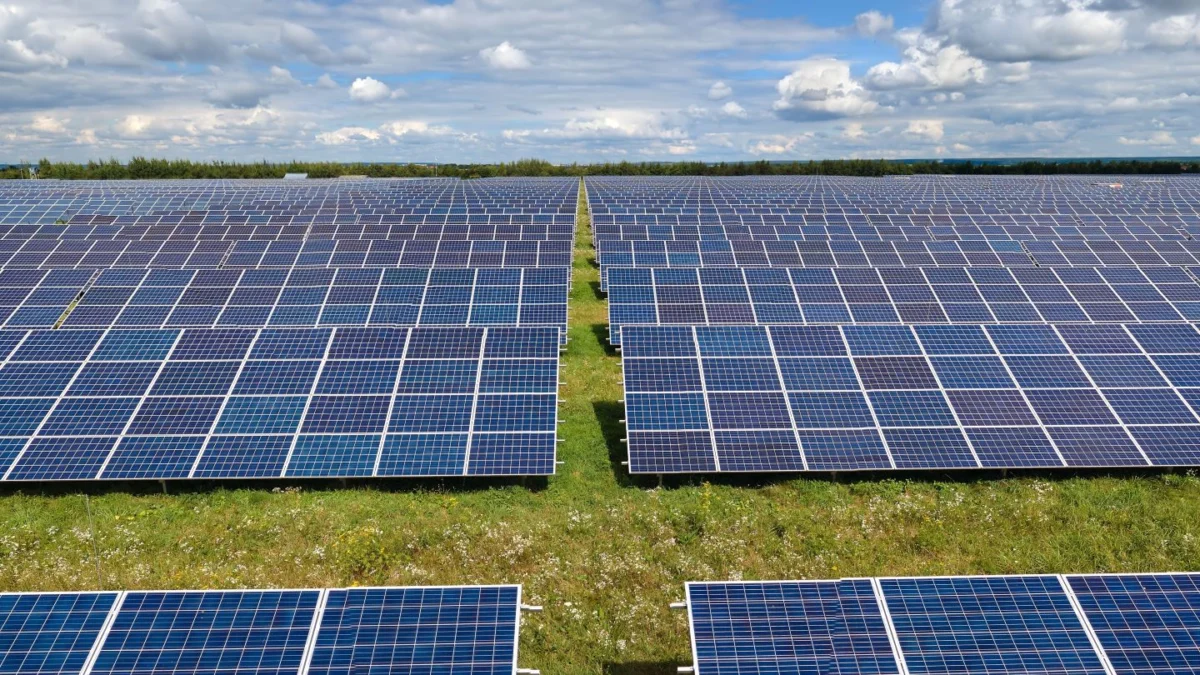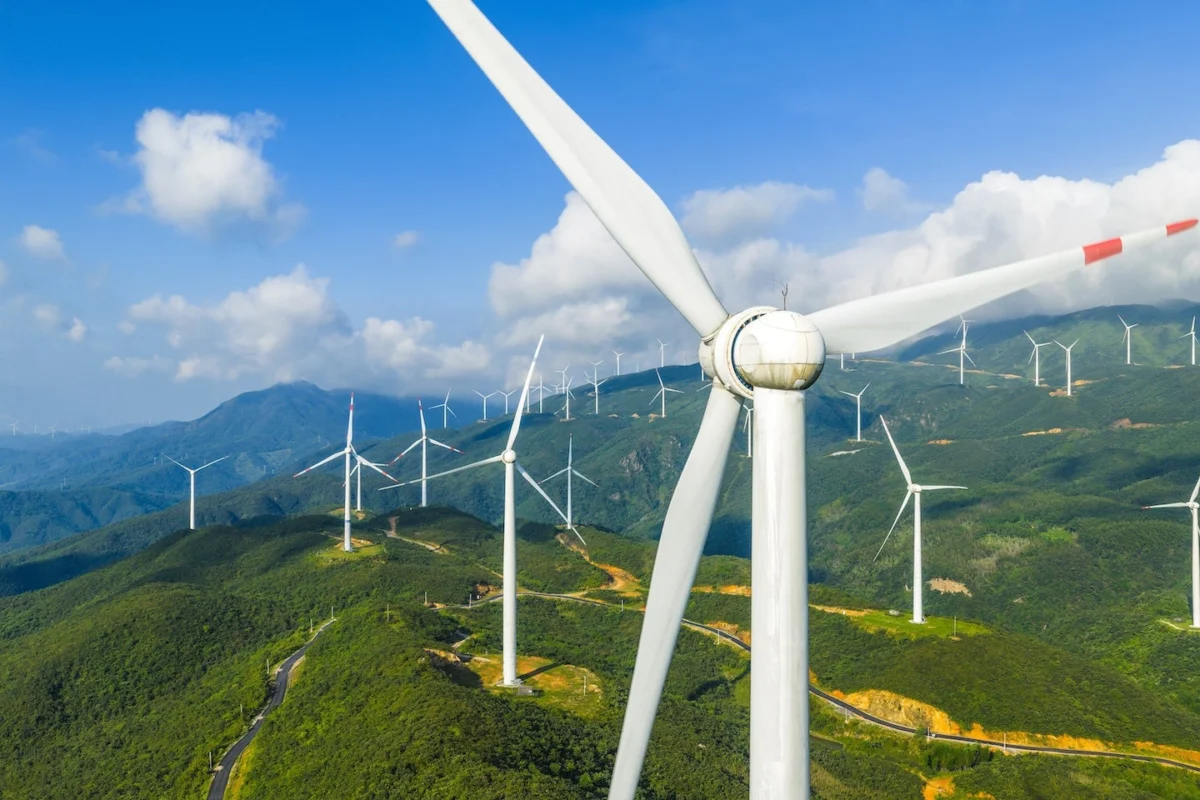
In a definitive move toward securing its long-term energy future, the Kingdom of Saudi Arabia has officially launched its first wave of utility-scale Battery Energy Storage System (BESS) projects. The Saudi Power Procurement Company (SPPC), acting as the Principal Buyer, recently finalized four major storage service agreements, marking a pivotal chapter in the Kingdom’s "Vision 2030" roadmap.
With a total investment exceeding $1.16 billion (SR4.35 billion), these projects are designed to bolster grid reliability, enhance infrastructure efficiency, and facilitate the large-scale integration of renewable energy sources. As the Kingdom pivots away from traditional fossil fuel dependence toward a diversified energy portfolio, these 2GW, four-hour storage capacity projects stand as the bedrock for a cleaner, more resilient national power grid.
Main Facts: A Billion-Dollar Strategic Deployment
The scope of the initiative is both vast and technically sophisticated. Each of the four awarded projects carries a capacity of 500MW, providing a total of 2GW of storage across the Kingdom. Crucially, these facilities are designed with a four-hour discharge capability, a technical specification that is essential for bridging the gap between peak demand periods and the intermittent nature of solar and wind generation.
The investment of $1.16 billion reflects the high capital intensity and advanced technological requirements of modern BESS infrastructure. These projects are being executed under the "Build-Own-Operate" (BOO) model, an arrangement that allows private sector developers to assume the risks and responsibilities of construction and maintenance, while the SPPC secures the energy storage services through long-term contracts.
The projects are geographically distributed to ensure maximum coverage and grid support:
- Al Muwyah BESS ISP: Located in the Makkah region.
- Haden BESS ISP: Located in the Makkah region.
- Al Kahafa BESS ISP: Located in the Hail region.
- Al Khushaybi BESS ISP: Located in the Qassim region.
Chronology of the Initiative
The journey to these agreements did not happen in a vacuum; it is the culmination of years of rigorous planning and strategic alignment under the Ministry of Energy.
- Strategic Foundation: The initiative follows years of preparatory work where the Ministry of Energy identified the critical need for storage to manage the influx of variable renewable energy (VRE) into the Saudi grid.
- Tendering Phase: Under the guidance of the Principal Buyer (SPPC), the tender process was opened to international and local consortia, emphasizing technical excellence and competitive pricing.
- Bid Evaluation: Over several months, the SPPC evaluated proposals based on technical feasibility, operational efficiency, and the ability to integrate seamlessly with the Saudi national grid.
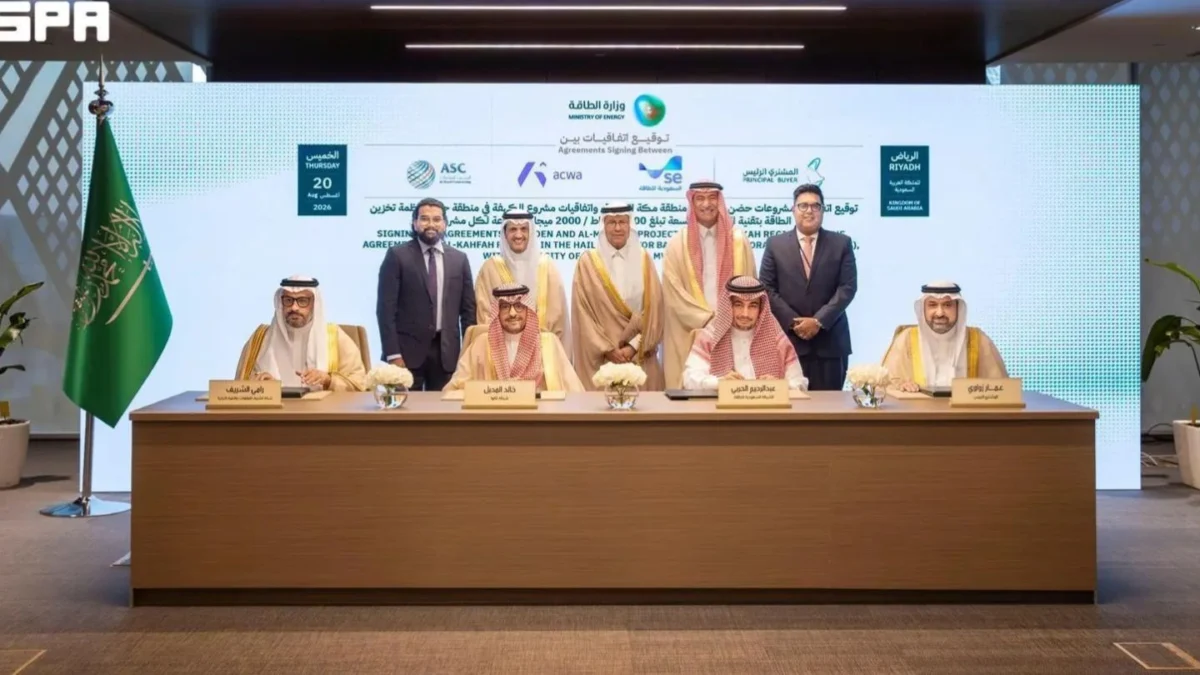
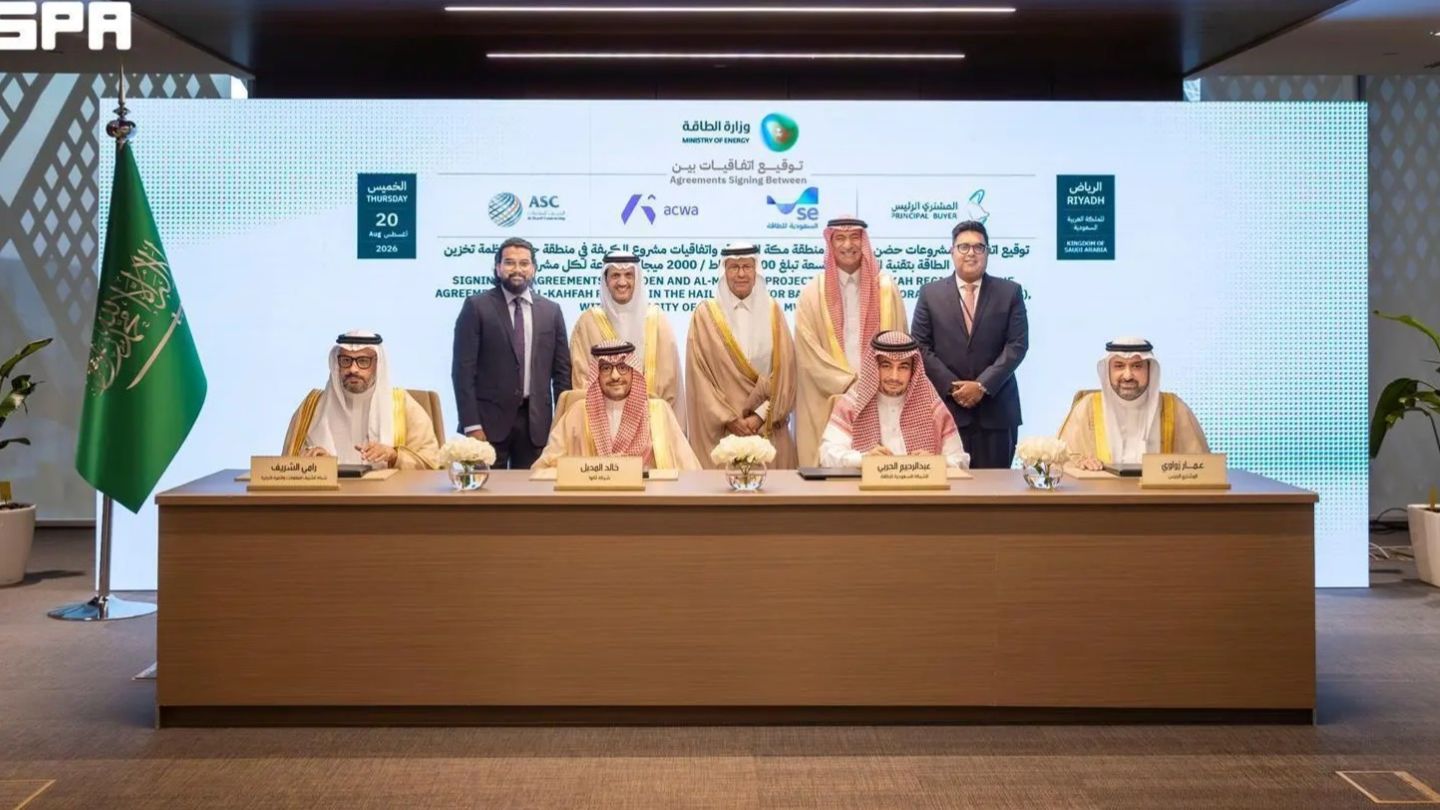
- Finalization: The process culminated in a high-profile signing ceremony held in August 2026. The presence of key government officials, including the Minister of Energy, underlined the national priority of this endeavor.
Supporting Data: Infrastructure and Consortiums
The technical execution of these projects has been entrusted to industry-leading consortiums capable of managing the complex logistical and engineering requirements of utility-scale battery systems.
The Consortium Breakdown
- The Makkah and Hail Cluster: The Al Muwyah, Haden, and Al Kahafa projects have been awarded to a powerhouse consortium consisting of Saudi Energy, ACWA Power, and the Al Sharif Contracting and Commercial Development Company. This collaboration leverages deep local expertise combined with the global renewable energy experience of ACWA Power.
- The Qassim Cluster: The Al Khushaybi project has been awarded to a strategic partnership between the global energy giant ENGIE and the established Saudi conglomerate Haji Abdullah Alireza (HAH). This pairing brings together international grid management best practices and regional operational history.
Technical Capacity
The four-hour duration requirement is the defining characteristic of this tender. Unlike shorter-duration batteries used primarily for frequency regulation, these systems are designed for "energy shifting." By storing energy during periods of high solar production (mid-day) and discharging it during the evening peak, these batteries effectively mimic the behavior of traditional baseload power plants without the associated carbon emissions.
Official Responses and Strategic Context
The signing ceremony was graced by HRH Prince Abdulaziz bin Salman bin Abdulaziz, Minister of Energy, and the Minister of Industry and Mineral Resources. Their presence served as a formal affirmation of the Ministry of Energy’s oversight role and its commitment to the success of the Kingdom’s energy transition.
The Ministry has positioned these BESS projects as the "first group" of a much larger pipeline. By supervising the initiative, the Ministry ensures that these projects do not merely function as isolated assets, but as integrated components of a modernized national grid.
In public statements, representatives from the SPPC emphasized that their role goes beyond simple procurement. As the Principal Buyer, the SPPC is tasked with conducting exhaustive pre-development studies—including site selection, geological assessments, and grid impact analysis—to ensure that the selected developers are set up for success. This de-risking strategy is a hallmark of Saudi Arabia’s current approach to infrastructure development, attracting global investors by providing a stable and well-researched regulatory environment.
Implications: A New Era for the Saudi Grid
The implications of this deployment are profound, reaching far beyond the technical specifications of the battery systems themselves.
1. Achieving the 2030 Renewable Mix
Saudi Arabia has set an ambitious goal to reach an electricity generation mix consisting of approximately 50% renewable energy by 2030. To achieve this, the grid must be able to handle the volatility of solar and wind. These 2GW of BESS capacity are the "shock absorbers" that will allow the grid to maintain stability even as traditional thermal generation is phased out or relegated to backup status.
2. Economic Diversification
The involvement of international players like ENGIE alongside national champions like ACWA Power highlights the Kingdom’s ability to foster a competitive, high-tech energy market. This initiative creates a ripple effect, encouraging the development of a local supply chain for energy storage components and fostering specialized engineering and maintenance jobs within the Kingdom.
3. Grid Reliability and Efficiency
By deploying storage near major demand centers—such as the Makkah region—the Kingdom is reducing the strain on long-distance transmission lines. This localized storage improves the overall efficiency of the power system, reduces line losses, and provides a buffer against potential grid disturbances.
4. Setting a Regional Benchmark
Saudi Arabia is now signaling to the wider Middle East and North Africa (MENA) region that battery storage is no longer an experimental technology, but a mature, bankable solution for national energy security. By executing a project of this scale, the Kingdom establishes a blueprint for how oil-producing nations can lead the global transition toward sustainable energy systems.
Future Outlook
As the project enters the construction phase, the eyes of the global energy community will remain on the Saudi market. The success of these 2GW projects will likely pave the way for subsequent, even larger tenders.
The integration of BESS technology is the final piece of the puzzle for Saudi Arabia’s energy transition. While solar panels provide the harvest and wind turbines provide the flow, the battery systems provide the reliability—the promise that the lights will remain on, even when the sun sets.
The Saudi Power Procurement Company, under the mandate of the Ministry of Energy, has effectively moved the needle. By combining aggressive investment, strategic partnerships, and a clear vision for the future, the Kingdom is not just participating in the global energy transition—it is defining the pace at which it occurs. As we look toward the 2030 horizon, these four projects will be remembered as the moment the Saudi grid truly became a modern, intelligent, and sustainable network.