As the summer of 2026 reaches its zenith, Europe is grappling with an unprecedented energy crisis that transcends traditional fuel shortages or geopolitical tensions. Instead, the continent’s nuclear power sector—a cornerstone of European base-load electricity—is facing a physical breakdown caused by the climate itself. Severe, prolonged heatwaves and historic droughts have turned vital waterways into liabilities, forcing operators to curtail or completely shutter nuclear power plants (NPPs) to prevent environmental catastrophe and technical failure.
As of late July 2026, the situation has escalated into a trans-continental emergency. Across Europe, approximately 15 nuclear reactors are either offline or operating under strict power output limitations. The crisis is testing the resilience of Europe’s interconnected grid, forcing governments to scramble for emergency alternatives while questioning the long-term viability of water-dependent power infrastructure in an warming world.
The Anatomy of the Crisis: Why Water Matters
Nuclear power plants require massive volumes of water for cooling their reactors and condensing steam. Most European plants are built along major river arteries—the Rhône, Garonne, Danube, and Aare—to utilize these flows as a "heat sink."
However, this design relies on two critical conditions: the water must be cool enough to absorb the waste heat without violating environmental regulations, and the water level must be high enough to allow intake pumps to function. When river temperatures soar, regulations prohibit plants from discharging "thermal pollution" back into the ecosystem, as this would decimate local aquatic life. Simultaneously, when river levels drop due to drought, the water intake infrastructure risks sucking in air or sediment, which can cause catastrophic damage to the plant’s cooling systems.
Chronology of a Continental Slowdown
The disruptions began in earnest in mid-June and intensified throughout July 2026.
- Late June: Switzerland’s Beznau NPP became one of the first major casualties as the Aare River surged past the 25°C thermal threshold. Operators were forced to disconnect both reactors on June 26 to avoid illegal thermal discharge.
- Mid-July: As the heatwave intensified, French utility EDF began implementing rolling curtailments. Plants such as Saint Alban and Blayais started shifting power loads to comply with cooling water temperature limits.
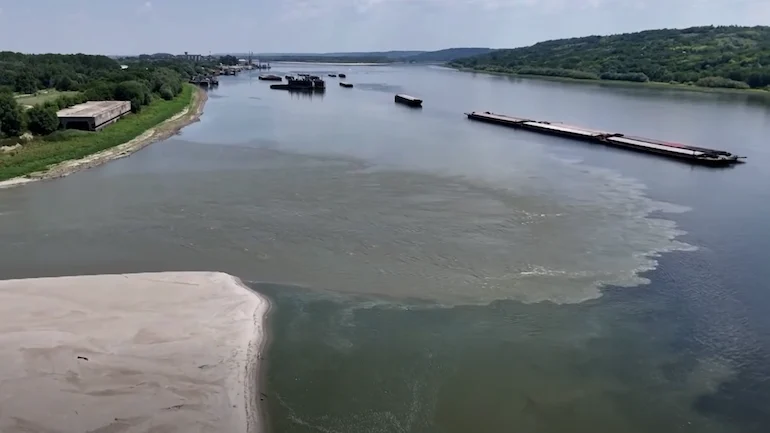
- Late July: The situation reached a breaking point. On July 30, unit two at the Golfech NPP was fully disconnected. Simultaneously, the Danube basin—spanning Hungary, Romania, and Bulgaria—entered a state of near-total emergency as water levels reached historic lows.
- July 31: Bulgaria signaled a potential "grid blackout" scenario, with the Kozloduy NPP teetering on the edge of a full-system shutdown, triggering desperate diplomatic negotiations with Serbia.
Supporting Data: Regional Impact Analysis
France: The EDF Balancing Act
France, historically Europe’s nuclear powerhouse, is at the epicenter of these constraints. Because EDF is legally bound by environmental standards regarding the temperature of discharged water, the company has little choice but to throttle production when rivers warm.
- Bugey NPP: Units 3, 4, and 5 are currently under forced output curbs.
- Nogent-sur-Seine: Both reactors have been ramped down to prevent the Seine from reaching boiling temperatures downstream.
- Golfech & Blayais: These plants have been the most volatile, with units undergoing frequent, short-notice fluctuations as regional weather patterns shift the Garonne and Gironde water temperatures.
The Danube Basin: A Looming Collapse
The Danube has become the most vulnerable point in Europe’s energy infrastructure.
- Hungary (Paks NPP): The Paks plant is in a dire state. With unit three offline and unit one severely throttled, the facility is currently in a 72-hour countdown toward total shutdown. If water levels do not recover, the 2GW-capacity plant—which provides a significant portion of Hungary’s electricity—will be forced to disconnect entirely.
- Romania (Cernavoda NPP): Unit one has already been disconnected from the national grid, while unit two operates on a precarious, hour-by-hour basis, contingent on real-time intake pump efficiency.
Switzerland: The Aare River Challenge
The Beznau NPP serves as a case study for the persistence of this crisis. After being forced offline in late June, the plant attempted to return to service in July but has been capped at 50% capacity. This "throttled state" allows for the continuation of power supply while minimizing the thermal footprint, but it leaves the Swiss grid significantly short of its baseline energy needs.
Official Responses and Diplomatic Coordination
The gravity of the situation has forced governments to move beyond individual plant management into regional diplomacy.
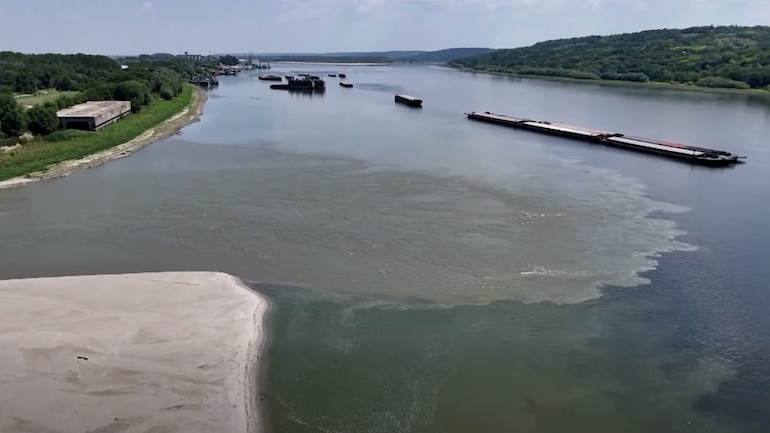
In a rare move of cross-border cooperation, Bulgarian Energy Minister Iva Petrova opened a direct communication line with the Serbian Ministry of Mining and Energy. The goal: to coordinate the release of water from the Djerdap 1 (Iron Gates) hydropower complex on the Danube. By strategically releasing water upstream, Serbia is essentially "buying time" for the Kozloduy NPP in Bulgaria, attempting to maintain river levels just above the threshold required for intake pump operation.
Bulgaria has formally classified the situation as force majeure. The Kozloduy plant has transitioned to emergency mode, deploying riverbed dredging equipment to deepen intake channels and preparing secondary, low-level pumps in a last-ditch effort to maintain coolant flow.
Secondary Threats: Wildfires and Grid Security
While water levels dominate the narrative, the threat of fire remains a latent danger. The UK’s Sizewell B nuclear power station, while not currently suffering from water shortages, has been placed on "high alert." A 100-acre wildfire, burning just four miles from the site, serves as a sobering reminder that nuclear infrastructure is susceptible to multiple climate-related stressors simultaneously. Even if the plant itself is fire-hardened, the associated power lines and grid infrastructure are vulnerable to smoke, heat-induced tripping, and logistical access issues.
Implications: The Future of European Energy
The events of July 2026 pose uncomfortable questions for European energy policymakers.
Grid Instability and Mitigation
To bridge the massive energy gap left by the 15 offline or curtailed reactors, grid operators have been forced to deploy a "reactive mix." This includes:
- Fossil Fuel Reliance: Increasing output from gas and coal-fired plants to make up for the lost base-load, which paradoxically increases carbon emissions—a move that complicates Europe’s climate goals.
- Emergency Imports: Redirecting power flows across borders, placing strain on interconnector cables that were not designed for such heavy, sustained loads.
- Demand-Side Management: Implementing mandatory industrial curtailments and public appeals for energy conservation to prevent grid frequency drops.
The "New Normal" for Nuclear Design
The crisis suggests that the "business as usual" approach to nuclear power is increasingly incompatible with the reality of climate change. Existing plants were largely designed based on 20th-century climate data, which did not account for the duration or intensity of the 2026 heatwaves.
Future energy planning must now consider:
- Cooling System Upgrades: Retrofitting existing plants with closed-loop cooling towers that reduce reliance on river water, though these are costly and technically complex.
- Diversified Energy Portfolios: A greater emphasis on wind, solar, and battery storage that is not dependent on water intake.
- Climate-Resilient Siting: Moving future nuclear investment away from river-dependent locations toward coastal sites utilizing seawater cooling (though this introduces challenges regarding salinity and marine ecosystem protection).
Conclusion
As Europe looks toward the remainder of the summer, the status of the continental grid remains fragile. The "Nuclear Heatwave" of 2026 has exposed a fundamental vulnerability in the European energy system: the dependence on a stable, predictable climate to sustain the most intensive forms of power generation. With water levels continuing to drop by as much as 2cm per day in critical zones, the next few weeks will determine whether the continent can avoid the specter of rolling blackouts or if the nuclear sector will face a forced, systemic contraction.
The crisis is no longer a localized issue of plant efficiency; it is a profound lesson in the interplay between industrial ambition and the physical limits of our changing environment.