In a landmark development for the global renewable energy transition, Quaise Energy—a pioneer in deep-earth geothermal technology—has successfully closed a $180 million Series B equity financing round. This substantial infusion of capital is earmarked for the advancement of "Project Obsidian," a transformative initiative in central Oregon that seeks to establish the world’s first superhot geothermal power plant.
The successful funding round brings Quaise Energy’s total cumulative capital raised to an impressive $280 million, underscoring a growing institutional appetite for high-risk, high-reward clean energy technologies that promise to bypass the limitations of wind and solar. Among the most significant participants in this round is Nabors Industries, a global leader in land drilling, which contributed $35 million, further cementing a strategic partnership that promises to reshape the geothermal sector.
The Vision of Project Obsidian: Harnessing the Earth’s Engine
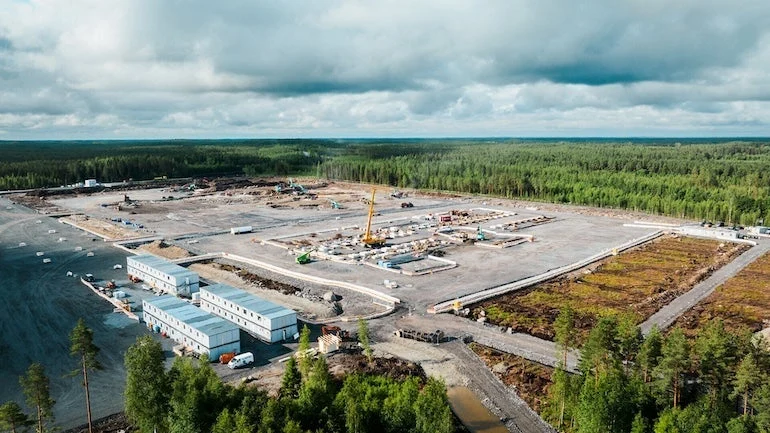
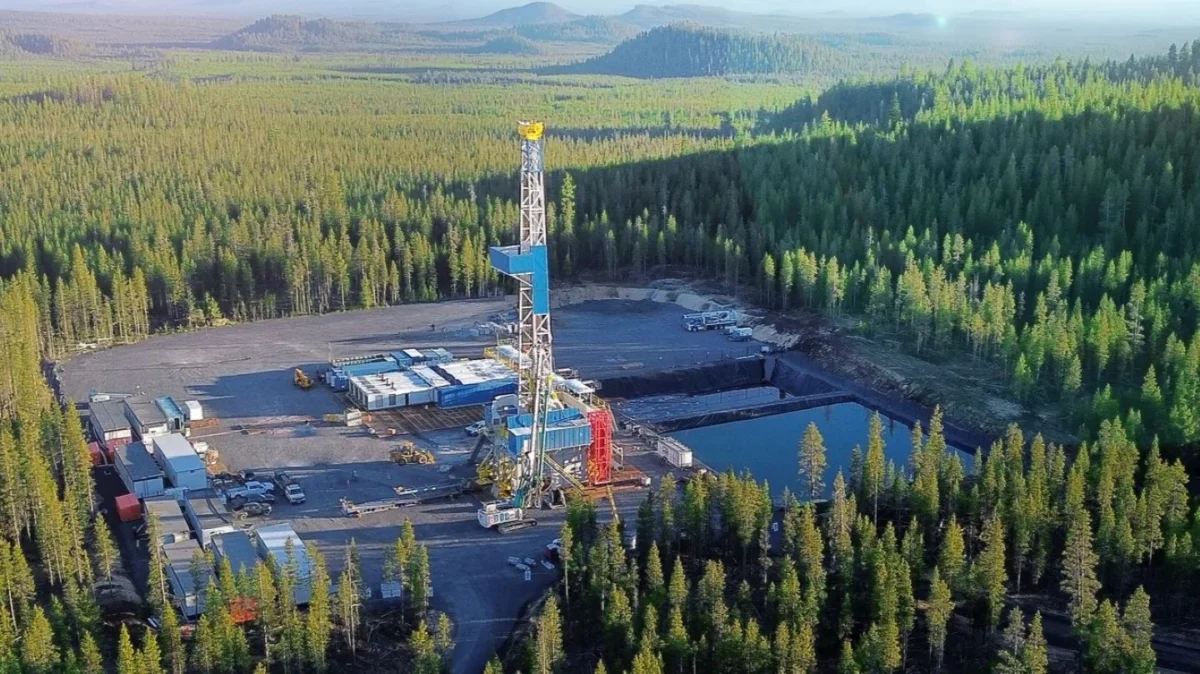
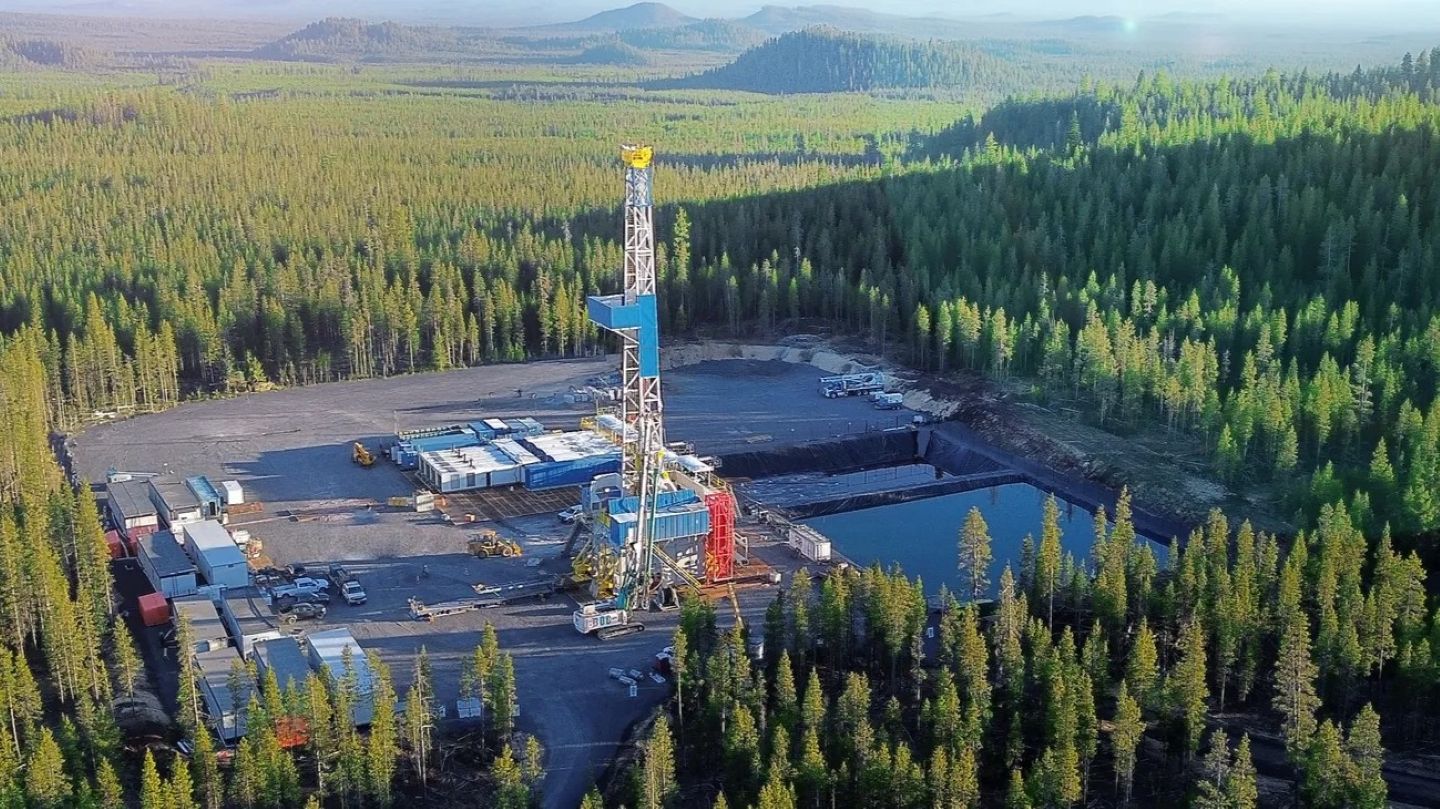
Project Obsidian is not merely another power plant; it is a fundamental re-imagining of how humanity accesses energy. Located on federally leased land within the Deschutes National Forest, the project is designed to tap into "superhot" rock—geothermal reservoirs reaching temperatures and depths that have, until now, remained technically and economically inaccessible.
The project is structured as a multi-phase roll-out, demonstrating a clear roadmap toward utility-scale operations:
- Phase I: The initial deployment targets a capacity of 50MW, serving as a proof-of-concept for the firm’s proprietary millimeter-wave drilling technology.
- Phase II: Following the validation of Phase I, the company plans to scale the facility to 250MW.
- Phase III: The ultimate ambition is to exceed 1GW of power generation, a milestone that would solidify geothermal as a baseload power competitor to coal and natural gas.
By leveraging the heat naturally generated by the Earth’s core, Quaise intends to provide a constant, carbon-free energy supply that functions independently of weather conditions or time of day.
Chronology of Progress: From Lab Concept to Oregon Reality
The path to the current $180 million capital injection has been one of consistent, calculated milestones for the Massachusetts-based company.
- The Foundational Years: Quaise Energy emerged from the Massachusetts Institute of Technology (MIT) with a mission to solve the "depth problem." Traditional drill bits rely on mechanical rotation, which fails at the extreme temperatures and pressures found deeper than 5km.
- Technological Pivots: The company pivoted toward using millimeter-wave energy—effectively a high-powered beam capable of vaporizing rock—to penetrate the deepest layers of the crust.
- Strategic Partnerships (2024-2025): The collaboration with Nabors Industries began as a technical exchange, with both companies identifying that the oil and gas industry’s drilling infrastructure could be repurposed for clean energy extraction.
- July 2026: The first close of the Series B round was announced, led by Prelude Ventures, with significant interest from Japanese energy giants JERA and Idemitsu Kosan, signaling the international importance of the project.
- August 2026: With the finalization of the Series B, including the $35 million investment from Nabors, Project Obsidian shifted from the planning and permitting phases into active, on-site development in the Deschutes National Forest.
Supporting Data: Why Millimeter-Wave Drilling Matters
The primary barrier to geothermal energy has historically been the "location-dependent" nature of the resource. Conventional geothermal plants require specific geological conditions—such as hydrothermal vents or volcanic hotspots—near the surface.
Quaise’s millimeter-wave drilling system changes the physics of the industry. By using high-frequency electromagnetic radiation, the system drills by melting and vaporizing rock rather than grinding it. This eliminates the wear-and-tear on drill bits that occurs when attempting to drill through crystalline basement rock at extreme depths.
The Economic Equation
The financial architecture behind this project is supported by heavy-hitting financial institutions, including BofA Securities and Goldman Sachs & Co., who acted as financial advisers for the raise. The investment logic is clear: if Quaise can reach 5km or deeper, the entire planet becomes a potential site for a geothermal power plant. This transforms geothermal from a niche, regional power source into a globally ubiquitous asset.
Official Responses and Strategic Synergies
The partnership between Quaise Energy and Nabors Industries is the cornerstone of this success. Beyond the equity investment, the two companies have formalized a strategic framework agreement that covers operational collaboration, technology integration, and long-term commercial initiatives.
Carlos Araque, CEO and President of Quaise Energy, emphasized the significance of the backing, stating: "We are unlocking the most powerful clean energy source on Earth, and the Series B signals deep conviction across a wide range of investors. Nabors is an invaluable partner as we move millimeter-wave drilling to full commercial operations at Project Obsidian and beyond."
Anthony Petrello, President and CEO of Nabors Industries, echoed this sentiment, highlighting the shift in the energy paradigm: "Superhot geothermal has the potential to make clean energy ubiquitous. That is why we are excited about our close relationship with Quaise. Quaise’s millimeter-wave technology changes the equation entirely by reaching superhot rock at temperatures and depths that are inaccessible with conventional drilling."
Under the framework agreement, Quaise gains access to a dedicated land rig and Nabors’ proprietary technology platform. This platform includes advanced reservoir modeling and well-design strategies, which are essential for navigating the complex geology of the Oregon site. By sharing data and operational insights, both firms aim to reduce the "learning curve" associated with drilling into uncharted, superhot territory.
The Implications: A New Era for Baseload Power
The implications of a successful Project Obsidian extend far beyond the borders of central Oregon. The energy sector is currently struggling to balance the intermittency of wind and solar with the need for a stable, reliable grid. While battery storage is improving, it cannot yet match the multi-day or seasonal reliability of thermal power.
1. Decarbonizing Heavy Industry
If Project Obsidian succeeds, the ability to generate gigawatt-scale geothermal energy could allow heavy industries—such as steel manufacturing, chemical processing, and data center clusters—to operate entirely on emission-free, 24/7 power.
2. Repurposing Fossil Fuel Expertise
Perhaps the most intriguing social and economic implication is the role of the oil and gas industry in the energy transition. By utilizing the skills, drilling rigs, and workforce of traditional companies like Nabors, the geothermal sector can accelerate its development by decades. This "just transition" ensures that the technical prowess of the fossil fuel era is not discarded but redirected toward a sustainable future.
3. Global Scalability
Geothermal energy is often criticized for being limited to specific geographies (e.g., Iceland or the Philippines). However, because the Earth’s crust is hot everywhere if one digs deep enough, Quaise’s technology effectively removes the geographic constraint. In theory, this could allow countries with no natural geothermal resources to build plants on their own soil, enhancing energy security and reducing dependence on imported fuels.
Conclusion: The Long Road Ahead
While the $180 million funding round is a monumental achievement, the challenges ahead remain substantial. Drilling into the Earth’s crust at depths exceeding 5km involves overcoming extreme pressure, corrosive fluids, and the inherent unpredictability of subterranean environments.
However, with the backing of international energy leaders, the strategic support of a drilling titan like Nabors, and a clear, phased execution plan, Quaise Energy has moved firmly into the spotlight. Project Obsidian represents the front line of a new industrial revolution—one where the solution to our energy crisis is not found in the wind above, but in the heat beneath our feet. As construction continues in the Deschutes National Forest, the eyes of the global energy community will remain fixed on Oregon, waiting to see if this daring technological leap can indeed turn the heat of the Earth into the power of the future.