In a significant move that underscores the evolving landscape of global renewable energy, Japanese conglomerate Sumitomo Corporation has officially announced the acquisition of a 33.3% equity stake in the Gwynt Glas Offshore Wind Farm. The project, situated in the windswept waters of the Celtic Sea off the coast of the United Kingdom, represents a critical milestone in the UK’s transition to a low-carbon economy. By joining forces with joint developers EDF Renewables (UK and Ireland) and the Electricity Supply Board (ESB), Sumitomo is marking its inaugural entry into the floating offshore wind sector—a technology widely considered the next frontier in marine energy production.
Main Facts: A New Chapter for Celtic Sea Energy
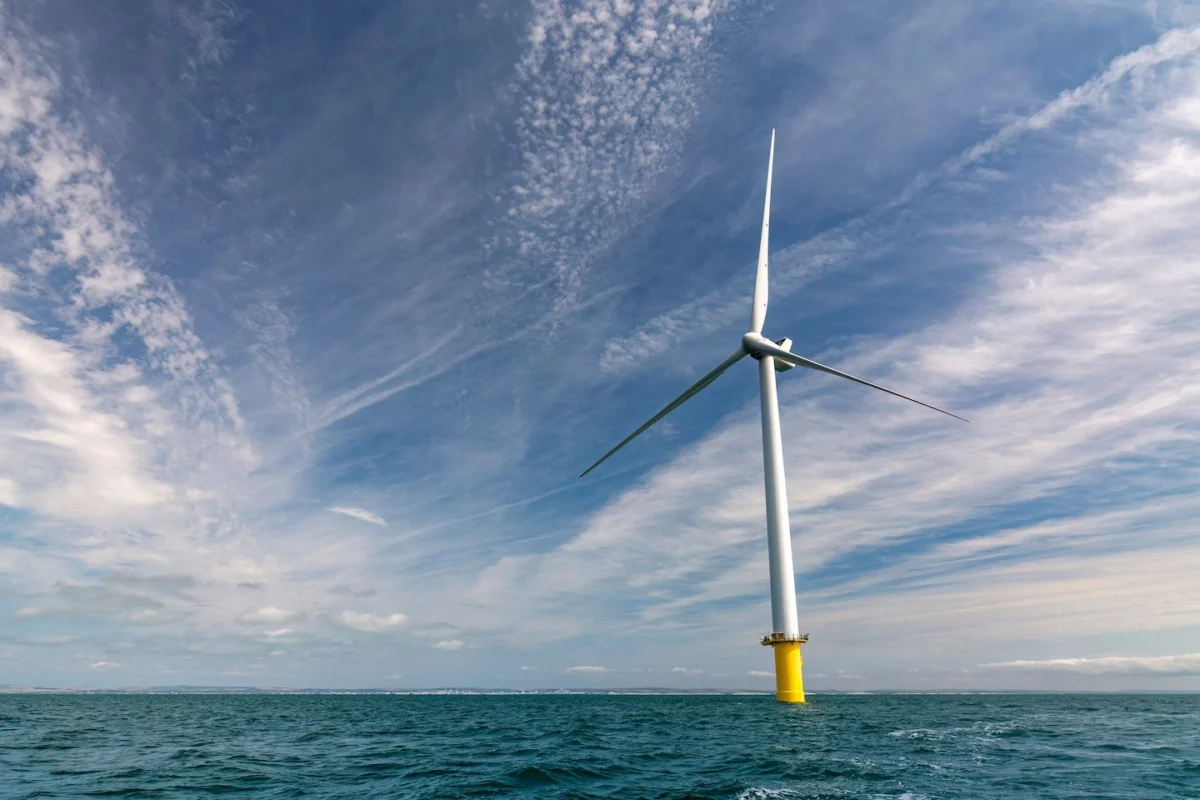
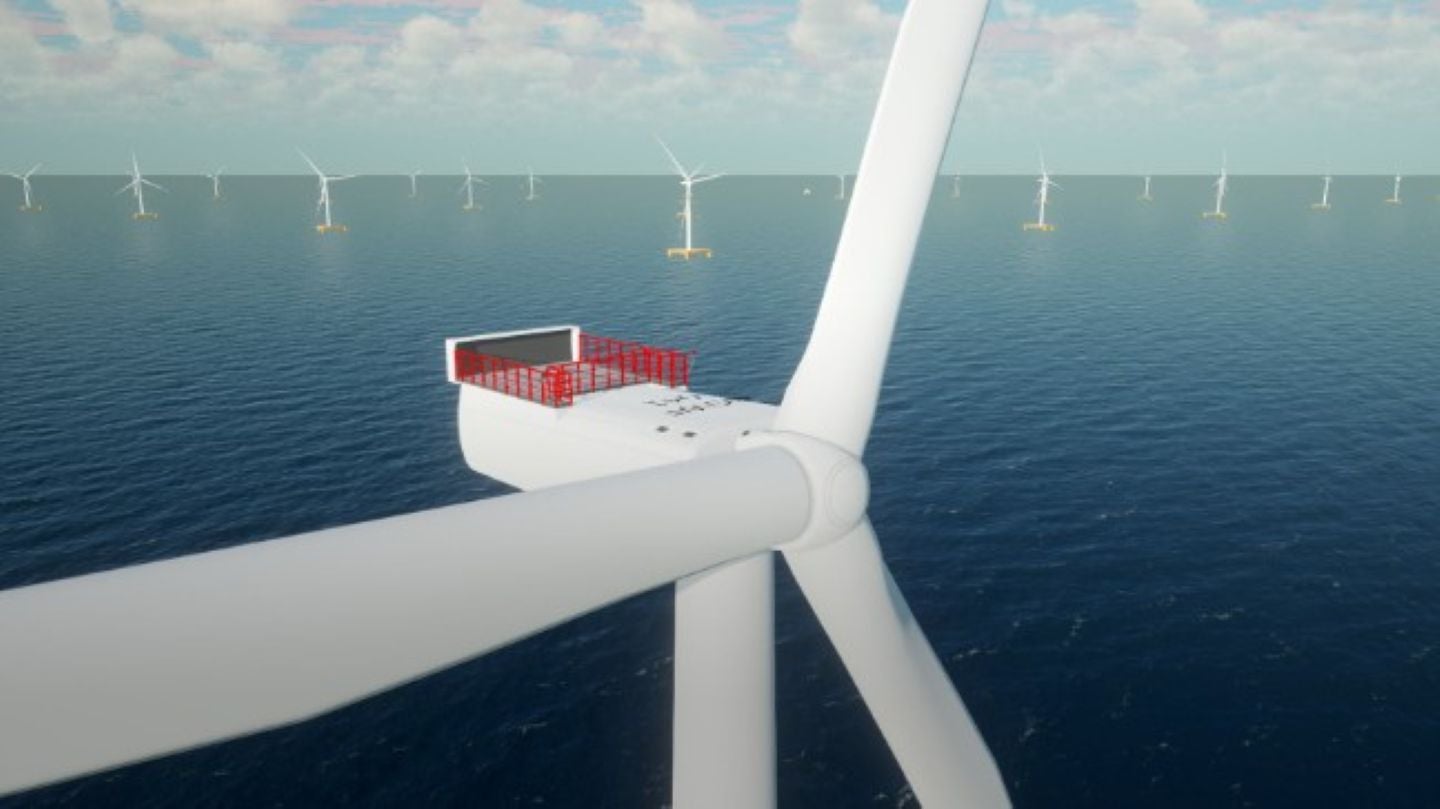
The Gwynt Glas project is a large-scale initiative designed to harness the immense wind potential located approximately 40 kilometers off the UK coast. With a planned generation capacity of up to 1.5GW, the wind farm is positioned to be a cornerstone of the UK’s energy infrastructure once operational.
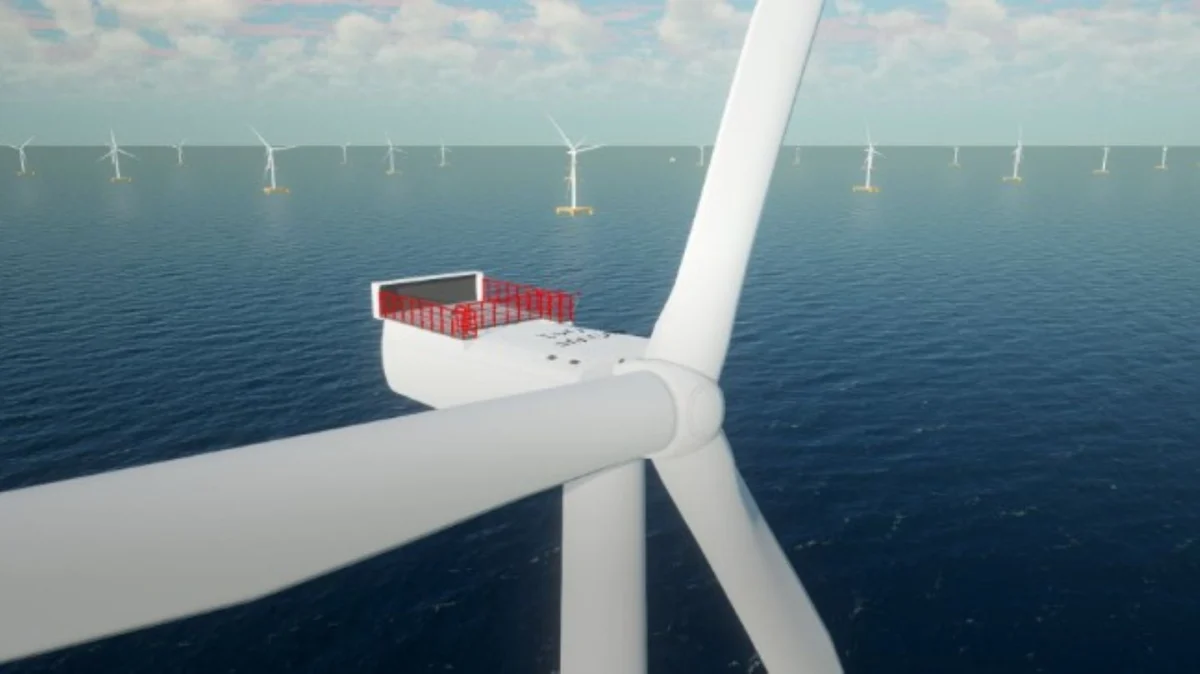
Unlike conventional offshore wind farms that rely on fixed-bottom foundations—which are generally limited to shallower coastal shelves—Gwynt Glas will utilize floating platform technology. This allows the turbines to be anchored in deeper waters, where wind speeds are higher and more consistent. The collaboration between EDF, ESB, and now Sumitomo brings together a potent mix of local expertise and international financial and operational capacity. This equity acquisition is not merely a financial transaction; it is a strategic alignment of interests aimed at accelerating the development, construction, and eventual operation of one of the UK’s most ambitious renewable energy ventures.
Chronology: Building the Partnership
Sumitomo’s involvement in the Gwynt Glas project did not occur in a vacuum. It is the culmination of a deliberate, multi-year strategy aimed at pivoting the corporation’s energy portfolio toward more sustainable, future-proof assets.
- 2014: Sumitomo initiates its foray into the European offshore wind market, gaining foundational experience through various fixed-bottom projects.
- May 2024: The company publishes its "Medium-Term Management Plan 2026," which explicitly identifies the acceleration of overseas energy portfolio transformation as a top priority.
- 2025: Sumitomo signs a landmark Memorandum of Understanding (MoU) with the UK’s Office for Investment (part of the Department for Business, Innovation, Science and Trade). This agreement was designed to foster high-value inward investment, setting the stage for the company to explore large-scale infrastructure projects.
- July 2026: Sumitomo divests its equity stakes in three Belgian offshore wind farms, a move characterized as a strategic reallocation of capital to favor more innovative, high-growth technologies like floating wind.
- August 2026: The official announcement of the 33.3% stake acquisition in Gwynt Glas confirms Sumitomo’s transition from a participant in established offshore wind to a pioneer in the floating segment.
Supporting Data: Why Floating Wind Matters
The shift toward floating offshore wind is driven by both geography and technological necessity. As the most accessible shallow-water sites in the North Sea reach saturation, the focus has shifted to the deeper waters of the Celtic Sea and beyond.
The Floating Advantage
- Access to High-Velocity Winds: Floating turbines can be deployed in depths exceeding 60 meters, where the wind profile is significantly more stable and stronger than near-shore areas.
- Scalability: Floating structures are often modular and can be assembled in port, reducing the need for specialized heavy-lift vessels required for fixed-bottom installations.
- Environmental Considerations: By placing turbines further from the coast, developers can mitigate concerns regarding visual impact and potential interference with coastal shipping lanes and commercial fishing grounds.
For the UK, the math is simple: to meet the ambitious Net Zero 2050 target, the country must rapidly expand its renewable capacity. The UK government has explicitly identified floating offshore wind as a "key resource" in this mission, with the Celtic Sea serving as a primary testing ground for large-scale deployment.
Official Responses and Strategic Vision
The leadership at Sumitomo views this investment as a perfect marriage of the company’s legacy expertise and its forward-looking sustainability goals.
Jun Minase, General Manager of Sumitomo’s Overseas Energy Solutions SBU, expressed optimism regarding the partnership: "We are delighted to join the Gwynt Glas project. As a large-scale floating offshore wind development being advanced by EDF and ESB, the project represents an important opportunity to contribute to the energy transition. Leveraging our experience and expertise in both the UK market and the offshore wind sector, Sumitomo Corporation will work closely with its partners to support the successful development of the project and enhance its long-term value."
The inclusion of EDF and ESB as development partners provides a robust foundation of regional knowledge. EDF, a global leader in power solutions, and ESB, with its deep roots in Irish and UK utility management, provide the regulatory and technical scaffolding necessary to navigate the complexities of offshore development. For Sumitomo, this partnership minimizes the operational risks typically associated with "first-of-a-kind" technology deployments.
Implications: A Shifting Energy Landscape
The acquisition has broad implications for the global energy market, suggesting several key trends:
1. Capital Reallocation
Sumitomo’s recent divestment of its Belgian assets to fund this project is a clear signal that institutional investors are prioritizing "future-ready" assets. As the offshore wind market matures, companies are moving away from older, fixed-bottom models in favor of next-generation technologies that offer longer-term growth potential and align with aggressive global decarbonization goals.
2. The UK as a Global Hub
The UK continues to solidify its position as the global center for offshore wind innovation. By leveraging the Office for Investment to secure partnerships with entities like Sumitomo, the UK government is effectively creating a self-sustaining ecosystem where international capital is funneled into high-tech, domestic green infrastructure.
3. Supply Chain and Engineering Challenges
While the potential of the Gwynt Glas project is immense, it also highlights the engineering hurdles that lie ahead. Floating wind is still in the early stages of commercialization. Projects of this scale (1.5GW) require sophisticated subsea infrastructure, complex mooring systems, and high-voltage transmission cables capable of withstanding the harsh conditions of the Celtic Sea. The success of this project will likely serve as a blueprint for similar developments in the Pacific and the Atlantic, potentially standardizing the technology for the global market.
4. ESG and Corporate Responsibility
Sumitomo’s commitment to its 2026 Medium-Term Management Plan suggests that this is only the beginning. As pressure mounts on multinational corporations to demonstrate tangible progress toward Net Zero, investments in large-scale renewable infrastructure provide a measurable metric of success. The collaboration also highlights the importance of "collaborative development" models—where utility companies, energy developers, and financial conglomerates share the risk of innovation.
Conclusion: A Catalyst for the Future
The Gwynt Glas project is more than just a wind farm; it is a diagnostic of the current state of the global energy transition. It represents the point where policy, technological innovation, and private capital intersect. As Sumitomo brings its extensive background in the European offshore sector to bear on the challenges of floating technology, the eyes of the global energy community will be fixed on the Celtic Sea.
If successful, the 1.5GW generation capacity will not only provide enough clean energy to power hundreds of thousands of homes, but it will also provide the operational data needed to lower the levelized cost of energy (LCOE) for floating wind. This, in turn, will pave the way for a faster, more aggressive rollout of similar technologies across the globe. By embedding itself into the development of Gwynt Glas, Sumitomo has signaled that it is no longer just a passive observer of the energy transition, but an active architect of the renewable future.