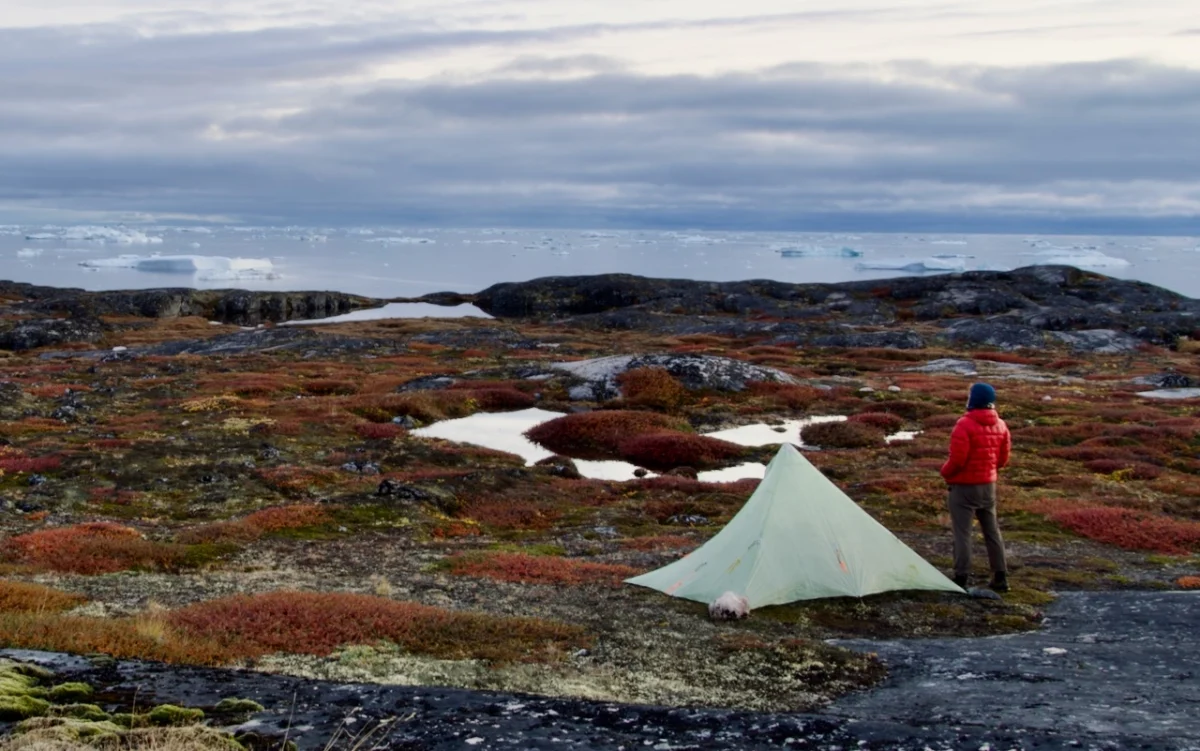
In the far reaches of the Arctic, 250 kilometers north of the Arctic Circle, lies Ilulissat—Greenland’s undisputed tourism capital. Known globally for the UNESCO World Heritage-listed Icefjord, where the massive Sermeq Kujalleq Glacier calves gargantuan icebergs into the Disko Bay, the town serves as a gateway to one of the most dramatic landscapes on Earth. Yet, for the intrepid traveler willing to look beyond the well-trodden paths of the Icefjord, a 21-kilometer coastal trek reveals a different side of the Greenlandic experience: the remote, time-worn settlement of Oqaatsut.

Main Facts: The Arctic Frontier
The trail to Oqaatsut is not merely a hike; it is a pilgrimage into the quiet heart of the North. Spanning 41 kilometers (25.5 miles) as a round-trip, this route offers a rare opportunity to witness the stark, untamed beauty of the West Greenlandic coastline.

- Difficulty: Rated as "Easy" for the experienced trekker, the route is well-marked with traditional stone cairns and distinctive orange blazes.
- Topography: Hikers will navigate a total elevation gain of 946 meters (3,104 feet), crossing rocky saddles, traversing narrow gorges, and skirting the edges of pristine alpine lakes.
- Accessibility: The trail is best experienced between late June and September, when the Midnight Sun provides near-infinite daylight and the ground is free of the deep winter snowpack that renders the route a domain for dog sleds and snowmobiles.
- Start/Finish: The journey begins at the iconic Hotel Arctic in Ilulissat, the world’s northernmost four-star establishment, creating a jarring but welcome contrast between modern luxury and the raw, Neolithic landscape that follows.
The Chronology of a Coastal Trek
The experience begins with a departure from the outskirts of Ilulissat. While the first few kilometers are defined by the proximity of the local airport—currently undergoing a major, multi-year infrastructure expansion—the industrial hum quickly fades, replaced by the profound silence of the Arctic tundra.

Phase 1: Leaving the Modern World
As you clear the perimeter of the airport, the trail unfolds into the rugged, granite-heavy terrain that characterizes the region. For the first hour, the path hugs the coastline, offering views of the leaden-hued waters of the Disko Bay. Here, one encounters the first of many brightly painted fishing cottages, their vivid reds, blues, and yellows standing in stark defiance against the muted, monochromatic palette of the grey shoreline.

Phase 2: The Mid-Point Oasis
Roughly 7.5 kilometers (4.7 miles) into the trek, the terrain tightens into a dramatic narrow gorge. Emerging from this passage, hikers are greeted by a picturesque lake, an ideal location for a mid-day respite. Pushing forward, the trail leads to a footbridge crossing the outlet stream of the expansive Kangerluarsup Tasia Qalleq Lakes. For those opting for a multi-day journey, the grassy, sheltered banks of this stream represent the premier camping site along the route, offering a rare bit of soil softness in a land of hard stone.

Phase 3: The Approach to Oqaatsut
The final stretch involves a gradual ascent, contouring northwest around the Qarajaq Cove. The views from this elevation are arguably the most spectacular of the trip, looking down upon the bay where icebergs—some the size of city blocks—drift in a slow, hypnotic dance. After traversing a final rocky saddle and passing a cascading waterfall, the village of Oqaatsut appears, a cluster of traditional dwellings clinging to the edge of the sea.

Supporting Data and Logistics
Planning a trip into this environment requires a departure from standard European hiking expectations. Because the route is largely unmonitored and far from emergency services, self-reliance is the primary safety protocol.

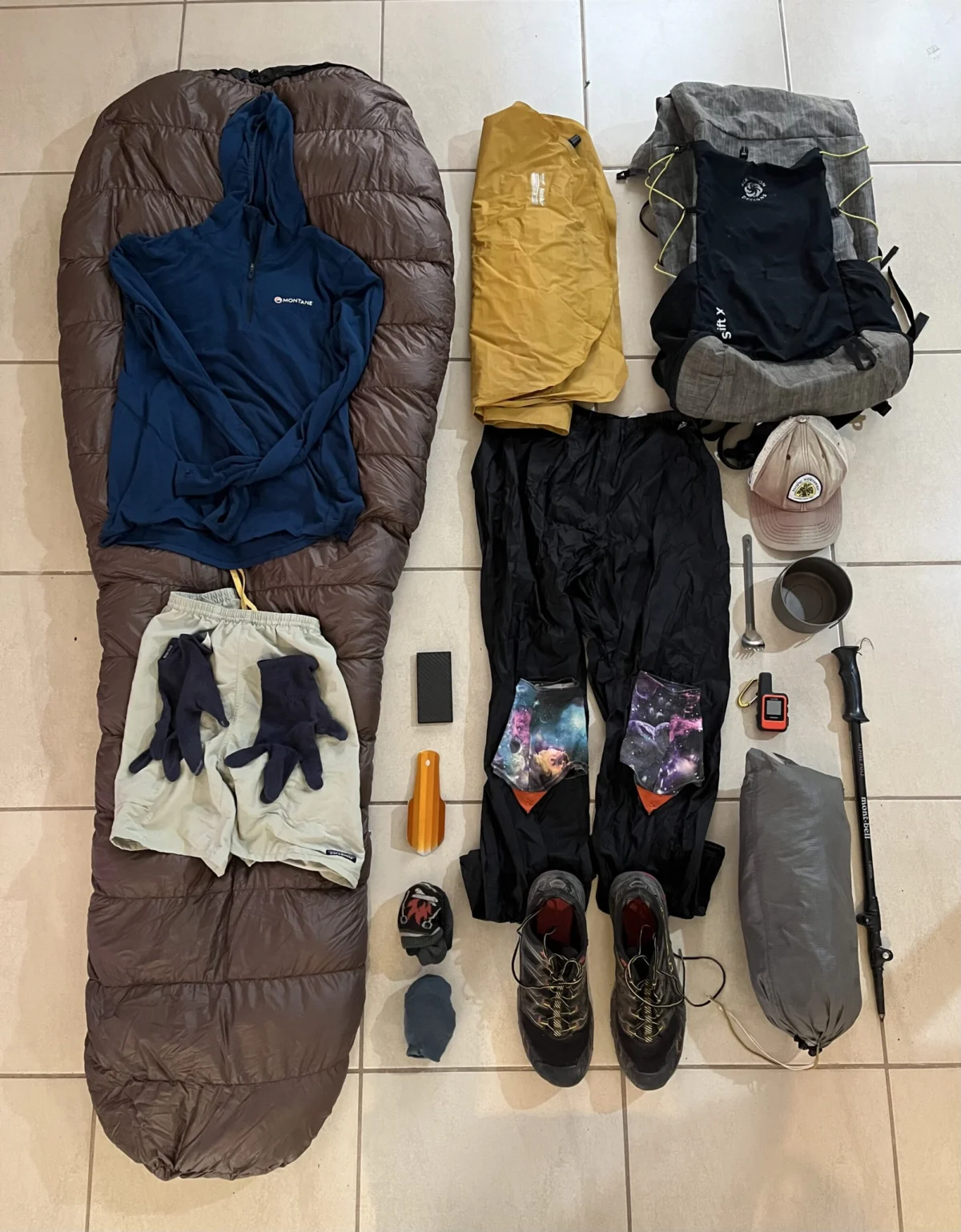
- Navigation: While the trail is marked with cairns, weather in Greenland is notoriously fickle. Fog can roll in within minutes, obscuring visibility. A GPS device with offline maps is highly recommended.
- Hydration and Nutrition: The Kangerluarsup Tasia Qalleq Lakes and various glacial streams provide fresh water, but filtration is advised. As there are no shops between Ilulissat and Oqaatsut, all supplies must be carried.
- Wildlife: While the area is not known for aggressive wildlife, hikers should remain aware of their surroundings. The region is home to Arctic foxes, hares, and a variety of migratory seabirds.
- Emergency Infrastructure: There is no mobile network coverage for much of the trek. Carrying a satellite communication device, such as an InReach or Zoleo, is standard practice for local guides and experienced trekkers.
Official Perspectives and Cultural Context
The settlement of Oqaatsut (formerly known as Rodebay) provides a living window into the maritime history of the Kalaallit people. With a permanent population of roughly 40 individuals, the village operates on a rhythm entirely distinct from the bustle of Ilulissat.

Local community leaders emphasize that while tourism provides a vital economic infusion, the settlement is not a museum. It remains a functional fishing village where the primary industry is the sustainable harvest of Greenland halibut. Visitors are encouraged to observe the traditional "tuna" (caching) practices and respect the privacy of the residents. The cemetery, a poignant landmark near the entrance of the village, serves as a reminder of the generations of families who have braved the harsh, beautiful isolation of this coast for centuries.

Implications for Future Arctic Travel
As climate change continues to alter the Arctic landscape, the accessibility and safety of routes like the Ilulissat-to-Oqaatsut trail face shifting variables. The expansion of the Ilulissat airport, slated for completion in 2026, is expected to increase foot traffic in the region significantly.

The primary implication for travelers is the need for increased stewardship. Unlike the groomed trails of Central Europe, this route is fragile. The vegetation, sparse as it is, takes decades to recover from damage caused by off-trail hiking. Furthermore, the reliance on traditional cairns means that any tampering with these markers can have life-threatening consequences for those who rely on them during periods of low visibility.

The "Wanderlust" Perspective
This trail is featured as one of 26 curated routes in Wanderlust Nordics, a comprehensive exploration of the North Atlantic’s most profound landscapes. The inclusion of the Oqaatsut trail in such a publication signals a growing international interest in Greenland as a premier destination for "slow travel."

For the modern traveler, the journey to Oqaatsut is an exercise in stripping away the extraneous. In a world of constant connectivity, the silence of the Arctic—punctuated only by the groan of shifting ice and the cry of a distant gull—offers a rare and necessary recalibration of the senses. It is a reminder that in the furthest reaches of the globe, the most rewarding experiences are often found not at the destination, but in the quiet, challenging steps taken to reach it.

As you return to Ilulissat, leaving behind the weathered cottages of Oqaatsut, the massive icebergs of the Icefjord may seem a bit more familiar, but the land itself will have left an indelible mark. The trail remains a testament to the resilience of those who call the Arctic home and an invitation to those who seek to understand it.