Sport is a universal language, a platform that transcends borders, demographics, and personal identities. Yet, for too long, many within the LGBTQ+ community have faced barriers that prevent them from fully participating in the joy, health benefits, and community spirit that athletics offer. As the summer of 2026 approaches, the Finnish Olympic Committee (Suomen Olympiakomitea) is taking a definitive stand, calling upon the entire national sports community—from elite federations to local neighborhood clubs—to champion a more accessible and open sports culture.
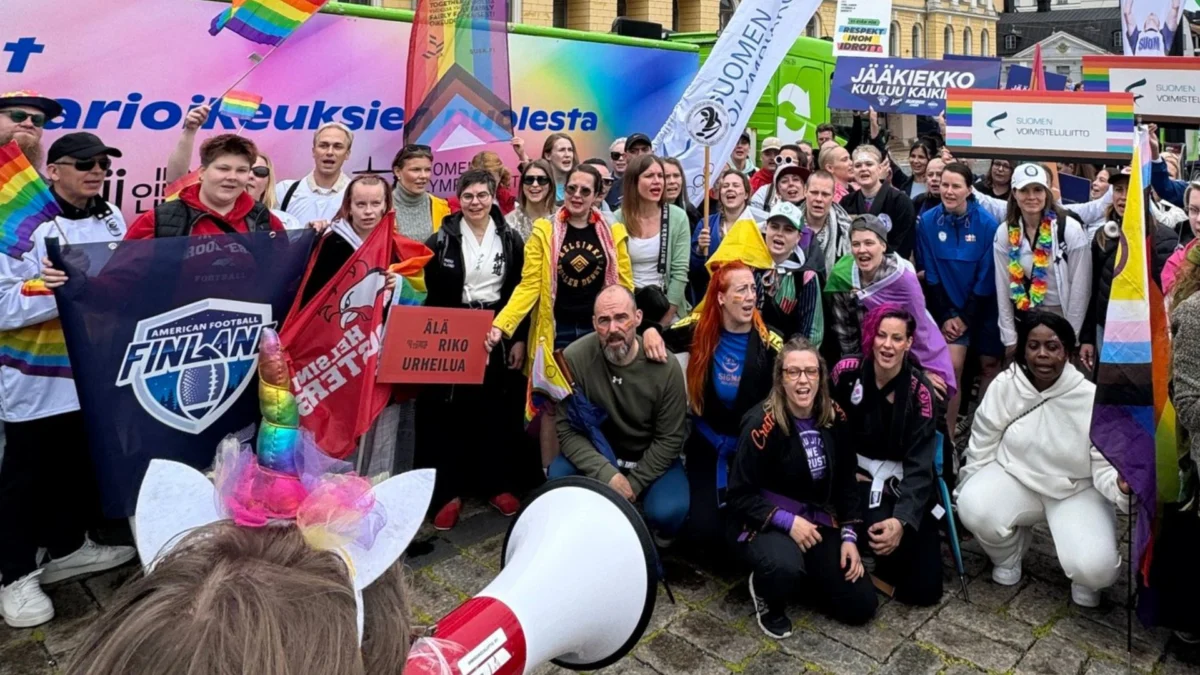
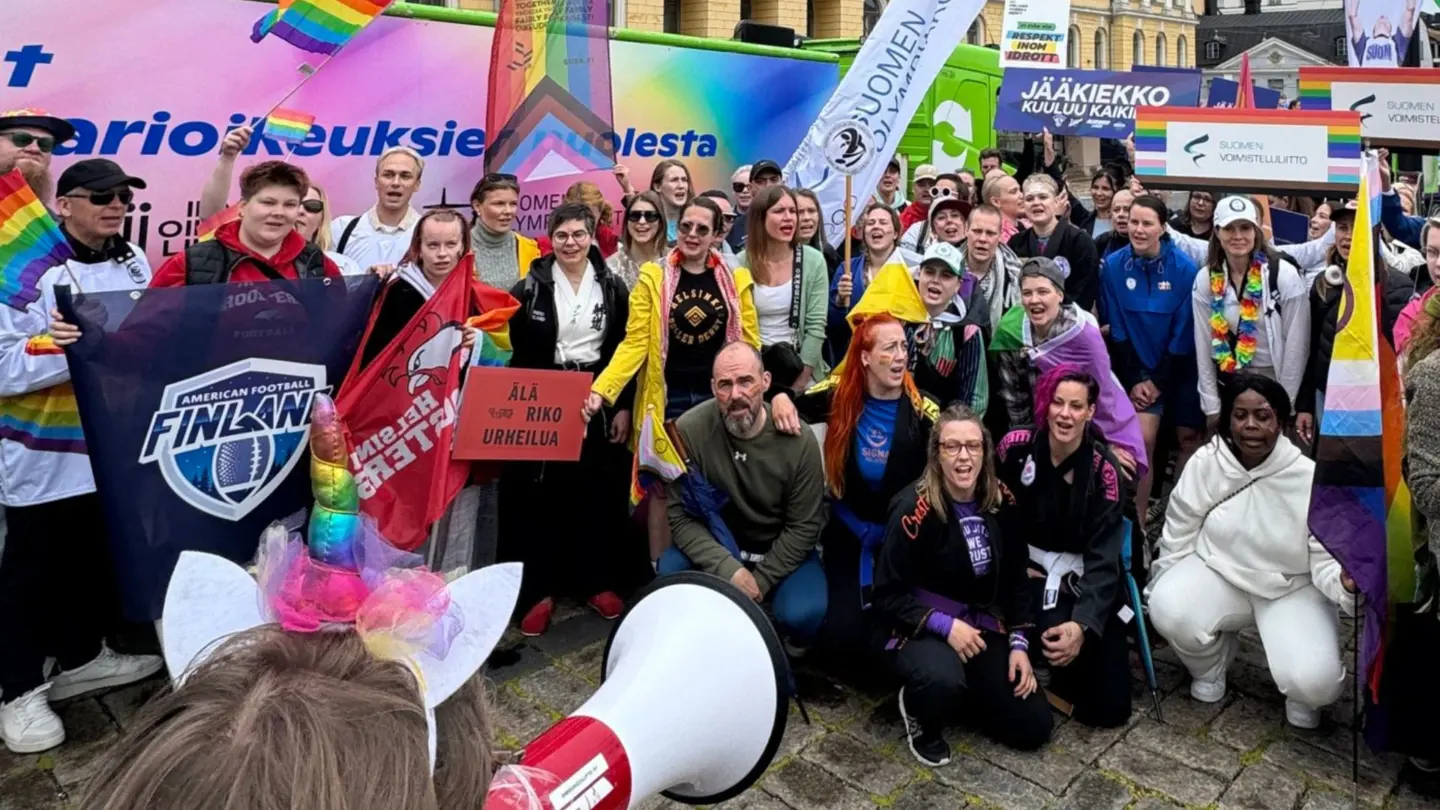
On Saturday, June 27, 2026, the streets of Helsinki will once again transform into a vibrant display of diversity as the Helsinki Pride parade winds through the capital. In a clear demonstration of solidarity, the Finnish Olympic Committee is organizing a dedicated "Sports Team" to march in the procession, sending an unambiguous message: discrimination has no place in the locker room, on the field, or in the grandstands.
The Core Mission: Why We March
The decision to participate in Pride is not merely symbolic; it is a strategic commitment to the fundamental principles of equality. While social attitudes in Finland have undergone a positive transformation, data consistently indicates that the LGBTQ+ community continues to experience disproportionately higher levels of discrimination within sporting environments compared to the general population.
"Sport is at its best when every individual feels empowered to be their authentic self," says Karoliina Ketola, Responsibility Expert at the Finnish Olympic Committee. "By participating in Pride, we are making a public commitment to equality and inclusion. We want to demonstrate that the sports community is a team for everyone."
The committee’s initiative serves as a reminder that the culture of sport is built by the people who participate in it. When federations and clubs openly embrace diversity, they create a safer, more welcoming environment that encourages participation from all walks of life, ultimately strengthening the resilience and unity of the Finnish sports movement.
A Chronology of Inclusion: From Local Clubs to National Policy
The journey toward a more inclusive sports culture in Finland is not a single-day event but a sustained, year-round effort. The roadmap for 2026 reflects this multi-layered approach to advocacy and community engagement:
- May 2026: Throughout the month, local Pride events begin appearing in cities across Finland. The Olympic Committee initiates its outreach program, providing resources to regional sports organizations to help them participate effectively in their local parades.
- June 22–28, 2026: The official Helsinki Pride Week takes place, featuring a series of seminars, workshops, and community events designed to foster dialogue between the sports world and the LGBTQ+ community.
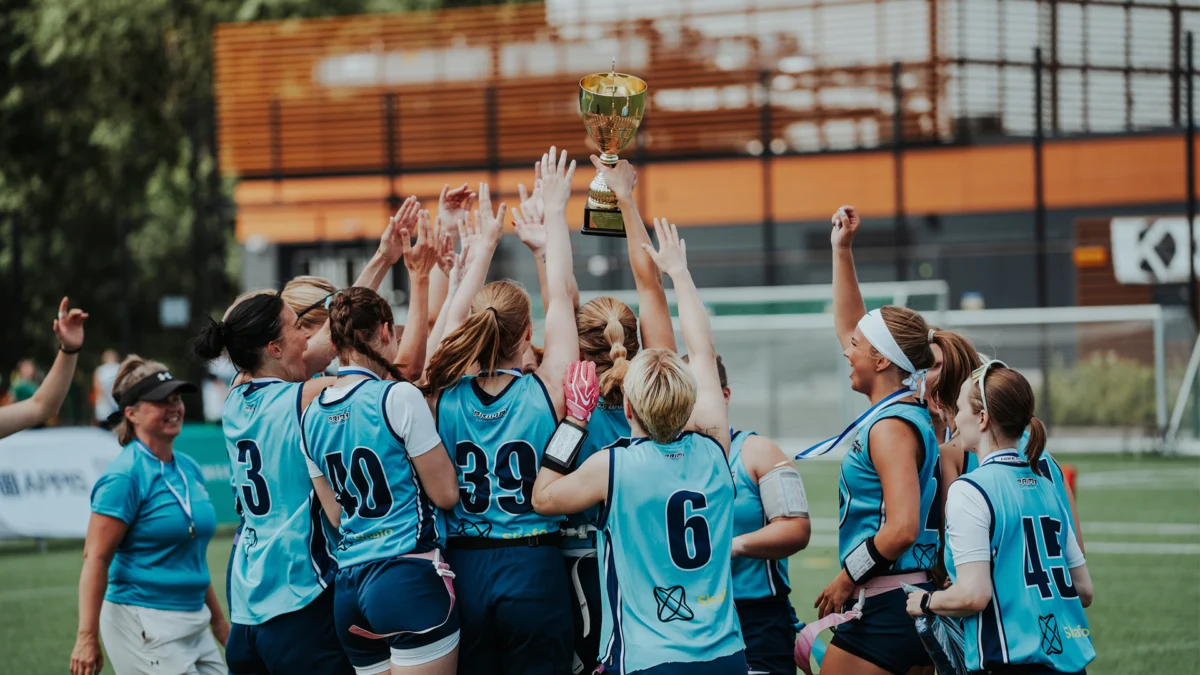
- June 25, 2026: A pivotal day for intersectional sports. The "Respect Pride" football tournament, organized in collaboration with the Football Association of Finland and the Finnish Workers’ Sports Federation (TUL), highlights how sports can be used as a vehicle for positive social change. Simultaneously, the Finland-Swedish Sports Federation (FSI) hosts "Pride Pre-party" events in conjunction with the Scouts, bridging the gap between hobbyist organizations and athletic clubs.
- June 27, 2026: The Helsinki Pride Parade. The Finnish Olympic Committee’s "Sports Team" joins the march, inviting representatives from all member federations to walk together, showcasing the collective strength of Finnish athletics.
Supporting Data and the Role of National Federations
Inclusivity is most effective when it is decentralized. The Finnish Olympic Committee recognizes that the most profound changes occur at the grassroots level, where local coaches and club leaders set the tone for daily interactions. To lower the barrier for entry, national federations are stepping up to provide logistical and informational support.
The Finnish Ice Hockey Association, often viewed as a pillar of traditional sports culture, has emerged as a leader in this transition. By providing their member clubs with printable parade materials, social media templates, and diversity training guides, they are actively de-risking the process of public advocacy for smaller, resource-strapped clubs.
"We want to make it as easy as possible for our member clubs to take a stand," explains Jaana Helminen, Responsibility Expert at the Finnish Ice Hockey Association. "By providing ready-made content, we allow local volunteers to focus on what matters most: showing their members and their community that they are welcome and valued."
This collaborative model is essential. When national governing bodies provide the infrastructure for inclusion, it empowers local coaches to foster environments where children and adults alike can focus on skill development and teamwork rather than navigating the stresses of identity-based exclusion.
Official Responses and the Future of Competitive Fairness
One of the most complex challenges facing the global sports community today is the intersection of gender identity and competitive fairness. While international elite-level sports bodies have engaged in heated debates over eligibility criteria and biological parameters, the Finnish approach is markedly different.
The Finnish Olympic Committee is prioritizing the strengthening of inclusion over the enforcement of exclusionary policies at the grassroots level.
"It is critical that the restrictive criteria often debated in international elite sport are not blindly or unfairly applied to national-level competition, and certainly not to the participation of children and young people," says Karoliina Ketola. "Our mandate is to remove barriers to participation, not to create new ones. The focus must remain on the joy of movement and the benefits of a healthy, active lifestyle."
This policy reflects a philosophy that prioritizes human rights and mental well-being in the formative years of an athlete’s development. By creating clear national guidelines that differentiate between elite professional competition and amateur community sport, Finland aims to ensure that no child is excluded from the benefits of sports participation due to rigid or ill-fitting international regulations.
Implications for the Future: A Stronger Sports Culture
The long-term implications of this sustained focus on inclusivity are profound. When an organization as influential as the Finnish Olympic Committee formally aligns itself with the values of Pride, it sends a signal to the entire country. It forces a conversation about the status quo, challenges long-held prejudices, and encourages a shift in the "locker room culture" that has historically been resistant to change.
The ripple effects are already visible. By hosting internal "pre-parade" events, the Committee is creating a space for member organizations to share best practices. These sessions are not just about advocacy; they are about professional development. Organizations that learn to foster an inclusive environment often find they have better retention rates, more engaged volunteers, and a more positive relationship with their local municipalities.
Furthermore, the integration of Pride participation into the official calendar of the sports community marks a transition toward modernizing the role of sport in society. Sport is no longer just about winning medals; it is about reflecting the diversity of the nation it represents. A team that excludes is a team that limits its own potential. A team that includes, however, taps into the full spectrum of human talent, passion, and perspective.
Conclusion: Join the Team
As June 27 approaches, the invitation remains open. The Finnish Olympic Committee is calling on all member organizations, from the largest national federations to the smallest rural clubs, to register via the Suomisport platform.
The goal is not to reach a finish line, but to continue the race toward a more equitable future. Whether it is through participating in the Helsinki Pride parade, organizing a local "Respect" tournament, or simply updating club policies to reflect a commitment to non-discrimination, every action contributes to a more robust, welcoming, and vibrant sporting landscape.
The message of the 2026 Pride season is clear: In Finland, the doors to the stadium are open to everyone. By standing together, the Finnish sports community is ensuring that the future of athletics is defined by the strength of its collective spirit, rather than the limitations of its past.
For more information on how to participate, member organizations are encouraged to visit the Suomisport portal and review the guidance provided by their respective federations.