By Alice Broderick | June 18, 2026
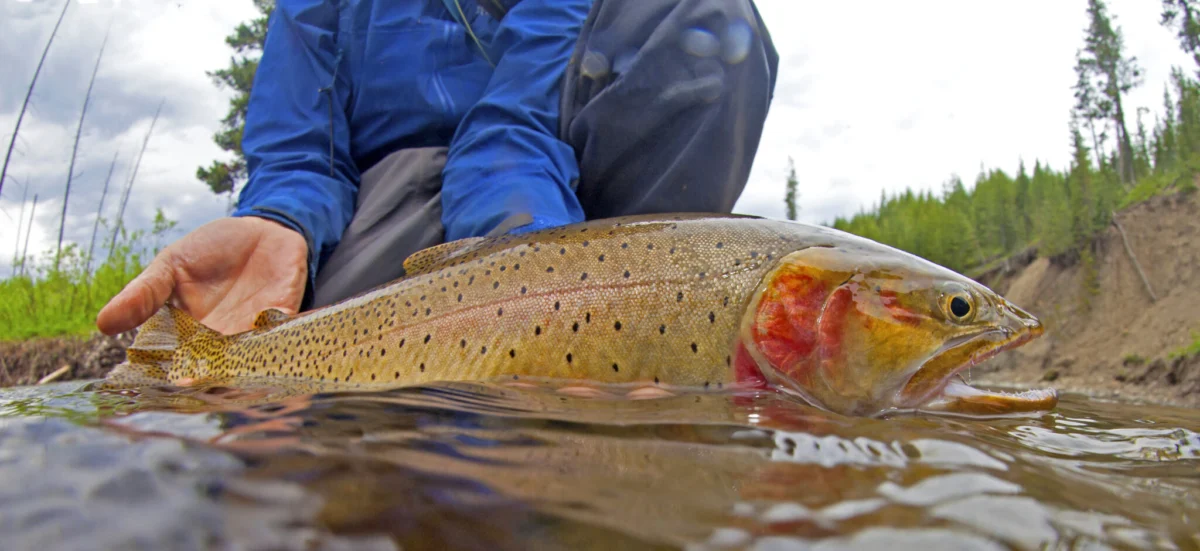
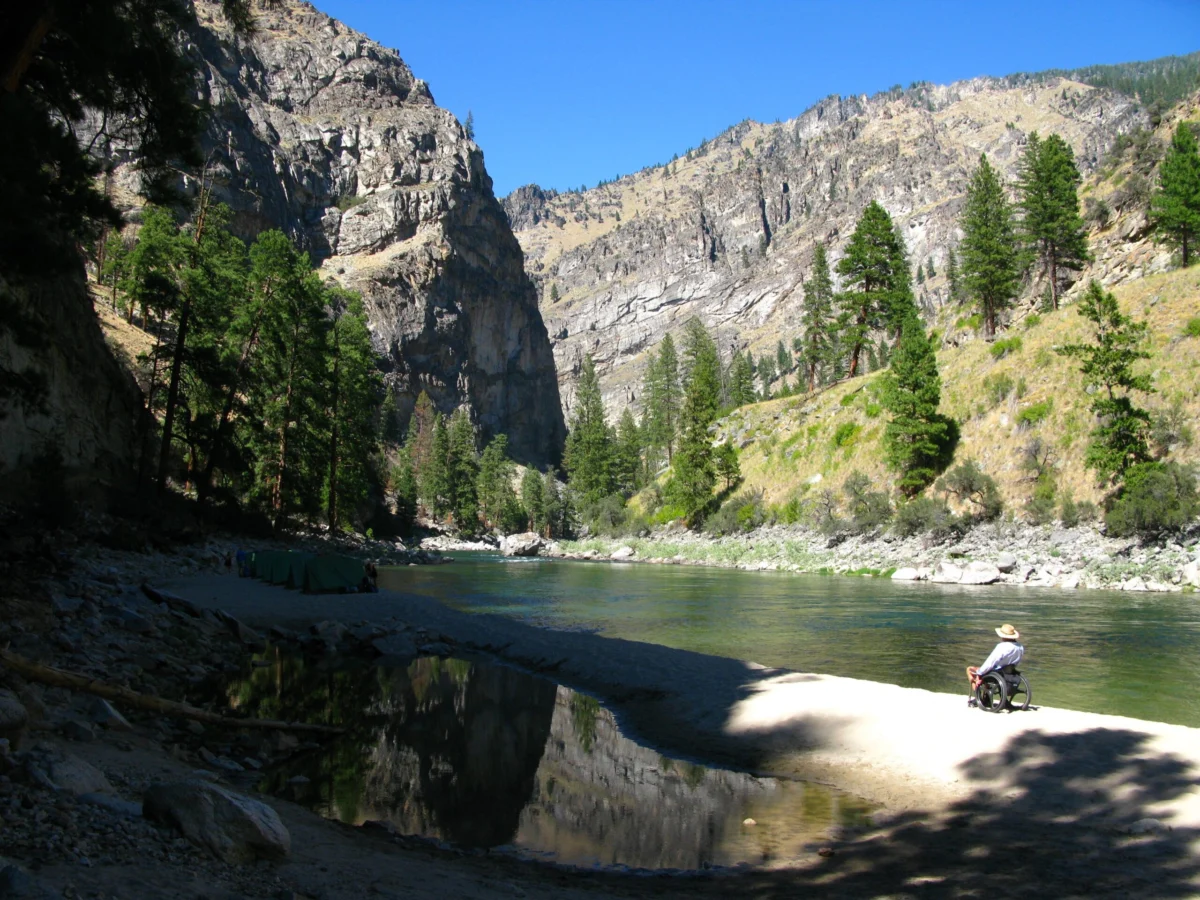
As the summer solstice arrives, the rhythms of the natural world align with the human impulse to reconnect with the wild. For many, the longer days are a siren call to the water—a time for fishing in quiet eddies, kayaking through white-water stretches, or simply finding a moment of reprieve on a riverbank. This seasonal shift serves as more than just a transition in the calendar; it is a profound reminder of the vital role that rivers play in our collective existence.
During this year’s National Rivers Month, we embrace the foundational principle that "Life Depends on Rivers®." This is not merely a corporate tagline for American Rivers; it is a biological and economic reality. Our rivers are the arteries of the planet, providing the drinking water that sustains our cities, the irrigation that fuels our agriculture, and the complex, interconnected habitats that support an untold wealth of biodiversity. As we move into the heat of summer, it is an opportune moment to reflect on the state of our nation’s waterways—the challenges they face and the monumental strides taken toward their protection and restoration over the past year.
The Main Facts: A Year of Unprecedented Momentum
The year 2025 and the first half of 2026 have proven to be a pivotal era for river conservation. Despite the growing pressures of climate change, urban encroachment, and pollution, the conservation community has achieved a series of victories that were, until recently, considered improbable. From the removal of century-old barriers to landmark legislative funding, the data suggests that a shift is occurring in how the United States views its water infrastructure.
The core of this progress lies in a transition toward "river-centric" policy. Rather than viewing rivers solely as commodities for industry or transport, there is a growing consensus that rivers are living systems that require restoration to remain functional. The following developments represent the vanguard of this movement.
Chronology of Conservation Milestones
1. The Dam Removal Surge (2025)
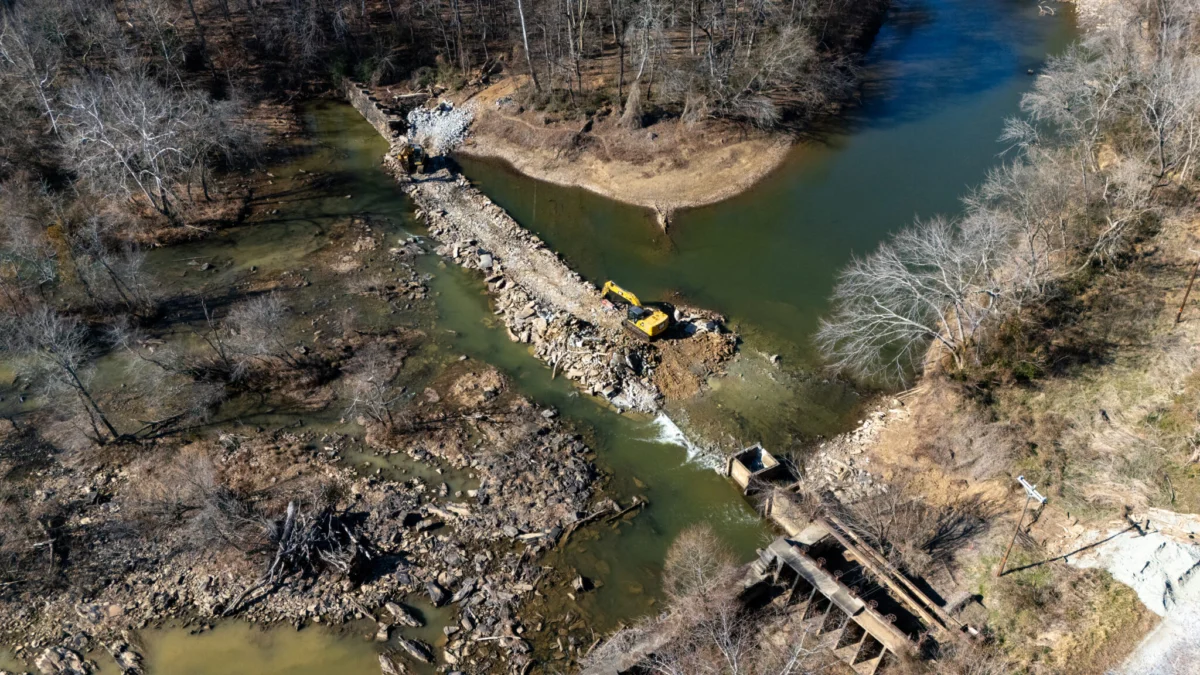
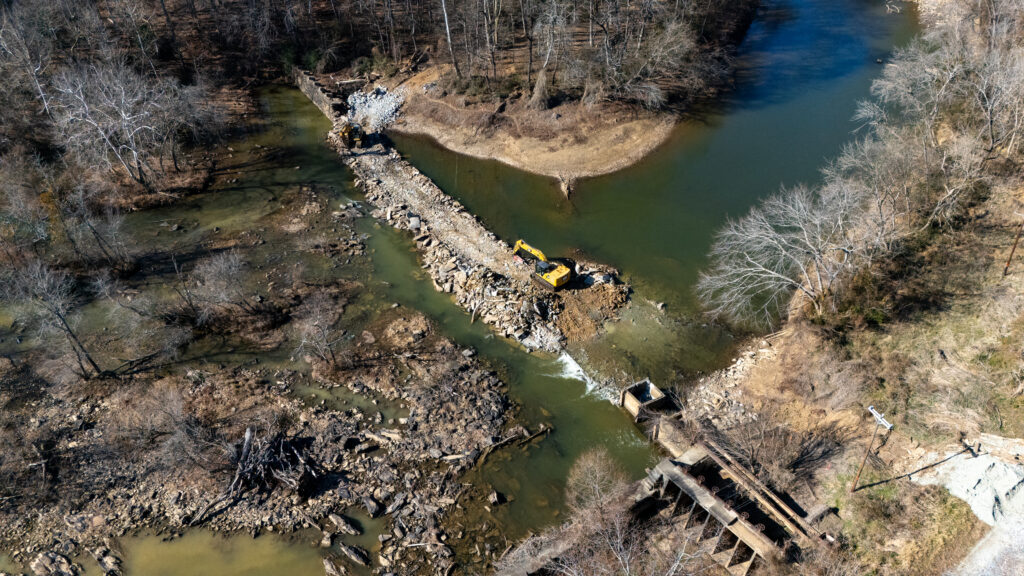
Perhaps the most significant physical change to the American landscape in the last twelve months has been the removal of 100 dams across 30 states. This massive undertaking resulted in the reconnection of 4,893 miles of river. By dismantling these outdated, crumbling, and often hazardous structures, we have effectively restored the natural flow of water, allowing migratory fish species to reach spawning grounds and sediment to nourish downstream ecosystems that have been starved for decades.
2. The Tijuana River Agreement (April 2025)
Following the release of the America’s Most Endangered Rivers® report, which highlighted the toxic pollution crisis in the Tijuana River, a swift, coordinated advocacy effort took place. By designating the river as a priority for intervention, American Rivers and its partners catalyzed a diplomatic and environmental shift. Within three months, federal officials—including EPA leadership—began formalizing a cross-border agreement to address the persistent public health crisis that had plagued border communities for years.
3. The Texas Water Resilience Victory (November 2025)
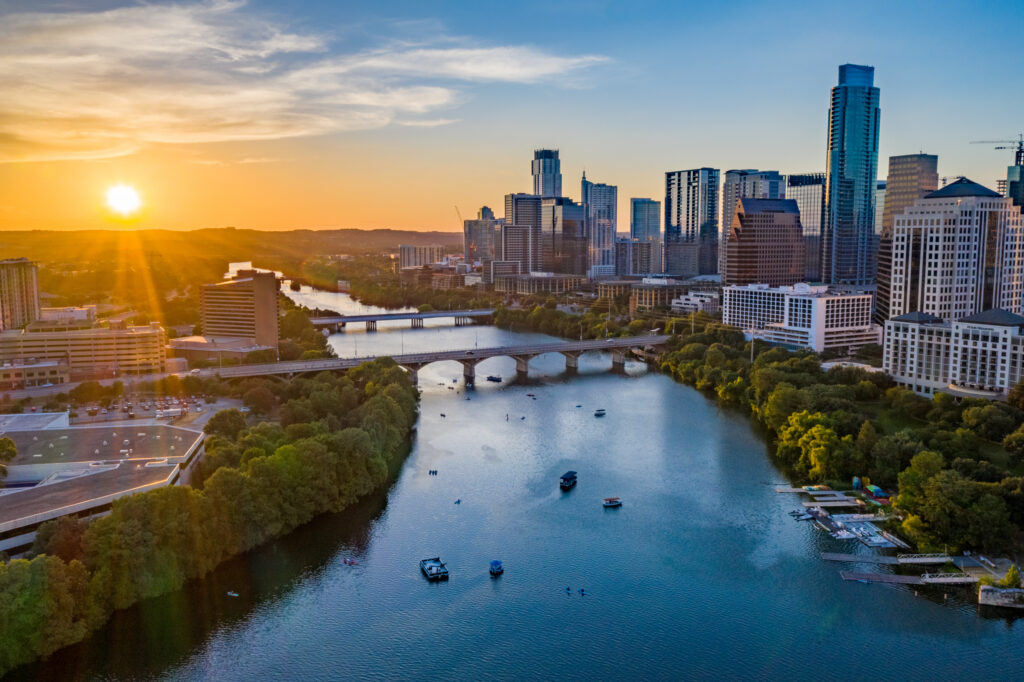
In a landmark electoral moment, Texas voters overwhelmingly supported a ballot initiative that will dedicate $1 billion annually for the next 20 years toward water infrastructure. This $20 billion total investment represents the largest state-level commitment to water and flood resilience in U.S. history.
4. Seattle’s Urban Wetland Restoration (February 2026)
Marking a transition toward nature-based solutions in urban settings, the completion of a major headwater wetland project in West Seattle demonstrated that cities can be part of the restorative process. This project, a first for our Northwest regional team, provides a template for how municipalities can manage stormwater, mitigate flood risks, and improve local biodiversity simultaneously.
Supporting Data: Why Restoration Matters
The efficacy of these projects is backed by rigorous ecological and economic data. When we remove a dam, the benefits are immediate and measurable. River reconnection restores the "hydrological connectivity" of a watershed, which improves water quality by allowing for natural filtration and helps regulate flood pulses.
- Biodiversity Impact: In the 4,893 miles of reconnected river, monitoring stations have already begun to report the return of native fish populations. For species like the Atlantic salmon and various trout varieties, the removal of a single dam can mean the difference between local extinction and population recovery.
- Economic Resilience: The $20 billion Texas initiative is rooted in the understanding that proactive investment is cheaper than reactive disaster recovery. By restoring wetlands and floodplains, the state is effectively creating "green infrastructure" that acts as a sponge, protecting urban centers from the catastrophic flood events that have become increasingly common in the Gulf region.
- Public Health: The Tijuana River initiative underscores the link between river health and human health. Toxic runoff and raw sewage are not just environmental issues; they are civil rights and public health issues. The collaborative framework established between the U.S. and Mexico serves as a case study for addressing transboundary environmental threats.
Official Responses and Strategic Advocacy
The success of these initiatives did not happen in a vacuum. It required a delicate balance of grassroots organizing and high-level political engagement.
"We are witnessing a shift in the political calculus of water," notes our policy lead. "When we engage with stakeholders—whether they are local voters in Texas or federal administrators in Washington—we frame our arguments around the universal necessity of clean water. Nobody, regardless of their political affiliation, wants to lose their source of drinking water or face a flooded community. By grounding our advocacy in the reality that life depends on rivers, we find common ground where others see only partisan division."
The meeting with EPA Administrator Lee Zeldin regarding the Tijuana River was a critical junction. By leveraging the data from the Endangered Rivers report, advocates were able to provide officials with an evidence-based roadmap for action, shifting the conversation from general complaints to actionable, funded solutions.
Implications for the Future
As we look toward the remainder of 2026, the implications of these successes are clear: the movement for river health is gaining momentum, but the threats remain systemic.
Addressing Climate Volatility
The restoration projects of the past year are not just about "returning to nature"; they are about climate adaptation. As the atmosphere warms, water cycles become more erratic. Restored wetlands and free-flowing rivers act as buffers against both drought and flood. The Seattle wetland project is a perfect model for this; by restoring the "sponge" of the landscape, we ensure that urban areas can survive the increasingly intense rain events projected for the Pacific Northwest.
Scaling the Model
The Texas funding model proves that voters are willing to prioritize water security when the benefits are articulated clearly. American Rivers is now working to export this logic to other states, advocating for similar ballot measures that prioritize "green" infrastructure over concrete-heavy, traditional engineering solutions.
The Human Connection
Beyond the policy and the data, there remains the individual connection. The quiet moments mentioned at the beginning of this piece—listening to the riffles, watching the fish splash—are the emotional fuel for this work. The goal of every dam removal and every wetland restoration is to ensure that future generations can experience that same sense of grounding.
Conclusion: A Call to Action
The progress made in 2025 and early 2026 is a testament to the power of collective action. However, the work is far from finished. As we celebrate National Rivers Month, we invite you to stay informed and involved. The threats to our water are persistent, but so is the resolve of those dedicated to protecting it.
Whether it is through supporting local watershed groups, participating in community cleanups, or advocating for sustainable water policies at the ballot box, your contribution matters. Our rivers are not static resources; they are living, breathing entities that reflect the health of our communities. As we move forward, let us hold onto the shared belief that our future—and the future of our planet—is inextricably tied to the health of our rivers.
To stay updated on the most important news affecting your water and rivers, sign up for our newsletter and join a community committed to keeping our waterways clean, healthy, and free.