By Emily Wolf | July 2, 2026
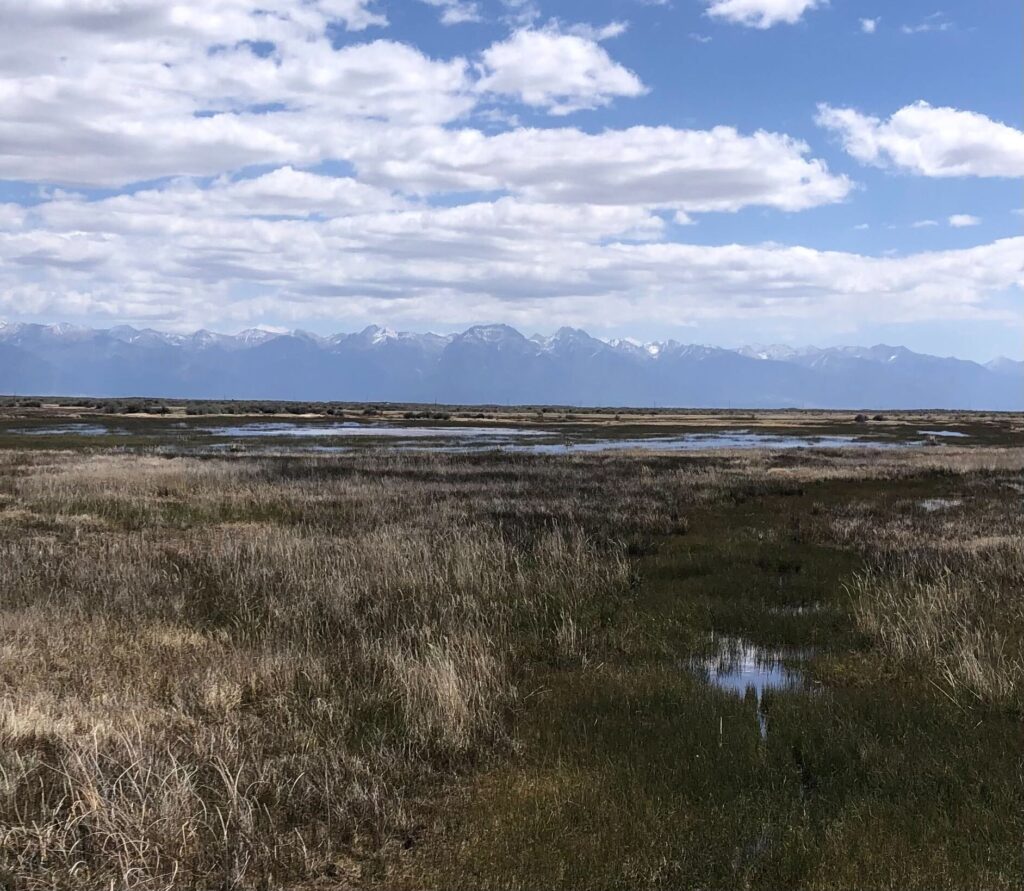
In the high-altitude expanse of Southern Colorado’s San Luis Valley, the rhythmic pulse of the Rio Grande—once a reliable heartbeat for generations of farmers and a sanctuary for migratory birds—is faltering. As the Southwest continues to grapple with a multi-decade climate crisis, the Valley finds itself at a pivotal crossroads. Facing a historic, near record-setting snow drought, local stakeholders are abandoning the traditional siloed approach to water management in favor of a radical, collaborative experiment. By marrying ancestral wisdom with modern scientific rigor, the communities of the San Luis Valley are proving that when survival is at stake, innovation becomes the only viable path forward.
The Cracks in the Basin: A Historic Water Crisis
The San Luis Valley is the headwaters of the Rio Grande, a region where the margin for error has vanished. The "snow water equivalent" (SWE)—the gold-standard metric for calculating potential runoff—is currently hovering at some of the lowest levels ever recorded.
This is not merely a seasonal anomaly; it is a structural threat. The Rio Grande, which serves as the lifeblood for regional agriculture, municipal economies, and delicate riparian ecosystems, is under unprecedented pressure. Scientific consensus indicates that the compounding effects of climate change, rising temperatures, and persistent human demand have pushed the river to a breaking point. For the residents of the Valley, this translates to early snowmelt, parched soil, and the looming threat of administrative water curtailments that could shutter long-standing family farms.
Chronology of Collaboration: A Shift in Strategy
The evolution of water management in the Valley did not happen overnight. It is the result of years of mounting tension that forced a shift in the local ethos from "litigation over water" to "cooperation for water."
- Pre-2020: The era of fragmented management. Agencies and agricultural producers operated independently, often competing for the same dwindling resources.
- 2020–2023: The "Great Pivot." As groundwater levels in the local aquifer plummeted, the realization took hold that individual conservation efforts were insufficient. A coalition of conservation groups, irrigation companies, and government agencies began forming the framework for multi-benefit projects.
- 2023: The launch of the Rye Resurgence Project, marking a successful transition toward low-water-demand agricultural commodities.
- 2024–2025: The refinement of the Frozen Assets project, integrating winter water management with ecological restoration.
- 2026: The current state of crisis response, where these programs are being tested under the most severe drought conditions in recent history.
Frozen Assets: Harnessing the Power of Ice
Among the most innovative strategies to emerge is the "Frozen Assets" initiative. Led by American Rivers in partnership with Wetland Dynamics, Ducks Unlimited, the Rio Grande Headwaters Land Trust, and Colorado Parks and Wildlife, the project reimagines winter water as a form of "frozen capital."
Historically, producers in the Valley utilized winter sheet ice to manage their land. The modern iteration of this practice involves spreading water shallowly across the landscape during freezing temperatures. By slowly "pushing" water over existing ice layers throughout the winter, managers create a protective thermal blanket.
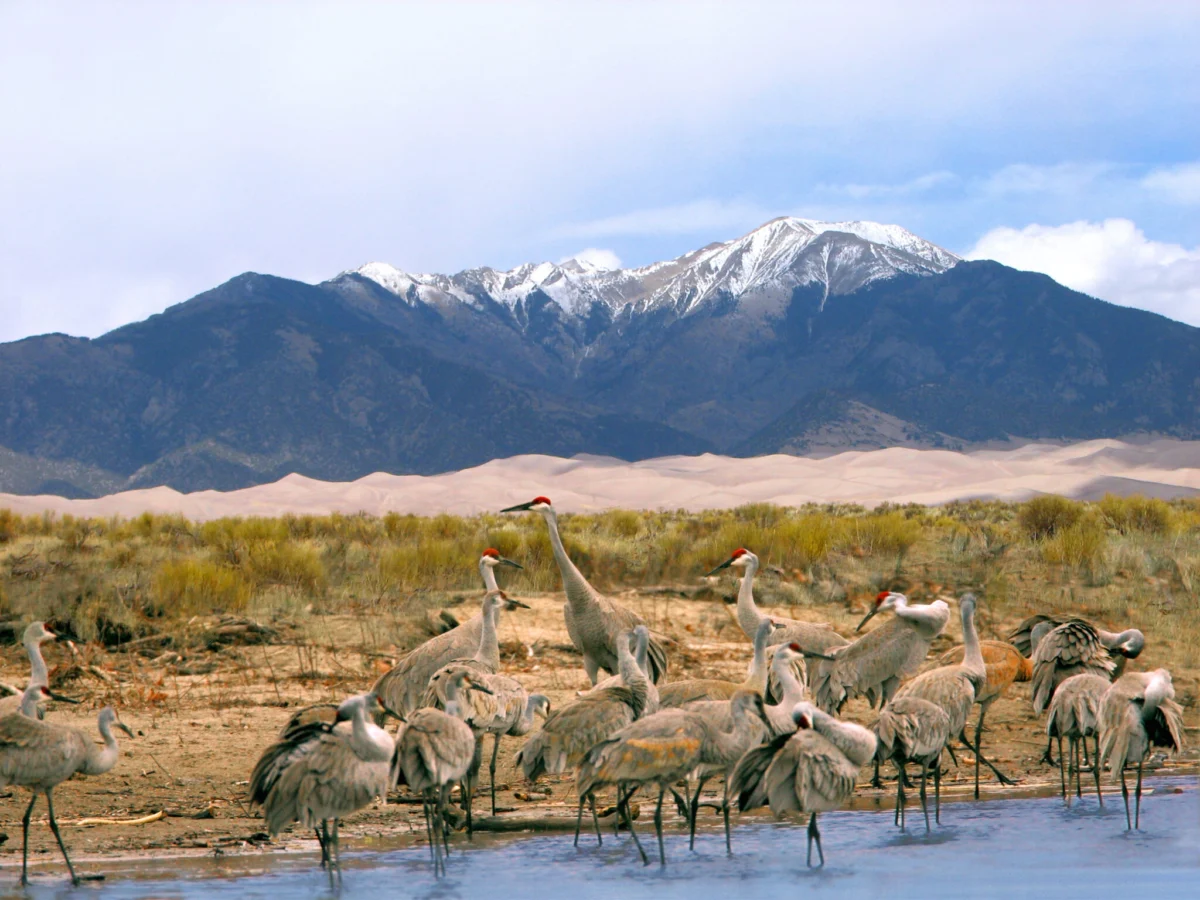
The benefits are twofold: First, this process significantly reduces water loss to evaporation—a major culprit in arid-land water depletion. Second, as the ice slowly melts in the early spring, it provides a crucial, steady recharge to the underlying aquifer and sustains early-season plant growth. This creates a "win-win" scenario: producers gain flexibility in their water use, while migratory species like cranes and waterfowl find the essential foraging grounds they need during their critical spring migrations.
Rye Resurgence: Changing the Economic Landscape
The "Rye Resurgence Project" represents a fundamental change in the Valley’s agricultural identity. Faced with the reality that water-intensive crops are no longer sustainable, farmers have begun shifting to winter rye.
Rye is a hardier, less thirsty cover crop that improves soil health—a vital step toward drought resilience. However, the project recognized early on that asking farmers to change their crop rotation is a financial risk. To mitigate this, the project facilitated a robust market for the grain. By building partnerships with regional bakers, millers, brewers, and distillers, the initiative created a demand for San Luis Valley Rye that didn’t exist three years ago.
Supporting Data from Year One:
- Acreage: 4,500 acres of winter rye planted in the fall of 2023.
- Water Savings: An estimated 4,670 acre-feet of water conserved.
- Economic Reach: 24 local and regional businesses integrated into the supply chain.
This data demonstrates that ecological restoration can be a driver of, rather than a hindrance to, economic vitality.
Restoring the Arteries: The Rio Grande Corridor Project
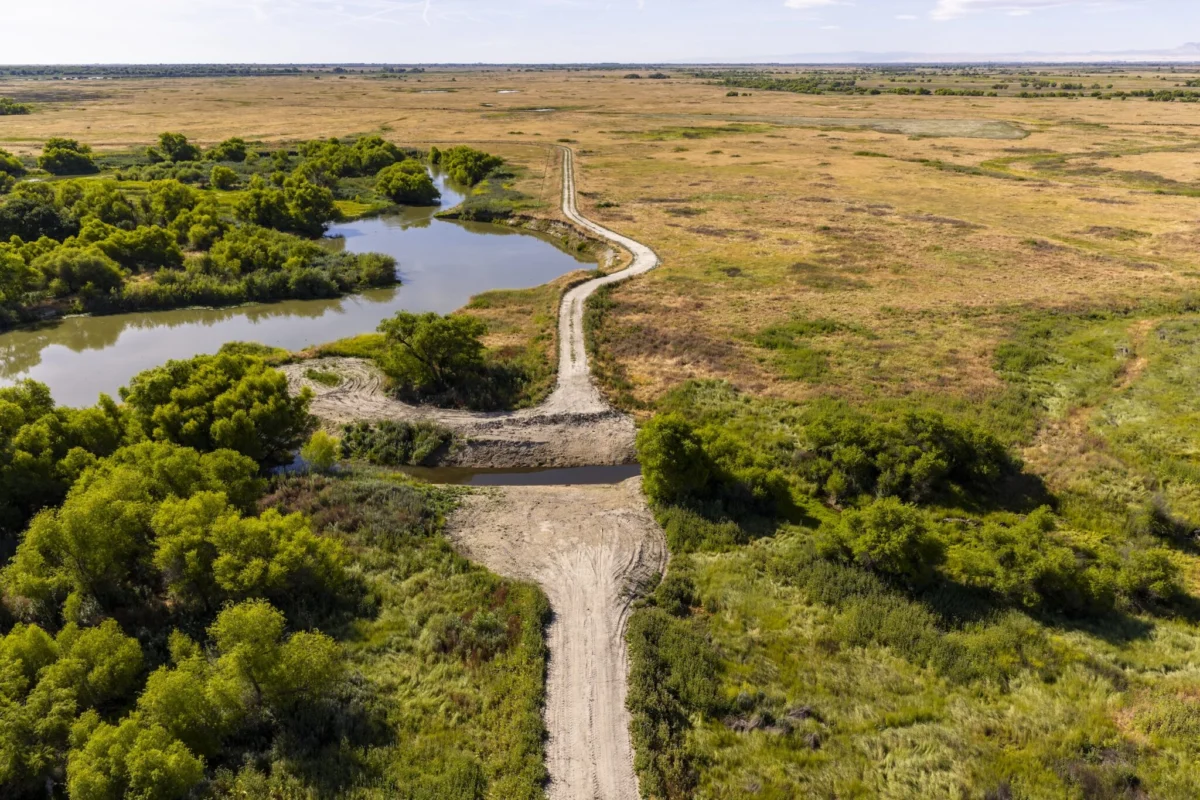
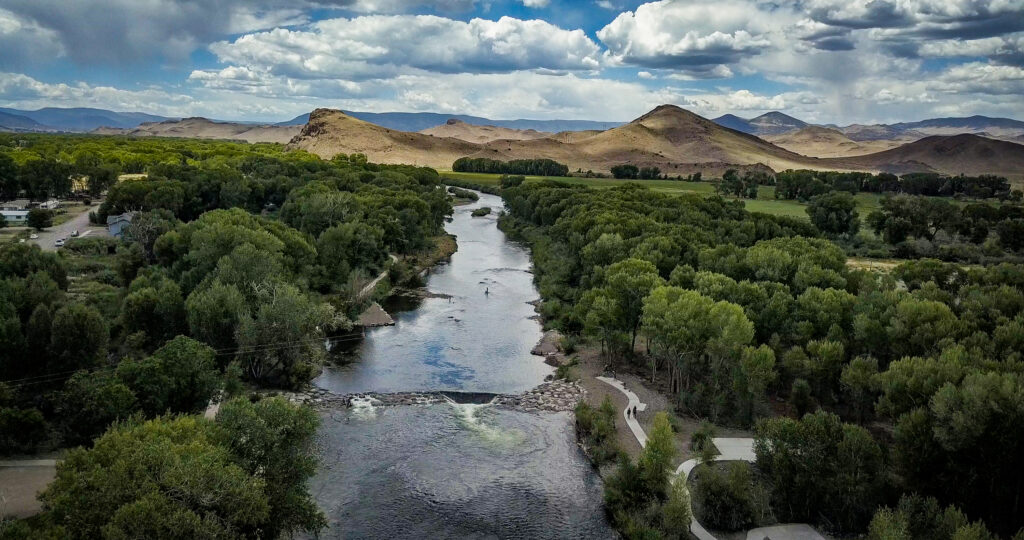
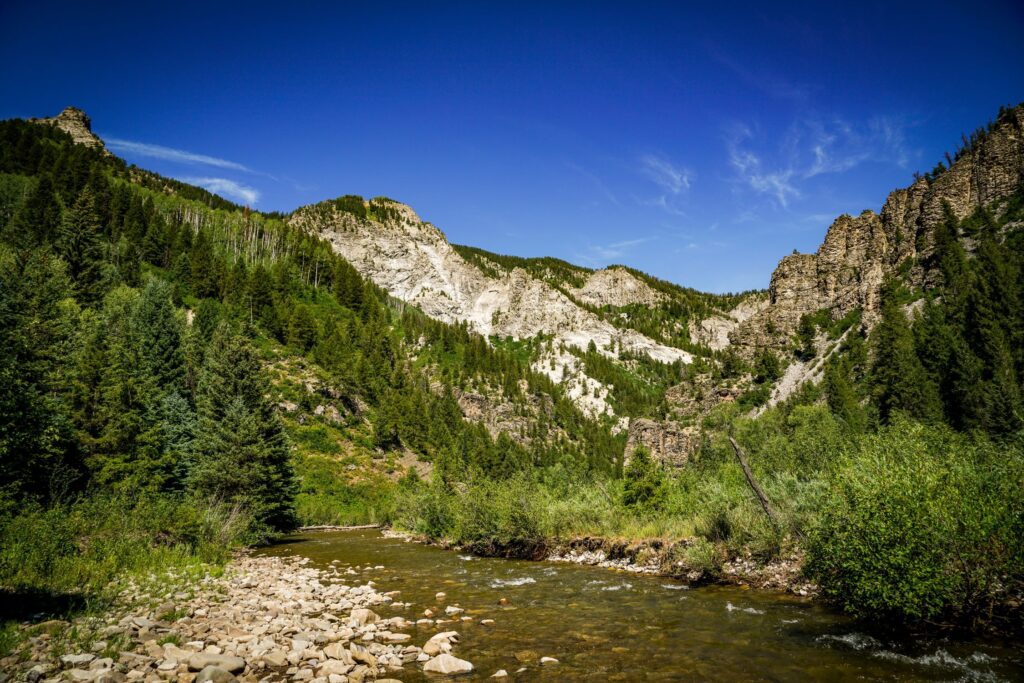
Beyond the farm gates, the river itself is undergoing a transformation. The Rio Grande Corridor Restoration Project, centered on the Alamosa National Wildlife Refuge (NWR), highlights the importance of aquatic habitat health.
The refuge was suffering from a highly variable flow regime, which stressed native fish populations—particularly the Rio Grande chub. The restoration project took a holistic approach:
- Bank Stabilization: Using native vegetation and rock to curb erosion, which helps the river maintain a healthier shape during low-flow periods.
- Floodplain Access: Reshaping banks to ensure that when higher flows do occur, the river can access its floodplain rather than becoming disconnected.
- Off-Channel Habitat: Creating specific refugia for native fish, ensuring that even in low-flow conditions, the species have a place to survive.
Official Responses and Stakeholder Perspectives
Water managers and local leaders have consistently emphasized that these projects are not "silver bullets" but components of a broader, more resilient water portfolio.
"The goal is to keep the water working as hard as possible," notes one project coordinator. "When a drop of water can recharge an aquifer, provide habitat for a migratory crane, and support a local agricultural business simultaneously, we aren’t just saving water; we are sustaining a community."
Representatives from state agencies have echoed this sentiment, noting that the San Luis Valley is becoming a laboratory for the rest of the Southwest. By integrating private landowners with federal wildlife mandates and state water regulations, the Valley is effectively demonstrating that the "Water Wars" of the past century can be replaced by the "Water Cooperation" of the future.
Implications: A Model for the Southwest
The implications of the San Luis Valley’s work extend far beyond the borders of Southern Colorado. As the entire Southwest faces the prospect of permanent aridification, the strategies pioneered here—market-driven crop shifts, winter water management, and multi-sector river restoration—provide a scalable roadmap.
However, the success of these programs is contingent on continued collaboration. The "Frozen Assets" and "Rye Resurgence" initiatives are still in their infancy relative to the scale of the climate threat. Further research is required to analyze the long-term impact on aquifer health and soil moisture retention.
For the people of the San Luis Valley, the mission is clear: water is the lifeblood of the region, and its preservation is the ultimate test of their stewardship. By treating water as a collective responsibility rather than a private commodity, they are ensuring that even in the face of record-breaking heat and drought, the Valley remains a viable home for both the humans and the wildlife that define its character.
As the summer of 2026 progresses, the eyes of the Southwest remain fixed on this corner of Colorado. If the Valley can successfully navigate the current scarcity, it will prove that with enough creativity and unity, even the most daunting environmental challenges can be managed.