By Ben Emanuel | July 31, 2026
While the nation’s headlines have been dominated by the blistering intensity of this summer’s heat waves, a more insidious and long-lasting crisis is unfolding across the American Southeast. Behind the record-breaking temperatures lies a landscape gasping for moisture, as large swaths of the region remain trapped in the grip of a severe, persistent drought.
From the rolling hills of North Carolina to the river basins of Georgia, the hydrological deficit is not merely a seasonal inconvenience; it is a fundamental disruption to the natural systems that provide clean water, support diverse wildlife, and sustain the regional economy. As we reach the midpoint of summer, the urgency of this crisis has moved from a concern for gardeners and farmers to a critical issue for public water utilities and environmental policy experts alike.
Main Facts: A Region Under Stress
The current drought status in the Southeast is characterized by a "hydrological deficit," a term used by hydrologists to describe the depletion of groundwater, reservoir levels, and stream baseflows. According to the U.S. Drought Monitor, North Carolina has borne the brunt of the intensity, with significant portions of the state experiencing "severe" or "extreme" drought conditions for several consecutive months.
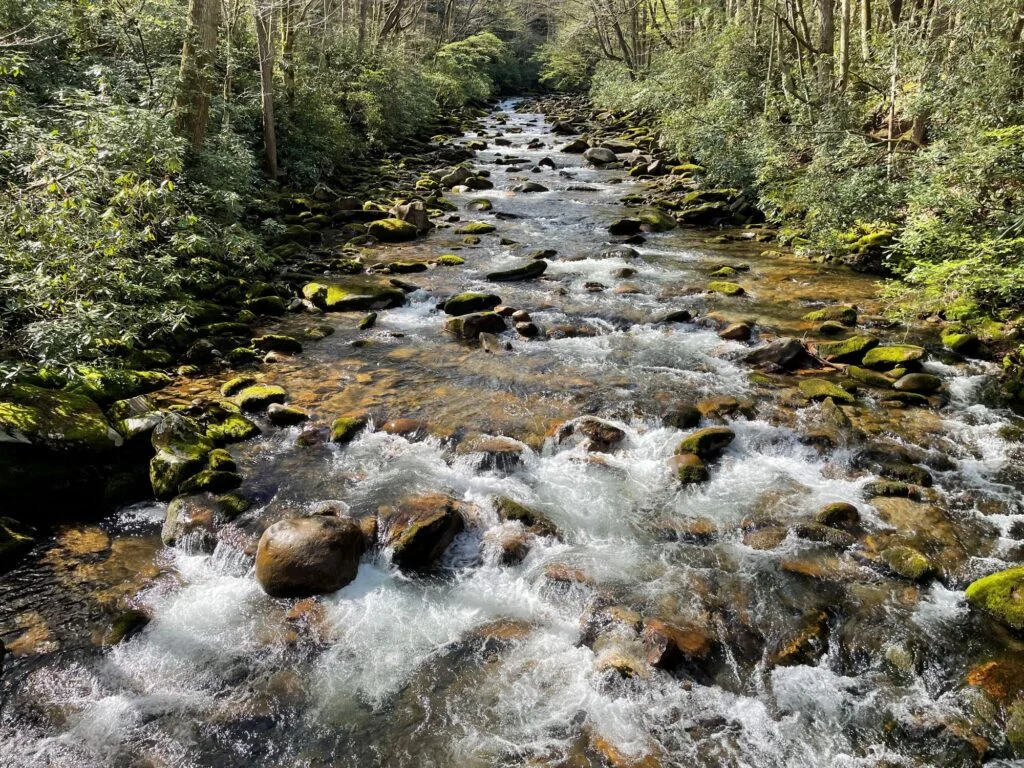
The consequences are visible in the landscape: stream and river flows in many basins have plummeted to near record-low levels. This situation is compounded by the fact that rivers are not static features; they are dynamic systems that rely on consistent inputs from rainfall and groundwater. When those inputs vanish, the "pulse" of the river weakens.
The crisis is exacerbated by modern land-use patterns. Paving over permeable surfaces for urban expansion, diverting excessive volumes of water for municipal and industrial use, and altering natural drainage patterns have rendered our watersheds less resilient. When rain finally does arrive, it often runs off hard surfaces rather than infiltrating the soil to replenish the aquifers that feed our rivers during dry spells.
Chronology: The Roots of the Current Crisis
To understand the severity of the current drought, one must look back well before the first heat wave of June 2026. The roots of this crisis were planted in the winter months of late 2025 and early 2026.
- Winter 2025–2026: A notably dry winter failed to provide the essential "recharge" period for the region’s aquifers. In a healthy cycle, winter rains saturate the soil and fill groundwater reservoirs, providing a buffer for the subsequent summer. This year, that vital foundation was missing.
- Spring 2026: Contrary to typical climate patterns where spring acts as a wet season for the Southeast, this year saw a rapid intensification of dry conditions. This shift caught many municipalities off guard, as they were expecting the usual spring rainfall to bolster reservoir levels before the peak demand of summer.
- Early Summer 2026: By June, the U.S. Drought Monitor reports confirmed that drought had become entrenched. While Georgia experienced some temporary relief due to localized rainfall, the systemic moisture deficit remains.
- July 2026: The combination of record-breaking heat and persistent dryness has pushed river ecosystems to their breaking point, resulting in notable ecological catastrophes, such as the recent, massive fish kill in the Chattahoochee River near Atlanta.
Supporting Data: The Science of River Flow
The health of a river is measured in cubic feet per second (cfs). When flows drop below historical norms, the water temperature rises, dissolved oxygen levels fall, and the concentration of pollutants increases.
The "Baseflow" Problem
Baseflow is the portion of streamflow that comes from groundwater seepage. It is the lifeblood of a river during dry months. Because the previous winter was so dry, baseflow across the Carolinas and Georgia is at historic lows. When this baseflow is further diminished by human consumption—specifically the withdrawal of water for drinking, irrigation, and power plant cooling—the remaining water is insufficient to support aquatic life.
The Urban Impact
Data suggests that as urban sprawl increases, the "flashiness" of our rivers increases. In developed areas, water that should seep into the ground rushes into storm drains. This leads to a dangerous cycle: during dry periods, the river is starved of groundwater; during the rare, intense storm, the river is overwhelmed by polluted runoff, contributing to the "weather whiplash" that has been observed this summer.
Official Responses and Management Challenges
Water utilities and state agencies are currently operating in a reactive state, often implementing mandatory water restrictions only after reservoir levels hit critical thresholds. However, experts from organizations like American Rivers argue that this "drought-only" planning is insufficient for a changing climate.
Moving Toward "Efficiency First"
The current strategy for many utilities is to find new sources of water—often at great environmental and financial cost. A more sustainable approach, advocated by conservationists, is the "Efficiency First" model. This includes:
- Leak Detection and Repair: Aging municipal infrastructure often loses significant percentages of treated water to leaks before it ever reaches a tap.
- Water Reuse: Investing in advanced wastewater treatment to allow for non-potable water reuse in industrial and irrigation sectors.
- Low-Impact Development (LID): Requiring new urban developments to include permeable pavement and bioswales to ensure that even during dry spells, the little rain that does fall stays in the watershed.
The Role of Water Utilities
Utilities must shift their operational paradigms. Planning for drought while the region is in a period of relative abundance is the only way to ensure resilience. This means updating infrastructure to be "river-friendly," ensuring that even in times of shortage, minimum flow requirements for fish and wildlife are legally prioritized.
Implications: The Future of Our Freshwater
The implications of this summer’s drought extend far beyond a dry lawn or a stagnant stream. We are entering an era where the demands on our freshwater resources are outstripping the natural supply.
The Growing Demand
Population growth in the Southeast is among the highest in the nation. This growth is accompanied by an increase in energy generation needs and the rapid development of massive data centers, which are notoriously water-intensive for cooling purposes. When these industrial demands are added to the existing municipal and agricultural needs, the stress on our river basins becomes unsustainable.
Ecological Collapse
The Chattahoochee River fish kill serves as a harbinger of what happens when we push nature too far. When rivers stop functioning as ecosystems, they stop providing the services we take for granted—water purification, flood mitigation, and recreational value. If the current trend continues, we risk losing the biodiversity that defines the Southeast’s natural heritage.
The Path Forward
Addressing the drought is a collective responsibility. While individual actions—such as fixing leaky faucets, reducing outdoor irrigation, and avoiding water waste—are vital, they must be paired with aggressive systemic change.
We must advocate for:
- Watershed-scale management: Treating the entire river basin as a single entity rather than a collection of disparate political jurisdictions.
- Climate-adaptive policies: Updating building codes and water-usage permits to reflect the reality of a hotter, drier future.
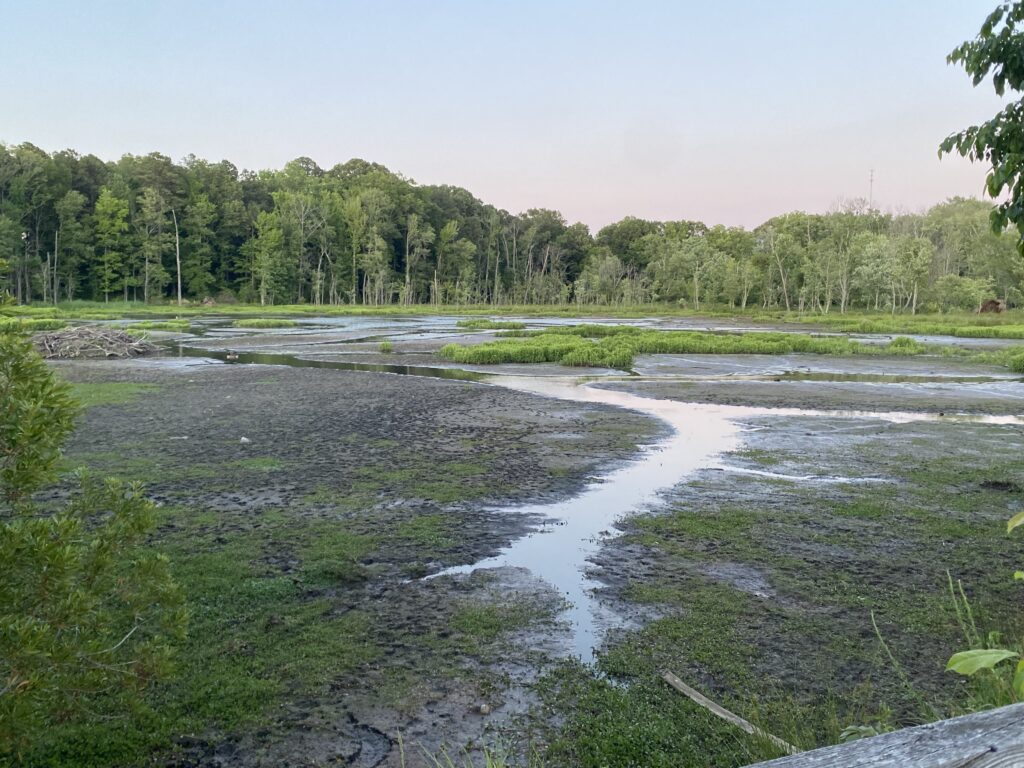
- Protection of natural infrastructure: Preserving wetlands and riparian buffers that naturally store water and maintain the health of our streams.
As we look toward the remainder of the summer and the years to come, the message is clear: drought is no longer a temporary state of affairs; it is a structural reality. If we are to secure a future for our communities and our rivers, we must change how we value, manage, and protect the water that flows through our landscape. The drought of 2026 is a warning—one we can no longer afford to ignore.