The Crisis at the Headwaters
The San Luis Valley in Southern Colorado—a high-altitude basin cradling the headwaters of the Rio Grande—is currently ground zero for one of the most pressing environmental challenges in the American Southwest. As the region grapples with a historic, near-record-setting snow drought, the hydrological reality is becoming increasingly stark. Snow water equivalent (SWE), the critical metric measuring the amount of liquid water contained within a snowpack, has plummeted to some of the lowest levels ever recorded in the region.
This is not merely a seasonal anomaly; it is a systemic shift. The Rio Grande, a river that sustains agriculture, fuels local economies, and provides a lifeline for delicate ecosystems, is under unprecedented pressure. Driven by a volatile combination of human demand and the accelerating impacts of climate change, the valley’s water security is fraying. For the residents of the San Luis Valley, the threat is not abstract—it is a daily reality that has spurred a sophisticated, community-led movement to redefine how water is managed, saved, and valued.
Chronology of a Conservation Movement
The current crisis has roots that stretch back decades, but the response has reached a fever pitch in the last five years.
- Early 20th Century to 2000s: The Valley relied heavily on traditional irrigation and groundwater pumping to support its agricultural output. However, sustained drought and over-extraction led to a significant decline in the local aquifer levels.
- 2018–2022: As climate modeling confirmed a long-term "aridification" of the Southwest, local stakeholders, including irrigation districts and conservation nonprofits, moved from reactive crisis management to proactive, collaborative planning.
- 2023: The launch of the "Rye Resurgence" project marked a turning point in agricultural strategy, shifting from water-intensive crops to drought-resilient alternatives.
- 2024–Present: The "Frozen Assets" initiative gained momentum, proving that ancient, landscape-scale water management techniques could be modernized to address modern hydrological deficits.
Frozen Assets: A Cold-Weather Solution to Water Scarcity
One of the most innovative programs currently under investigation is the "Frozen Assets" project. Led by American Rivers in partnership with organizations like Wetland Dynamics, Ducks Unlimited, and the Rio Grande Headwaters Land Trust, this initiative seeks to harness the cold.
The practice, known as "winter sheet ice," involves spreading water thinly across the landscape during the freezing winter months. As temperatures drop, this water forms a massive, shallow sheet of ice. This is not a wasteful use of water; rather, it is a sophisticated storage mechanism. By "parking" water on the land as ice, the Valley prevents the rapid evaporation and uncontrolled runoff that often occurs in traditional reservoir storage.
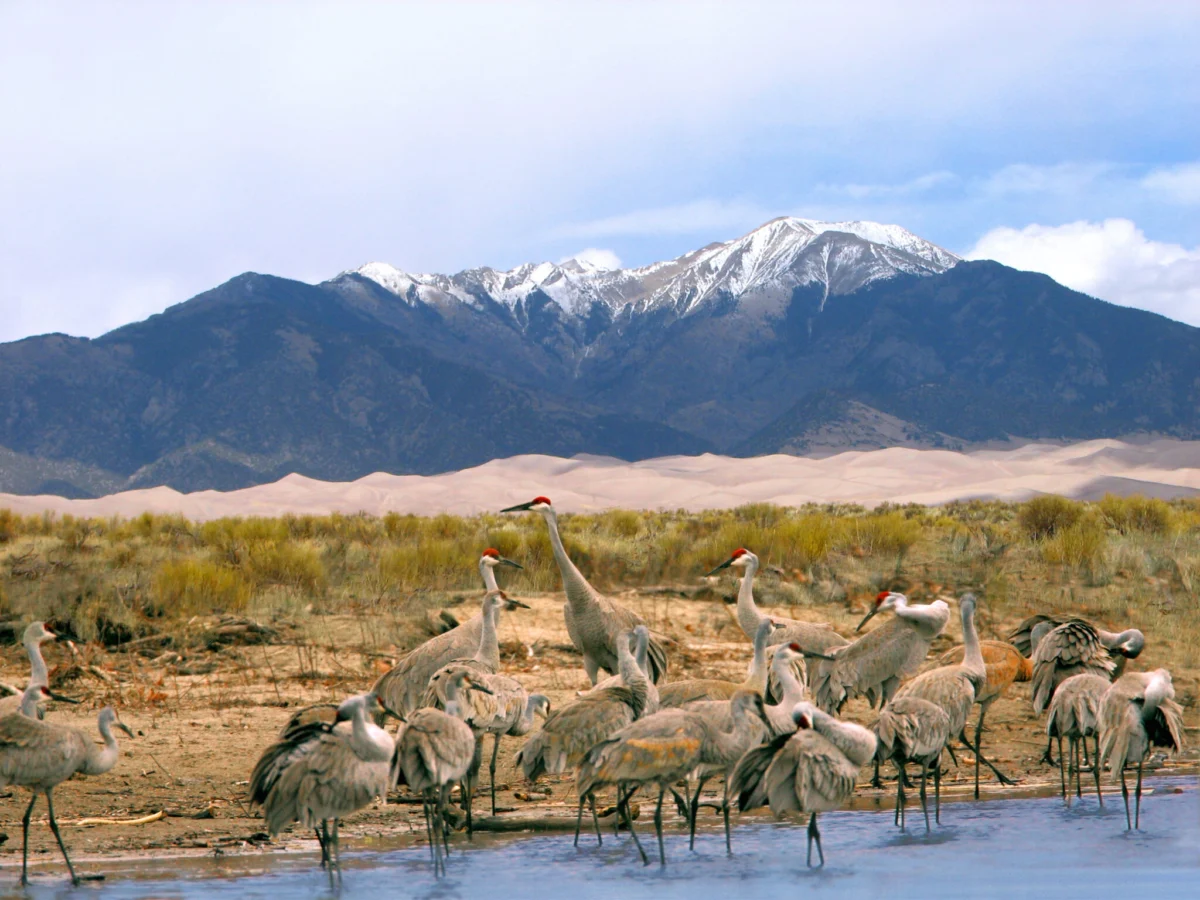
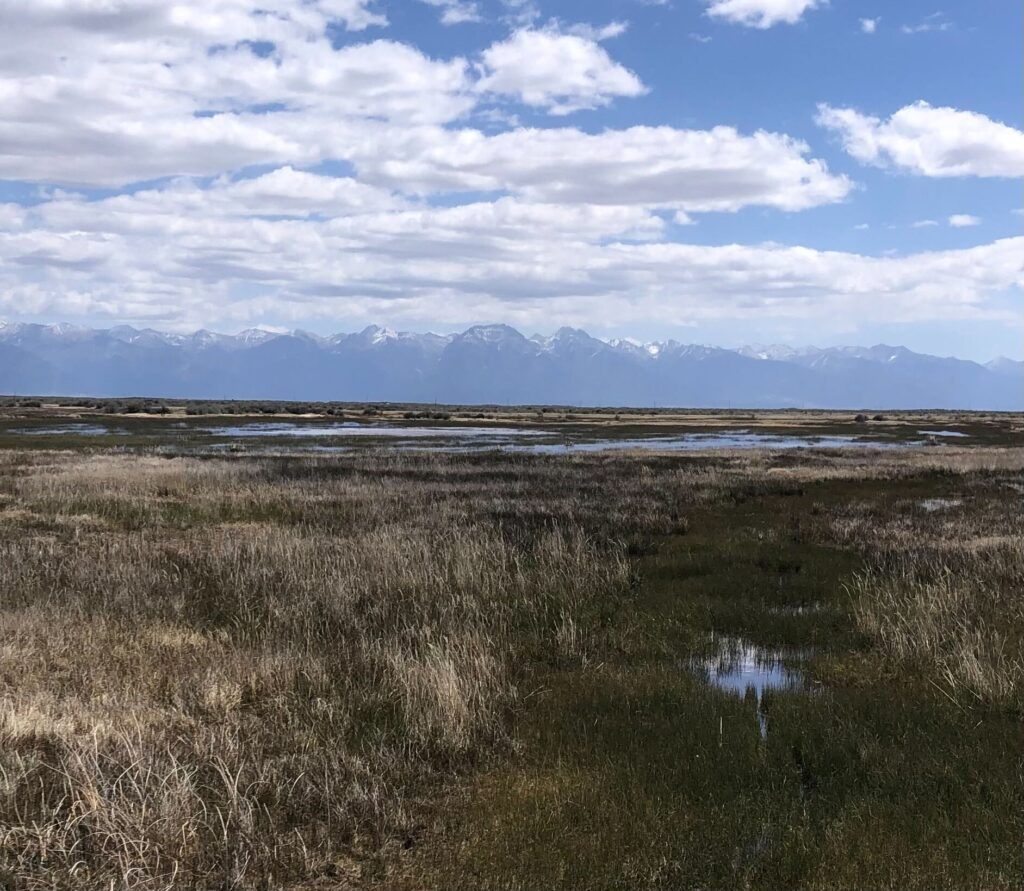
As spring approaches, this ice slowly melts, providing a sustained, controlled infusion of moisture into the soil. This process facilitates groundwater recharge, supports the germination of early-season native vegetation, and creates vital foraging grounds for migrating waterfowl and cranes. By mimicking natural processes, the project provides a multi-benefit solution: it stabilizes local water tables, enhances biodiversity, and offers agricultural producers a flexible, low-cost management strategy.
Supporting Data and Agricultural Innovation
The transition to a more sustainable future is perhaps most visible in the fields. The "Rye Resurgence" project serves as a masterclass in how to align economic incentives with ecological necessity. Faced with dwindling groundwater, farmers in the San Luis Valley have begun integrating winter rye into their crop rotations.
The data from the project’s initial phase is compelling. In the fall of 2023, participating farmers planted 4,500 acres of winter rye. Preliminary analysis suggests this shift yielded approximately 4,670 acre-feet in water savings—a significant figure for a region where every drop is contested.
However, the success of the project goes beyond just planting; it involves market creation. By partnering with 24 local businesses—ranging from artisan bakeries to craft distilleries—the project has ensured that the "less-thirsty" crop is also a profitable one. This economic bridge is essential; without a market for alternative crops, farmers cannot afford to abandon traditional, water-intensive staples.
Restoring the Arteries: The Rio Grande Corridor
While agricultural water management is crucial, the physical health of the river itself remains a priority. The Rio Grande’s riparian zones have been degraded by years of erratic flow regimes, leading to eroding streambanks and loss of habitat for native species like the Rio Grande chub.
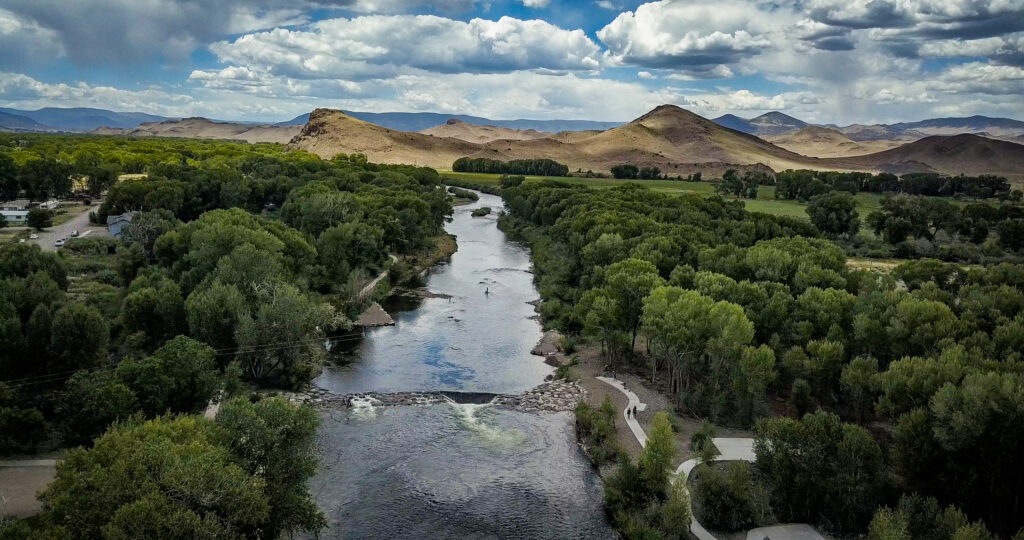
The Rio Grande Corridor Restoration Project at the Alamosa National Wildlife Refuge represents a significant investment in natural infrastructure. By stabilizing banks with rock and native vegetation, engineers have enabled the river to reconnect with its floodplain. This is a critical development; when the river is allowed to access its floodplain during high-flow periods, it naturally slows down, reduces downstream flooding risks, and recharges the surrounding wetlands. The addition of off-channel habitats provides a sanctuary for native fish during low-flow periods, ensuring that even in dry years, the river remains a functioning ecosystem rather than a disappearing trickle.
Official Responses and Stakeholder Perspectives
The consensus among state agencies, federal partners, and local community leaders is that the status quo is untenable. "We are no longer looking for one single ‘silver bullet,’" says a representative from the local irrigation cooperative. "We are looking for a mosaic of solutions."
Federal agencies, including the Department of the Interior and Colorado Parks and Wildlife, have increasingly signaled their support for these "multi-benefit" projects. The philosophy has shifted toward "soft paths" for water management—prioritizing conservation, efficiency, and ecological restoration over the construction of large-scale, high-impact infrastructure.
Critics, however, point to the long-term uncertainty of the climate. Even with these innovations, there is a lingering fear that if the snowpack continues to decline at current rates, even the most efficient conservation methods may only delay the inevitable. The official response from the basin authorities has been to increase the frequency of monitoring and to integrate real-time sensor data into water allocation decisions, ensuring that the community remains agile enough to respond to the next extreme event.
Implications for the American West
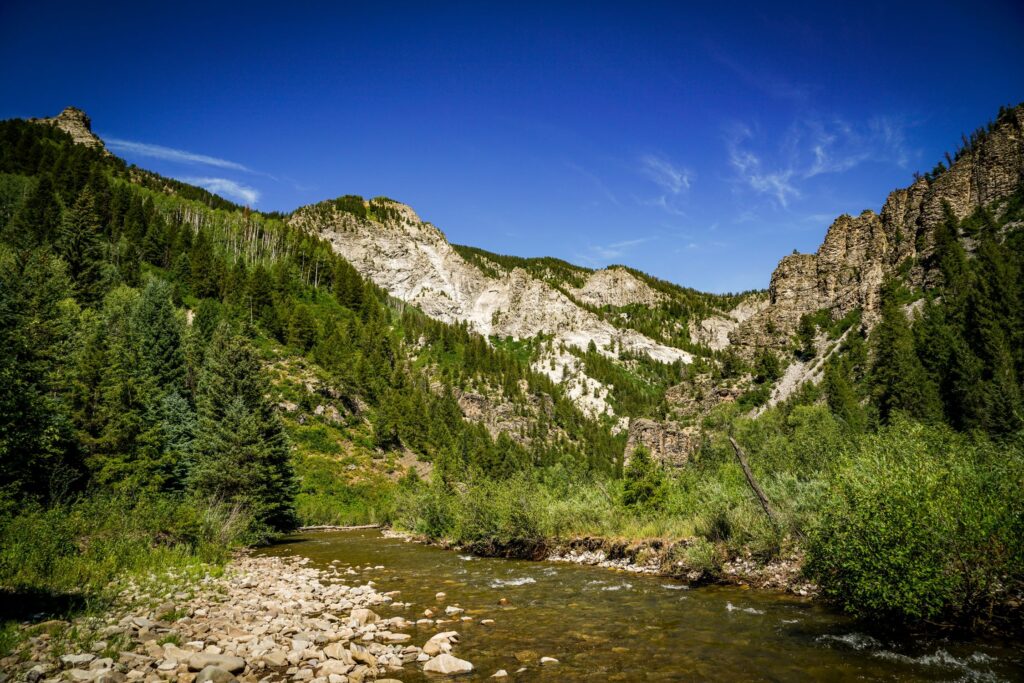
The San Luis Valley is essentially a laboratory for the rest of the Southwest. If these communities can successfully balance the demands of agriculture, the needs of wildlife, and the realities of a shrinking water supply, the model could be replicated in basins from the Colorado River to the Rio Grande’s southern reaches.
The implications are twofold:
- Economic Resilience: The shift toward drought-resilient crops proves that environmental sustainability does not have to come at the cost of economic viability. When a community aligns its agricultural output with its natural water budget, it builds a more resilient local economy.
- Ecosystem Services: By viewing wetlands and river corridors as functional infrastructure, the valley is proving that healthy ecosystems are the most effective tools for water management. Nature, when restored, performs the work of storage and filtration for free.
Conclusion: A Future Written in Ice and Rye
The San Luis Valley is a place of profound beauty, but its future is being written in the cold, hard reality of drought. The efforts underway—from the winter sheet ice of "Frozen Assets" to the agricultural transformation of "Rye Resurgence"—are testaments to human ingenuity in the face of environmental scarcity.
There is no guarantee that these measures will be sufficient to overcome the climate trajectory of the 21st century. Yet, there is something profoundly hopeful in the way this community has organized. By moving away from competitive, zero-sum water usage and toward collaborative, landscape-scale management, they are demonstrating that the lifeblood of the Southwest—its rivers—can be protected. As the world watches, the San Luis Valley stands as a sentinel of change, proving that with enough innovation, cooperation, and respect for the natural cycle, even a thirsty landscape can find a path to endurance.