By Justin Hayes
May 29, 2026
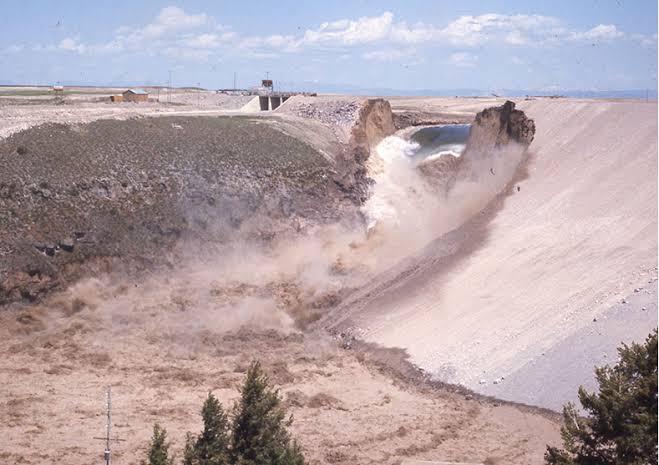
For the residents of eastern Idaho, the Teton River is more than just a waterway; it is a living symbol of resilience, tragedy, and the quiet power of human collaboration. On June 5, 1976, the world watched in horror as the newly constructed Teton Dam suffered a catastrophic structural failure, releasing a wall of water that scoured the valley floor, decimated communities, and reshaped the landscape forever.
Half a century later, the memory of that day remains etched in the regional consciousness. However, the story of the Teton has evolved. While the dam’s failure is often remembered as a monumental engineering disaster, it inadvertently granted the river a "second chance"—a rare opportunity for a landscape to heal, breathe, and reclaim its natural rhythm. Today, the Teton River stands as the only major waterway in eastern Idaho without a large dam or reservoir system, serving as a vital laboratory for modern, collaborative conservation.
The Chronology of a Catastrophe and a Resurrection
To understand the stakes of today’s water debates, one must look back at the timeline of the Teton Dam project.
- 1970–1975: Construction of the Teton Dam, a 305-foot-high earth-fill embankment, proceeds under the Bureau of Reclamation. The project is intended to provide irrigation water for agriculture and flood control.
- June 5, 1976: During the initial filling of the reservoir, the dam suffers a massive breach. The failure releases approximately 80 billion gallons of water, resulting in 11 deaths and hundreds of millions of dollars in property damage.
- 1976–1980s: The federal government debates the feasibility of rebuilding. Public opinion shifts as the environmental costs of the initial reservoir—including the loss of the pristine Teton Canyon—become clearer.
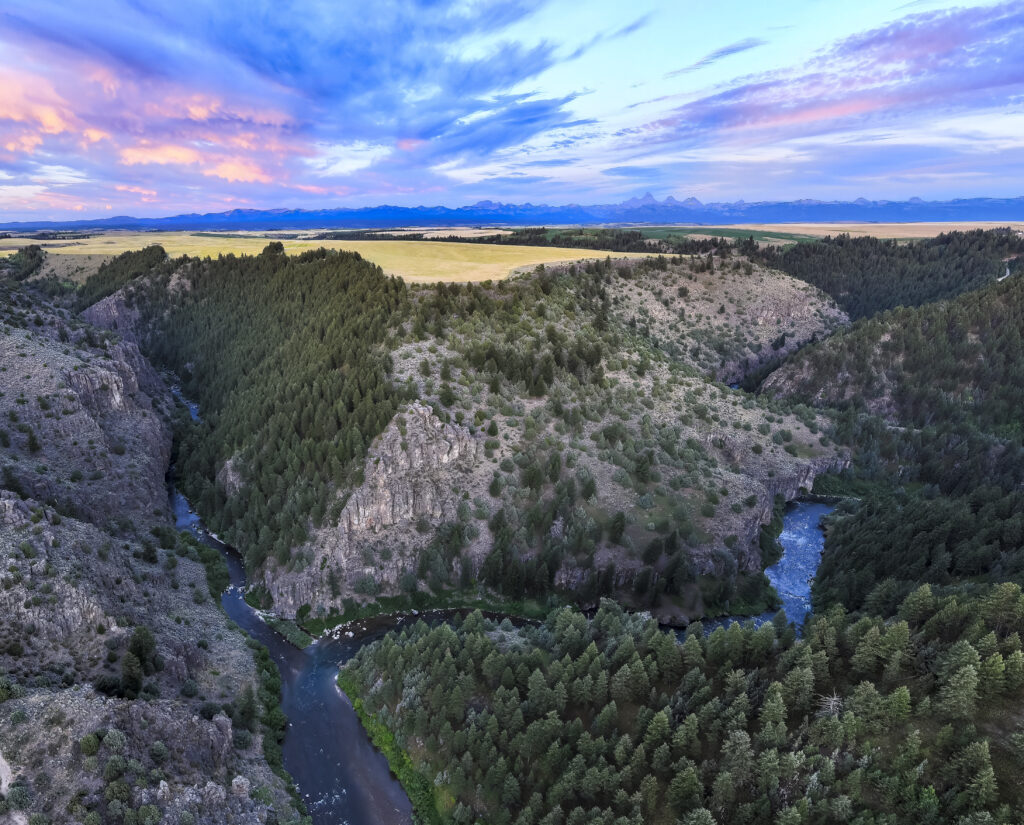
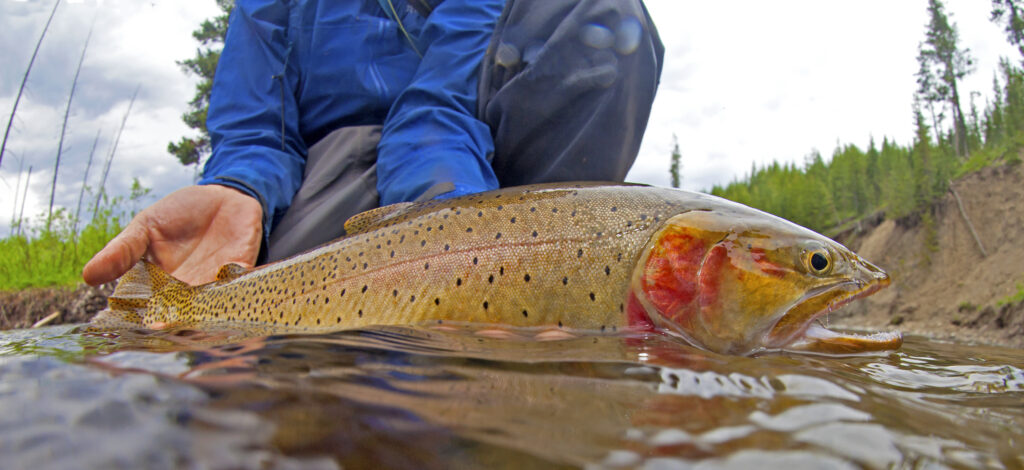
- 1990s–2010s: The river begins a remarkable ecological recovery. The canyon walls, once submerged, flourish with native vegetation, and the river system re-establishes itself as a prime habitat for the Yellowstone cutthroat trout.
- 2020s: With western drought pressures mounting, new proposals emerge to resurrect the dam project. Simultaneously, local stakeholders—farmers, conservationists, and municipalities—develop an alternative model of water management, prioritizing efficiency over massive infrastructure.
Ecological Significance: The Teton Canyon’s Comeback
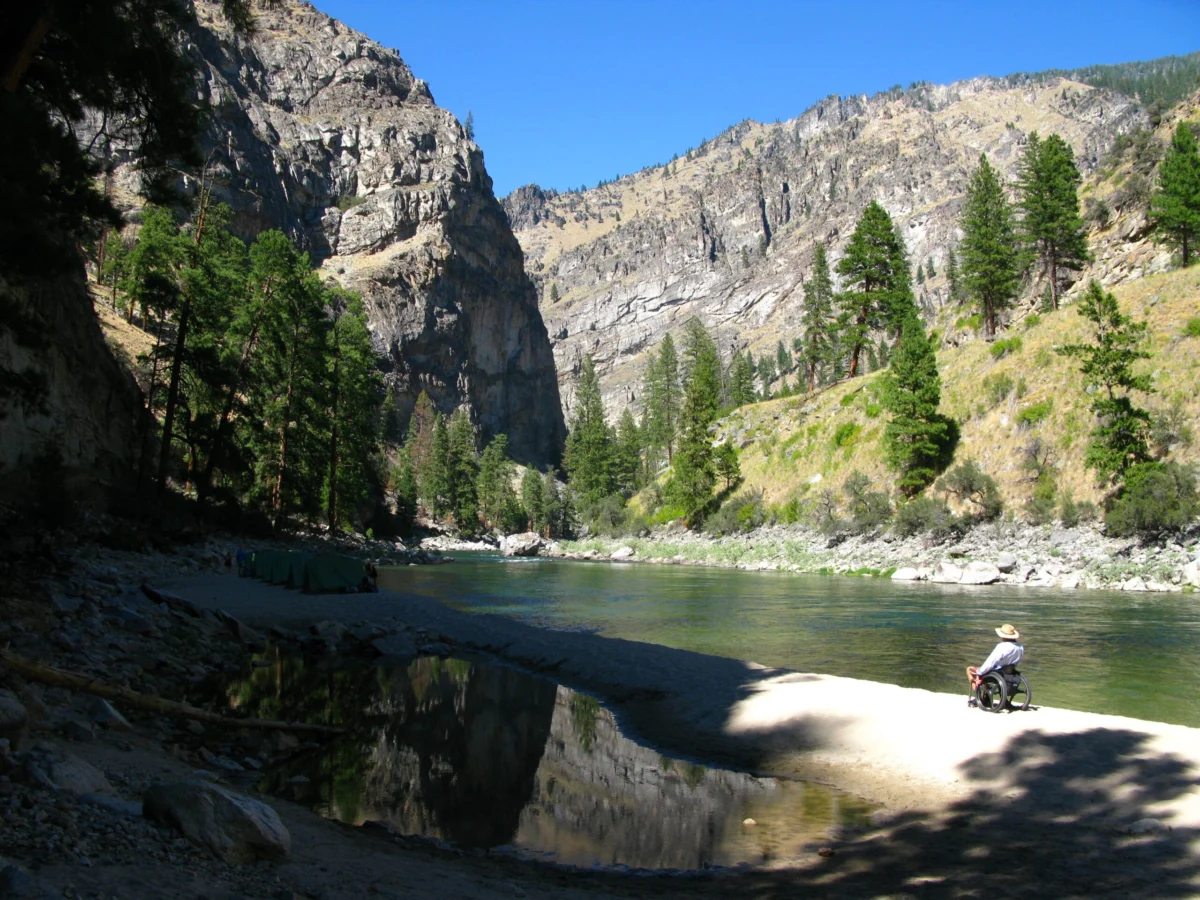
The Teton Canyon is not merely a geographic feature; it is an ecological treasure trove. Before the dam’s failure, the reservoir completely inundated this deep, majestic gorge. Once the waters receded, the river began the slow, painstaking process of restoration.
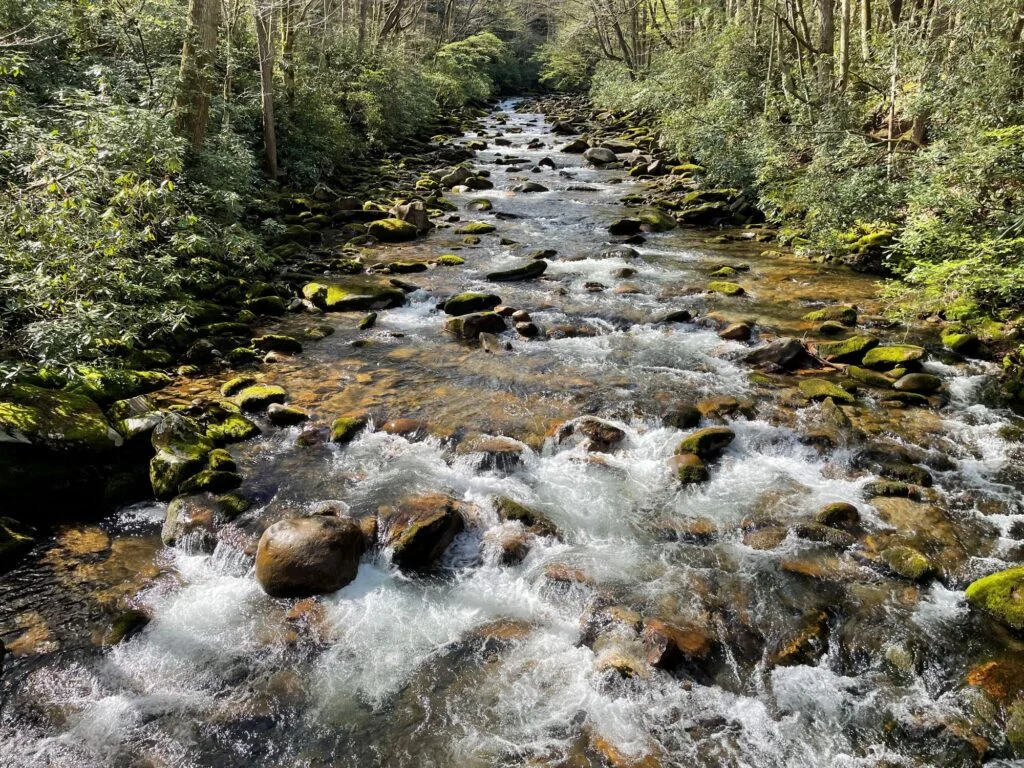
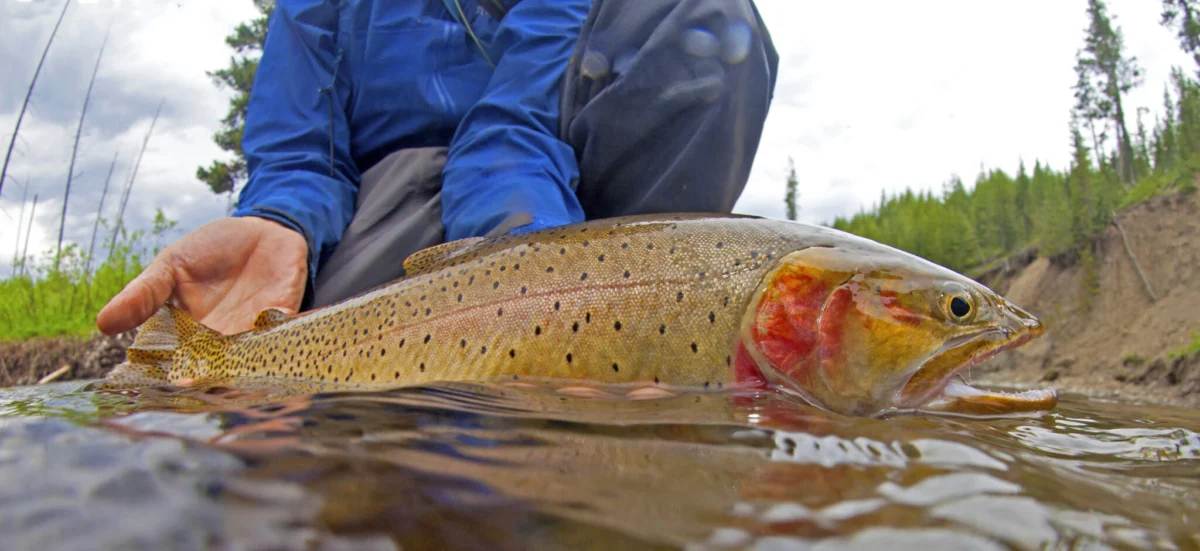
Today, the Teton River acts as a cold-water refuge, essential for the survival of the Yellowstone cutthroat trout. These fish are a keystone species, serving as a bellwether for the health of the entire ecosystem. The river’s current, uninhibited flow allows for natural sediment transport and nutrient cycling, processes that are critical to maintaining the habitat for fish, waterfowl, and the myriad of wildlife that depend on the riparian corridor.
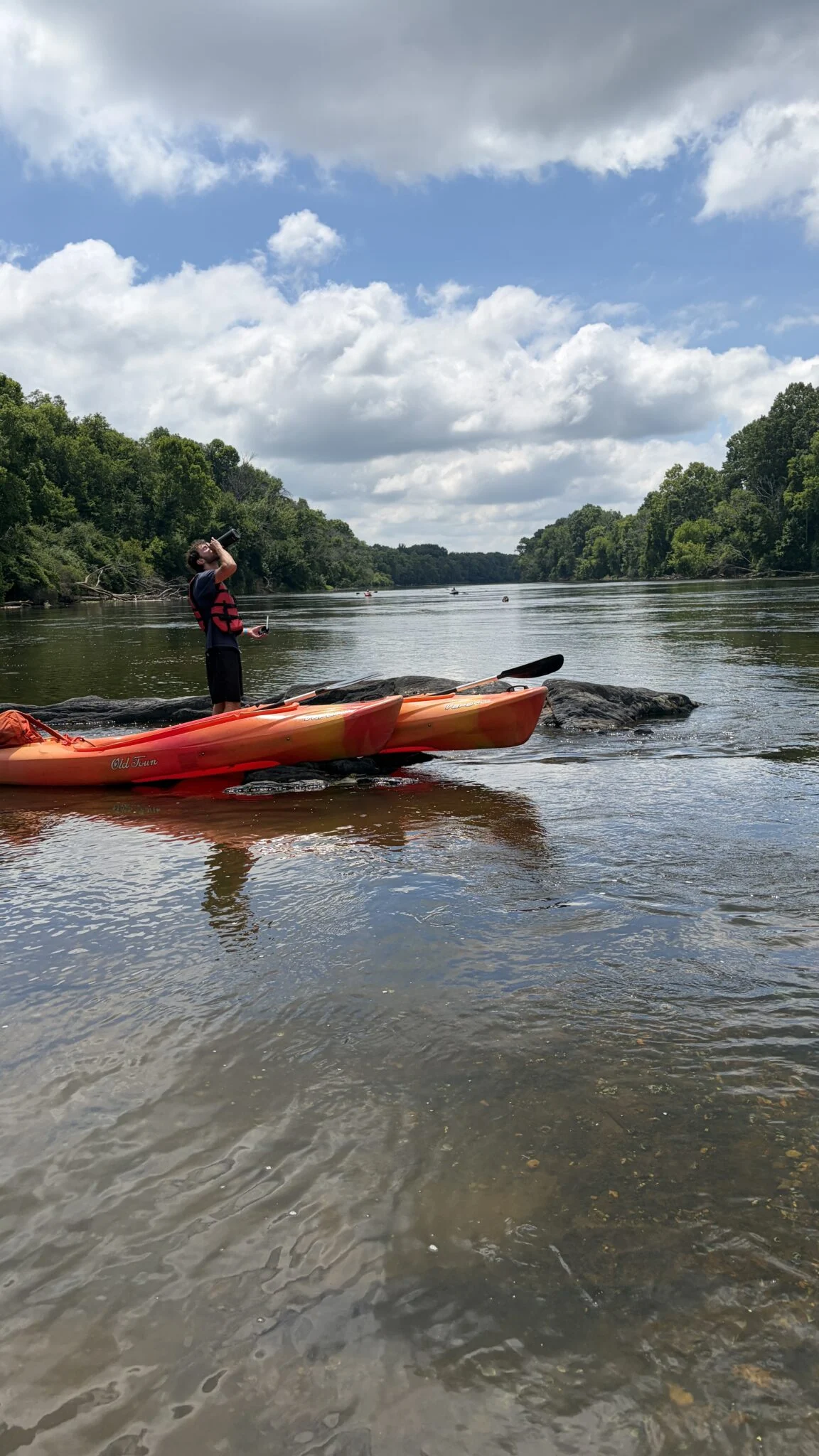
For anglers, hunters, and families, the river has reclaimed its place as the heart of eastern Idaho’s identity. The loss of the dam meant the loss of a potential lake, but it gifted the region a wild, free-flowing river—a commodity that is becoming increasingly rare in the American West.
Supporting Data: The Efficiency Alternative
The primary argument historically used to justify the Teton Dam was the need for reliable agricultural water supplies. However, contemporary data suggests that massive dam projects are not the only, nor necessarily the most efficient, way to achieve this.
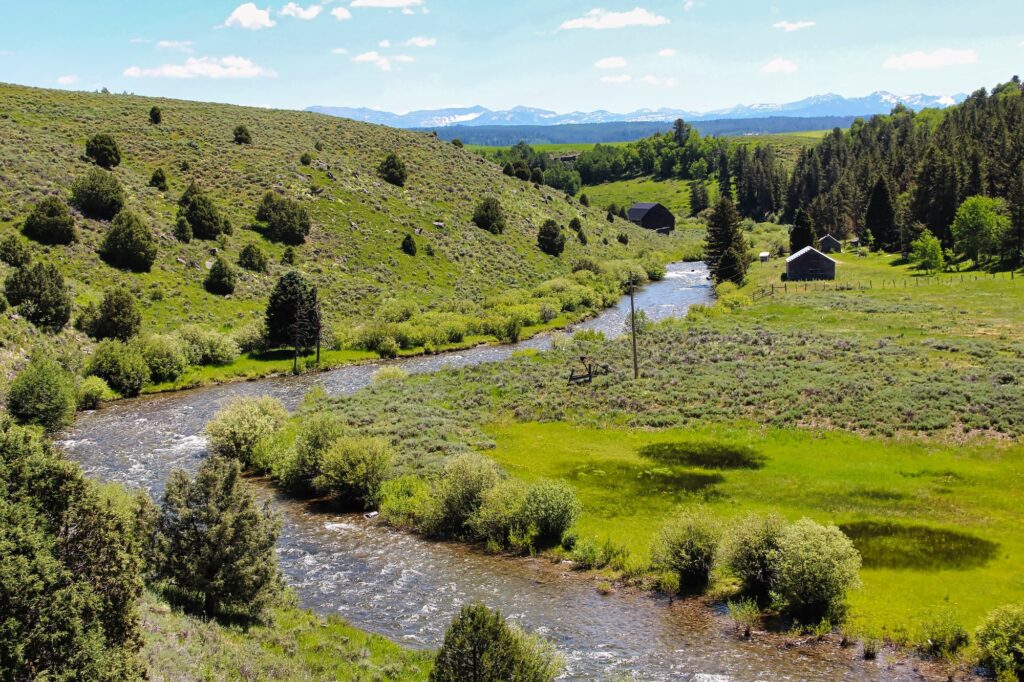
In the Teton Valley, a new paradigm has emerged. Collaborative efforts between organizations like Friends of the Teton River and the Idaho chapter of Trout Unlimited have demonstrated that agricultural water needs can be met through:
- Irrigation Efficiency Upgrades: Replacing leaky, unlined canals with modernized infrastructure reduces water waste, keeping more flow in the river during peak demand months.
- Water Leasing and Banking: Establishing voluntary, market-based programs that allow water to be moved to where it is needed most without requiring new impoundments.
- Groundwater Management: Improving the recharge of local aquifers to provide a buffer during dry years, effectively creating "underground reservoirs" that do not require the surface destruction associated with dams.
These strategies provide "certainty" to farmers while simultaneously protecting the river’s health. This dual-benefit approach proves that the false dichotomy between "water for people" and "water for the environment" is a relic of the past.
Official Perspectives: The Case Against Rebuilding
The current push by some downstream interests to rebuild the Teton Dam has met with significant resistance from those who recognize the long-term value of the restored river. Scott Bosse, Director of American Rivers’ Northern Rockies Region, has been a vocal advocate for maintaining the status quo.
"What is happening in the Teton River Valley, where conservationists and farmers and irrigators are coming together with innovative solutions, is a model for the entire West," Bosse notes in the documentary Second Chance. "We are meeting human needs without building big dams. We are not just protecting the river; we are restoring it. It is a unique culture of stewardship that I would like to see replicated in every river basin in the country."
Critics of the rebuilding proposal argue that it ignores the lessons of the last 50 years. A new dam would not only flood the canyon again, erasing decades of natural recovery, but would also saddle future generations with the environmental and financial costs of maintenance and the potential for future structural failures in a seismically active region.
Implications for Western Water Policy
The Teton River serves as a microcosm of a broader national debate. As climate change increases the variability of water supplies, the temptation to revert to "20th-century solutions"—specifically, building more dams—is strong. However, the Teton experience suggests that the future of water management lies in collaborative resilience.
The "Second Chance" Framework:
- Institutional Cooperation: Bridging the gap between agricultural users and environmental groups is essential. When farmers and conservationists sit at the same table, the solutions are more durable.
- Infrastructure Innovation: Investing in small-scale, decentralized technology is often more cost-effective and environmentally sustainable than mega-projects.
- Valuing Free-Flowing Rivers: We must recognize the economic and intrinsic value of wild rivers as "natural capital" that supports recreation, tourism, and biodiversity.
If the Teton Dam were to be rebuilt, it would send a message that the progress made over the last half-century—the restoration of the canyon, the recovery of native fish, and the maturation of a collaborative community—was ultimately expendable. Conversely, by choosing to protect the river, we affirm that we are capable of learning from our mistakes and that we have the maturity to manage our resources in harmony with the natural world.
Conclusion: A Call to Stewardship
The history of the Teton River is a story of a second chance. After the catastrophe of 1976, the river was given the space to recover, and the people of the region were given the time to develop a new way of living with that water.
As Scott Bosse eloquently stated: "That river almost died in 1976. It’s had a resurrection. You don’t get many second chances in life, and you’ve got to seize them when you do."
The choice before us is clear. We can either pursue outdated projects that threaten to repeat the mistakes of the past, or we can commit to the hard, rewarding work of protecting the river that has already proven its resilience. Preserving the Teton is not just an environmental imperative; it is an act of legacy, ensuring that the next generation inherits a vibrant, flowing river rather than a concrete-bound memory.
For those interested in supporting this effort, participating in the Fishcamp Collab for Conservation is an opportunity to learn more about the river’s future and join a growing movement dedicated to the protection of one of the Northern Rockies’ most cherished landscapes. The Teton River got a second chance; let’s make sure we don’t squander it.