Introduction
Italy stands at a pivotal juncture in its energy transition. As the European Union accelerates its "Fit for 55" legislative package, Italy is under immense pressure to decarbonize its power generation mix, reduce dependence on imported natural gas, and meet ambitious climate neutrality targets by 2050. Central to this mission is the expansion of the country’s solar photovoltaic (PV) capacity. While the Italian peninsula possesses some of the highest solar irradiation levels in Europe, the path to massive utility-scale deployment is fraught with administrative complexity, grid capacity constraints, and shifting regulatory landscapes.
This analysis examines the current state of the Italian solar sector, the chronological evolution of its policy environment, and the structural implications for investors and policymakers alike.
Main Facts: The Current Landscape of Italian Solar
Italy’s solar sector is currently defined by a "bottleneck paradox." Despite having a pipeline of gigawatt-scale projects ready for construction, actual deployment rates often fall short of the annual targets required to meet the National Integrated Energy and Climate Plan (PNIEC).
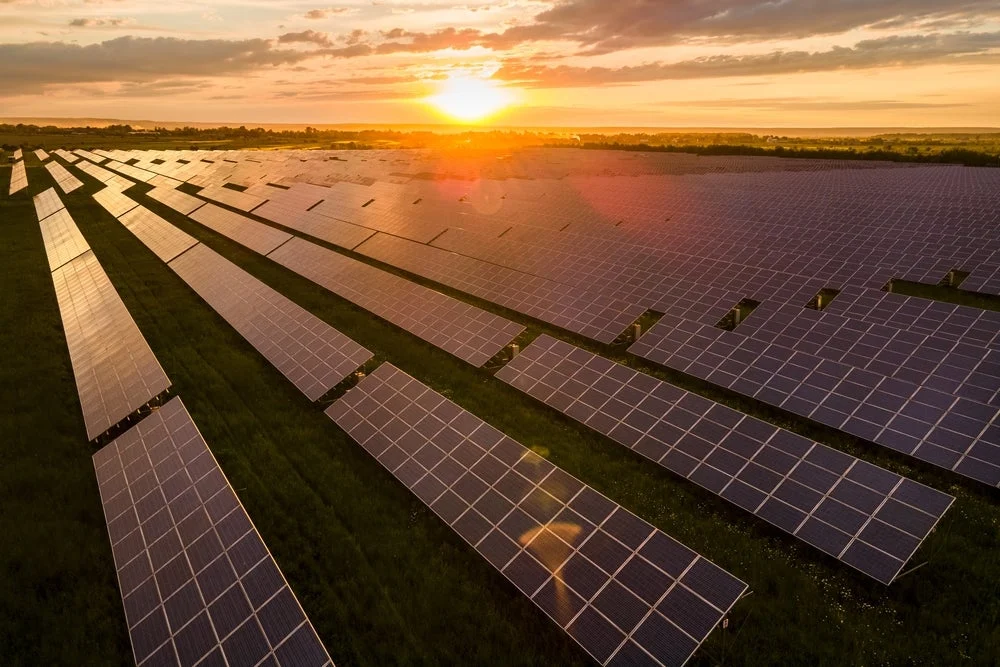
- Installed Capacity: Italy currently boasts over 25 GW of installed solar capacity, with a strong emphasis on distributed residential and commercial rooftop systems.
- The Target Gap: To align with EU-wide REPowerEU objectives, Italy must aim to install roughly 8–10 GW of new renewable capacity annually, of which solar represents the largest share.
- The Permitting Challenge: While the Italian government has introduced "fast-track" permitting processes (the VIA – Valutazione di Impatto Ambientale), administrative hurdles at the regional level remain the primary obstacle for utility-scale developers.
- Market Dynamics: The Italian power market (GME) is characterized by high price volatility, which has historically made long-term Power Purchase Agreements (PPAs) the preferred mechanism for de-risking large-scale solar investments.
Chronology: The Evolution of Italy’s Solar Policy
The history of Italian solar is a tale of rapid growth, sudden policy contraction, and a recent, cautious revitalization.
2005–2013: The "Conto Energia" Era
Italy’s solar boom began with the Conto Energia feed-in tariff schemes. These generous subsidies triggered an unprecedented surge in installations, peaking around 2011–2012. However, the subsequent removal of these incentives left a "solar hangover," where the market stagnated for nearly a decade as the focus shifted toward grid management and the integration of legacy systems.
2019–2021: The PNIEC Framework
The adoption of the National Integrated Energy and Climate Plan (PNIEC) set the stage for a post-subsidy market. The government signaled a transition toward competitive auctions and market-parity projects. However, the bureaucracy associated with land use—particularly regarding agricultural land—remained a significant deterrent.
2022–2024: The Energy Security Pivot
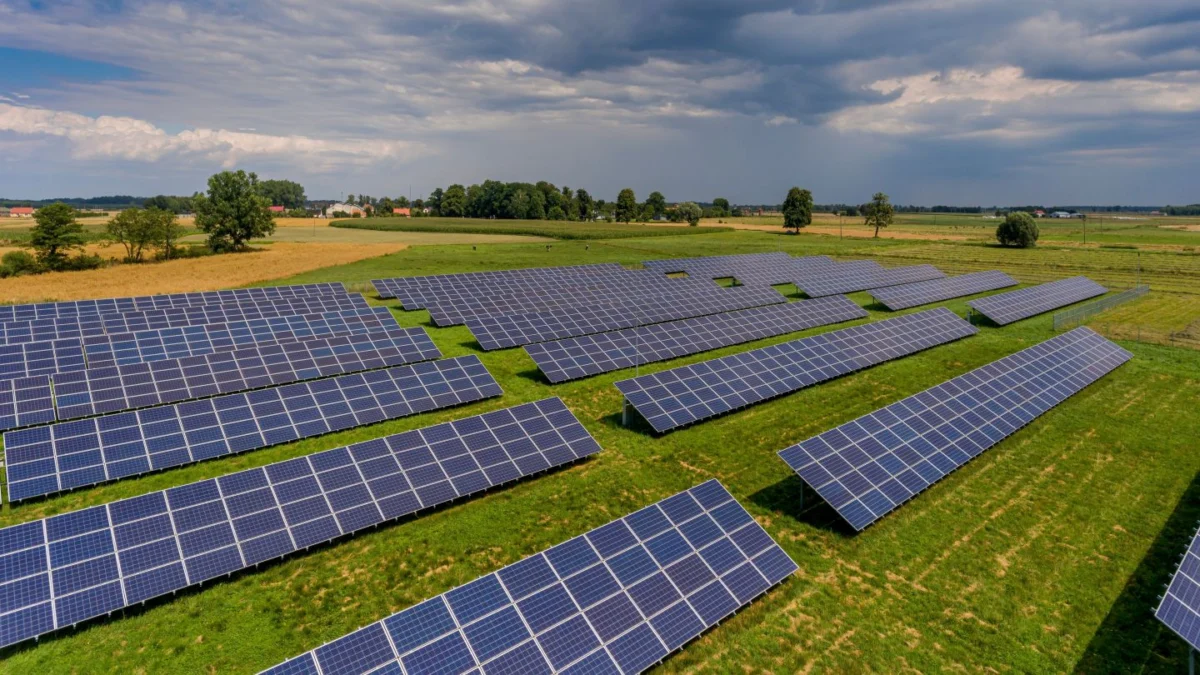
The geopolitical crisis following the invasion of Ukraine fundamentally altered the urgency of Italy’s solar agenda. The Draghi and Meloni administrations have enacted successive "Decreto Energia" (Energy Decrees) designed to streamline the environmental impact assessment process. The focus has moved toward "Agrivoltaics"—the integration of solar panels with agricultural production—as a strategic compromise to appease land-use concerns.
Supporting Data: Capacity and Grid Constraints
Statistical analysis from grid operator Terna and the GSE (Gestore dei Servizi Energetici) reveals the tension between aspiration and implementation.
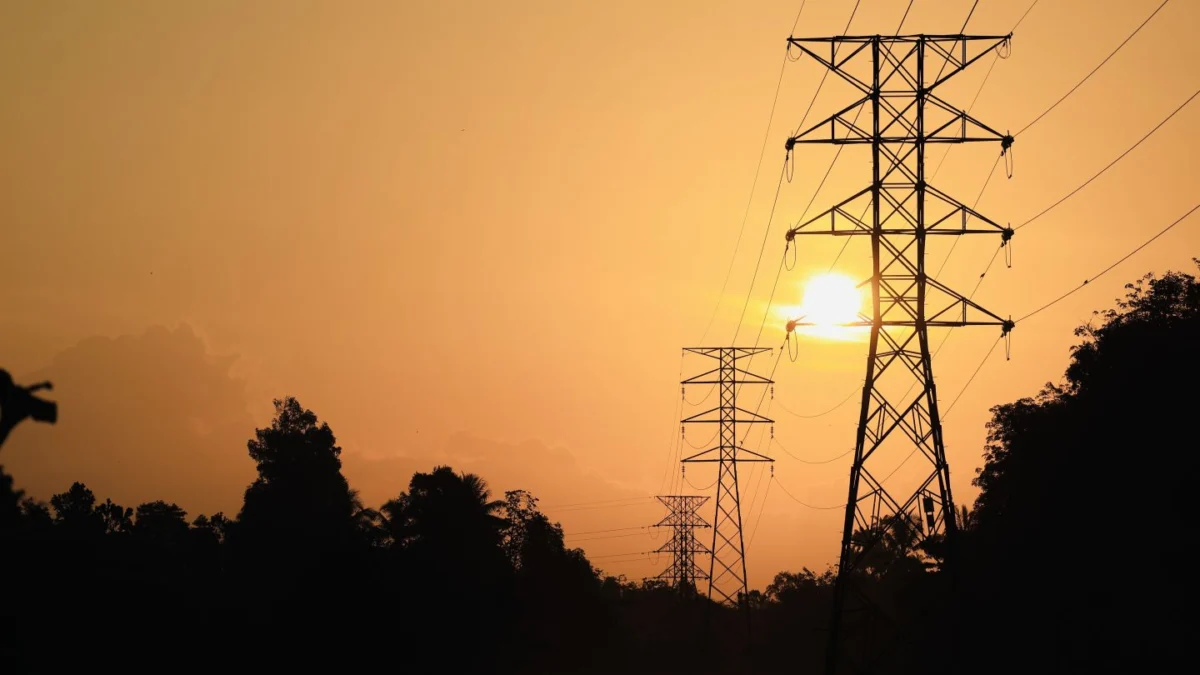
- Grid Congestion: The Southern regions of Italy (Puglia, Sicily, and Calabria) offer the best irradiation but suffer from significant grid congestion. Terna has announced a multi-billion euro investment plan—including the Tyrrhenian Link—to connect these islands and southern hubs to the industrial north, yet these projects take years to complete.
- Curtailment Risks: As more intermittent solar power is injected into the grid, the risk of "curtailment" (where grid operators force solar plants to shut down because the grid cannot absorb the power) increases. Data from 2023 indicates a rise in negative pricing events during peak production hours, posing a challenge to the revenue models of unhedged solar assets.
- Storage Requirements: The integration of Battery Energy Storage Systems (BESS) is no longer optional. Italy’s latest capacity market auctions have begun to incentivize long-duration storage, with the government aiming for a significant increase in storage capacity to balance the diurnal nature of solar generation.
Official Responses and Regulatory Shifts
The Italian Ministry of Environment and Energy Security (MASE) has been under intense pressure from industry associations like Elettra and Italia Solare to provide a clearer regulatory roadmap.
The official government stance, reflected in the latest draft of the updated PNIEC, emphasizes a technology-neutral approach while acknowledging that solar will provide the lion’s share of new capacity. The government’s recent "Simplification Decrees" have sought to delegate more power to the national Ministry, bypassing regional blocks that have historically vetoed solar projects on the grounds of landscape preservation.
However, the "Landscape Constraint" remains a hot-button issue. Italy’s Ministry of Culture often holds conflicting views with the Energy Ministry, prioritizing the preservation of historic and aesthetic vistas over the rapid installation of PV modules. The government is currently working on a "Suitability Decree" (Decreto Aree Idonee) that aims to define exactly which lands are appropriate for solar, providing developers with a legal "safe harbor" to avoid litigation.
Implications: What This Means for the Future
For Investors
The Italian market is shifting from a subsidy-driven environment to a merchant-risk and PPA-driven market. Investors who prioritize projects with strong grid-connection agreements and proximity to industrial demand centers will likely outperform. The "Agrivoltaic" segment represents a high-growth niche, as it aligns with EU-level sustainability criteria and is more likely to receive local permitting approval.

For the Energy Grid
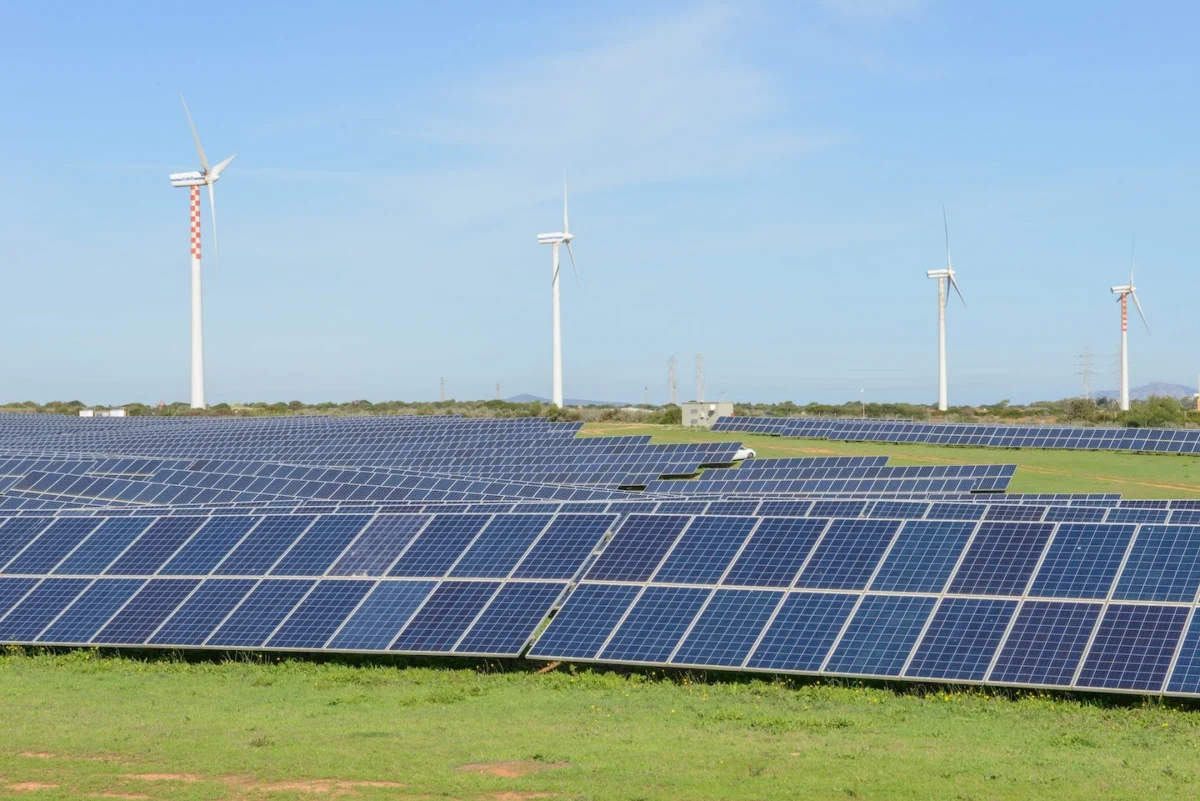
The integration of solar requires a paradigm shift in how Terna manages the grid. We are moving from a centralized, fossil-fuel-dependent model to a decentralized, digitalized grid. The role of smart meters, AI-driven demand response, and utility-scale storage will become the defining characteristics of the next decade.
For the Consumer
While solar is the cheapest form of electricity generation, the high cost of grid upgrades and storage integration will inevitably impact the "system costs" passed down to consumers. However, the long-term benefit of reduced exposure to volatile global gas prices provides a compelling hedge against future energy poverty.
Conclusion
Italy’s journey to becoming a solar superpower is not a technological problem; it is a structural and political one. The nation possesses the resources and the industry appetite to meet its climate targets. Success, however, depends on the government’s ability to synchronize the requirements of the Energy Ministry with the environmental mandates of the Culture Ministry, while simultaneously modernizing the transmission infrastructure.
As we look toward 2030, the Italian solar sector is poised for a significant scaling event. Whether this results in a harmonized, resilient energy system or a fragmented collection of stalled projects will depend on the effectiveness of the upcoming "Aree Idonee" regulatory framework. Investors and industry stakeholders should remain vigilant, focusing on grid-connected or near-grid-connected assets while hedging against the persistent regulatory uncertainty that continues to define the Mediterranean energy landscape.
Summary of Key Performance Indicators (KPIs)
- 2024–2030 Growth Forecast: Estimated 8% CAGR in installed PV capacity.
- Top Growth Regions: Puglia, Sicily, Sardinia, and the Po Valley.
- Primary Risk Factor: Regulatory and administrative delays in permitting (Permitting-to-COD time remains high at 3–5 years).
- Key Opportunity: Co-location of solar with battery storage and green hydrogen production for heavy industry.
By prioritizing transparency in land-use classification and accelerating the deployment of grid-balancing infrastructure, Italy can transform its solar potential into a foundational pillar of its economic and energy sovereignty. The path forward is complex, but the momentum behind the Italian energy transition is now, for the first time in a decade, effectively irreversible.