Executive Summary: Engineering Excellence in Challenging Terrains
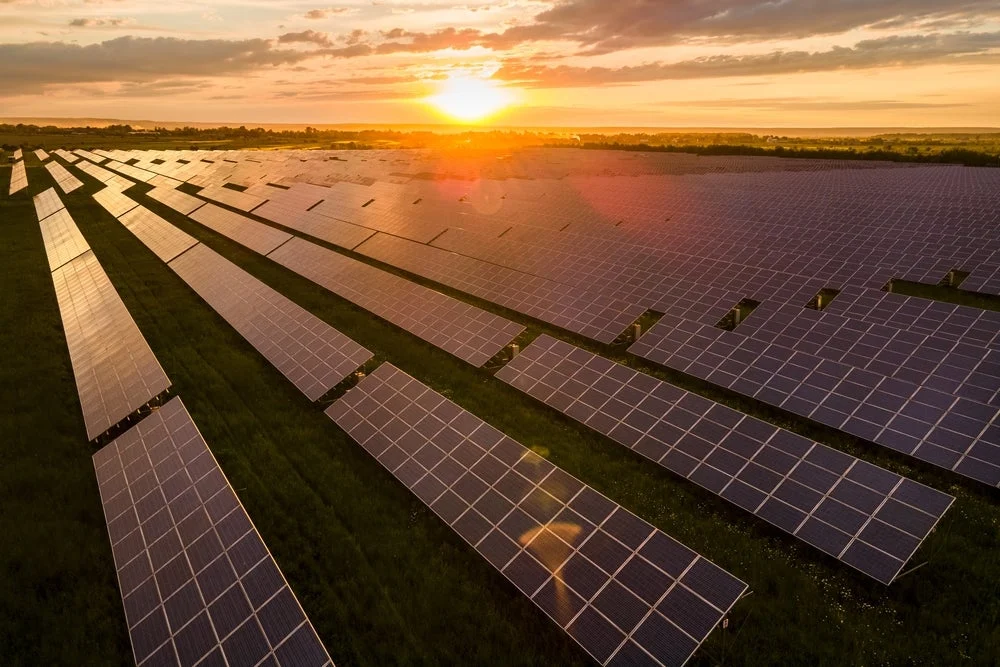
Arctech, a global leader in solar tracking and racking solutions, has solidified its footprint in the Central Asian renewable energy sector by securing contracts for 425MW of new utility-scale solar capacity. The deal encompasses a 100MW project in Kazakhstan and a 325MW installation in Kyrgyzstan. Both projects are notable for their deployment of the company’s flagship SkyLine II solar tracking system, a technology specifically selected for its resilience against the region’s notoriously complex geological and climatic conditions.
These projects represent a significant milestone in Arctech’s regional strategy, which focuses on providing bespoke engineering solutions for sites plagued by frost-heave, uneven topography, and rocky soil compositions. With over 3.5GW of cumulative capacity now delivered across Central Asia, Arctech is positioning itself as a vital partner for nations looking to transition away from fossil-fuel dependence toward a sustainable energy matrix.
Chronology of Regional Expansion
Arctech’s entry and subsequent dominance in the Central Asian market did not happen overnight; it is the result of a deliberate, multi-year strategy focused on localized engineering and supply chain resilience.
- Early Market Entry: Arctech identified Central Asia as a high-growth region early in its international expansion phase, recognizing that the vast, sun-drenched plains of the steppe provided an ideal landscape for utility-scale photovoltaic (PV) generation.
- The 3.5GW Milestone: Over the past several years, the company has systematically scaled its operations. To date, it has successfully commissioned over 700MW of capacity in Kyrgyzstan and more than 900MW in Kazakhstan, effectively setting the standard for tracker performance in high-latitude, cold-climate environments.
- Strategic Diversification: While these recent 425MW contracts represent the latest achievement, they build upon a foundation of projects across the UAE and beyond, such as the January 2025 agreement to supply 1.5GW of SkyLine II trackers to PowerChina for the Al Ajban solar PV project. This global experience has allowed Arctech to refine its product offerings to withstand extreme environmental stressors.
Technical Analysis: Navigating Complex Geological Landscapes
The success of these latest projects rests on Arctech’s ability to move beyond "off-the-shelf" solutions. In Central Asia, the ground is not merely a foundation; it is a dynamic variable that can threaten the structural integrity of a solar array.
Engineering for Frost-Heave and Topography
Both the Kyrgyzstan and Kazakhstan sites are prone to "frost-heave"—a process where soil expands and contracts due to the freezing and thawing of groundwater. This movement can tilt, buckle, or even collapse standard tracking systems.
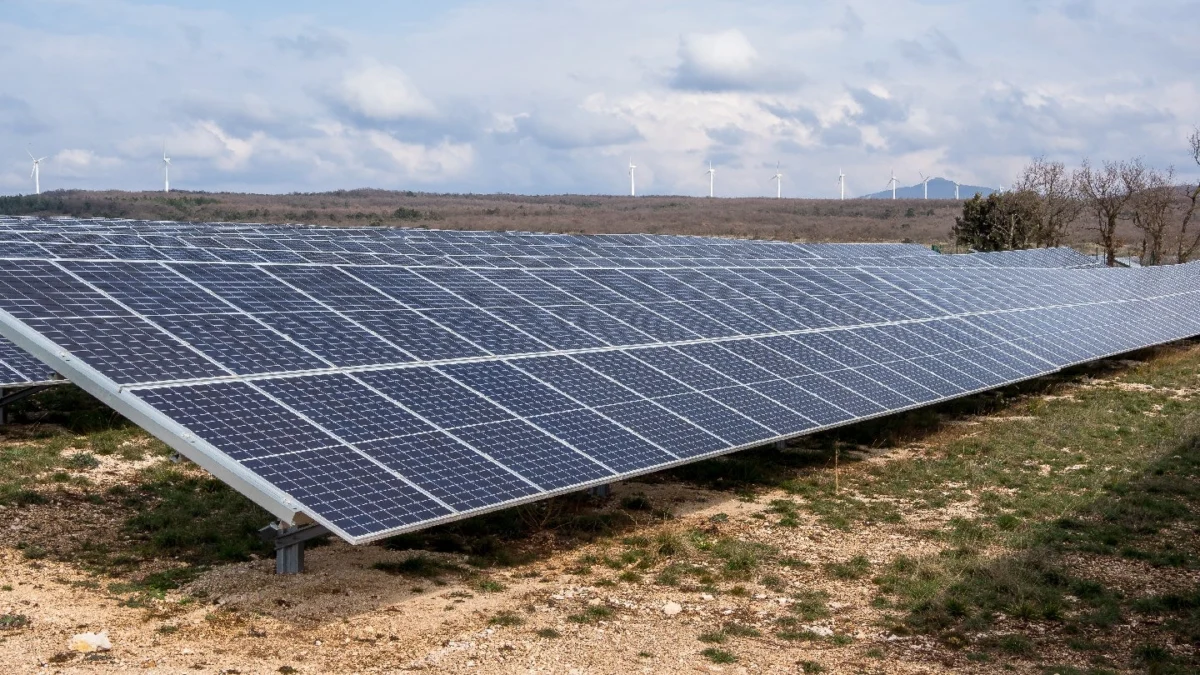
- Customized Foundations: For the 325MW Kyrgyzstan project, Arctech engineers developed a proprietary foundation solution specifically designed to anchor the SkyLine II trackers into rocky, gravel-rich soil that is susceptible to seasonal shifts. By performing rigorous geotechnical site analysis, the team ensured that the structural piles would remain stable despite the subterranean movement caused by thermal fluctuations.
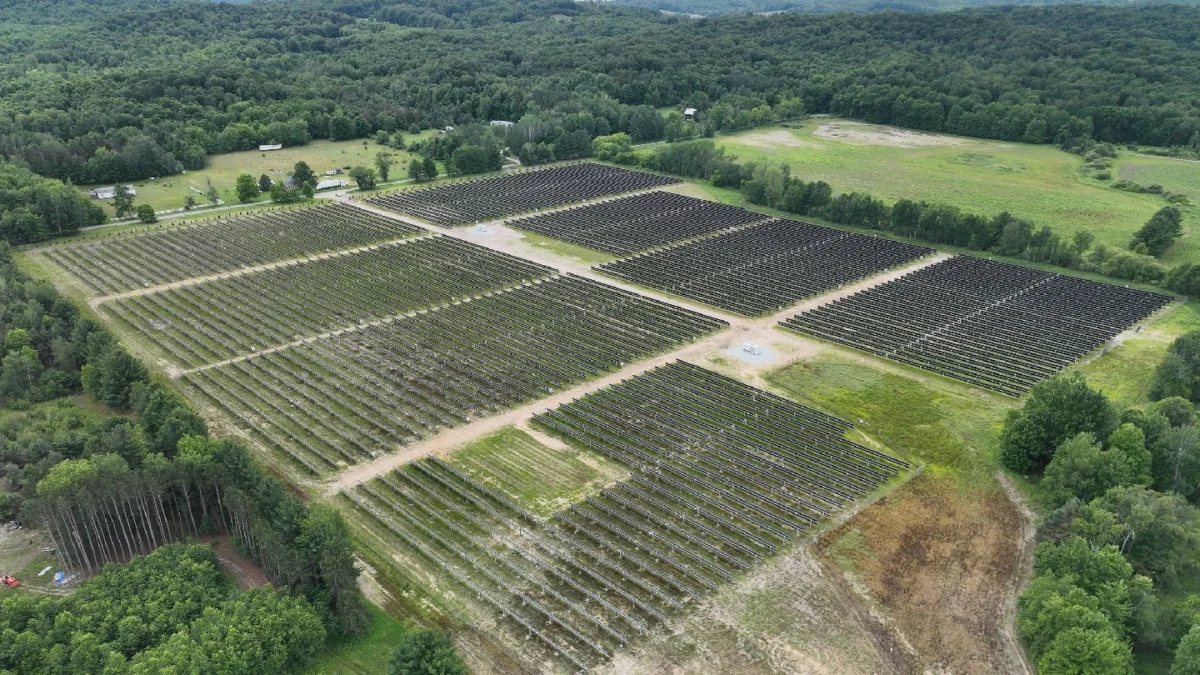
- Terrain-Adaptive Tracking: The SkyLine II design features a unique structure that allows for higher degrees of freedom in terms of slope tolerance. This is critical for sites with uneven topography, where "cut and fill" grading (the practice of leveling the land) would be prohibitively expensive and environmentally damaging. The trackers allow for a "follow-the-terrain" installation, reducing the need for extensive site preparation.
Engineering Optimization and Integration
In the Kazakhstan 100MW project, Arctech employed advanced engineering verification processes. This involved sophisticated computer modeling to simulate the interaction between the tracker’s drive system and the soil-foundation interface. By optimizing the torque and structural load distribution, Arctech ensured that the solar arrays remain operational even under the stress of high wind loads and soil instability.
Supporting Data: Scaling the Central Asian Energy Transition
The following data points highlight the scale of Arctech’s impact on the regional energy transition:
- Total Regional Capacity: 3.5GW+ of tracking and mounting systems.
- Recent Contract Breakdown:
- Kazakhstan: 100MW (Focus: Soil stability and geological optimization).
- Kyrgyzstan: 325MW (Focus: Frost-heave mitigation and complex topography management).
- Performance Metrics: The SkyLine II tracker is engineered for high-wind stability, a crucial requirement for the open, wind-swept landscapes of the Central Asian steppe.
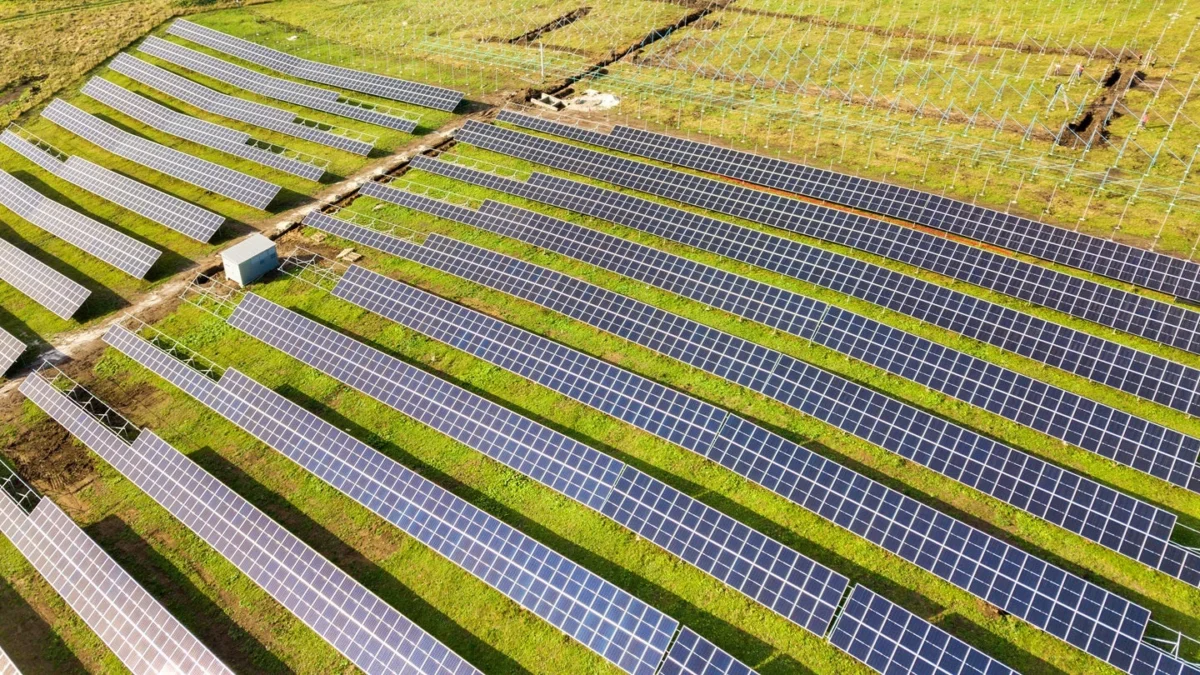
- Supply Chain Efficiency: Through extensive pre-assembly and optimized logistics, Arctech has managed to shorten installation timelines, even in remote regions where construction support infrastructure is limited.
Official Perspective and Market Outlook
Arctech’s leadership has emphasized that these projects are not merely business transactions but collaborative efforts to meet the long-term clean energy goals of Central Asian nations.
"We are committed to developing our local expertise and working closely with our regional partners to overcome the specific technical challenges inherent in this environment," a company spokesperson noted. The focus remains on "location-specific engineering solutions" that empower project developers to move forward in areas that were previously considered "unbuildable" due to soil conditions.
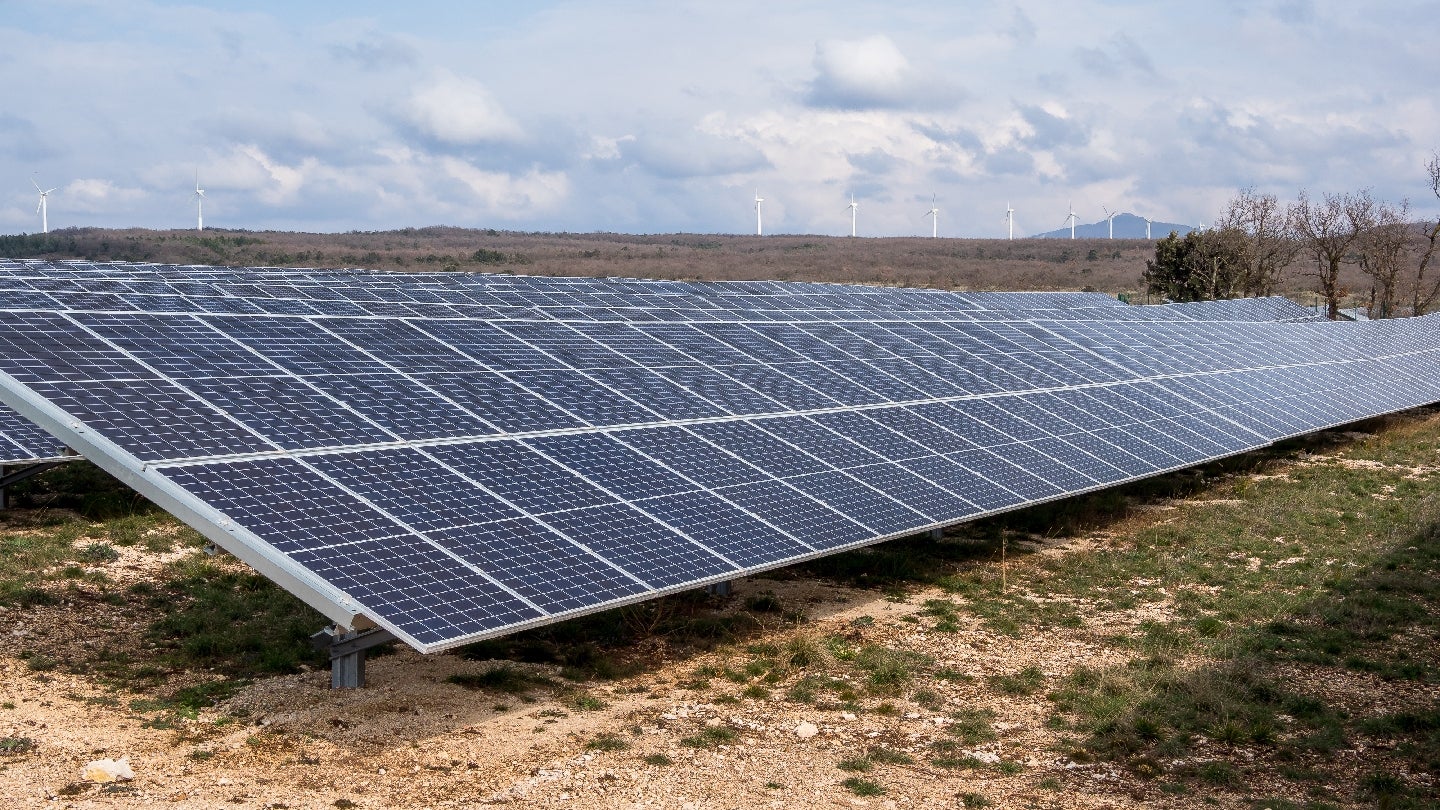
Market analysts observe that the demand for utility-scale solar in this region is accelerating. Central Asian governments are under increasing pressure to modernize their power grids and reduce carbon footprints. As these nations invest heavily in renewable energy, the availability of specialized solar infrastructure providers like Arctech—those capable of handling the harsh realities of the local climate—becomes the linchpin for successful project completion.
Strategic Implications: The Future of Renewable Infrastructure
The deployment of these 425MW of capacity holds several implications for the future of the renewable energy sector:
1. Setting a New Standard for "Difficult" Sites
Arctech is effectively proving that solar energy is not limited to flat, temperate regions. By demonstrating that tracking technology can be adapted to thrive in frost-prone, rocky, and uneven terrain, the company is opening up vast new tracts of land for renewable development that were previously dismissed by developers.
2. The Rise of "Engineering-Led" Supply
The industry is shifting away from simple hardware manufacturing toward a model of "consultative supply." Developers are increasingly looking for partners who provide deep-dive geotechnical analysis and site-specific engineering as part of the package. Arctech’s success confirms that the value add lies in the engineering, not just the steel.
3. Energy Security in Central Asia
For nations like Kyrgyzstan and Kazakhstan, which have historically relied on a mix of legacy fossil fuel plants and hydropower, these solar projects represent a critical diversification of the energy mix. By integrating reliable, high-efficiency solar trackers, these countries can better manage their energy output, even during periods of low water flow (which impacts hydropower) or seasonal fluctuations in demand.
4. Global Scalability of Lessons Learned
The lessons learned in the frozen soils of Central Asia are directly applicable to other markets. Whether it is the permafrost regions of Northern Canada or the rocky, uneven hills of the Andes, the techniques developed by Arctech to anchor and align solar trackers in hostile environments provide a blueprint for global solar expansion.
Conclusion: A Path Toward Sustainable Growth
Arctech’s latest contracts in Kazakhstan and Kyrgyzstan underscore a pivotal moment for solar energy in Central Asia. By successfully navigating the technical hurdles of frost-heave and complex topography, the company has proven that sophisticated engineering can unlock the vast renewable potential of the region.
As the company continues to build out its 3.5GW-plus portfolio, the focus will likely remain on integrating smart, adaptive technology with localized construction strategies. For the region, this represents more than just a series of solar farms—it represents a fundamental shift in how energy infrastructure is planned, built, and maintained, ensuring that the transition to clean power is both efficient and enduring. With global expertise and a proven track record in the world’s most demanding environments, Arctech is poised to remain at the forefront of the global energy transition for years to come.