Greenland’s majestic icy landscapes have long captivated adventurers, but a recent expedition, documented through the lens of a remarkable sea kayaking journey, offers a fresh perspective on human interaction with this fragile Arctic environment. The expedition, led by kayaker nveillard and filmed in collaboration with greenland_backcountry, showcases the profound beauty and stark realities of navigating through brash ice, highlighting both the raw power of nature and the ingenuity of human design in facilitating low-impact exploration.
This article delves into the significance of this expedition, exploring the technical prowess of the folding kayak, the environmental context of Greenland’s ice formations, and the broader implications for sustainable adventure tourism and conservation efforts in the rapidly changing Arctic.
The Arctic Symphony: Navigating Greenland’s Brash Ice
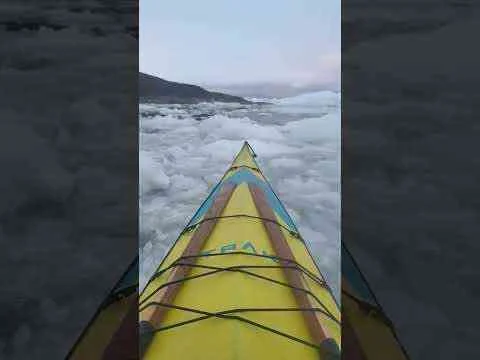
The footage, recently shared and gaining traction for its unique perspective, depicts a solitary kayaker, nveillard, expertly maneuvering a folding sea kayak through a chaotic, yet mesmerizing, expanse of brash ice. Brash ice, characterized by its fragmented and often rapidly moving nature, presents a formidable challenge for any watercraft. The visual narrative emphasizes the absence of engine noise, replaced by the subtle sounds of paddles dipping into frigid water and the gentle groaning and cracking of ice floes. This sensory immersion underscores the expedition’s commitment to a low-impact, environmentally conscious approach to experiencing Greenland’s dramatic icy wilderness.
The kayaker’s description, "No engine. No noise. Just ice, water, and a boat that folds down small enough to get here in the first place," eloquently encapsulates the ethos of this adventure. It speaks volumes about the desire to connect with nature on its own terms, to witness its grandeur without imposing a significant ecological footprint. The mention of "20 years of building Kayaks meant to disappear into a backpack" points to a deep-seated dedication to designing equipment that facilitates access to remote and pristine environments without compromising their integrity.
The expedition was filmed in Greenland, a region at the forefront of climate change impacts. Greenland’s ice sheet, the second largest in the world, is a critical indicator of global warming. The increasing rate of glacial melt and the subsequent fragmentation of ice into brash ice formations are not just visual spectacles but potent symbols of a planet in transition. Navigating through these icy labyrinths, therefore, becomes more than just an adventure; it’s a visceral encounter with the tangible effects of climate change. The presence of "greenland_backcountry" suggests a collaborative effort, likely involving local expertise and support, further emphasizing a responsible and informed approach to exploring such a sensitive region.
The Ingenuity of the Folding Kayak: A Game Changer for Remote Exploration
The core of this expedition’s technological narrative lies in the remarkable folding kayak. The ability of such a craft to "disappear into a backpack" is revolutionary for accessing remote locations like Greenland. Traditional sea kayaks, while excellent for traversing open water, present significant logistical challenges for transport to regions far from established infrastructure. Their size and weight necessitate specialized shipping, often involving long lead times and substantial costs.
Folding kayaks, on the other hand, democratize access to these pristine environments. They can be disassembled and packed into relatively compact bags, making them suitable for transport via standard air travel or even smaller aircraft and helicopters that can reach remote staging areas. This portability significantly reduces the carbon footprint associated with reaching the expedition’s starting point. Furthermore, the rapid deployment and stowage capabilities of a well-designed folding kayak allow for spontaneous exploration and adaptation to changing environmental conditions, a crucial advantage when navigating dynamic ice formations.
The claim of "20 years of building Kayaks" speaks to a significant investment in research, development, and refinement. This suggests a product born not of fleeting trends but of a deep understanding of kayaking dynamics, material science, and the specific demands of expeditionary use. The emphasis on a kayak that can "reappear in moments like this" highlights its preparedness for unexpected opportunities for exploration, moments when the confluence of weather, ice, and light creates an unparalleled visual and experiential canvas. This implies a design that prioritizes not just portability but also quick assembly and robust performance in challenging conditions.
Environmental Context: Greenland’s Ice Dynamics and Climate Change
Greenland’s glaciers are a vital component of the global cryosphere. The sheer scale of the Greenland ice sheet means that its melting has a profound impact on global sea levels. Recent scientific studies have consistently shown an accelerated rate of melting, with ice loss increasing significantly over the past few decades. This phenomenon is directly linked to rising global temperatures, driven by anthropogenic greenhouse gas emissions.
The formation of brash ice is a direct consequence of this accelerated melting. As glaciers calve into the ocean, large icebergs break off, which then further fracture into smaller pieces, forming fields of brash ice. This ice can be incredibly dynamic, influenced by currents, wind, and tides. Navigating through it requires a combination of skill, patience, and a deep understanding of ice behavior. The kayaker’s ability to maneuver through this seemingly chaotic environment suggests a high level of expertise and a kayak designed for such conditions.
The presence of brash ice in Greenland’s waters is not new, but the increasing prevalence and extent of these formations, coupled with changes in their typical seasonal patterns, are strong indicators of climate change. Expeditions like this, therefore, become not only a celebration of adventure but also a poignant visual record of a landscape in flux. The hashtags like #TRAKKayaks and #FoldingKayak further suggest a brand or initiative dedicated to promoting this innovative form of exploration.
The Broader Implications: Sustainable Adventure and Arctic Conservation
This expedition resonates with a growing global movement towards sustainable adventure tourism. As awareness of climate change and the fragility of natural ecosystems increases, there is a palpable shift in how people choose to experience the world’s wild places. The "no engine, no noise" ethos aligns perfectly with principles of ecotourism, which prioritize minimizing environmental impact and maximizing cultural and ecological understanding.
The portability of the folding kayak opens up possibilities for exploring previously inaccessible areas, allowing for intimate encounters with nature without the need for heavy, fuel-consuming support vehicles. This can lead to a deeper appreciation for the environment and, consequently, a stronger commitment to its preservation. The ability to pack up and leave no trace, beyond paddle strokes and footprints, is the ultimate goal of responsible adventure.
Furthermore, the documentation of such expeditions plays a crucial role in raising public awareness about the Arctic and the urgent need for conservation. By sharing stunning visuals of Greenland’s icy beauty, nveillard and greenland_backcountry are not just showcasing an adventure but also implicitly highlighting what is at stake. The stark contrast between the pristine environment and the underlying threat of climate change is a powerful message that can inspire action and support for conservation initiatives.
The collaboration with "greenland_backcountry" suggests a partnership with entities that understand the local environment and culture, ensuring that the expedition is conducted with respect for the indigenous communities and the delicate Arctic ecosystem. Such collaborations are essential for responsible exploration in sensitive regions.
Challenges and Opportunities in the Arctic
Navigating brash ice is not without its inherent risks. The shifting nature of the ice can create unpredictable hazards, including entrapment, capsizing, and the potential for damage to the kayak. The cold temperatures and harsh weather conditions of Greenland demand meticulous preparation, advanced survival skills, and reliable equipment. The fact that the folding kayak performed adequately in these conditions speaks to its robust design and the skill of the operator.
The opportunity presented by this type of exploration is multifaceted. For adventurers, it offers a way to experience the raw beauty of the Arctic with a significantly reduced environmental footprint. For manufacturers, it demonstrates the viability and demand for innovative, sustainable outdoor gear. And for the broader public, it provides a compelling visual narrative that underscores the importance of climate action and the preservation of our planet’s most precious natural wonders.
The description’s mention of "#TRAKKayaks" could indicate the specific brand or model of the folding kayak, potentially highlighting a company committed to this niche market. Such brands often become advocates for sustainable practices and conservation, aligning their business model with environmental responsibility.
Conclusion: A Glimpse into the Future of Arctic Exploration
The kayaking expedition through Greenland’s brash ice, as captured and shared, represents more than just a personal adventure. It is a powerful testament to the potential of human ingenuity to foster a more harmonious relationship with nature. The folding kayak, born from years of dedicated design and innovation, serves as a symbol of accessible, low-impact exploration. By choosing to navigate these icy waters with minimal disturbance, nveillard and greenland_backcountry are setting a precedent for how we can engage with our planet’s most vulnerable ecosystems.
As the Arctic continues to transform at an unprecedented pace, the stories and visuals emerging from such expeditions become increasingly vital. They not only inspire awe and wonder but also serve as crucial reminders of the delicate balance of our planet and the urgent need for collective action to protect it. The journey through Greenland’s brash ice is a compelling narrative of adventure, innovation, and a profound respect for the natural world, offering a hopeful glimpse into the future of responsible exploration.