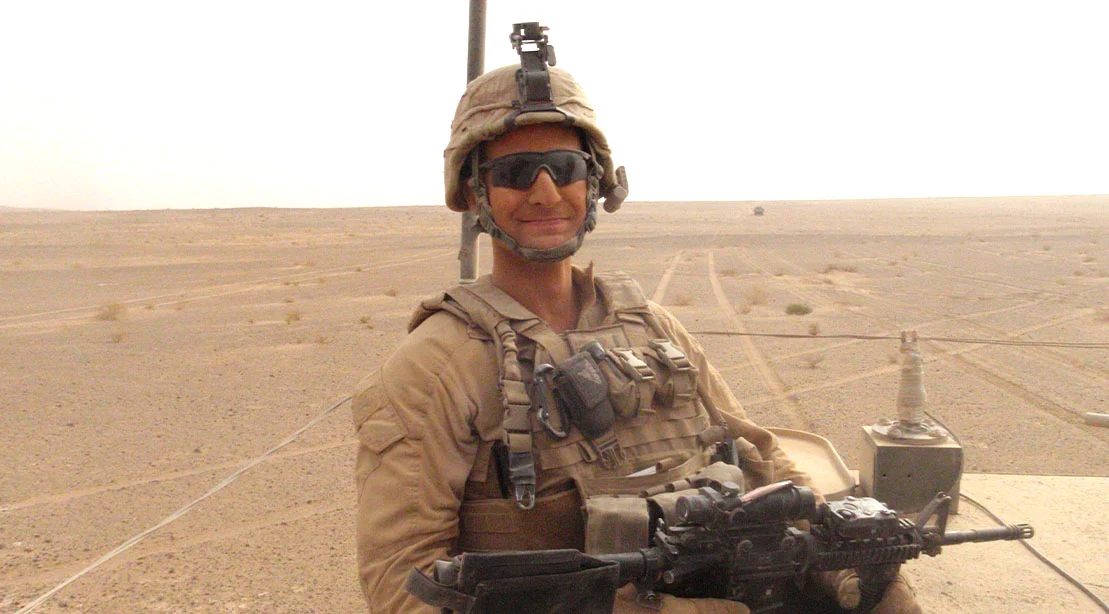
For United States Marine Corps Lieutenant Colonel Tim Gick, the concept of service is not merely a career choice; it is a hereditary legacy. With a family tree deeply rooted in American military history—encompassing service in the Navy, Army, Air Force, and Marine Corps, and extending to a brother-in-law currently serving as a two-star general—Gick’s trajectory seemed almost predestined. Yet, his latest mission does not take place on a battlefield or within a command center. Instead, it is unfolding in living rooms, classrooms, and community centers across the United States.
Gick, alongside his longtime friend and collaborator, retired Air Force veteran Joseph Shamy, has developed "Mission Match," a military-themed card game designed to combat the rising tide of youth sedentary behavior while fostering a renewed interest in national service. By blending physical activity with educational outreach, the duo is attempting to bridge the gap between Generation Alpha and the virtues of duty, discipline, and physical fitness.
A Legacy of Service: The Roots of a Visionary
The path to "Mission Match" began long before Gick donned his uniform in 2007. Growing up in a family where military service was the norm, Gick was surrounded by stories of sacrifice and dedication. However, the spark for his specific path was ignited at Texas Tech University. It was there that he met his roommate, Joseph Shamy, a fellow member of the university’s Air Force ROTC program.
“Tim and I connected at Texas Tech, and we were roommates,” Shamy recalls. “He saw me training for ROTC, which ultimately led me into going into the Air Force.”
The two men embarked on divergent but parallel paths. Gick’s career in the Marine Corps would eventually take him through the rigors of Officer Candidate School, multiple high-stakes deployments to Afghanistan and the Republic of Georgia, and critical leadership roles in intelligence and reconnaissance. His service was characterized by a commitment to the mission—a mindset he would later apply to his civilian ventures.
The Catalyst: A Moment of Clarity in San Francisco
The pivot from active military duty to entrepreneurial innovation occurred in 2022. While volunteering for the "Toys for Tots" program in San Francisco, Gick found himself surrounded by holiday gifts destined for children in need. As he processed the inventory, he felt a sense of professional and personal disconnect. He noticed two primary issues: the toys were manufactured entirely overseas, and they lacked any intrinsic value or narrative beyond their plastic form.
"I told myself, ‘I can make my own toy made here in the United States that provides a pathway to purpose and service,’" Gick reflects. This realization served as the foundational moment for what would become his brand, "Not a Very Good Teacher," and his flagship product, "Mission Match."
The Mechanics of "Mission Match": Merging Education and Movement
"Mission Match" is more than a card game; it is a pedagogical tool designed to reintroduce the American public to the military branches through play. The game utilizes a matching mechanic where players collect pairs of character cards—such as "Muscle Monkey" or "Cosmo Cat"—each representing a unique branch of the Armed Forces.
The genius of the game lies in its integration of physical fitness. When a player draws a pair of "Action Cards," they are required to perform specific physical tasks—squats, pushups, jumping jacks, or leg raises. This format transforms the traditional sedentary card game into a dynamic, heart-pumping activity that encourages teamwork and physical exertion.
Beyond the physical benefits, the game features QR codes on each card that act as a digital portal. When scanned, these codes direct children to curated, age-appropriate information regarding the specific branch of service featured on the card. "Based upon your age when you click through," Gick explains, "it will take you to the Young Marines, JROTC, or the Marine Corps directly. That’s the idea of the game—to provide a pathway."
Addressing a National Crisis: The "Fit to Serve" Mandate
The timing of "Mission Match" is no coincidence. Both Gick and Shamy, who now serves as the JROTC Senior Aerospace Science Instructor at Franklin High School in El Paso, Texas, observed a troubling trend: the dual decline of physical fitness among American youth and a diminishing interest in military service.
The COVID-19 pandemic exacerbated this issue, creating a generation of students who were increasingly isolated and sedentary. Shamy saw the consequences of this shift firsthand in his classroom. "I saw that there was a deficiency in at least the kids that wanted to go into the military in their physical fitness," Shamy noted. "Integrating fitness was something we wanted to do because it makes the game more different than just a normal card game."
The results of this integration have been tangible. Despite being designed for younger children, the game has found an enthusiastic audience among Shamy’s high school students. In one documented instance, a student who embraced the fitness components of the game and the discipline it fostered lost nearly 40 pounds. It is this type of real-world impact that fuels the duo’s ambition to scale the project.
The Pathfinder Games: Stepping Out of the Digital Age
The "Mission Match" movement extends beyond the kitchen table. Gick has launched the "Pathfinder Games," a series of live, in-person events designed to provide children with hands-on exposure to military culture. These events are intended to get kids "out from behind screens and into purpose."
A landmark event took place at the Pentagon during "Bring Your Child to Work Day," where children were able to engage directly with service members. These interactions are crucial, as they humanize the military and provide a tangible, relatable goal for young participants. Gick envisions a future where these events serve as a primary recruitment and educational pipeline, helping to foster a new generation of citizens who are both physically capable and civically minded.
Implications for the Future
The implications of "Mission Match" reach far beyond the gaming industry. By targeting Generation Alpha, Gick and Shamy are attempting to build a foundation for long-term health and national service readiness.
Shamy emphasizes the importance of this timing: "It’s definitely about making sure that you’ve ingrained those lifestyle habits into your kids today because the decisions they make today definitely affect them tomorrow."
As the project gains momentum, the "Not a Very Good Teacher" brand continues to expand its footprint. Through Kickstarter campaigns and direct-to-consumer sales, Gick is proving that there is a demand for products that prioritize character, health, and national identity.
Supporting the Mission
For those interested in the future of American youth development, "Mission Match" offers a practical way to engage with these themes. As the project continues to grow, it serves as a reminder that the most effective solutions to systemic problems often start with simple, creative, and purposeful interventions.
Whether it is through the physical challenge of a set of pushups or the educational value of learning about the history of the Armed Forces, Gick and Shamy are betting on a future where the next generation is prepared to lead.
To learn more about the movement or to secure a deck of Mission Match, visit the official website at www.notaverygoodteacher.com or support their ongoing efforts via their Kickstarter campaign.
This article was prepared with editorial contributions from M&F Senior Military Editor Rob Wilkins.