By Page Buono | September 9, 2026
For more than a century, the Colorado River has served as the lifeblood of the American West. It is a system governed not just by hydrology, but by a complex, centuries-old tapestry of legal mandates, interstate compacts, and international treaties collectively known as the "Law of the River." As of August 24, 2026, the Bureau of Reclamation has unveiled a pivotal new framework designed to manage this system for the next decade—a plan that experts suggest will determine the long-term viability of the entire Colorado River Basin.
A System in Need of a Coherent Anatomy
To understand the current management crisis, one must view the Colorado River not merely as a waterway, but as a living body. The 1922 Colorado River Compact serves as the skeleton—the foundational structure upon which all subsequent water-sharing agreements are built. The various stakeholders—including seven U.S. states, Tribal Nations, Mexico, agricultural districts, and urban centers—function as the limbs, each relying on the "blood" of the system: the water itself.
In this metaphor, the Bureau of Reclamation and the diverse coalition of policymakers act as the brain, responsible for coordinating the complex movements of this body. Historically, the system has suffered from disjointed governance where different "limbs" have worked at cross-purposes, leading to over-allocation and systemic stress. Recent agreements, such as the 2007 Interim Guidelines and the 2019 Drought Contingency Plan (DCP), were intended to function as the nerves, facilitating movement and triggering responses to drought. However, as climate change accelerates and supply becomes increasingly unreliable, the necessity for a unified, functioning body has never been more urgent.
Chronology: A Century of Legal Evolution
The management of the Colorado River has always been an exercise in collaborative, if often fraught, negotiation. The timeline of this governance reflects the changing climate and socio-economic landscape of the West:
- 1922: The Colorado River Compact is signed, dividing the river into Upper and Lower Basins and setting the stage for all future allocations.
- 1944: A treaty with Mexico is established, formalizing water delivery obligations to our southern neighbor.
- 2007: The Bureau of Reclamation adopts the Interim Guidelines, which provided a more structured approach to managing water shortages in Lakes Mead and Powell.
- 2019: Facing historic drought, the Drought Contingency Plan (DCP) is enacted, mandating unprecedented conservation measures to prevent the system’s collapse.
- 2026: On August 24, the Bureau of Reclamation releases a new 10-year framework. This plan outlines immediate actions for the next two years and establishes a sophisticated, adaptive management structure for the subsequent eight years.
The 2026 Framework: A Blueprint for Resilience
The newly released documentation from the Bureau of Reclamation represents a significant shift toward adaptive management. Rather than relying on static, long-term projections that have proven vulnerable to climate volatility, the new guidelines prioritize short-term flexibility backed by long-term goals.
The framework is designed to address the "structural deficit" that has plagued the river for decades. By integrating real-time data with collaborative decision-making, the Bureau aims to keep the "body" of the Colorado River system upright during the most volatile years of the next decade. The ultimate test will not be the elegance of the documents, but the political will to enforce them.
Supporting Data and Hydrological Realities
The urgency of this new framework is underscored by two decades of aridification in the Colorado River Basin. Since the early 2000s, the Basin has experienced what climatologists refer to as a "megadrought," resulting in historically low water levels in the nation’s largest reservoirs, Lake Mead and Lake Powell.
According to recent Bureau of Reclamation data:
- Storage Trends: Despite temporary recoveries due to high snowpack years, the long-term trend remains a net decline in total reservoir storage.
- Demand vs. Supply: Even with aggressive conservation, the demand for Colorado River water continues to outpace the natural flow, necessitating mandatory reductions in use for Arizona, Nevada, and California.
- Ecological Indicators: Reduced flows have led to the degradation of riparian ecosystems, particularly in the Grand Canyon and the Colorado River Delta, which are essential to the overall health of the watershed.
Official Responses and Stakeholder Perspectives
The response from the stakeholder community has been one of cautious optimism tempered by deep-seated pragmatism. Representatives from the seven Basin states have emphasized that while the new guidelines provide a path forward, they require significant sacrifice from all parties.
"The Bureau’s framework is a necessary step, but it is not a panacea," noted one regional water manager. "The real challenge lies in the implementation of the ‘side agreements’—the investments in efficiency, the agricultural fallowing programs, and the Tribal water rights settlements that must happen in parallel to keep this system functioning."
Tribal Nations, who hold some of the most senior water rights in the basin but have historically been sidelined in negotiations, have signaled that their inclusion in the new 8-year planning phase is a critical litmus test for the fairness of the entire process.
Implications: The Core of the Basin
As the region moves into the next decade, the implications of the 2026 framework are profound. The guidelines are expected to fundamentally alter the cost and availability of water for urban development, agricultural output, and energy production. However, the most vital implication is the potential for a shift in perspective: the transition from viewing the river as a commodity to recognizing it as essential resilience infrastructure.
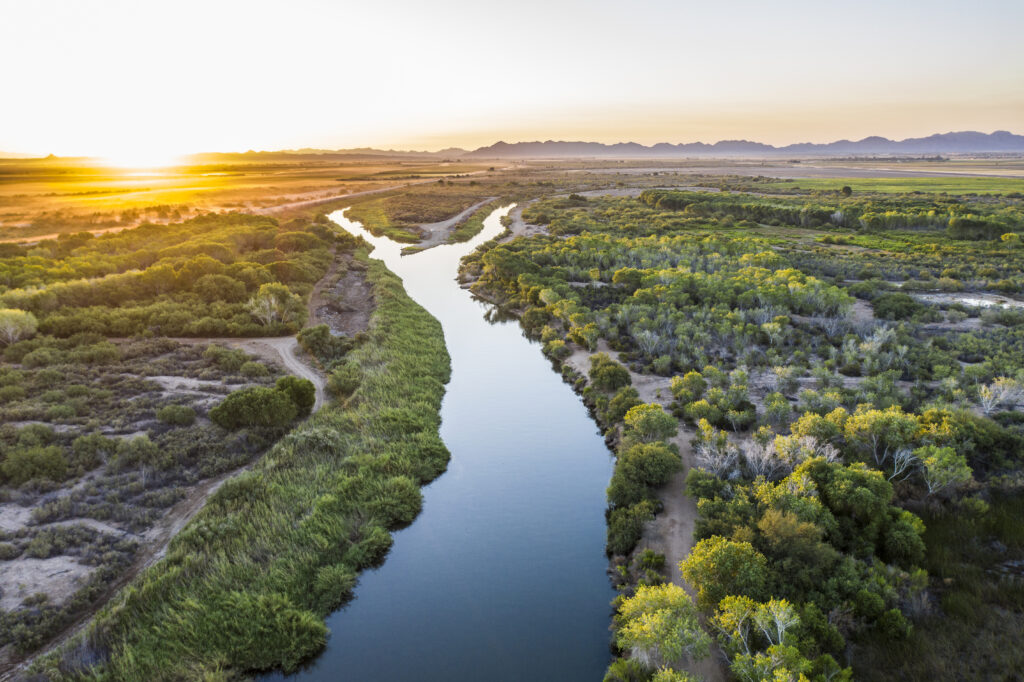
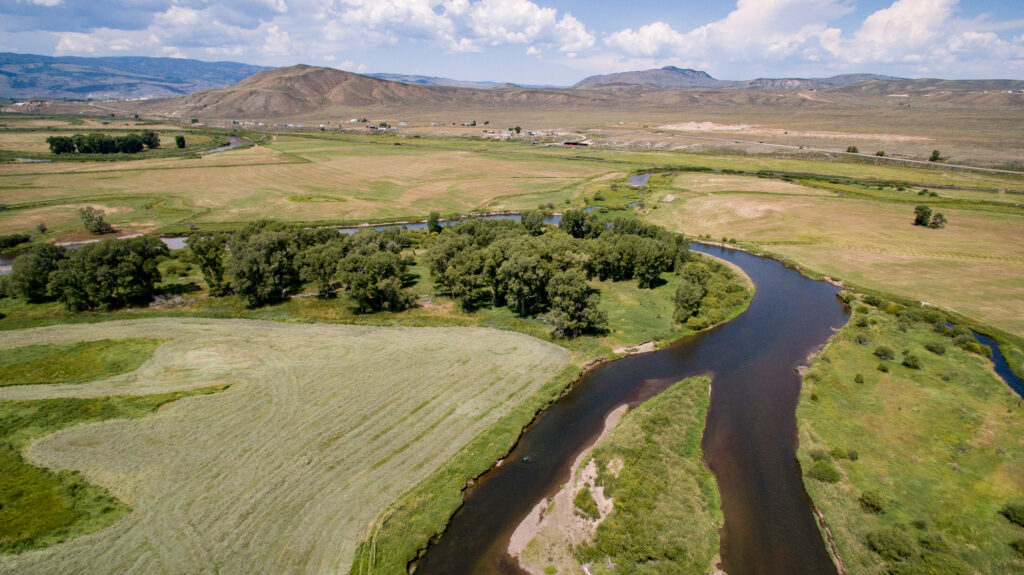
A healthy river—with connected floodplains, robust forests in the upper watershed, and intact riparian habitats—is not a luxury. It is a biological necessity that helps mitigate the impacts of wildfire, improves water quality, and provides the natural storage capacity required to withstand the coming decades of climate uncertainty.
Conclusion: The Heart of the Matter
At the center of every legal agreement, every contentious meeting in Washington, and every irrigation district budget, lies the river itself. It is the heart of the system, and without it, the skeleton of the Law of the River has no purpose.

If the goal of the 2026 guidelines is to keep the "body" of the West upright, then policymakers must ensure that the heart remains strong. Whether through the restoration of connected floodplains or the protection of endangered species, the long-term success of the Colorado River will depend on our ability to value the river’s health as highly as we value its water.
As we look toward the next decade, the question is not just how we divide the water, but how we protect the source. The river has sustained the West for generations; it is time for the West to prove it can sustain the river in return.
Stay informed on the future of our water resources. Join the movement to protect the Colorado River and receive the most important updates affecting your water and rivers delivered directly to your inbox.