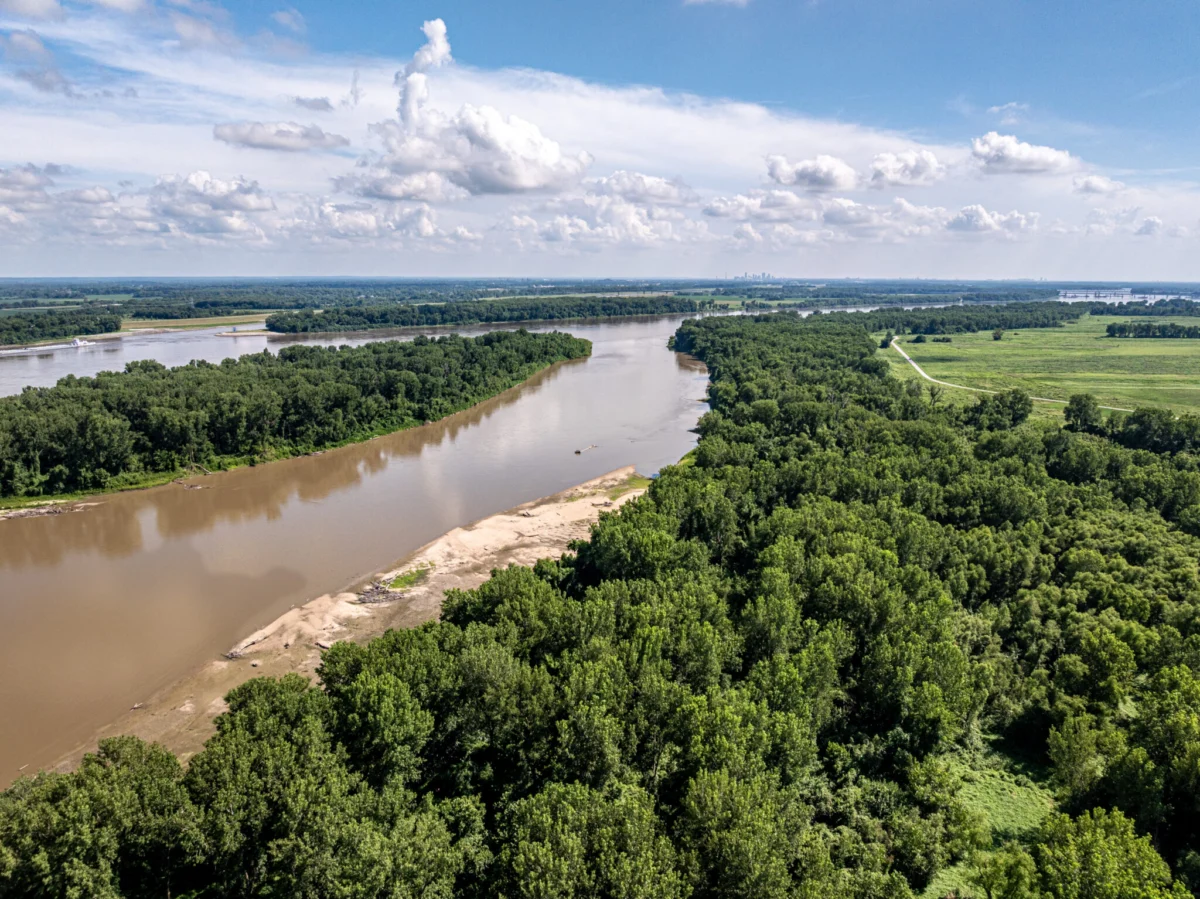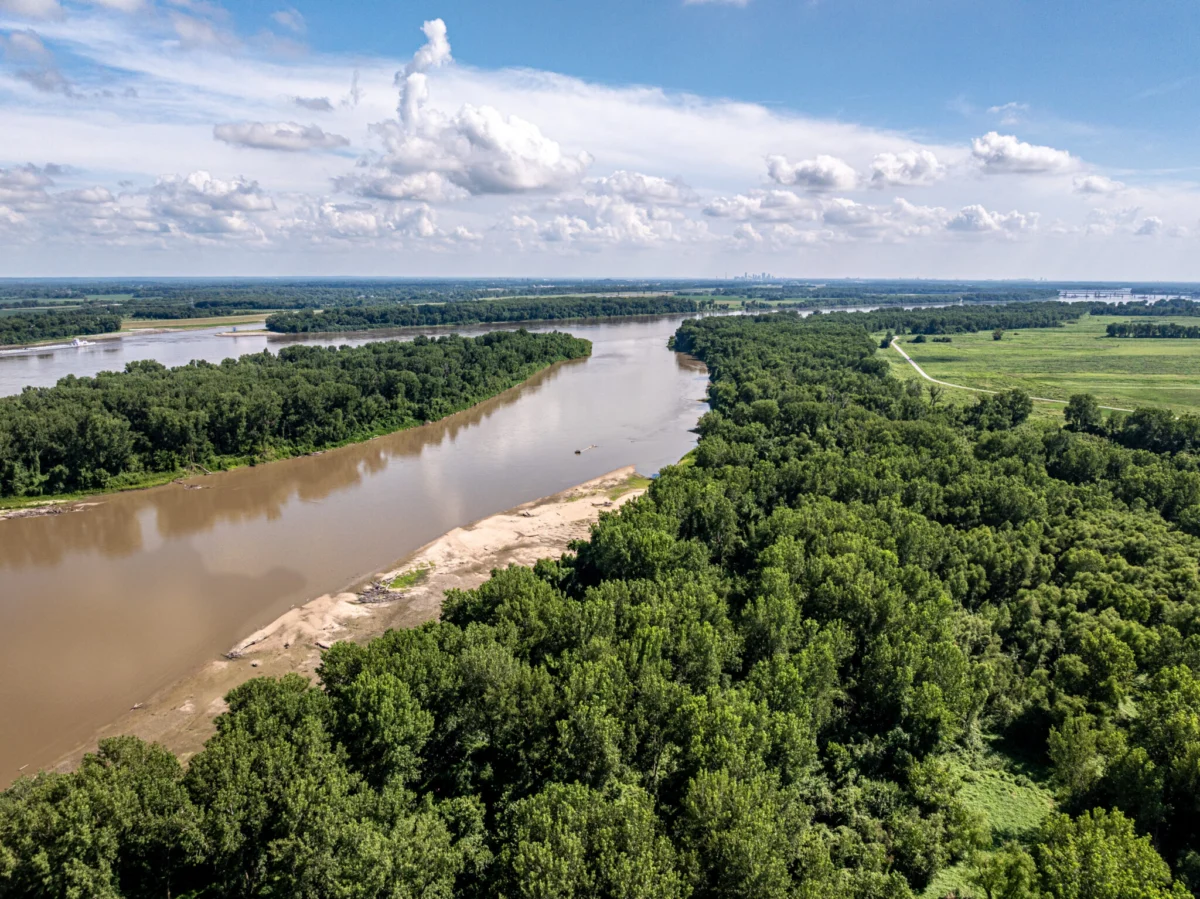
For over half a century, the Endangered Species Act (ESA) has served as the bedrock of American conservation, acting as a "safety net" for the nation’s most vulnerable flora and fauna. Since its inception in 1973, the Act has successfully prevented the extinction of iconic species, ranging from the bald eagle to the peregrine falcon. Central to this success has been a robust interpretation of the term "harm"—a legal standard that prohibits not just the direct killing of a species, but also the destruction of the essential habitats required for their survival and recovery.
However, a recent shift in federal policy has ignited a firestorm of controversy among conservationists, scientists, and legal experts. In a move that critics argue undermines decades of environmental progress, the current administration has modified the regulatory definition of "harm" to exclude habitat destruction. This regulatory maneuver effectively severs the tether between a species and the environment it needs to thrive, leaving vast tracts of critical ecosystems vulnerable to industrial degradation.
The Foundation of Protection: A Historical Context
To understand the gravity of the current situation, one must look back at the origins of the Endangered Species Act. Passed with overwhelming bipartisan support, the ESA was born from a national recognition that the rapid loss of biodiversity was a crisis of human making. The drafters of the legislation understood a fundamental ecological truth: you cannot save a species by simply protecting the individual animal if the environment that sustains it is decimated.
For decades, the Fish and Wildlife Service (FWS) maintained a broad interpretation of "harm," which included significant habitat modification or degradation that kills or injures wildlife by significantly impairing essential behavioral patterns, including breeding, feeding, or sheltering. This interpretation was not merely an administrative preference; it was a scientifically grounded necessity. The Supreme Court itself has historically upheld this definition, recognizing that without habitat protection, the ESA would become little more than a paper shield.
Chronology of a Policy Shift
The erosion of these protections did not happen overnight, but the recent administrative action marks a definitive turning point:
- 1973: The Endangered Species Act is signed into law, establishing federal mandates to protect imperiled species and their ecosystems.
- 1970s–2020: The FWS consistently includes habitat degradation under the definition of "harm," allowing for the enforcement of protective measures on both public and private lands.
- Early 2026: Signals emerge from the administration suggesting a push to "streamline" environmental regulations to prioritize industrial expansion and extractive resource development.
- August 2026: The administration officially finalizes a regulatory change that explicitly narrows the definition of "harm," effectively removing "habitat" from the scope of prohibited actions.
- Present: Conservation groups and environmental scientists warn that the delay or denial of protections for essential riverine and forest habitats will lead to a surge in local extinctions.
Freshwater Biodiversity: The Silent Crisis
The impact of this policy change is not uniform; it is poised to hit freshwater ecosystems with disproportionate severity. According to the World Wide Fund for Nature (WWF), freshwater species are vanishing at a rate significantly higher than their terrestrial or marine counterparts. This "silent crisis" is largely driven by the fragmentation of rivers, pollution, and the destruction of riparian corridors.
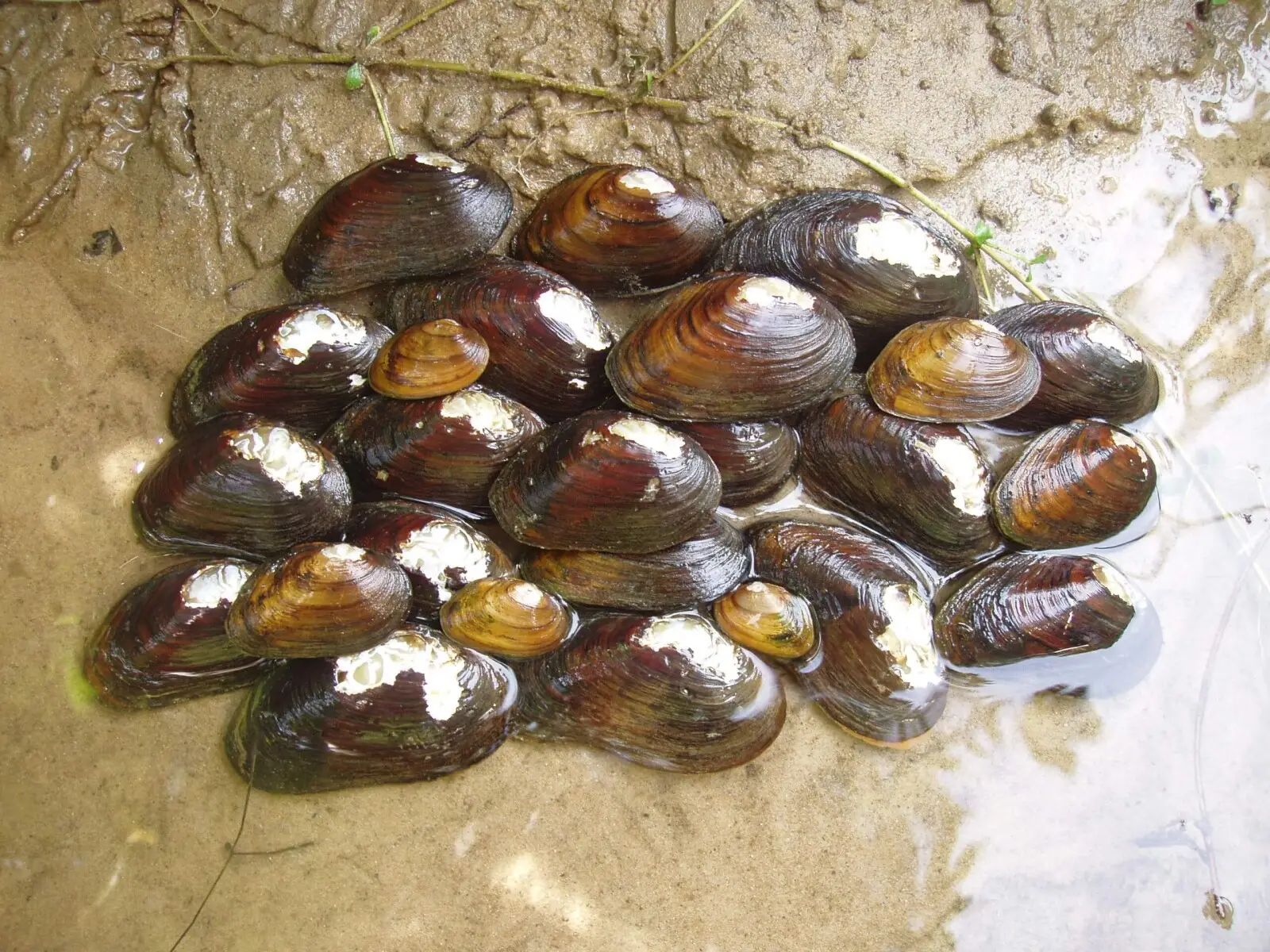
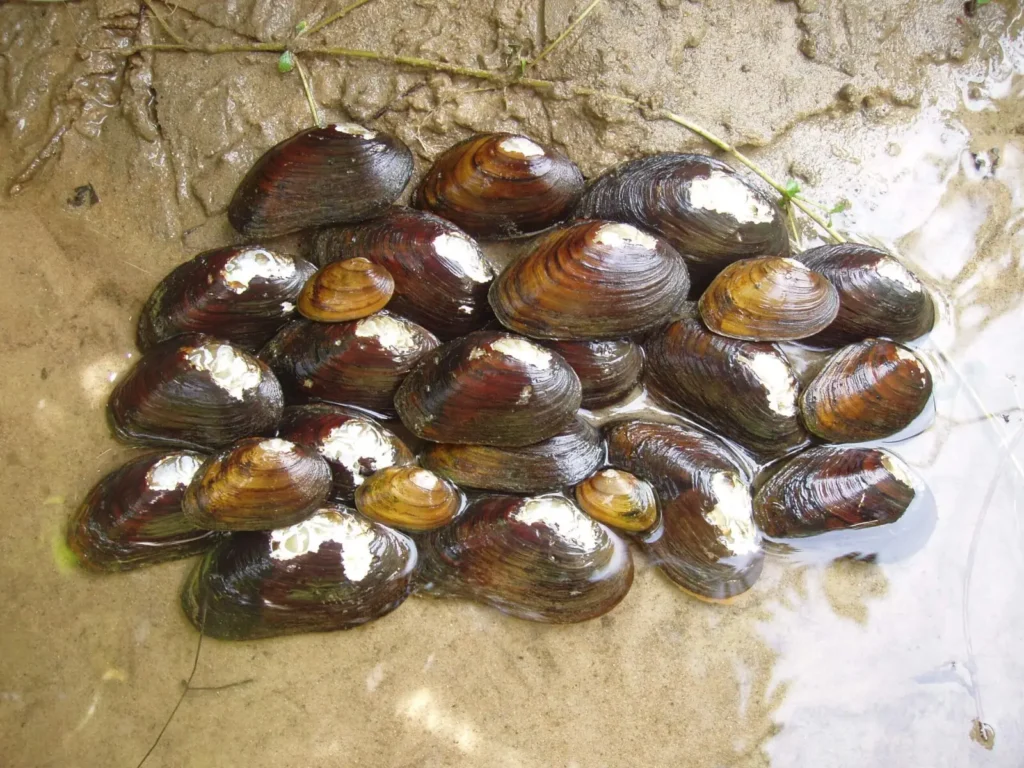
Among the most vulnerable are freshwater mussels. Often overlooked, these creatures are the unsung heroes of our waterways. As filter feeders, a single mussel can process up to 30 gallons of water per day, removing harmful pathogens like E. coli and balancing the nutrient load of the riverbed. They are, quite literally, the kidneys of our rivers.
However, their life cycle is incredibly sensitive to environmental changes. For example, the larvae of many mussel species must hitch a ride on the gills of specific host fish to move upstream and mature. When dams, pollution, or industrial runoff destroy the habitat of either the mussels or their host fish, the entire cycle collapses. By removing habitat protection from the ESA’s mandate, the administration has left these delicate, immobile species defenseless against the encroaching footprint of industrial development.
Supporting Data: Why Habitat is Everything
The correlation between habitat integrity and species recovery is supported by overwhelming empirical data. The case of the Roanoke logperch serves as a powerful testament to the efficacy of the original ESA framework. After nearly 36 years on the endangered list, the logperch was successfully delisted in 2025. This victory was not achieved by simply monitoring the fish; it was achieved through the proactive removal of four obsolete dams, which reconnected hundreds of miles of vital habitat across Virginia and North Carolina.
This success story highlights a crucial point: when agencies recognize the importance of habitat connectivity, they can marshal resources to restore ecosystems, and species respond with remarkable resilience. Conversely, the data on habitat loss suggests a grim trajectory. Approximately one-quarter of the world’s freshwater wildlife is currently at risk of extinction. With the new administrative rules, the ability to protect the remaining "refugia"—the pockets of healthy habitat where species survive—is severely diminished.
Official Responses and Stakeholder Concerns
The administration defends the policy change as a necessary step to clarify regulatory boundaries and reduce the "overreach" of federal agencies on private lands. Proponents of the change argue that it provides greater certainty for infrastructure and energy projects, which they contend will stimulate economic growth.
However, the scientific and conservation community has responded with profound alarm. Environmental organizations, including American Rivers, have pointed out that the change creates a legal loophole that extractive industries—such as mining, logging, and large-scale agriculture—can exploit to bypass environmental impact assessments.
"If you protect the animal but destroy the river, you have saved nothing," says a representative from a leading conservation group. "The logic of this policy is fundamentally flawed. It ignores the basic biological reality that every species is defined by its environment."
Legal analysts have also raised concerns about the potential for protracted litigation. By contradicting decades of established precedent and scientific consensus, the administration has likely invited a wave of lawsuits that will force the courts to revisit the original intent of the ESA.
The Long-term Implications
The implications of this policy shift extend far beyond the fate of a single mussel species. They represent a fundamental change in the nation’s philosophy toward the natural world. If the government determines that habitat is no longer a protected element of a species’ survival, the bar for "endangerment" is raised to an almost impossible height.

We are effectively entering an era where we only act when a species is on the absolute brink of total collapse, rather than intervening when the habitat begins to degrade. This "emergency room" approach to conservation is not only more expensive but significantly less effective than the proactive, habitat-based approach that defined the ESA’s most successful years.
Furthermore, healthy rivers provide essential services to human populations, including flood mitigation, water purification, and recreational opportunities. The degradation of these habitats for short-term industrial gain threatens not only wildlife but the water security of millions of Americans who rely on these river systems for their daily needs.
Conclusion: A Call to Action
The road ahead for endangered wildlife is precarious. As the legal and regulatory battles unfold, the public’s role in demanding accountability becomes increasingly vital. The success of the Roanoke logperch proves that when society values the health of its rivers, it can turn the tide of extinction.
The current administration’s decision to redefine "harm" is a retreat from the responsibility of stewardship. If we allow the rivers to be destroyed, we forfeit the future of the species that call them home. Protecting the habitat is not an "extra" step—it is the only step that truly matters. As we look toward the future, the question remains: will we be the generation that allowed our rivers to turn into lifeless conduits, or will we rise to the challenge of restoring the ecosystems that sustain us all?
For those wishing to influence the outcome, the time to act is now. By supporting the protection of our river systems and demanding that habitat preservation be restored as a central pillar of the Endangered Species Act, we can ensure that the next fifty years of conservation are defined by recovery, not by loss.