Serbia has reached a pivotal milestone in its journey toward a sustainable, low-carbon energy future. With the official inauguration of the Čibuk 2 wind farm—a strategic partnership between UAE-based renewable energy giant Masdar and Finnish investment manager Taaleri Energia—the nation has significantly bolstered its green power credentials. Located in the South Banat region, just 40 kilometers from Belgrade, this 154MW installation serves as a cornerstone of the country’s burgeoning commitment to energy independence and carbon neutrality.
The launch of Čibuk 2, when integrated with its neighbor, the Čibuk 1 wind farm, creates a massive 312MW renewable energy hub. This development is not merely an infrastructure project; it is a signal to the international community that the Western Balkans are open for green investment and are aggressively pursuing the energy transition required to meet 2030 climate goals.
Main Facts: A Landmark Project for the Balkans
The Čibuk 2 project represents a sophisticated engineering feat and a robust financial commitment. Comprising 22 state-of-the-art Nordex turbines, the facility is designed to generate up to 336,000 megawatt-hours (MWh) of electricity annually. This output is sufficient to power approximately 80,000 homes, effectively bridging the gap between current domestic energy consumption and the necessity for cleaner, more reliable power sources.
Combined, the Čibuk 1 and Čibuk 2 wind farms now supply clean, renewable electricity to roughly 178,800 households. The total financial weight of these two projects exceeds $576 million (€500 million), marking one of the most significant foreign direct investments in Serbia’s energy sector to date. The ownership structure, split equally between Masdar and Taaleri Energia, underscores the collaborative nature of international climate action, with development supported by local expertise from New Energy Solutions.
Chronology: The Road to Energizing South Banat
The path to the inauguration of Čibuk 2 was paved with years of meticulous planning, environmental assessments, and site development.
- Initial Development Phase: The project was conceived as a expansionary follow-up to the successful Čibuk 1 project, aiming to capitalize on the high wind-energy potential of the South Banat region.
- Construction and Local Impact: Over the course of the project, more than 1,000 individuals—the vast majority of whom were drawn from the local South Banat area—were engaged in various capacities. This provided a significant economic boost to the region, covering roles in construction, specialized subcontracting, and project management.
- Commissioning: Throughout 2025 and into 2026, the installation of the 22 Nordex turbines reached completion, followed by rigorous grid-integration testing.
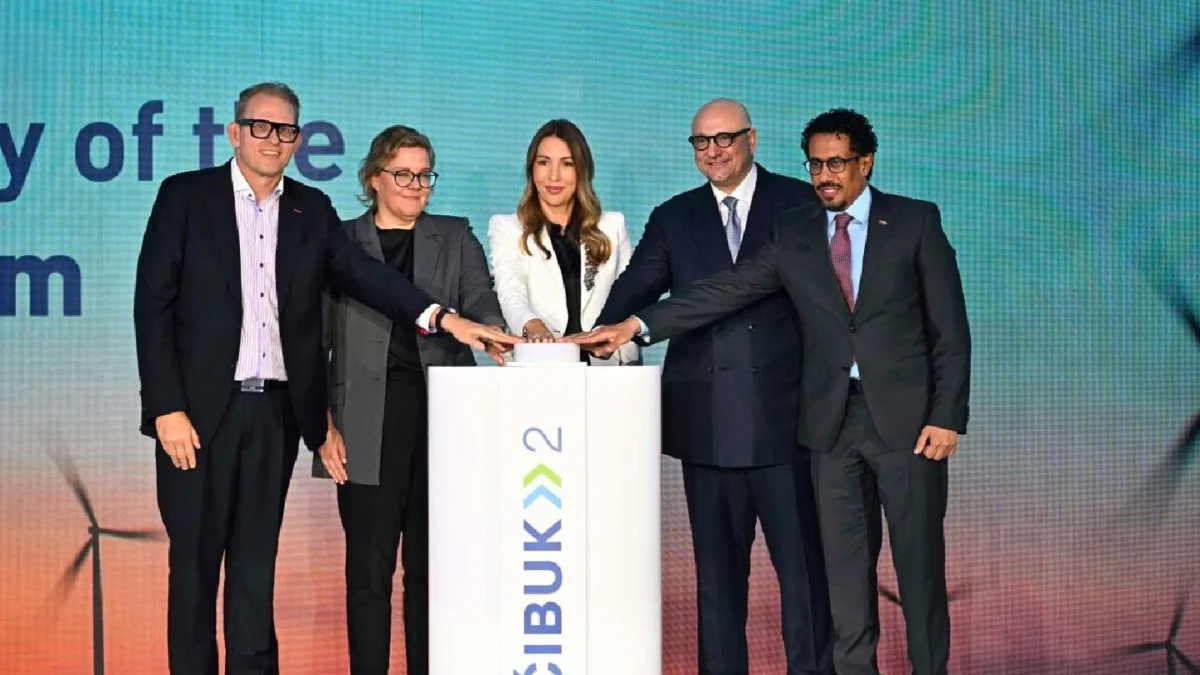
- The Official Inauguration (September 2026): The project was officially brought online in a high-profile ceremony in Belgrade, attended by high-ranking government officials and international diplomatic representatives, marking the transition from a construction site to a functioning power plant.
Supporting Data: Efficiency and Environmental Impact
The technical specifications of Čibuk 2 are a testament to the rapid advancements in wind turbine technology. By utilizing high-capacity Nordex turbines, the project achieves a high degree of operational efficiency, allowing for maximum energy extraction even in varying wind conditions.
Environmental Benefits
The primary driver for this project is the reduction of Serbia’s reliance on fossil fuels, specifically coal, which has historically dominated the nation’s energy mix. The operation of Čibuk 2 is projected to prevent approximately 311,200 tons of carbon dioxide (CO2) emissions annually. This represents a substantial contribution to Serbia’s national climate targets and aligns with broader European Union efforts to decarbonize the energy sector.
Capacity Overview
- Total Capacity (Čibuk 1 & 2): 312MW.
- Regional Significance: These two plants account for approximately 25% of Serbia’s total combined wind and solar power capacity.
- Annual Output: 336,000MWh (Čibuk 2 alone).
- Economic Impact: Over $576 million in total foreign direct investment.
Official Responses and Diplomatic Significance
The inauguration ceremony served as a forum for high-level dialogue regarding the future of the Serbian energy market. The event featured notable figures, including the Serbian Minister of Mining and Energy, Dubravka Đedović Handanović, the Ambassador of the United Arab Emirates to Serbia, and the Deputy Ambassador of Finland.
Minister Handanović emphasized the strategic necessity of the project, stating, "The completion of Wind Park Čibuk 2 makes a significant contribution to Serbia’s efforts to decarbonize its energy system while increasing its energy independence." She further noted that the integration of these assets provides the grid with much-needed stability and diversification, reducing the country’s vulnerability to global energy price fluctuations.
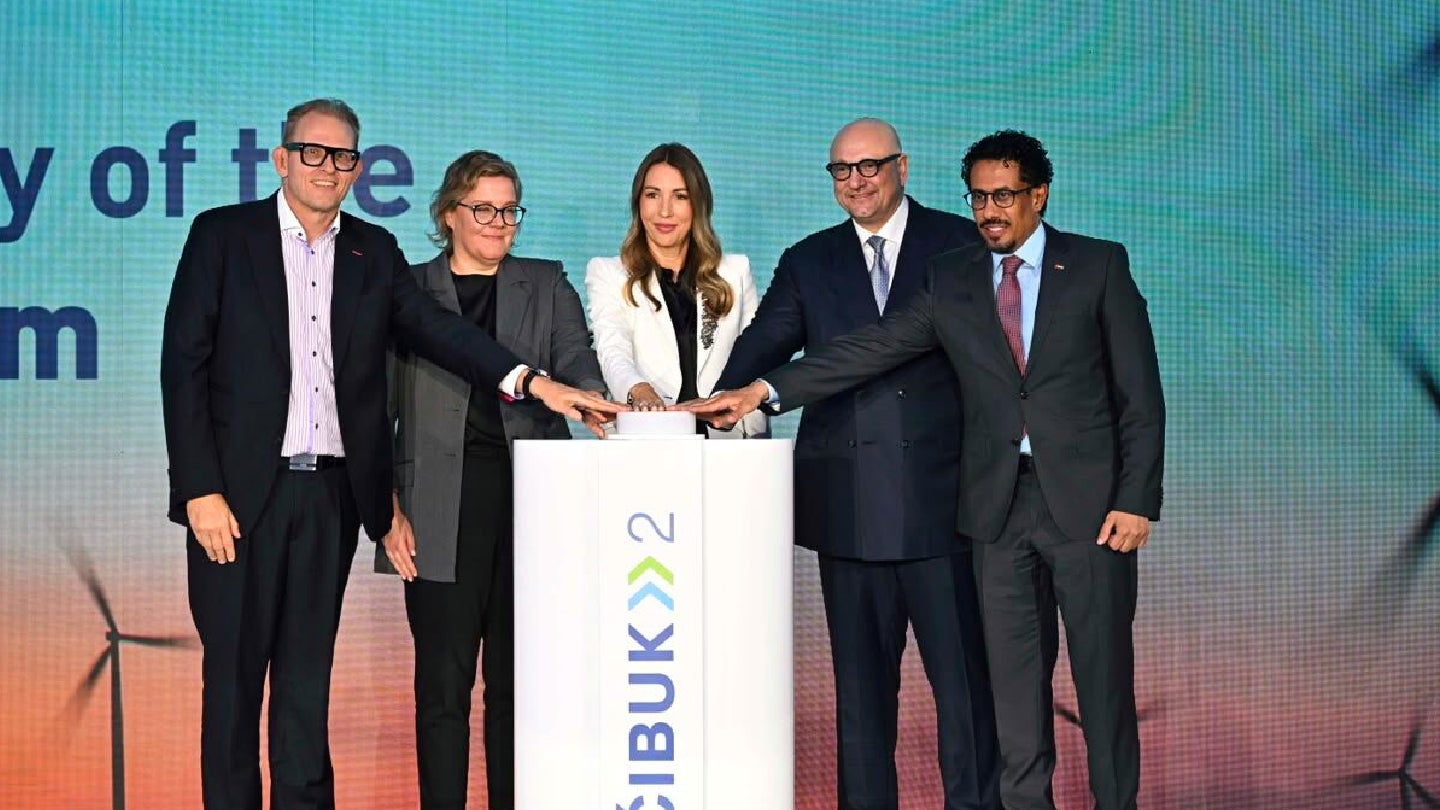
The presence of international ambassadors highlights the transnational importance of the project. By fostering partnerships with UAE and Finnish firms, Serbia is effectively integrating its grid into a global network of expertise, securing the technology transfer necessary to maintain a modern, efficient energy infrastructure.
Implications: The Path to 2030 and Beyond
The commissioning of Čibuk 2 is a foundational step in Serbia’s broader "Energy Roadmap." The Serbian government has set an ambitious target: to install approximately 3.5GW of new wind and solar capacity by 2030. Furthermore, the government aims to generate 45% of its total electricity from renewable sources within the same timeframe.
A Catalyst for Future Investment
Masdar’s presence in Serbia is not limited to the Čibuk project. The company has already identified a regional development pipeline exceeding 200MW of additional projects, spanning solar, wind, and cutting-edge battery storage technologies. This "pipeline" approach ensures that the momentum generated by Čibuk 2 does not stall but rather acts as a springboard for subsequent ventures.
Global Context
The success of Čibuk 2 occurs against a backdrop of global activity for Masdar. In July 2026, the company reached financial close on the world’s first giga-scale, round-the-clock renewable energy project, a $6.1 billion investment. By maintaining a presence in both massive global projects and localized European wind farms like Čibuk 2, Masdar is demonstrating a scalable model for renewable energy deployment.
Economic and Social Multipliers
The ripple effect of such projects is profound. Beyond the raw megawatts produced, the project has stimulated the local economy in South Banat. By training local workers and engaging regional contractors, the project has left a legacy of human capital development that will benefit future infrastructure projects in the region.
Furthermore, as Serbia continues its path toward EU integration, meeting strict environmental and energy benchmarks is essential. Projects like Čibuk 2 provide the tangible data and infrastructure needed to satisfy these international requirements, thereby improving Serbia’s standing in the European energy market.
Conclusion
The inauguration of Čibuk 2 is more than just the addition of a power plant to the Serbian grid; it is a manifestation of a clear, actionable vision for a cleaner, more resilient future. By balancing the urgent need for energy security with the moral and economic imperative of climate action, Serbia has proven itself to be a capable and attractive destination for large-scale renewable investment.
As the turbines turn in the South Banat region, they represent the turning point of a nation shifting away from its carbon-heavy past toward a sustainable, electrified future. With a firm pipeline of future projects and a clear roadmap to 2030, Serbia is well-positioned to serve as a regional leader in the renewable energy transition, setting an example for the Balkans and the wider European community.