In a sweeping move to fortify the backbone of the American energy sector, the US Department of Energy’s (DoE) Office of Electricity has unveiled a massive, $5.25 billion investment strategy. Known as the "Speed to Power through Accelerated Reconductoring and other Key Advanced Transmission Technology Upgrades" (SPARK) initiative, this program aims to address the growing pains of a national grid struggling to keep pace with rising electricity demand, the energy transition, and the critical need for heightened reliability.
By combining $1.9 billion in federal grants with $3.35 billion in private sector cost-sharing, the SPARK initiative is set to catalyze 31 distinct projects across 26 states. The ambition is clear: to optimize existing infrastructure, slash electricity costs for approximately 100 million Americans, and deliver more than 23 gigawatts (GW) of additional transmission capacity.
The Genesis of SPARK: Addressing Grid Bottlenecks
The American electrical grid is a marvel of 20th-century engineering, but it is currently facing unprecedented strain. As the nation pivots toward electrification—ranging from electric vehicles to AI-driven data centers—the existing transmission corridors are nearing their operational limits. Traditional grid expansion, which often involves building new transmission lines across greenfield sites, is frequently mired in multi-year regulatory hurdles, land acquisition disputes, and local opposition.
The SPARK initiative was born from the realization that "building more" is not always as effective as "building better." By leveraging the Grid Resilience and Innovation Partnerships (GRIP) program—established under the Infrastructure Investment and Jobs Act—the DoE sought a more surgical approach. The SPARK program specifically targets the rapid deployment of modern materials and smart-grid technologies that can breathe new life into existing rights-of-way.
Key Objectives of the Initiative:
- Capacity Expansion: Adding 23GW of capacity without the need for massive, disruptive new construction.
- Cost Efficiency: Utilizing advanced conductors and Grid-Enhancing Technologies (GET) to reduce operating expenses and consumer prices.
- Reliability Enhancement: Mitigating risks associated with extreme weather events, wildfires, and cascading blackouts.
- Speed to Deployment: Prioritizing projects that can achieve "shovel-ready" status within shortened timelines.
Chronology of the Policy and Program Development
The road to this $5.25 billion announcement was paved by a deliberate, data-driven process designed to ensure that federal funds yield maximum return on investment.
1. Establishing the Framework
Following the passage of the Infrastructure Investment and Jobs Act, the DoE identified the need for a targeted approach to transmission. The GRIP program was allocated up to $10.5 billion over five years to support innovative grid solutions.
2. The Request for Information (RFI)
Before launching SPARK, the DoE issued a "Speed to Power" Request for Information. This period of industry engagement was vital; it allowed utilities, technology providers, and grid operators to weigh in on the primary obstacles to upgrading the system. The feedback was clear: utility companies were ready to upgrade, but they needed federal backing to de-risk the deployment of advanced, yet under-utilized, technologies like high-capacity reconductoring.
3. The Notice of Funding Opportunity (NOFO)
Armed with industry feedback, the DoE released a formal Notice of Funding Opportunity. This document specified that preference would be given to projects that emphasized reconductoring—the process of replacing aging wires with high-capacity, advanced conductors—and the integration of GETs.
4. Selection and Announcement
Following a rigorous evaluation of applications, the DoE selected 31 projects across 26 states. The announcement, delivered in late September 2026, represents the culmination of this multi-year effort to modernize the grid from within its current footprint.
Supporting Data: The Scope of the Transformation
The sheer scale of the SPARK initiative is reflected in the physical upgrades promised by the selected recipients. These are not merely administrative goals; they are material targets that will reshape the physical grid.
Infrastructure Targets:
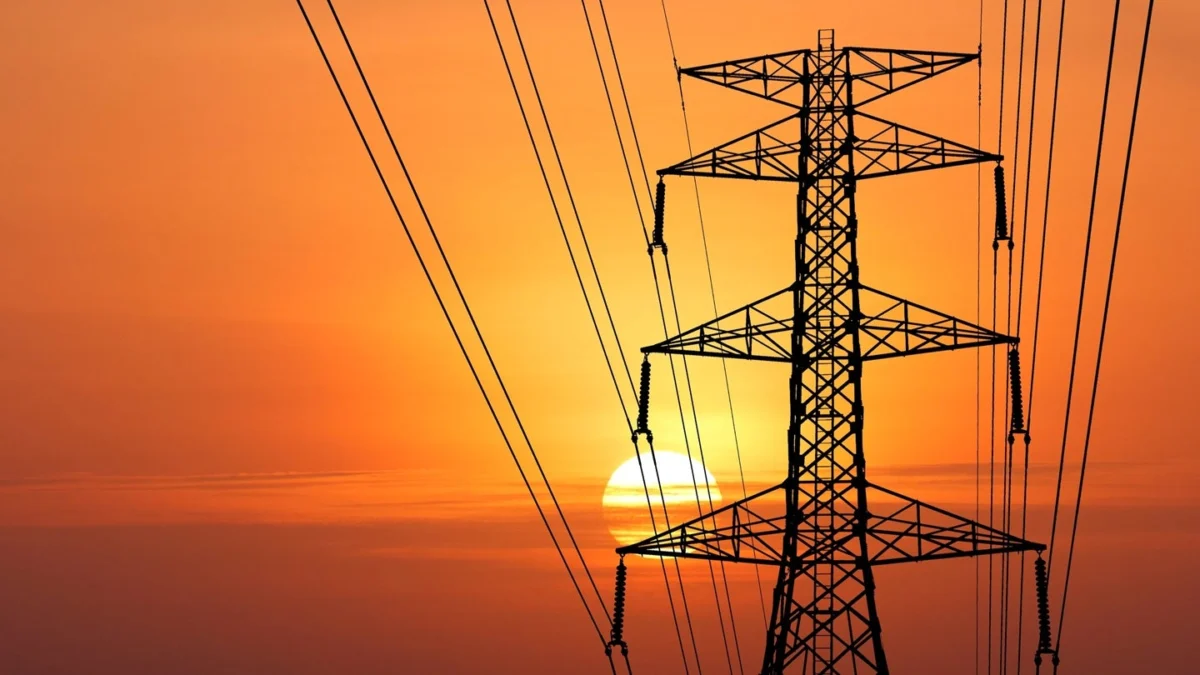
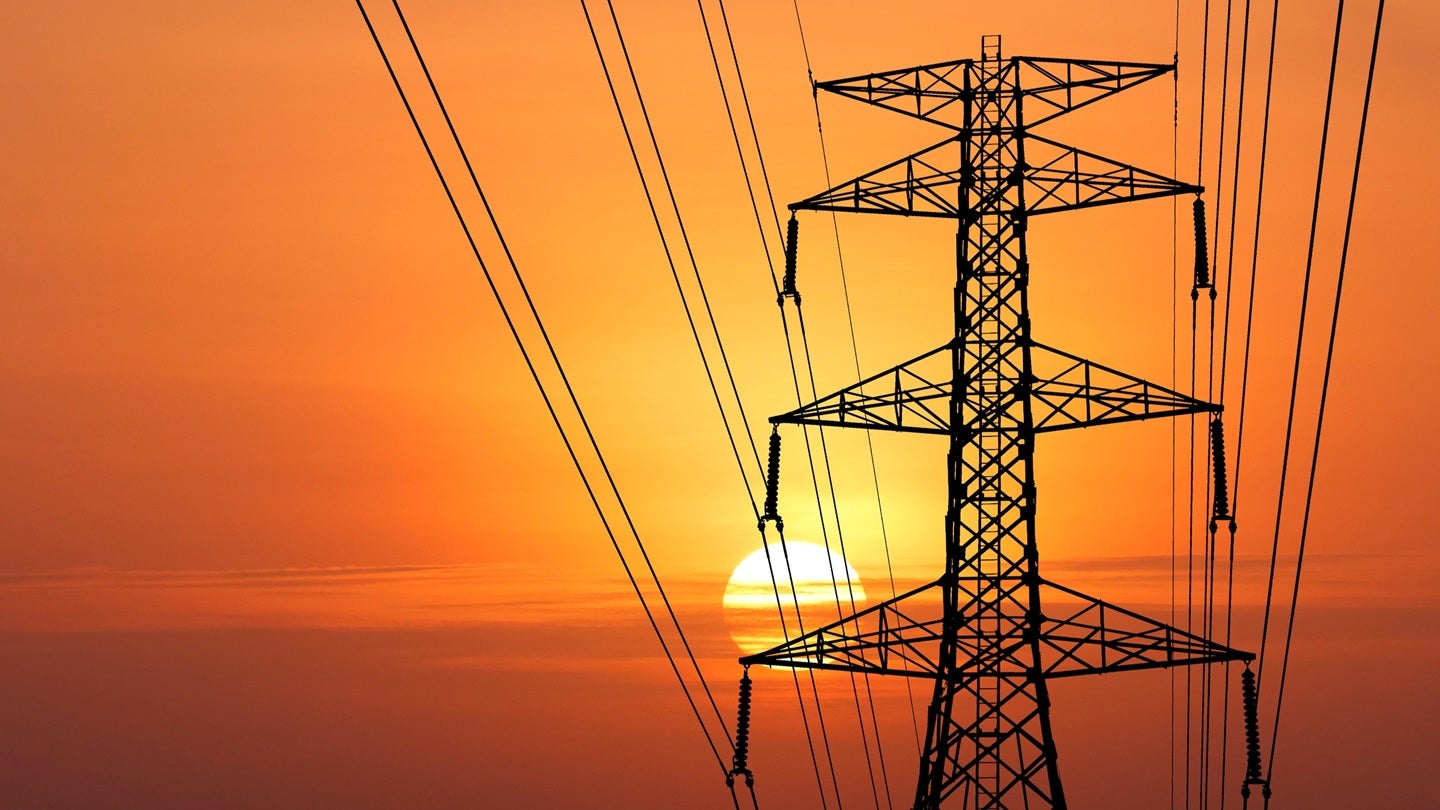
- Transmission Lines: Recipients are committed to reconductoring or rebuilding over 1,500 miles of critical transmission lines. By swapping out traditional copper or aluminum for advanced composite conductors, these lines can carry significantly more power at lower temperatures, reducing line sag and energy loss.
- Grid-Enhancing Technologies (GETs): The initiative will see the deployment of GETs across nearly 21,000 miles of grid infrastructure. These technologies include dynamic line rating (DLR) sensors, power flow control devices, and advanced monitoring systems that allow grid operators to see exactly how much load a line can handle in real-time, rather than relying on conservative, static safety estimates.
Economic and Operational Impact:
The $5.25 billion investment is structured to ensure that private capital does the heavy lifting alongside public funds. The $3.35 billion contribution from recipients ensures that project stakeholders have "skin in the game," fostering long-term maintenance and operational responsibility. The expected 23GW of additional capacity is equivalent to adding several large-scale power plants to the national mix, effectively removing the bottlenecks that currently prevent cheap, renewable, or baseload energy from reaching high-demand urban centers.
Official Perspectives: Aligning Policy with Prosperity
The political and administrative backing for the SPARK program underscores a shift toward "commonsense energy policies."
US Secretary of Energy Chris Wright emphasized that the initiative is not just about environmental or technical goals, but about the economic health of the nation. "Today’s announcement reinforces the Administration’s commitment to commonsense energy addition policies that lower electricity prices and strengthen our grid," Wright stated during the unveiling.
He further highlighted the efficiency of the program, noting: "These investments will get more out of the infrastructure we already have, move more electricity across the grid, and help deliver affordable, reliable and secure power that will fuel American prosperity for decades to come."
The DoE’s emphasis on "existing rights of way" is particularly significant. By avoiding new construction, the SPARK program bypasses many of the legal and environmental challenges that have historically stalled energy projects, ensuring that the benefits of the funding reach the consumer with minimal delays.
Implications: The Long-Term Outlook for the US Grid
Reliability in the Age of Climate Change
The focus on mitigating risks like wildfires and blackouts is a direct response to the climate realities facing the US. Advanced transmission technologies are designed to be more resilient, and by reducing the operating temperatures of lines, the risk of heat-induced line failure is substantially lowered. Furthermore, the ability to reroute power dynamically—a key feature of GETs—means that if one section of the grid is threatened by an extreme weather event, power can be rerouted to maintain service to critical facilities.
Economic Impact on the Consumer
For the 100 million people expected to benefit, the primary outcome is a stabilization of electricity prices. When the grid is congested, utilities are often forced to use more expensive, localized power generation because cheaper energy is stranded behind a bottleneck. By increasing the capacity to move electricity from low-cost generation sites to high-demand areas, SPARK will reduce the reliance on expensive "peaker" plants and help dampen the price volatility that has plagued households and businesses in recent years.
A Model for Future Infrastructure
The SPARK initiative may well serve as a blueprint for future infrastructure spending. By focusing on optimization—extracting more value from existing assets—the federal government has demonstrated that substantial improvements in national performance do not always require massive, disruptive, and costly new builds.
As the program moves into the implementation phase, the success of these 31 projects will be closely watched. If the 1,500 miles of reconductoring and 21,000 miles of GET installations deliver the anticipated 23GW of capacity, the US may find itself with a scalable model for grid modernization that can be replicated across the remainder of the nation’s infrastructure.
Conclusion
The SPARK initiative stands as a testament to the power of strategic federal investment. By synthesizing industry feedback, leveraging public-private partnerships, and focusing on high-impact technological upgrades, the Department of Energy is positioning the American grid to be more resilient, more efficient, and better prepared for the demands of the future. As construction begins and the first miles of transmission lines are upgraded, the impact on the national energy landscape will begin to materialize—marking a significant step toward a more reliable, affordable, and secure power system for all Americans.