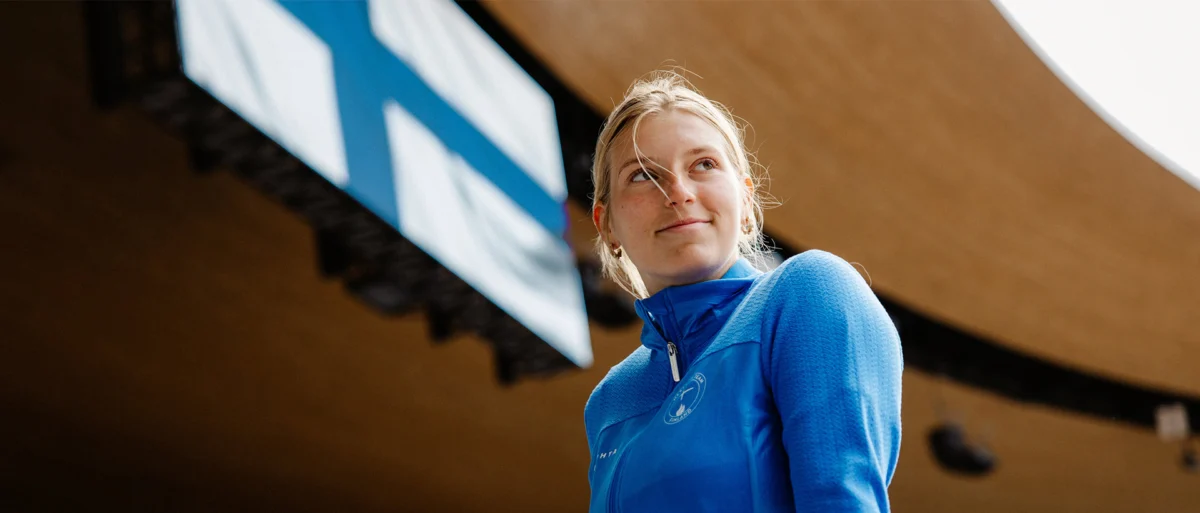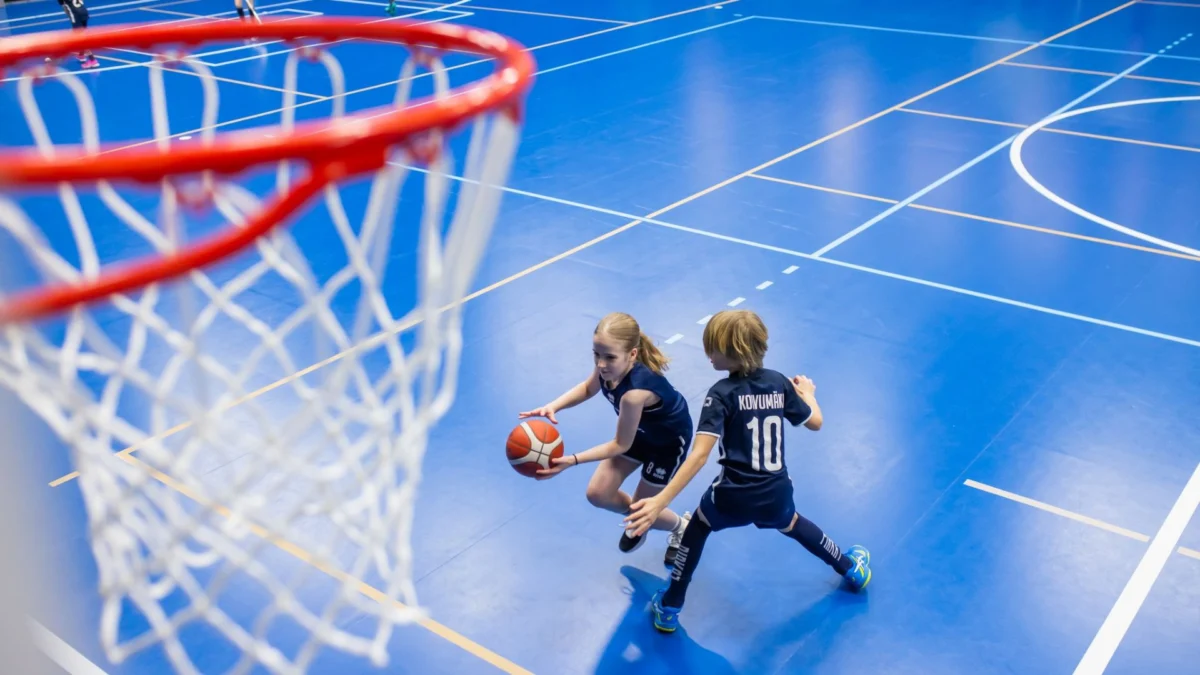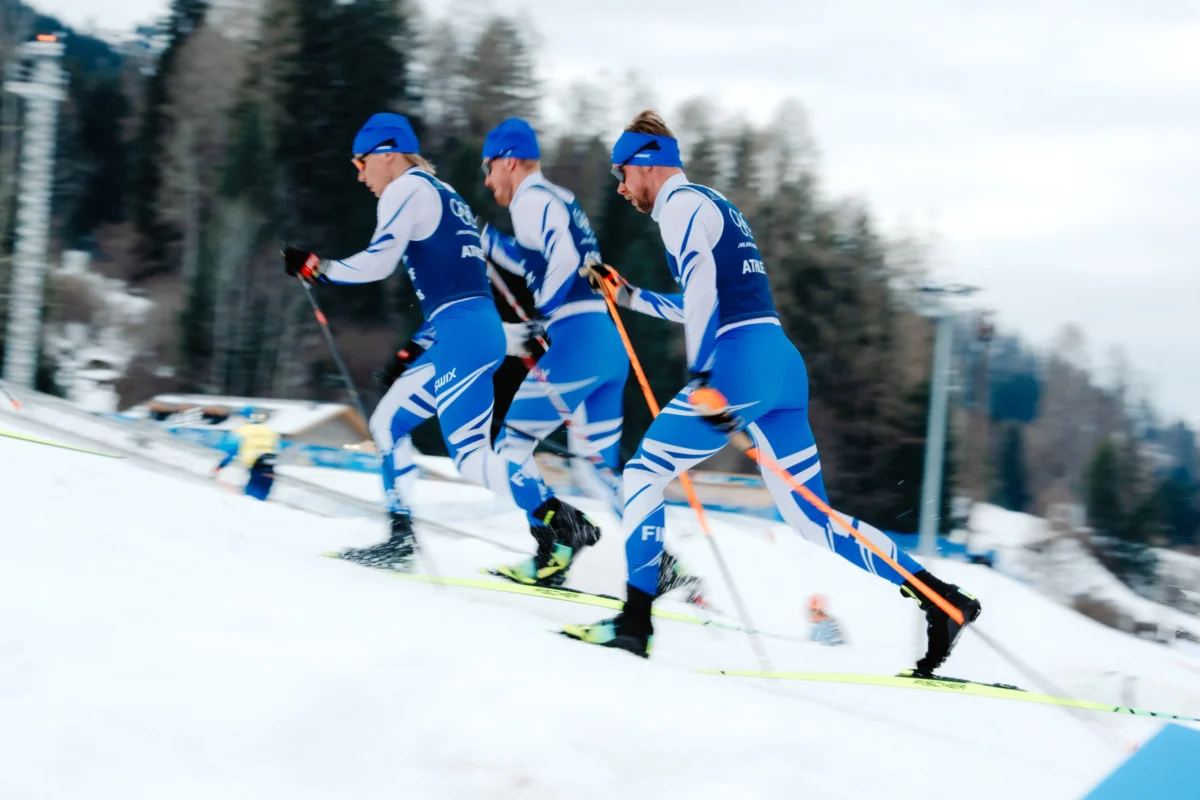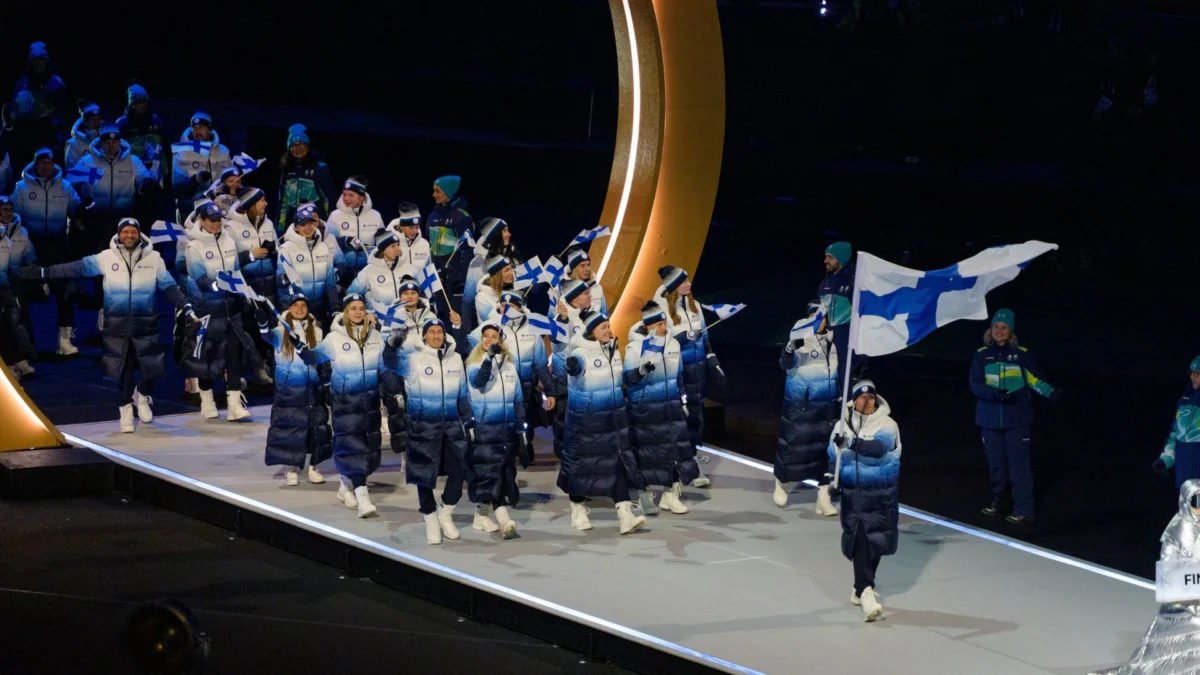
In the tapestry of Finnish culture, few threads are as vibrant or as unifying as the national Olympic team. Whether it is the rhythmic clatter of skis on frozen tracks in the depths of winter or the sun-drenched intensity of a summer track-and-field stadium, the Finnish Olympic squad serves as a collective heartbeat for the nation.
According to the latest Sponsor Navigator 2026 report, published by Sponsor Insight Finland, this emotional connection remains as robust as ever. For another consecutive year, the Finnish Olympic team has been crowned the most interesting and widely followed national team in the country, cementing its status as a cornerstone of Finnish identity. With over 2.15 million adult Finns identifying as interested in the team’s pursuits, the squad transcends mere sport, functioning as a powerful socio-cultural force that bridges gaps in geography, gender, and social status.
The Findings: A Reign of Unmatched Popularity
The Sponsor Navigator study is a benchmark in Finnish sports marketing, conducted annually to gauge the pulse of the nation regarding sporting and cultural entities. The 2026 edition, based on extensive research conducted between February and March, surveyed over 3,100 Finns aged 18 and older.
The data confirms a recurring trend: the Olympic Games—regardless of whether they are the Summer or Winter editions—act as a massive catalyst for national pride. Klaus Virkkunen, Research Director at Sponsor Insight Finland, notes that the top ranking is not a one-off achievement but a sustained dominance.
"The Olympics are such a massive phenomenon that they touch almost every Finn in one way or another," Virkkunen explains. "It is entirely understandable that the Finnish Olympic team maintains such a high level of interest. We see that the interest peaks during Olympic years, but the baseline remains remarkably high because the team is an aggregation of several strong sports and their individual national teams. The success and interest in those constituent sports naturally bolster the standing of the Olympic squad as a whole."
A Chronology of National Unity
The history of Finland’s Olympic success is a story of national perseverance. From the legendary long-distance runners of the early 20th century, the "Flying Finns," to the modern-day stars of the Milano-Cortina 2026 cycle, the team has evolved alongside the nation.
- The Early Era: Following the nation’s independence, the Olympics were a platform to showcase Finland to the world. Sports became synonymous with statehood.
- The Mid-Century Peak: Post-war games saw the cementing of the team as a national balm, providing hope and joy during years of reconstruction.
- The Modern Era: As global sports became increasingly commercialized and specialized, the Finnish Olympic Committee shifted its strategy to focus on athlete support, wellbeing, and sustainable development.
- 2026 and Beyond: The current cycle, highlighted by the Milano-Cortina Winter Games, reflects a more diverse range of sports than ever before. The rise of new, youth-oriented disciplines has ensured that the Olympic brand remains relevant to a younger generation, preventing the stagnation that often affects legacy institutions.
Supporting Data: By the Numbers
The Sponsor Navigator 2026 report provides a granular look at the demographics of this interest. With a total adult population in Finland, reaching 2.15 million interested individuals signifies that nearly half of the adult population is actively engaged with the Olympic team.
- Gender Neutrality: Unlike many specific sports that may skew heavily toward one gender, the Olympic team enjoys almost perfectly balanced appeal among men and women.
- Geographic Reach: Interest is not confined to the urban hubs of Helsinki, Tampere, or Turku. The data shows widespread engagement across rural regions, the Archipelago, and the northern provinces, proving that the team acts as a truly national binder.
- Socio-economic Breadth: The research highlights that interest levels remain consistent across varying levels of education and income, suggesting that the Olympics are seen as a "public good" rather than an elitist pursuit.
- Methodology: The research methodology involved a representative sample across age, gender, and residency, ensuring that the 62 sports evaluated in the study were assessed against a true cross-section of the Finnish populace.
Official Responses: The Power of the "People’s Team"
For the architects of this success, the numbers are more than just statistics—they represent a profound responsibility. Timo Ronkainen, CEO of Suomen Olympiakomitea Markkinointi Oy, emphasizes that the Olympic team is not just an elite group of athletes; it is a manifestation of the Finnish spirit.
"The Olympic team is the team of the entire nation," Ronkainen stated. "The multi-sport nature of the squad and our incredible athletes bring joy and unforgettable moments to millions of Finns. It is the diversity of the sports, combined with the personal narratives of the athletes, that builds this connection. Whether it’s an underdog story or a dominant gold-medal performance, these moments become part of our collective memory."
Ronkainen also points toward the future, noting that the influence of the team extends beyond the adult demographic surveyed in the report. He points to the recent "Olympic Day" (Olympiapäivä) event, which drew 8,000 attendees to the Helsinki Olympic Stadium.
"Seeing the stadium filled with children and young people experiencing the joy of movement, trying out new sports, and interacting with their heroes was a poignant reminder of our mission," Ronkainen added. "These children are the future, and for them, these athletes are not just competitors—they are beacons of possibility. Urheilulla on valtava vaikutus (Sport has a massive impact) on our entire society, from public health to the way we teach our youth about discipline and resilience."
Implications for the Future of Finnish Sport
The consistent ranking of the Olympic team as the nation’s most interesting sports entity carries significant implications for stakeholders, sponsors, and policymakers.
1. The Commercial Landscape
For sponsors, the Olympic team represents the "gold standard" of visibility. In a fractured media environment, the Olympics remain one of the few events that can draw a massive, live, and attentive audience. The study suggests that brands partnering with the Olympic movement gain a "halo effect," associating themselves with values of integrity, excellence, and national unity.
2. The Policy of Physical Activity
The Finnish government and the Olympic Committee have a vested interest in maintaining this interest. If 2.15 million people are watching, the potential to translate that viewership into active participation is immense. By leveraging the popularity of the Olympic team, the Committee can promote physical activity programs, aiming to curb sedentary lifestyles by linking the "Olympic Dream" to everyday habits.
3. The Challenge of Sustainability
As interest grows, so does the pressure on the athletes and the administrative bodies. The challenge for the next decade will be maintaining this high level of interest while navigating the rising costs of elite sports and the increasing scrutiny of the environmental impact of major international games. The Finnish Olympic Committee’s focus on sustainable, athlete-centered models will be the key to retaining this public trust.
Conclusion: A Living Legacy
As we look toward the post-2026 landscape, the Sponsor Navigator findings serve as a testament to the enduring power of the Finnish Olympic movement. In a world where digital distractions and global content fragment our attention, the Olympic team remains a rare constant—a shared point of reference that reminds us of what can be achieved through dedication, sweat, and a little bit of "sisu."
The team is, as Timo Ronkainen aptly put it, the people’s team. Whether it’s the roar of the crowd at the stadium or the silent hope of millions watching from their living rooms, the Finnish Olympic squad remains the most vibrant expression of the nation’s character. As long as there are athletes pushing the boundaries of human performance, there will be a nation standing behind them, ready to celebrate every victory and empathize with every defeat.
The numbers are clear: the bond between the Finnish people and their Olympic team is not just strong—it is woven into the very fabric of Finnish life, destined to inspire generations to come.